Advances in software, automation, and materials will drive 3D printing towards efficient batch production and personalized medicine in 2026.
Moving beyond vague concepts, the development of 3D printing in 2026 will be driven by concrete technological breakthroughs and commercial logic. Industry leaders have identified the following key trends:
Software-Defined Manufacturing: Software will transition from a supporting role to the core of production, especially in metal printing. By enabling precise control over energy, shape, and toolpaths, software is poised to significantly enhance quality and efficiency, reduce total costs by up to 90%, and pave the way for multi-material applications.
Software-Defined Manufacturing: Software will transition from a supporting role to the core of production, especially in metal printing. By enabling precise control over energy, shape, and toolpaths, software is poised to significantly enhance quality and efficiency, reduce total costs by up to 90%, and pave the way for multi-material applications.
Accelerated Automation & Integration: The key to achieving scale lies in the advent of the "Year of Automation." The winners will be enterprises capable of integrating upstream and downstream processes to provide end-to-end 360-degree solutions, not just equipment manufacturers.
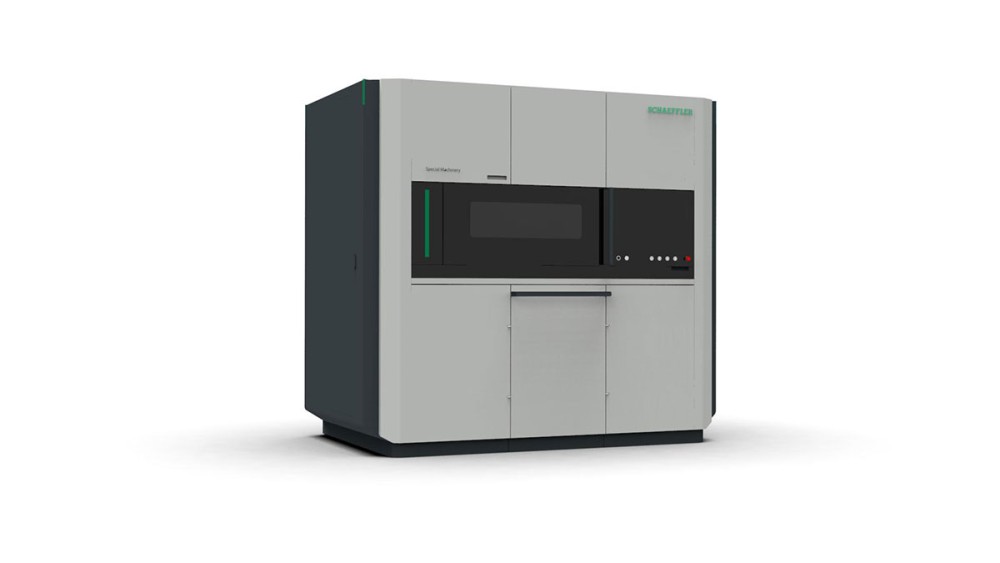
Breakthroughs in Multi-Materials & Processes: Cold Metal Fusion technology makes cost-effective, batch production of metal parts possible. Multi-material metal printing will open up new design spaces for industrial and medical implants, such as combining different titanium alloys to optimize performance.
Deepening Medical Applications & Personalization: As equipment capabilities improve (larger, faster, more precise), the cost of personalized implants will continue to fall. From orthopedics to micro vascular stents, on-demand customization will become a reality, fundamentally changing the traditional medical model of "selecting the closest match."
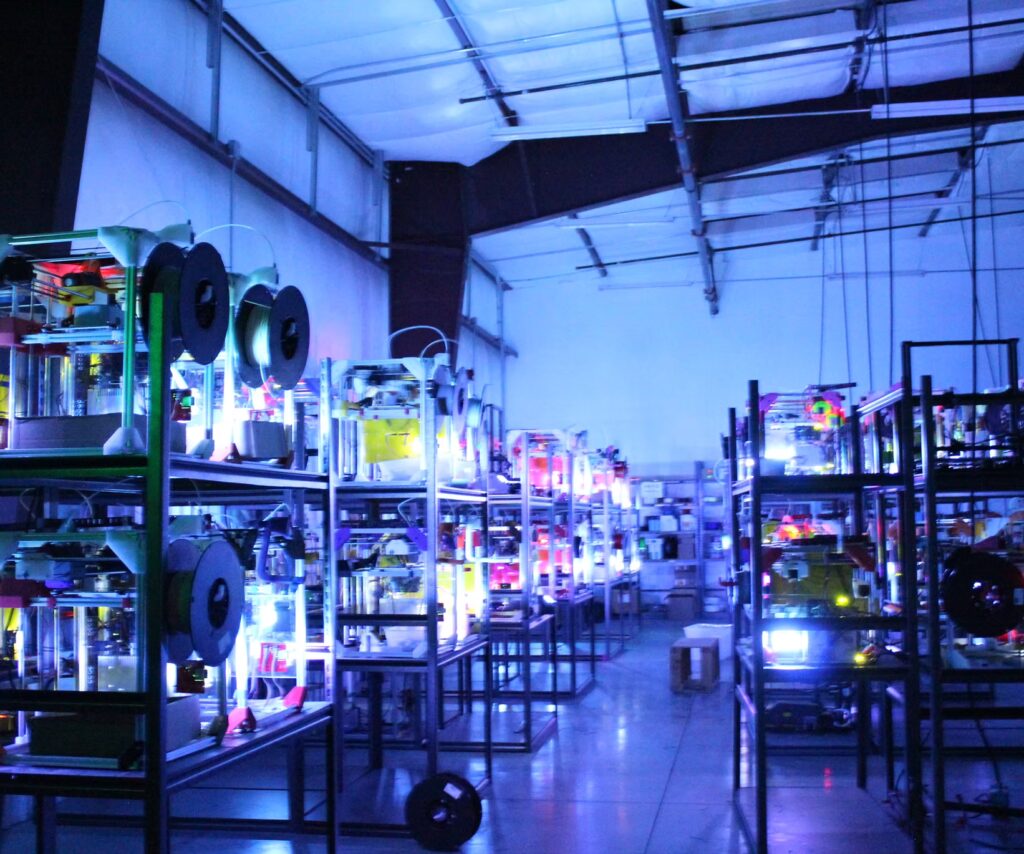
Large-Scale Adoption & Commercial Democratization: The mass production of Apple Watch cases marks metal 3D printing's official entry into high-volume manufacturing. Simultaneously, the proliferation of print farms and AI design tools is dramatically lowering the barrier to product creation, spawning countless unprecedented niche products and driving the "democratization of manufacturing."
In summary, the main theme for 2026 is: Through software intelligence, process automation, and material innovation, 3D printing will advance from "feasible" to "efficient and economical batch manufacturing," initiating a genuine revolution in personalization and commerce within the medical and consumer sectors.