These early “15th Five‑Year” data have put the industry at ease: 3D printing is no niche concept—it is steadily becoming a pillar of advanced manufacturing.
On July 24, 2026, CCTV Finance’s Economic Half Hour aired a special report on “New Drivers of Advanced Manufacturing” at the start of the 15th Five-Year Plan period. 3D printing equipment, alongside lithium-ion batteries and industrial robots, was named one of the three best‑performing industrial categories in the first half of the year.
According to the National Bureau of Statistics, consumer‑grade 3D printer production jumped 48.5% year‑on‑year in H1 2026. Customs data were even more striking: exports from January to May reached 2.94 million units, valued at 7.82 billion yuan (approximately $1.09 billion USD), surging 90% and 106.8% respectively. For every 10 consumer 3D printers sold globally, 9 come from China.
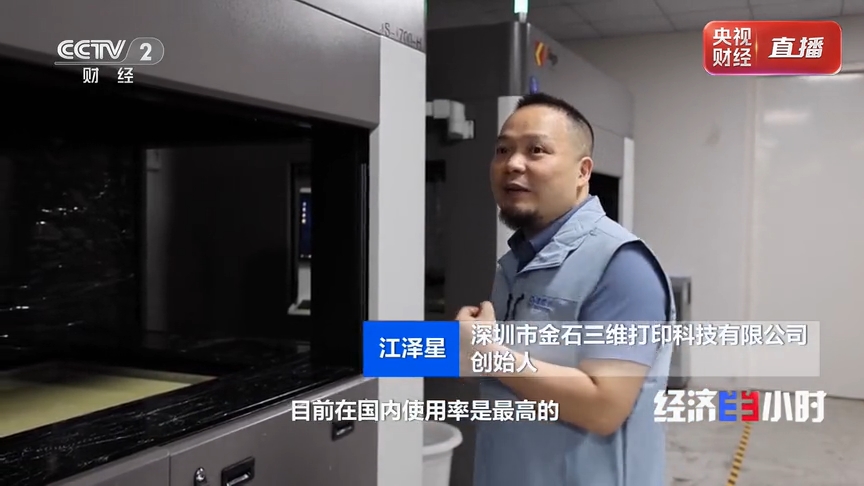
The report took viewers to Shenzhen’s front lines, visiting two representative companies—one in consumer grade, the other in industrial grade—and captured the industry’s real pulse: full‑capacity production, orders booked through the year, and factories expanding relentlessly.
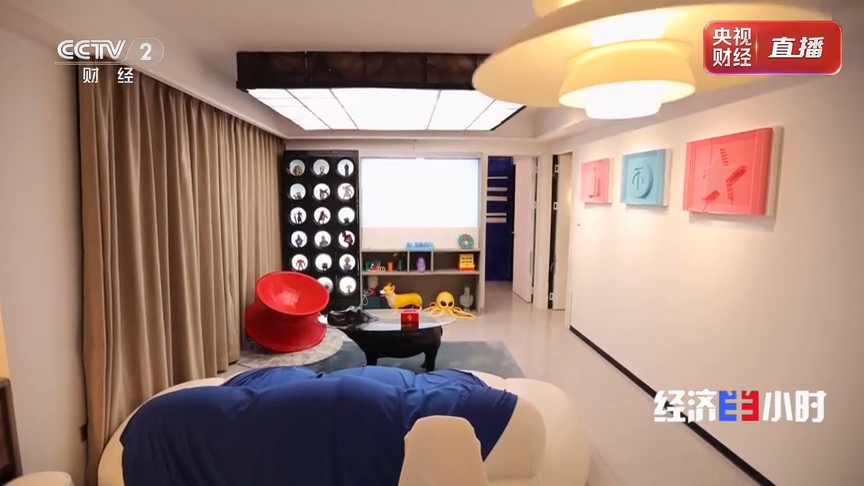
A standout example of the consumer‑grade boom came from a maker who used 3D printing to decorate an entire 80‑square‑meter (about 860 sq ft) two‑bedroom apartment. From tiny bottle openers to 1.8‑meter sofas, and from epoxy resin to titanium alloys—hard and soft materials alike—he printed over 2,000 items. This “whole‑house 3D‑printed” experiment went viral, and incidentally boosted sales of the printers themselves.
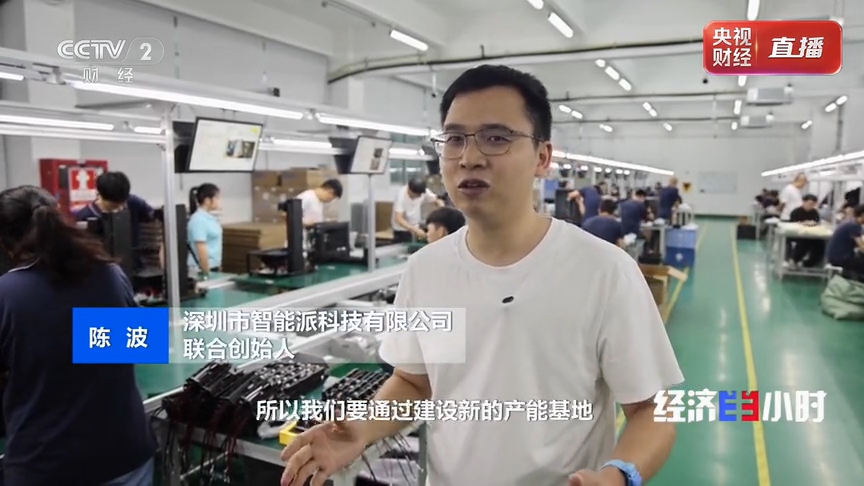
How tight is production? One assembly line runs with 30‑plus workers, assembling a machine every two minutes, operating day and night shifts. Daily output hits 2,000–3,000 units, and by May–June the entire year’s orders were already sold out, with order volume up roughly 30% from last year.
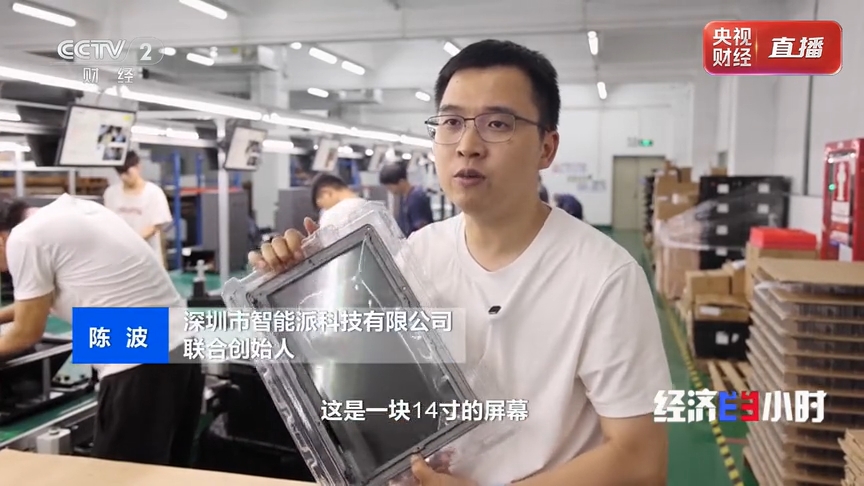
Technology shifts have been equally critical. Early industrial‑grade systems relied on expensive galvanometer scanners costing hundreds of thousands of yuan per set. Today’s consumer models use LCD screens—a 14‑inch panel with 16K resolution (16,000×12,000 pixels)—and, thanks to Shenzhen’s mature electronics supply chain, the cost has dropped to a fraction of what it once was. AI‑powered modeling has lowered the design barrier from professional engineers to one‑click operation for everyday users. Cheaper and easier to use, sales have multiplied accordingly.
The growth trajectory of one company tells the story: starting from a one‑meter counter at Huaqiangbei in 2018, with a first factory of just over 1,000 square meters, it generated over 200 million yuan (about $28 million USD) in revenue that year. By 2025, that figure had hit 2.3 billion yuan (roughly $319 million USD)—a nearly tenfold increase. Now, with orders exploding, the firm is moving this month to a new five‑story production base, each floor housing two large assembly lines (ten in total), with monthly capacity approaching 130,000 units and annual capacity planned at 1.5 million.
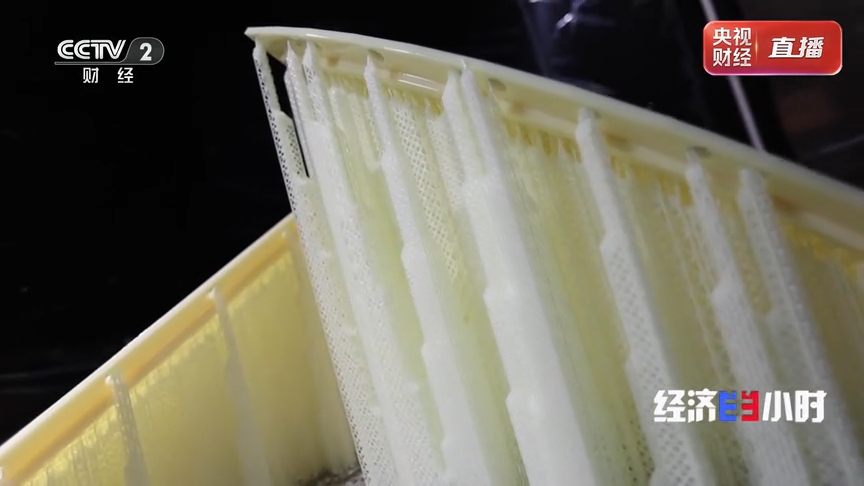
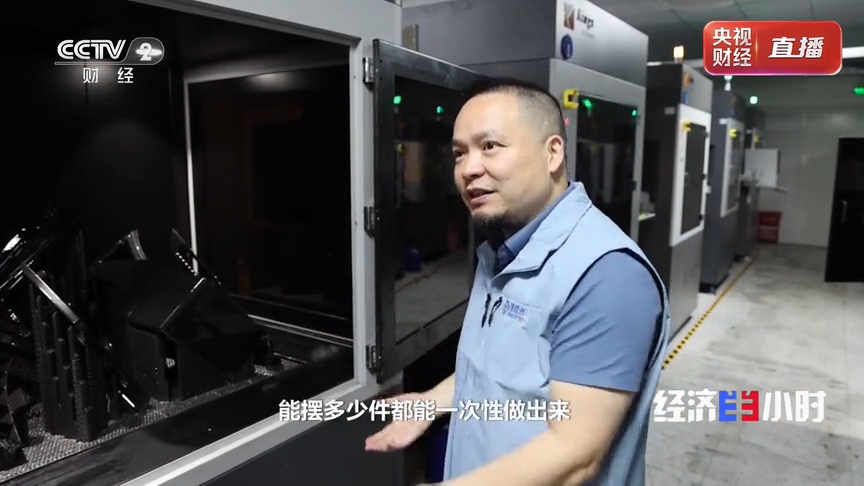
The industrial‑grade segment is equally hot. A major manufacturer of large‑format photopolymerization equipment produces machines that can print structures finer than a human hair, serving automotive interior parts, medical models, and precision components. Speed is on a different level—large parts are delivered within 48 hours, whereas traditional mold‑making would take months. Moreover, batch production and customization are no longer at odds: a single build can hold hundreds of different parts, each unique, solving a long‑standing manufacturing dilemma. Their “dark factory” runs 70‑plus machines around the clock, unmanned, contributing nearly 60 million yuan (about $8.3 million USD) in annual output value.
On the policy front, the State Council has officially included desktop 3D printers in the “15th Five‑Year Plan for Expanding Consumption,” alongside AI phones and smart robots, explicitly calling for increased supply of next‑generation smart terminals. From the statistics bureau’s separate data release to the State Council’s plan and CCTV’s in‑depth coverage, the signals are crystal clear.
The first‑half figures—48.5% production growth, 90% export growth—stand out across the entire manufacturing sector. China’s consumer‑grade 3D printing now holds 90% of the global market; it is no longer a follower but a definer.