Bicycle seats are a 3D printing success story. Often made using Carbon’s technology, high-end road bike saddles are now on offer from most premium bike saddle brands. Retailing for over $300, these are very profitable. The seats spread impact and weight better, are cooler, and have been optimized to reduce long-term pain from long bike rides and sores. Lattice structures can be optimized throughout the saddle, and depending on your bones, butt, and ride, you can get a different seat. These seats can be individualized, but few companies are doing this now. Bike seats are also a part of a higher-value item with a high per-kilo cost, such as racing bikes. Sometimes retailing for over $5,000, these bikes weigh less than nine kilos. That value and weight, coupled with performance increases that come with reduced weight, better balance, ride, and greater stiffness, mean that almost any material and manufacturing process is possible. Due to varying constraints and features that can be optimized, many designs and structures can be specifically made for a rider or purpose to increase performance in one dimension. Given the high fetishization of racing bikes and the many hours fans spend watching them on TV, bicycle seating is perhaps the best case scenario for seating. Tour de France bikes, meanwhile, which used to cost around $5,000 only a few years ago, now range from $8,500 to $16,569 for the full bike that you see on TV. With an average weight of 7.497 kg (and a minimum of 6.8 kg), the cost per kilo is staggering. Prices for the most expensive bikes are now approaching $2,000 per kilo.
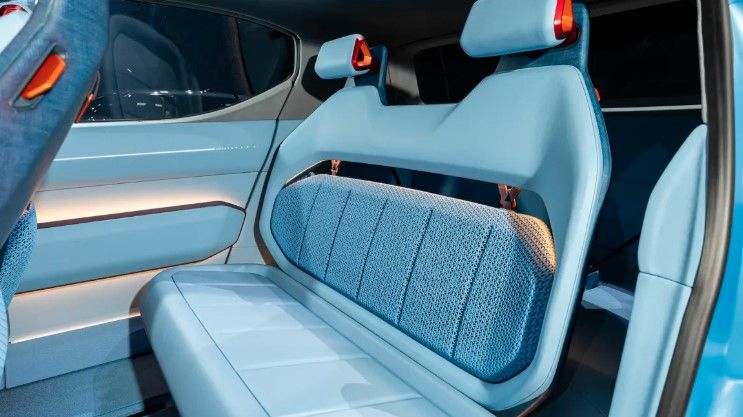
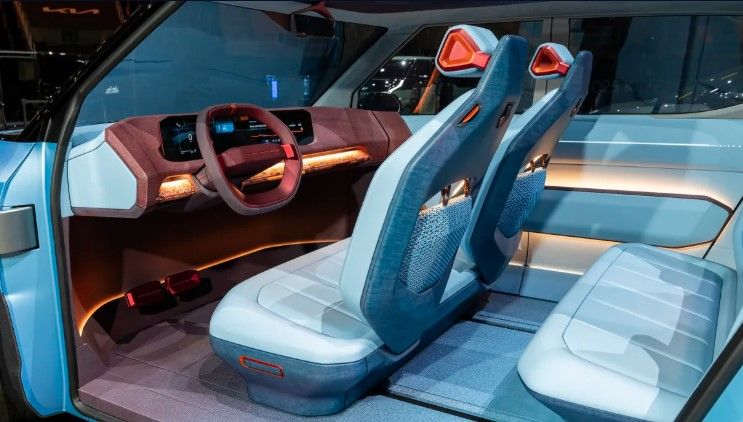
There has been a lot of work on 3D printed car seats already. Indeed, some examples are public. A recent example from Kia shows off the EV2 concept car with 3D printed seat pads by OECHSLER. These pads go further than others in that they showcase an entire rear two-seater bench made from a single 3D printed cushion. OECHSLER says that, “The car is still a concept, but we used technology, material, and processes which do allow us to transition this result directly into serial cars, as all specifications will be met.” As one of the driving forces behind bike seats, as well as backpack padding and other similar applications, OECHSLER is quickly becoming the number one player in 3D printed padding and beyond. It also really helps that they have deep experience as an automotive supplier. In this case, these seats use Forward AM powder made on an HP MJF machine. The switch to MJF is probably because it is still impossible to meaningfully recycle resins, and car companies want more sustainable processes and materials. Flame retardancy could also play a role.
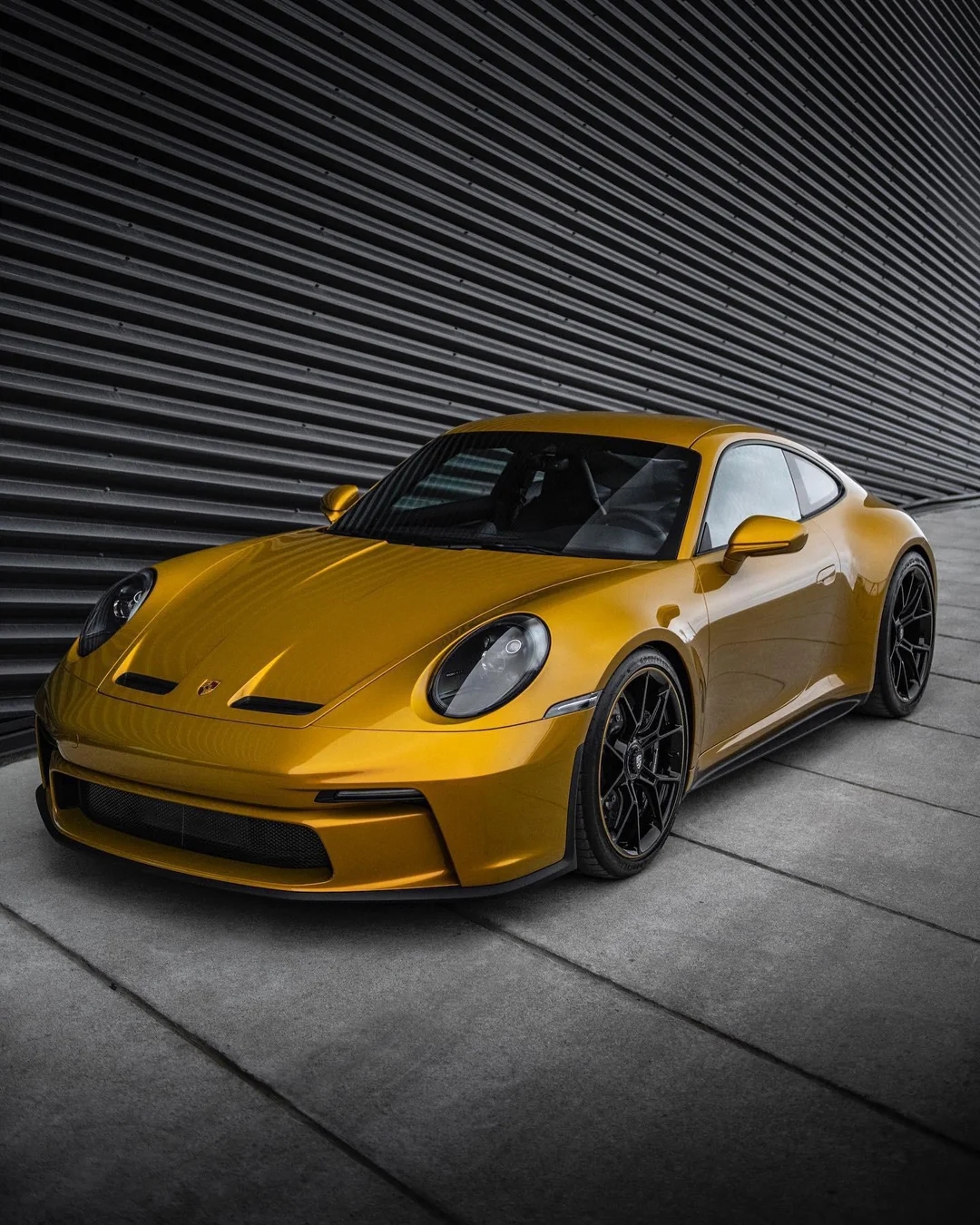
Porsche offers an option called Paint to Sample, which allows you to select a rare color for your car. But there is also Paint to Sample Plus, which lets you make a unique color. This reportedly costs around $43,000 on the GT3, a car with a base price of $222,000. If a fifth of a car could be spent on a color, I’m thinking that for Porsche and similar brands, 3D printed seating is doable, at the very least for the driver’s seat. If someone wants a slightly crazier purple on a GT3 for the price of a 2019 Cayenne or Macan, we really should be able to figure this out, especially if we can customize it to someone’s body and improve comfort.