As 3D printing technology gradually sheds its image as a “geek toy,” the home scene is becoming the next high ground for major brands.
3D printers are moving from maker workshops to creative centers in ordinary households.
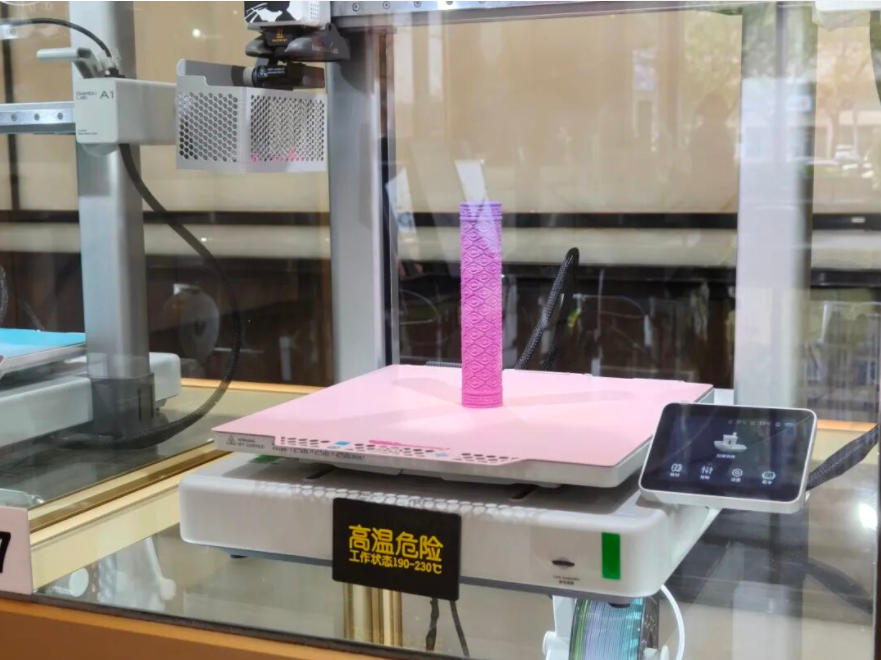
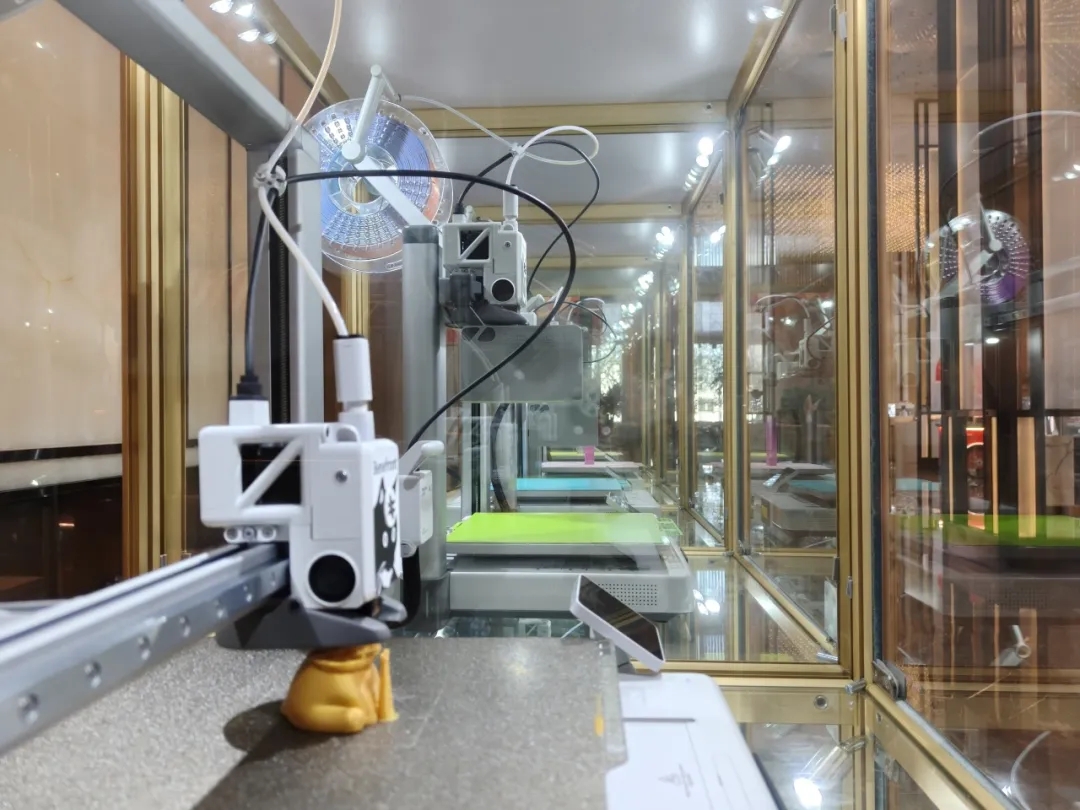
On April 20, 2026, leading consumer 3D printing brand Bambu Lab announced that it will soon be available in all 64 Sam’s Club stores across China, with an expected launch timeline from late April to early May. According to sources, Bambu Lab will become Sam’s exclusive partner in the 3D printer category. The partnership is not a simple “shelf placement” but a deep channel integration centered on Sam’s family-oriented consumption scenarios. This marks not only an important step in Bambu Lab’s offline channel strategy but also a sign that 3D printing is entering one of China’s most selective premium retail systems in a “home appliance” manner.
Channel Value
Public information shows that in 2025, Bambu Lab’s revenue exceeded 10 billion RMB (approximately 1.39 billion USD), capturing about 29% of the global consumer 3D printer market. With a valuation of 40 billion RMB (approximately 5.56 billion USD), the company was included in the “2025 Hurun China Top 500,” becoming the only 3D printing enterprise on the list. By the end of 2025, Sam’s Club China had over 10.7 million paid members, with family users accounting for more than 80%. The average annual spending per member was about 13,000 RMB (approximately 1,806 USD). The core customer group consists of middle-class family decision-makers aged 25 to 45, which closely overlaps with Bambu Lab’s target family user profile. Consumer electronics industry analysts point out that the core barrier for consumer-grade 3D printers has shifted from “whether it can print” to “whether it is easy to use, safe, and fits into the home environment.” With its integrated software-hardware ecosystem, Bambu Lab has lowered the usage threshold to near that of ordinary home appliances.
From DTC to Omnichannel
For a long time, Bambu Lab followed a highly controlled “DTC independent website + private community” model, with direct website traffic accounting for as much as 56.7%. The move into Sam’s Club signals a major adjustment in its channel strategy. An insider said, “This year Bambu Lab will accelerate its offline presence, and its revenue may be even more promising than in 2025.” Previously, Bambu Lab already had its own flagship store at Shenzhen Bay MixC, JD.com Home experience stores (covering five cities including Beijing, Shanghai, and Shenzhen), as well as cooperative experience spaces with brands like Shangpin Home Collection and Meland. Notably, at the 2026 AWE (Appliance & Electronics World Expo), Bambu Lab used the theme “The First Smart Manufacturing Tool for the Whole Family,” and the market widely speculated that it would enter premium supermarkets, high-end department stores, and other channels closer to family purchasing decisions. This pace echoes its “home appliance” strategy.
Industry Encirclement
Offline channels are rapidly shifting from “optional” to “a dividing line.” As 3D printing crosses beyond the geek community and moves toward mass consumption, competition for offline channels is intensifying. Brands such as Creality and Anycubic are also accelerating their presence in experience stores and trendy product collections, but premium supermarket channel resources are scarce and often exclusive, making it harder for latecomers with higher entry costs and lower expected sales per square foot. An industry insider noted, “The first point of contact for family users is becoming the focus of competition among brands. Whoever secures it first will take the lead in the next phase.”
When a 3D printing brand with ten-billion-RMB revenue and a premium retail system with tens of millions of paid members deeply integrate, the battle for the “first point of contact with family users” has quietly begun.