Home  >  News

September 4, 2026      News      9953

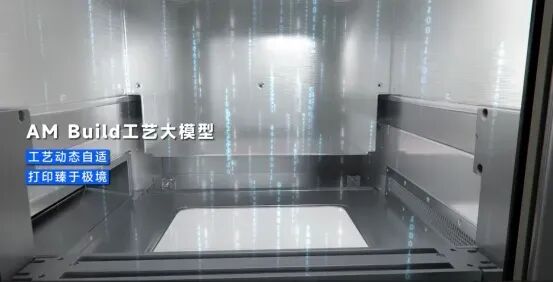
August 26, 2026 – Meiguang Suzao unveiled a new solution: its in‑house AM Build AI process model enables full‑process adaptive control, slashing support material usage by 98%.

The metal 3D printing industry faces an awkward reality: we keep adding more lasers and building bigger build volumes, but parameter tuning still relies on seasoned technicians, support design depends on manual judgment, and complex structures are perfected through trial and error. Once hardware hits its temporary ceiling, the next competitive battleground shifts elsewhere.
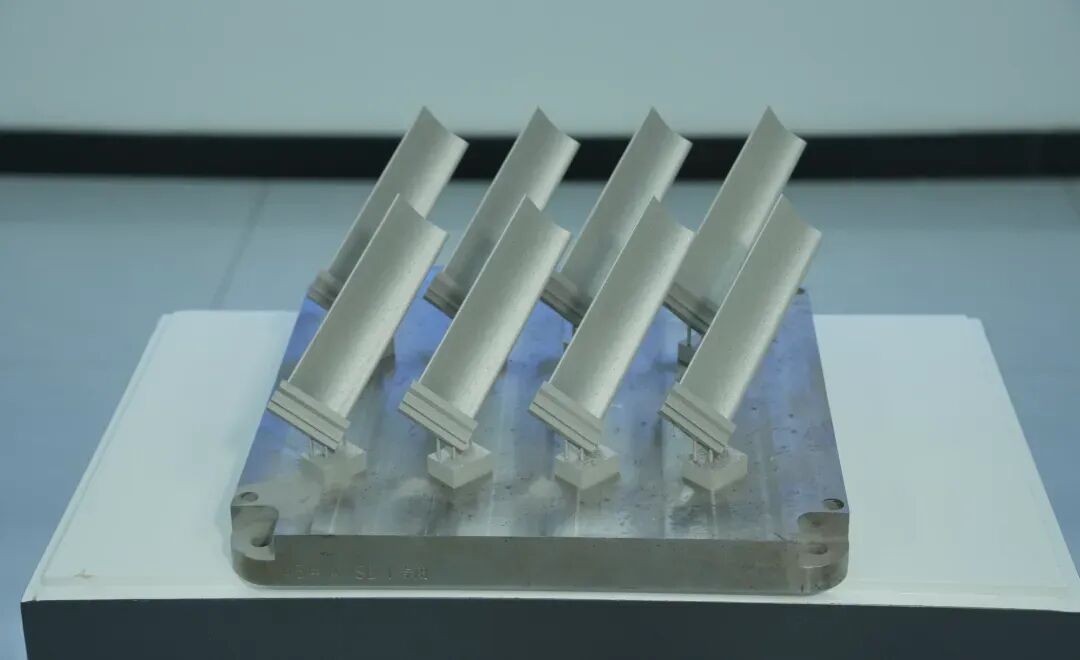
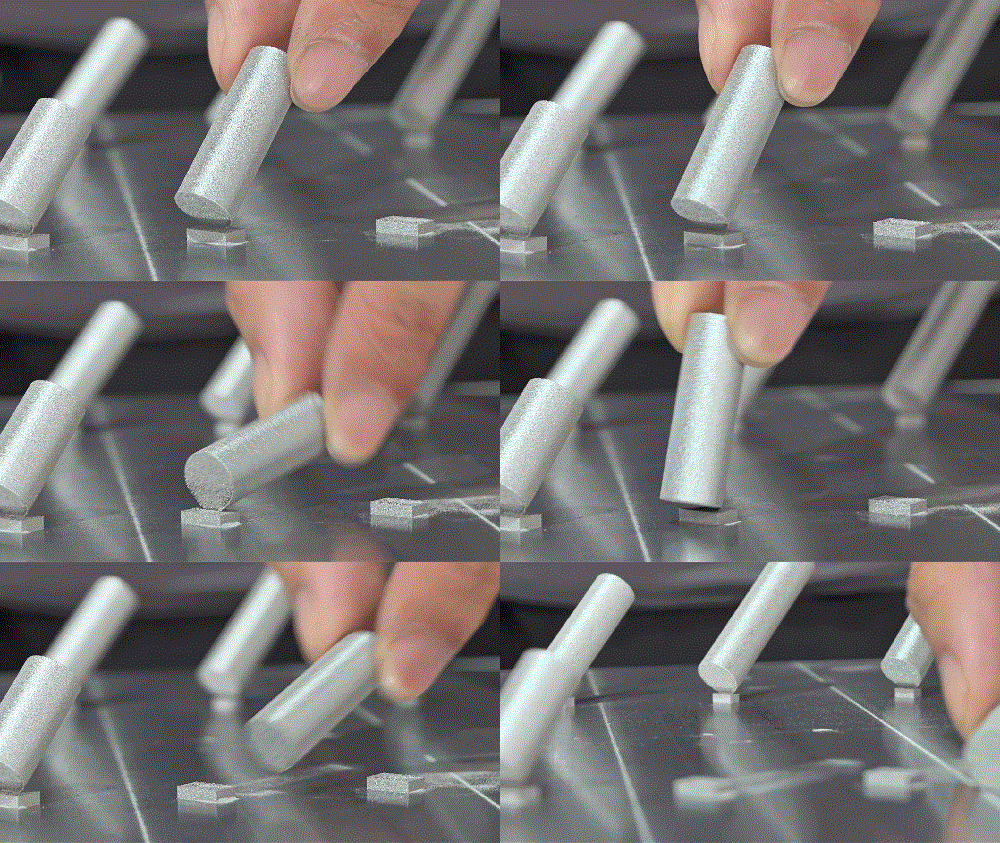
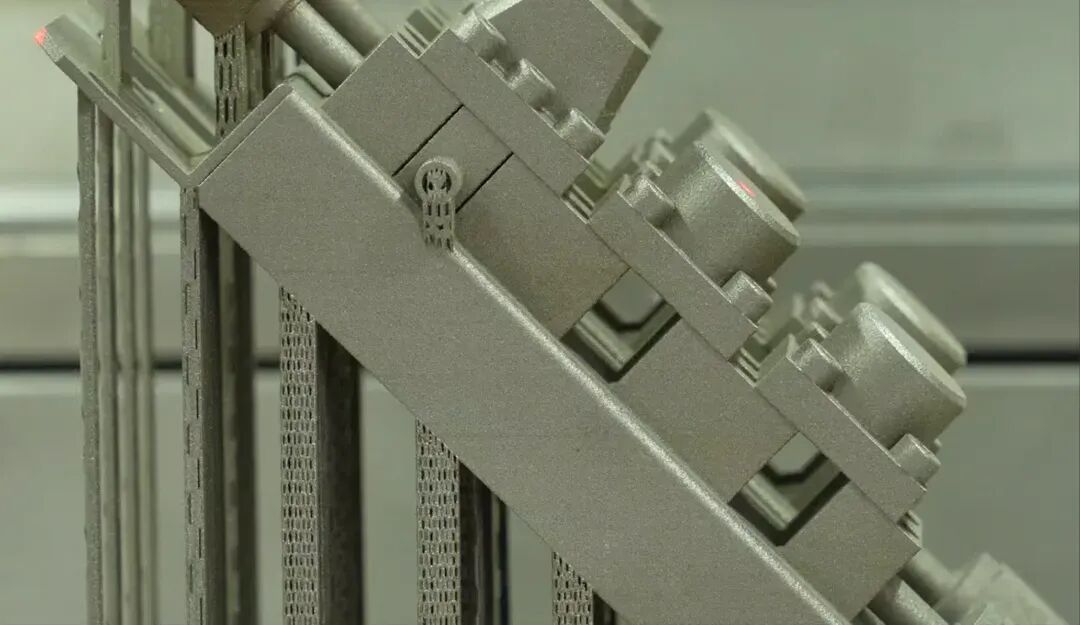
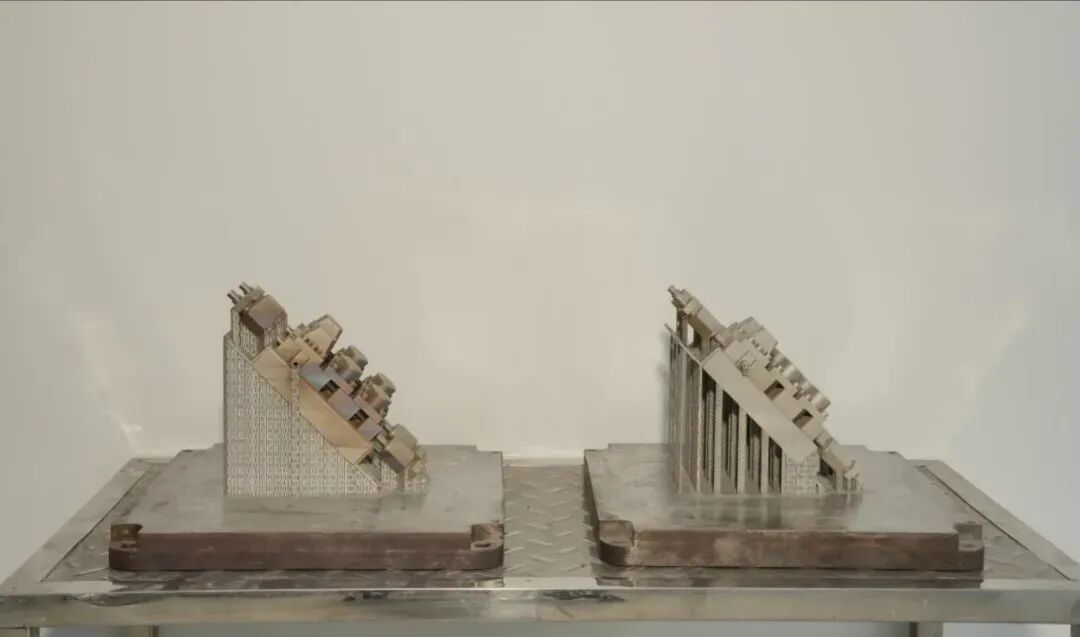
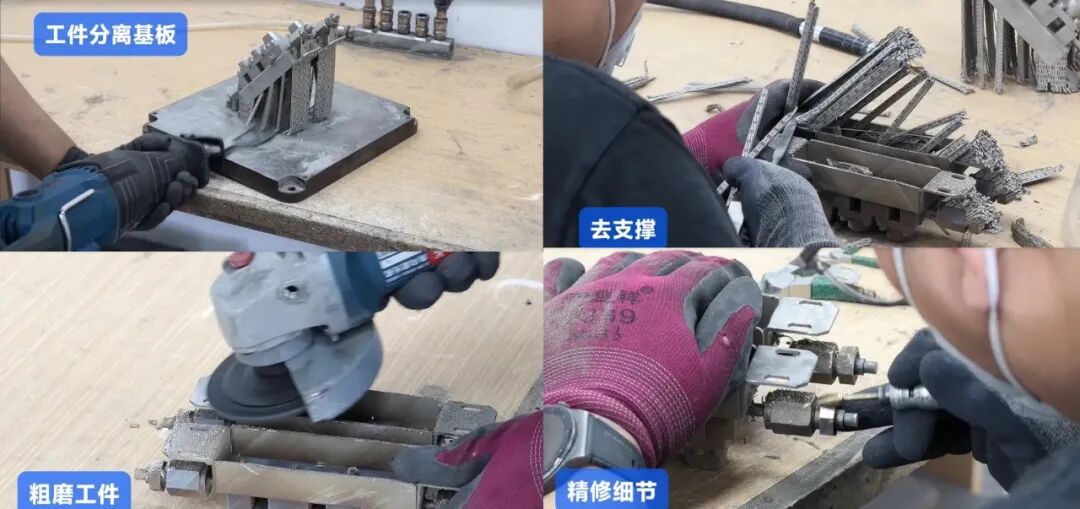
The changes brought by AM Build are straightforward. Take blade printing as an example: the conventional process consumes 14.4 grams of support powder, accounting for 7.7% of the total 187.6 grams. With AM Build, support powder drops to just 0.5 grams – only 0.2% of the total, a reduction of 97.4%. Post‑processing time shrinks from over 20 minutes to nearly zero – a gentle twist and the part comes off, with almost no finishing needed on the support surfaces. In tests on complex structural parts, support volume was cut by 66%, material waste by 50%, and post‑processing time was nearly halved, from about 32 minutes down to 16.
The underlying logic is algorithmic re‑engineering of the process. Traditional 3D printing uses fixed parameters, unable to adapt to subtle variations in material behavior, ambient temperature, or heat dissipation. This often leads to surface oxidation, edge slag, and rough textures, making batch production highly inconsistent. AM Build, in contrast, dynamically adjusts parameters based on part geometry and real‑time printing conditions. It senses layer‑by‑layer material states and cooling differences, intelligently optimizes each layer’s settings, and achieves first‑time‑right forming with zero manual intervention throughout the entire workflow.
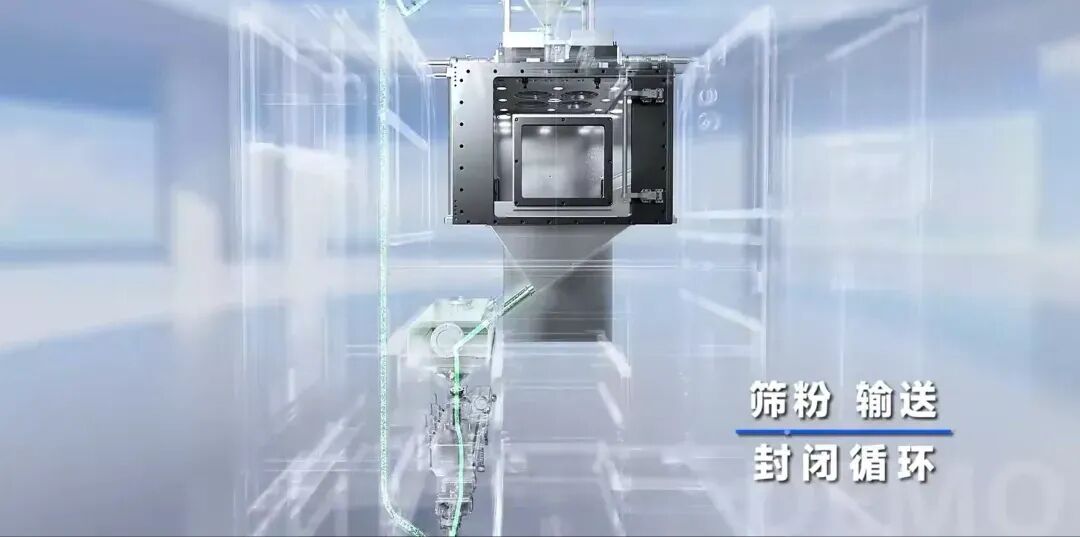
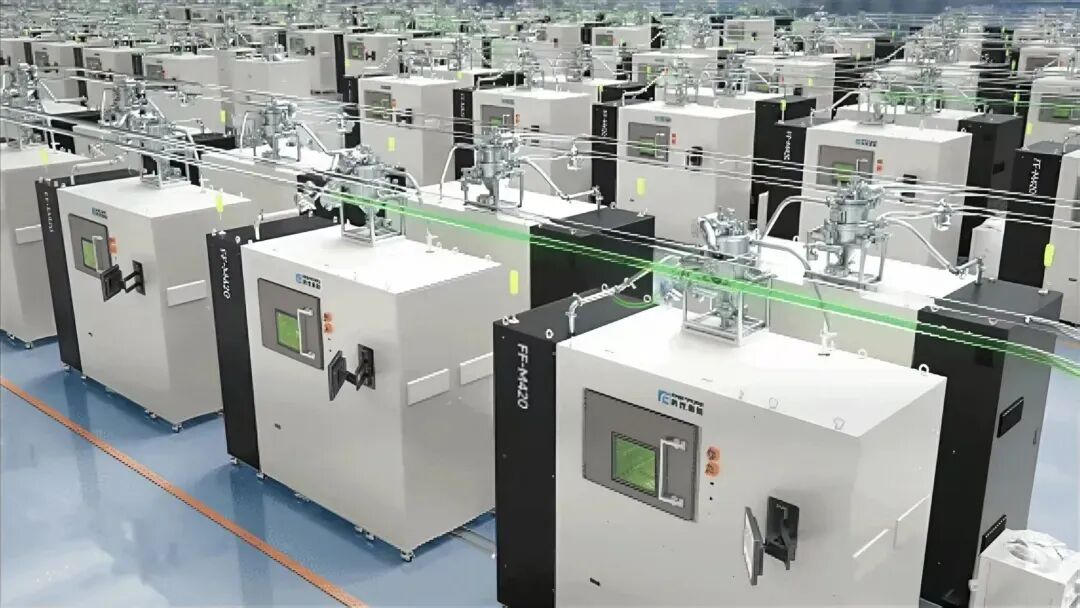
On the equipment front, Meiguang Suzao also launched an integrated suction‑screening‑feeding system for small‑to‑medium‑scale production users. This system automates powder screening and feeding from start to finish – just load the powder once at startup, and the line runs autonomously, eliminating mid‑run manual screening and greatly reducing human variability. For large‑scale production, a lightweight smart production line features a centralized powder management system that covers automatic powder supply and overflow recovery. The entire powder circulation is closed‑loop and sealed, with negative‑pressure suction, fine sieving to remove impurities, and automatic transfer to storage – ensuring controlled, reusable powder at every stage.
Over the past decade, China’s homegrown SLM metal 3D printing has evolved from lab prototypes to industrial multi‑laser systems, with breakthroughs in multi‑beam algorithms, bidirectional recoating, and large‑format chambers. But as Li Shuai, General Manager of Meiguang Suzao, pointed out at the launch: “When we’ve scaled from 4 lasers to 64, and from hundred‑millimeter builds to two‑meter builds, the industry’s underlying technology hasn’t seen a fundamental leap.” Process adjustments still lean heavily on human expertise, and complex‑structure forming remains a persistent challenge.
The AM Build AI model and its integrated hardware‑software ecosystem are a systematic response to this pain point. As AI begins to take over parameter tuning, support optimization, and quality control from engineers, metal 3D printing is moving decisively from “experience‑driven manufacturing” into a new era of “AI‑adaptive smart manufacturing.”


©2025 3dptimes.com All Rights Reserved