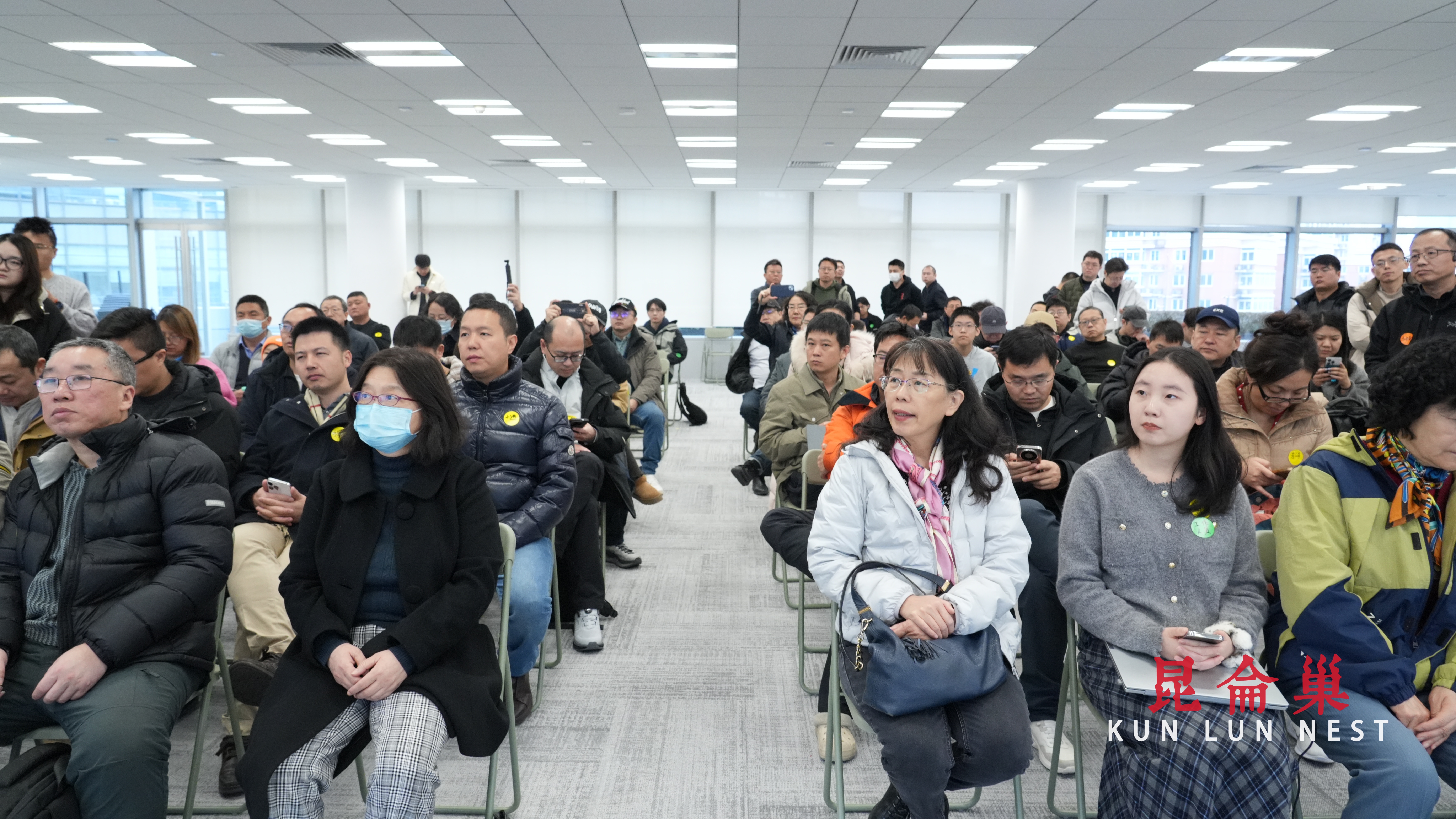
OpenClaw Hackathon at Kunlun Nest unites 200+ developers, including young students, to explore open-source AI agents on domestic computing platforms.
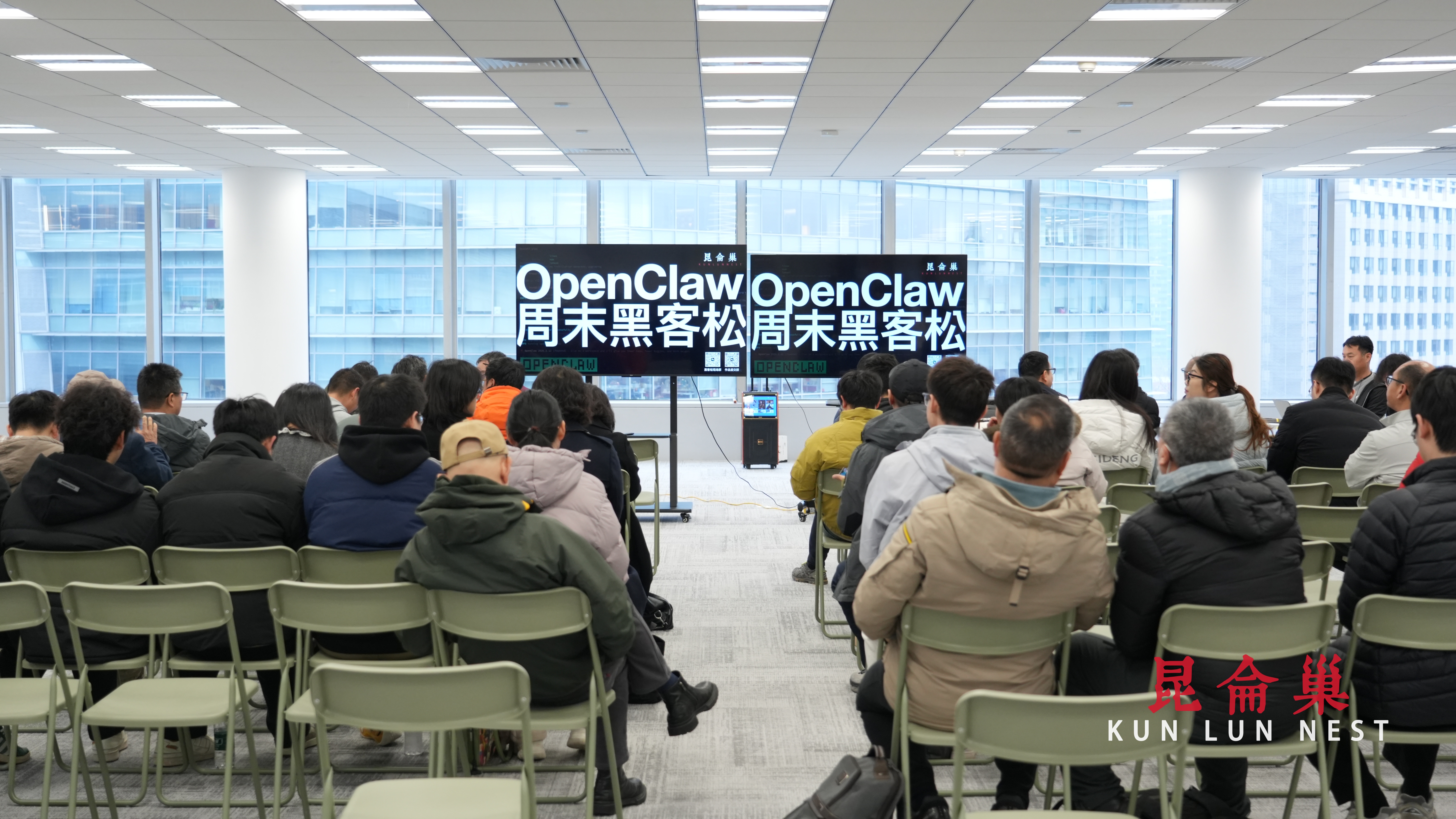
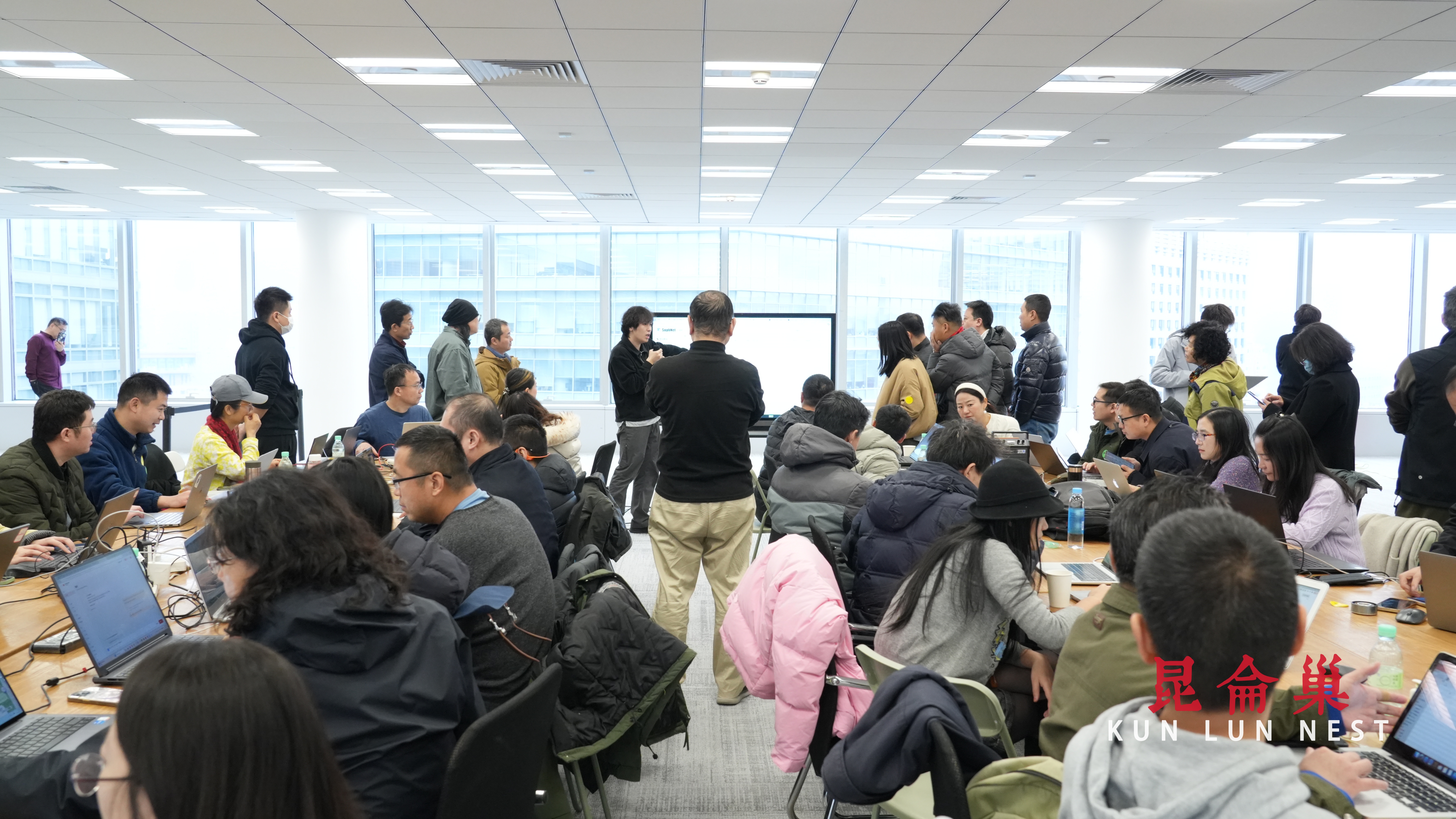
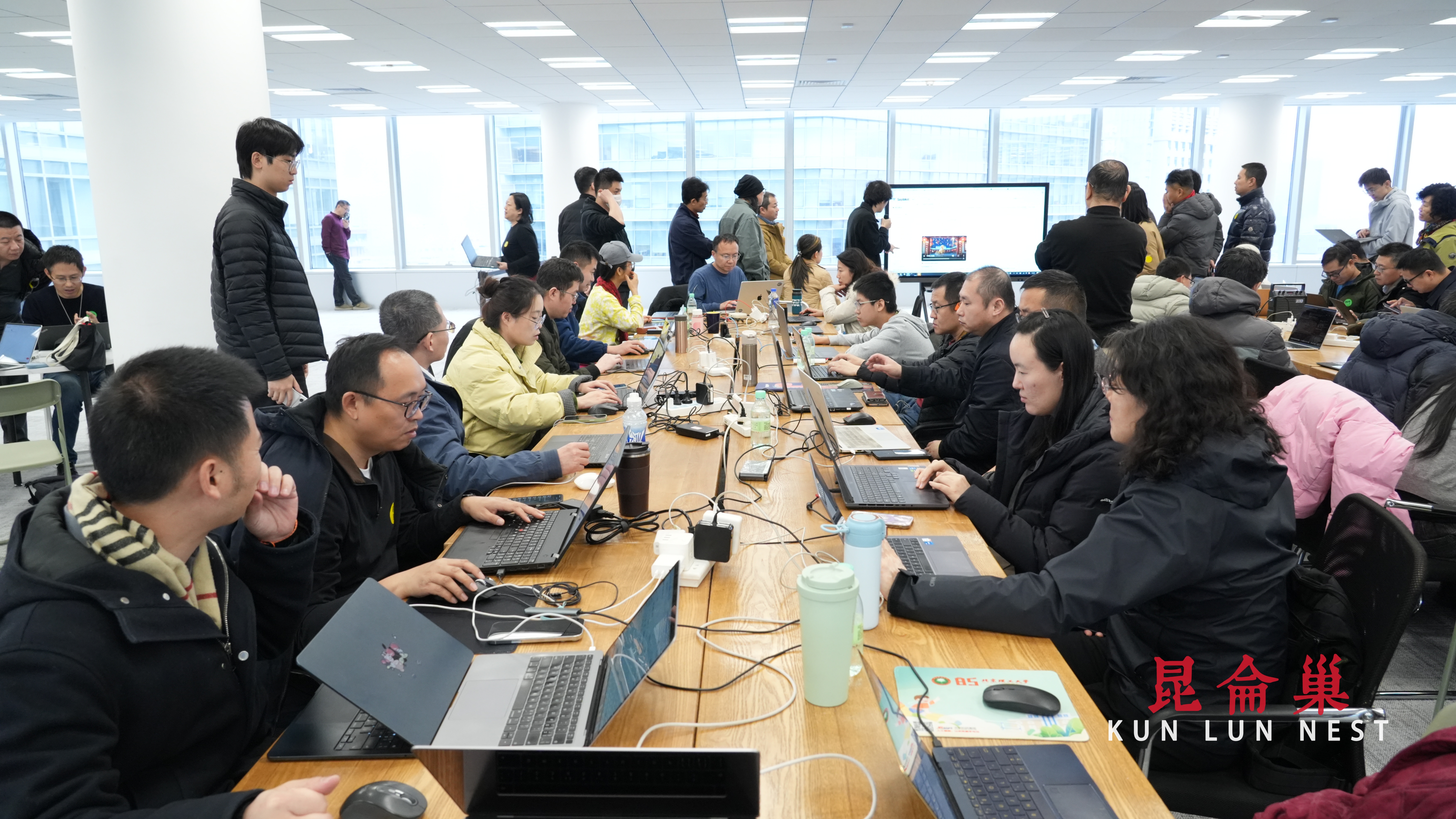
Just after 9:30 on the morning of February 28th, the elevator doors on the 9th floor of Tower A, Raycom Information Center kept opening nonstop. Some people arrived with backpacks, some carried laptops, and others simply took out their phones to scan the QR code and register. Soon, the space was filled with people. This was the first event held at Kunlun Nest since it moved into Raycom — the OpenClaw Hackathon.
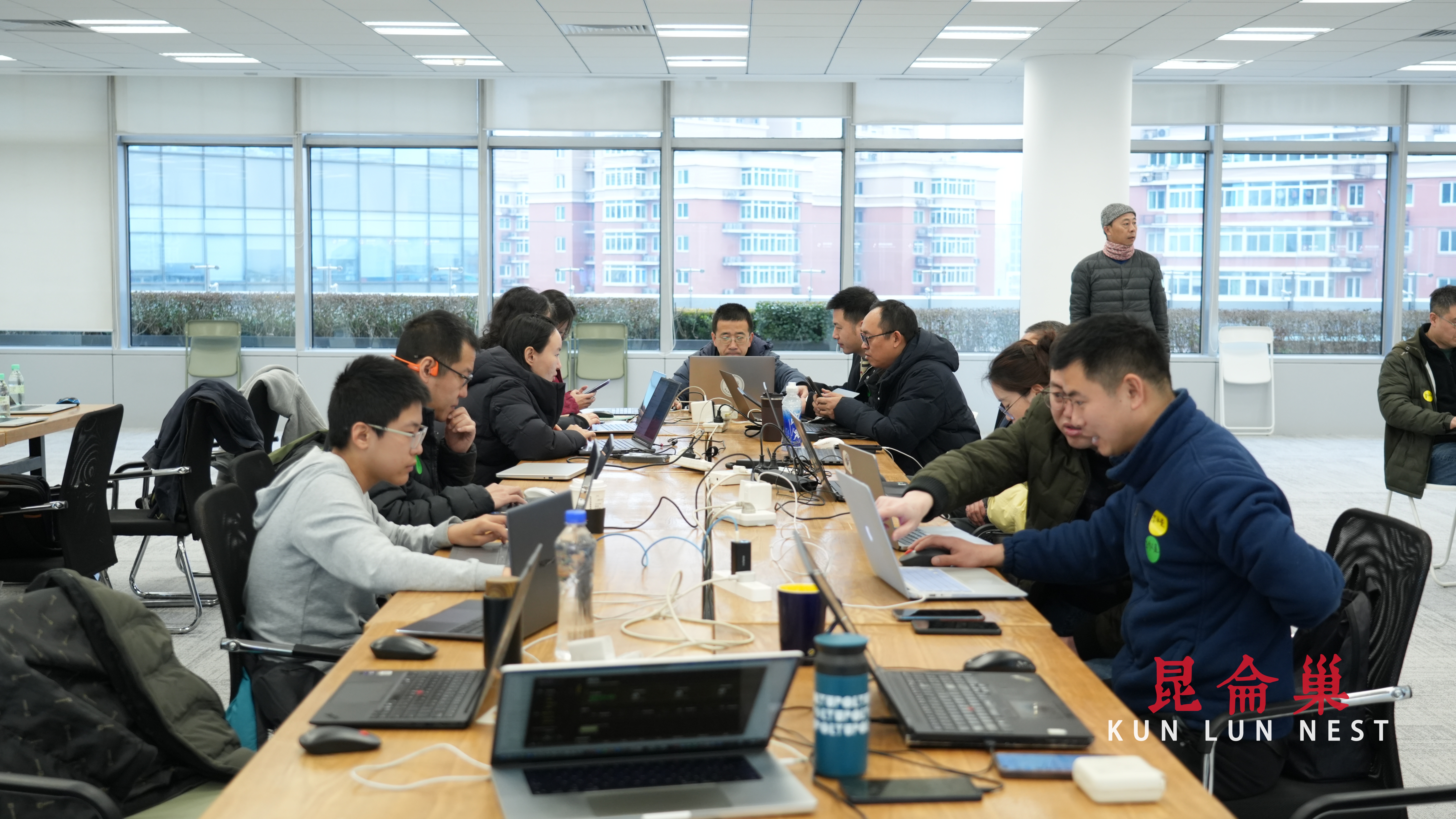
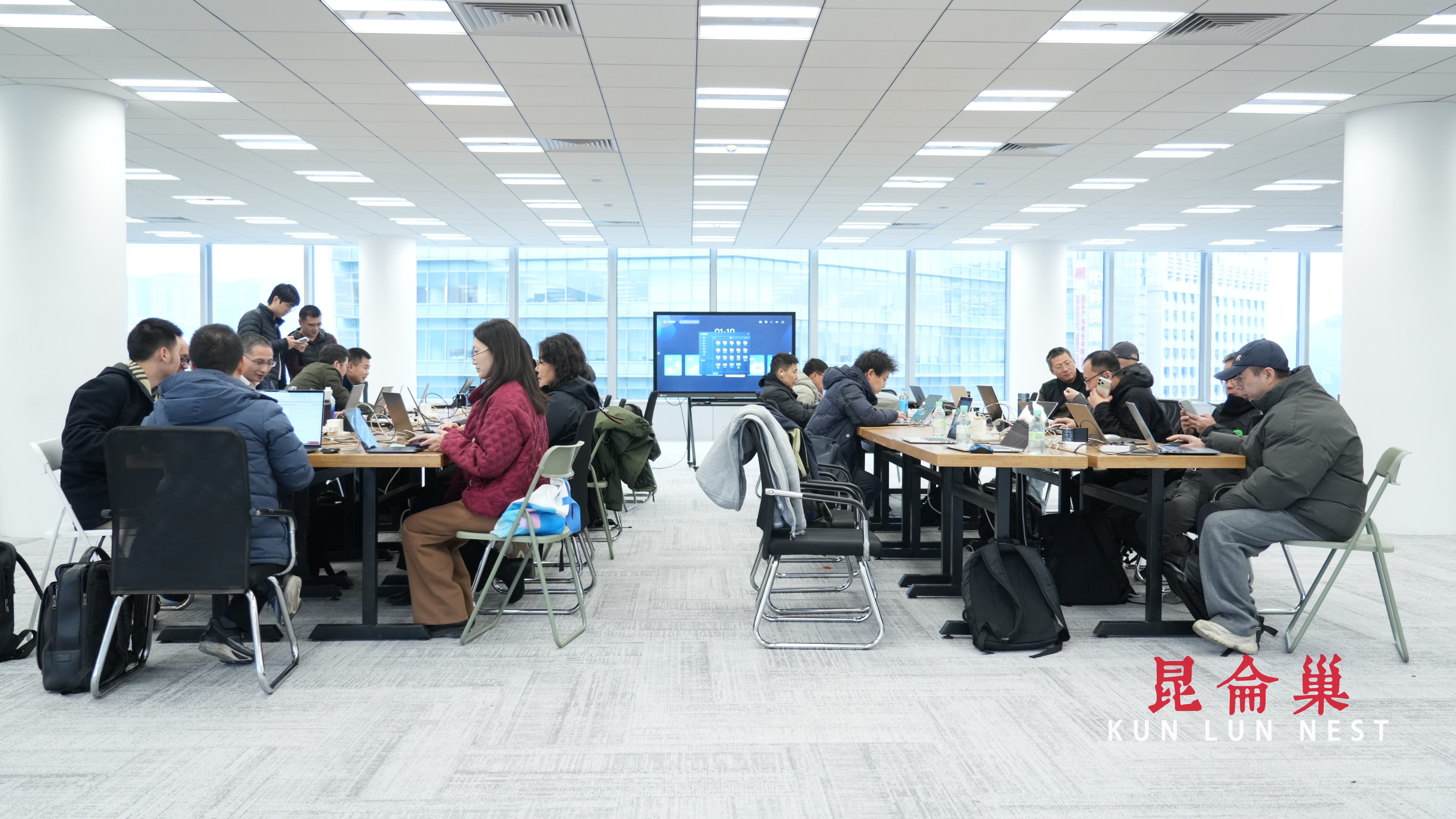
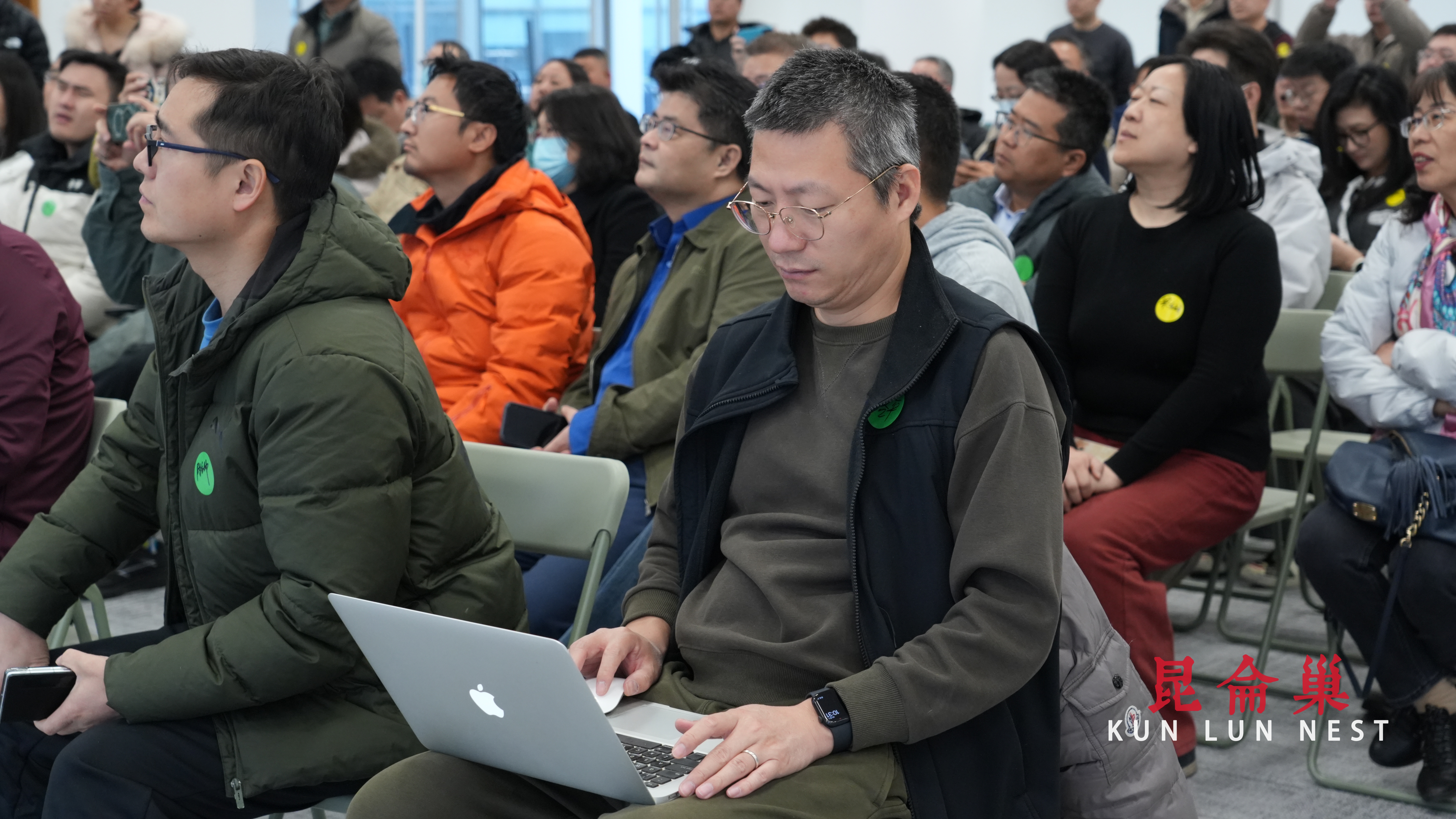
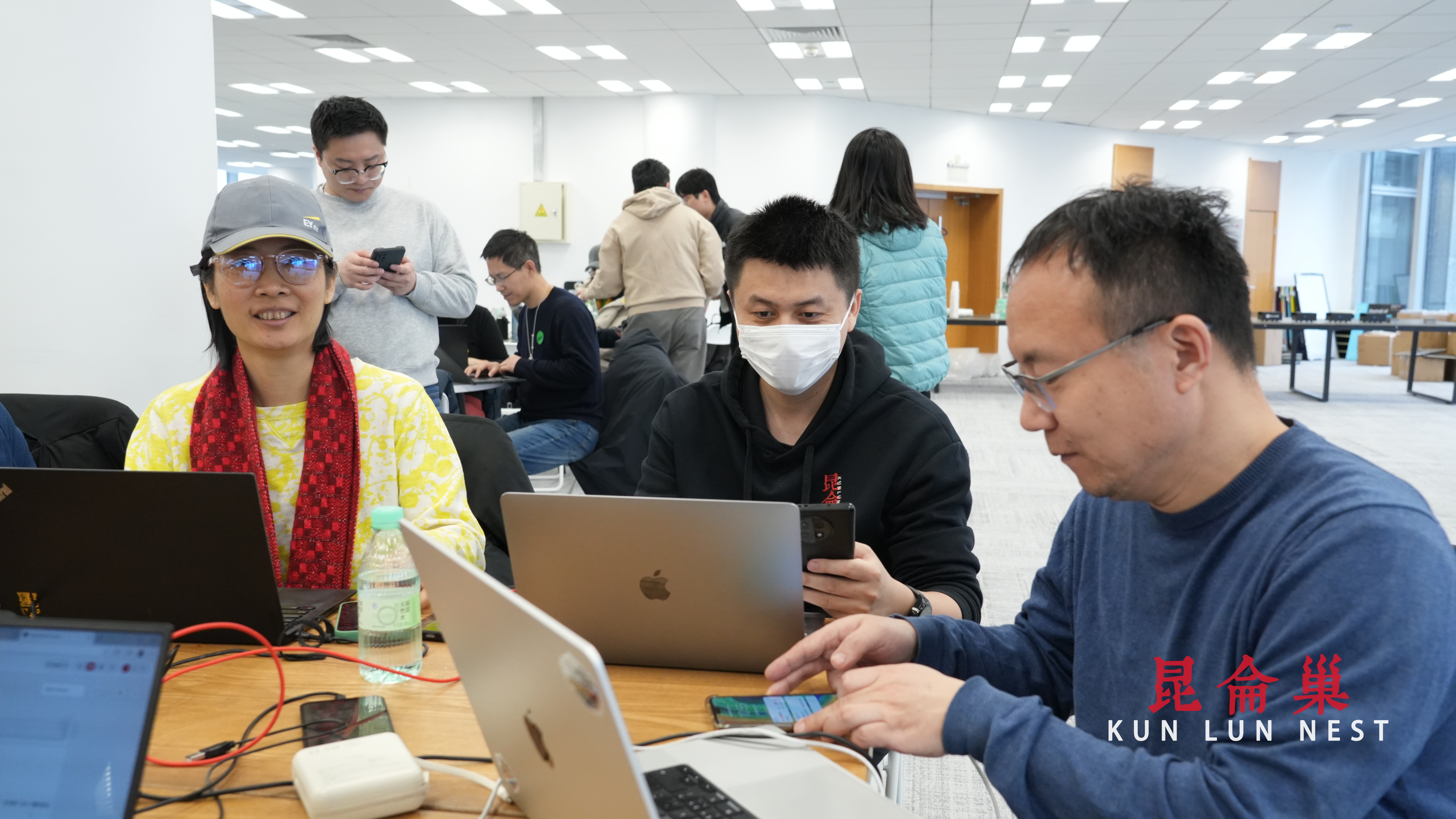
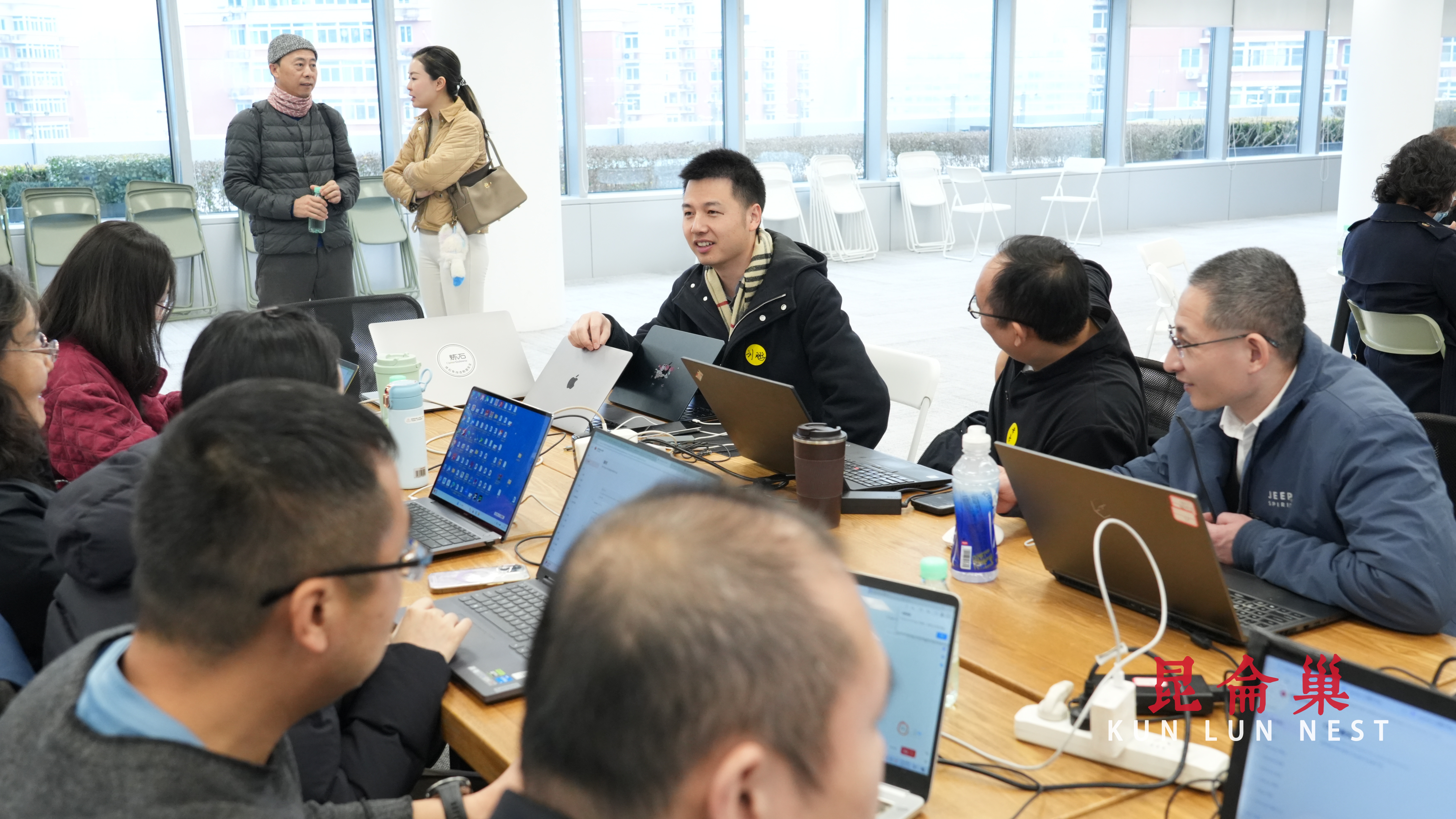
A group of young people gathered around computer screens, typing away at code. In a corner, a sixth-grade boy was debugging his first AI assistant. Not far away, Bao Yueqiao, founder of Kunlun Nest and a first-generation programmer, had just finished delivering his opening speech.
The event was co-hosted by Kunlun Nest and Raycom Information Center, and sponsored by several AI technology and computing power platforms, including iFlytek Open Platform, MiniMax, PowerNode, and SophGo. It attracted a wide range of developers, tech enthusiasts, and solo entrepreneurs.
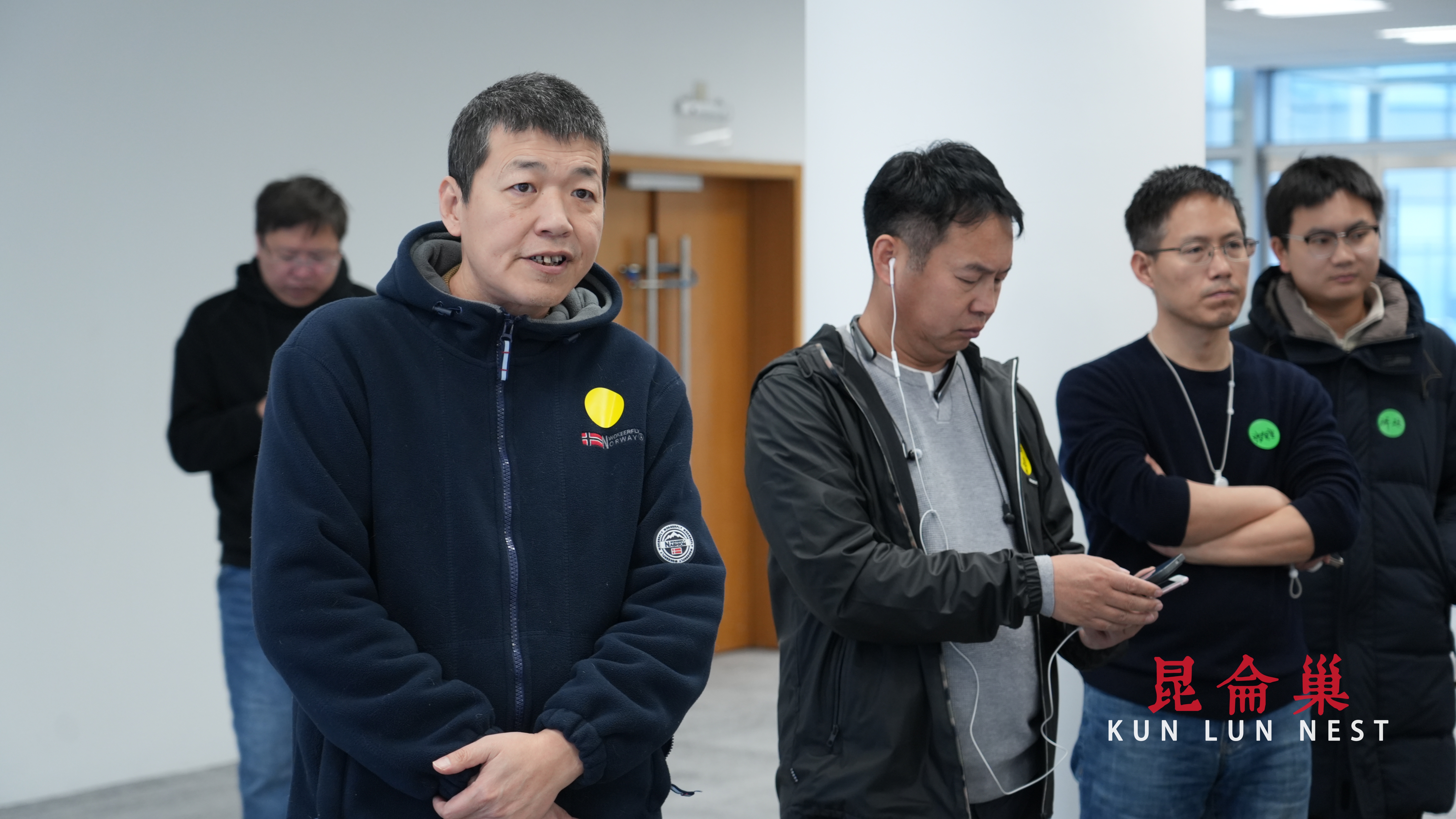
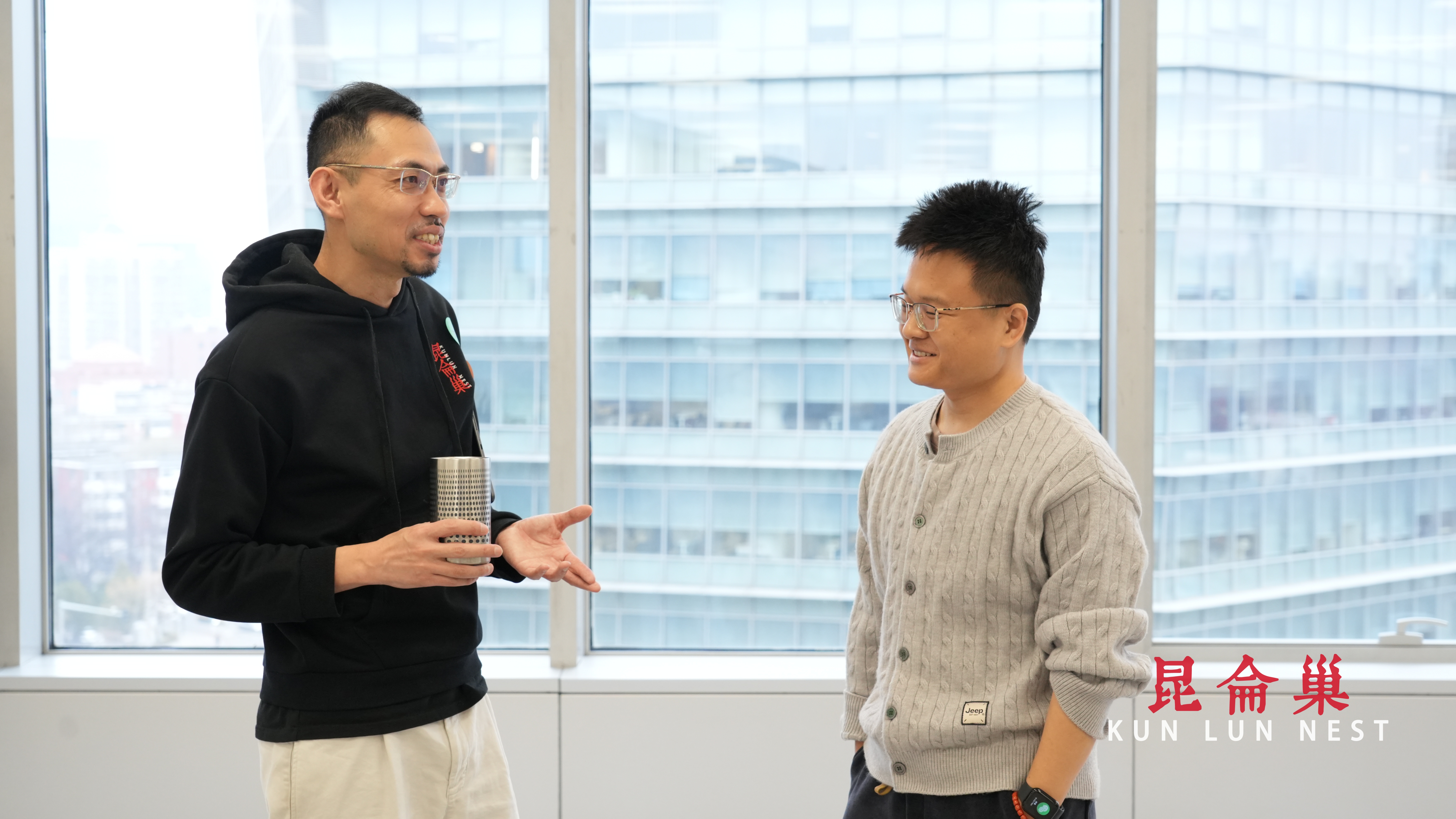
At 10 a.m., Bao Yueqiao, co-founder of Kunlun Nest and angel investor, stood in front of the crowd, microphone in hand. His voice wasn’t loud, but the room fell silent. “OpenClaw might just become a trend,” he said. “People who are creative and innovative with products will seize the opportunity, especially now that AI is already very capable of writing code. They may even grow rapidly. So, it will gradually replace many of the traditional methods we use today.”
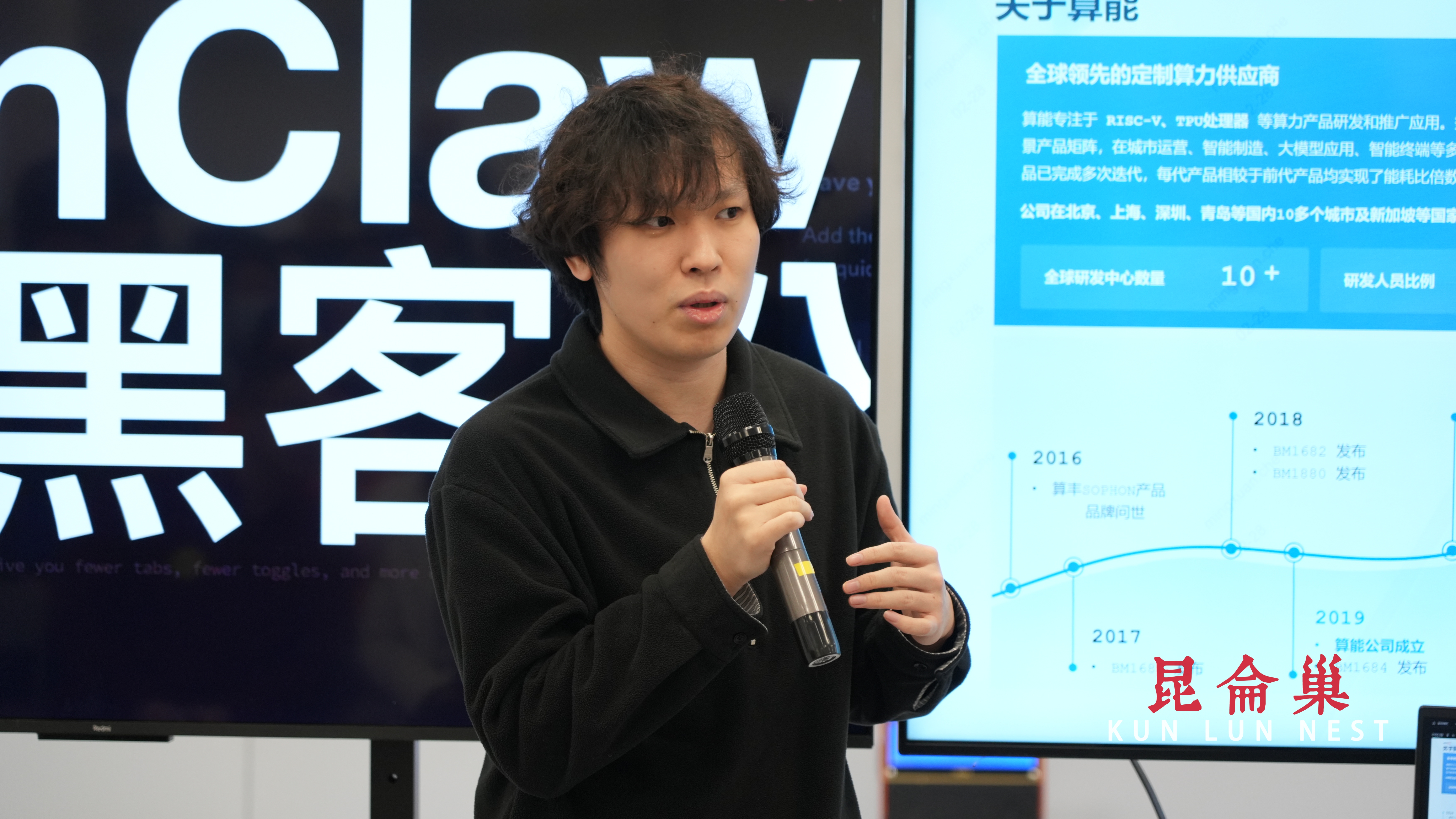
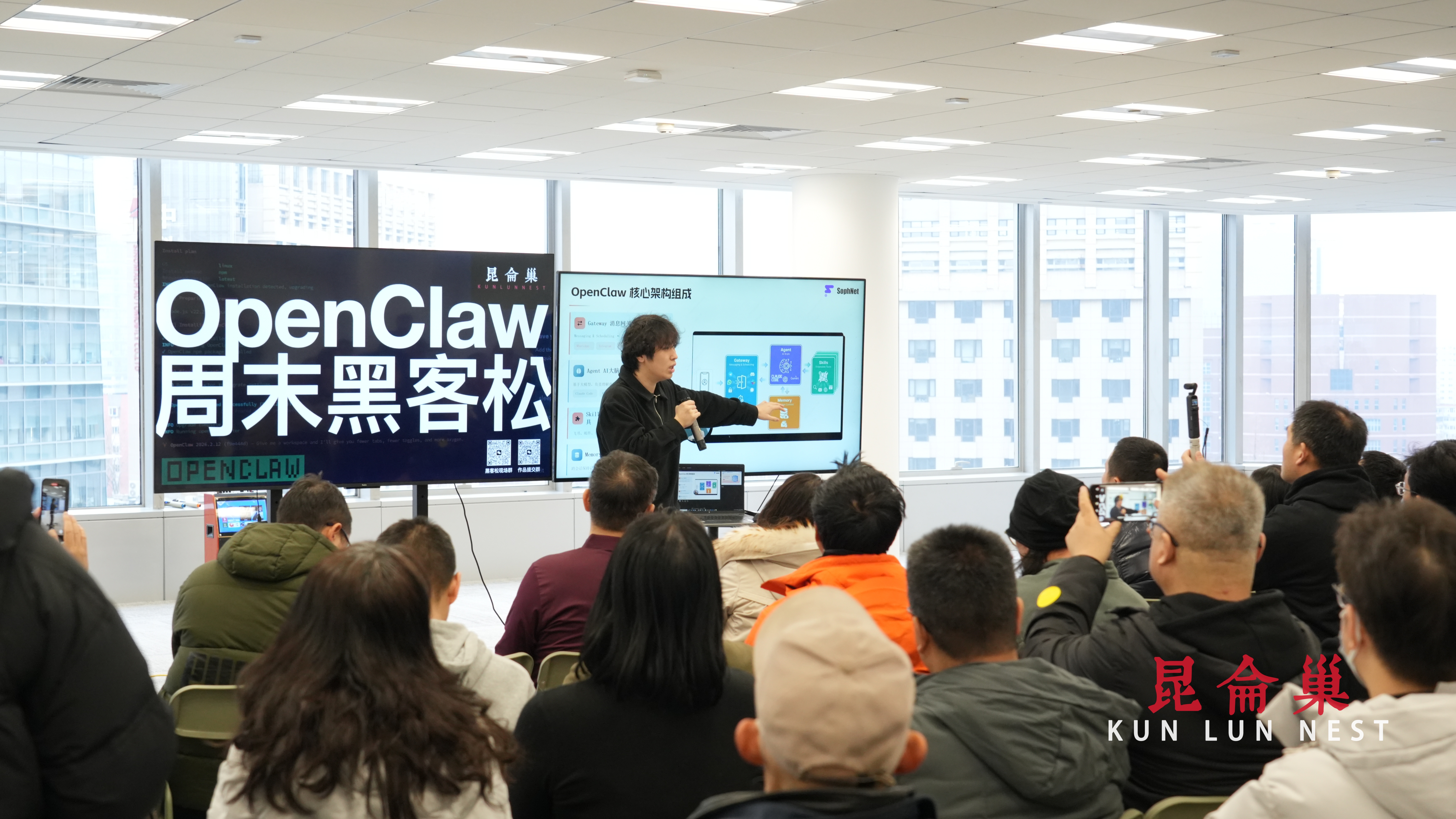
After Bao’s speech, the general manager of SophGo’s SophNet Cloud Platform took the stage.
He spoke plainly: as AI moves from “conversation” to “action,” the demands on computing power are changing. Before, you’d ask a question, get an answer, and that was it. But now, AI agents need to be online 24/7 and handle multiple tasks at once — the computing power has to be stable, fast, and affordable.
He emphasized that the technological innovations brought by agent architectures are driving a structural increase in demand for computing power. SophGo has launched SophClaw, a product built on the SophNet platform, designed to meet the computing needs of the agent era with domestically developed technology. It creates a fully self-developed tech chain — from chips to computing platforms to application scenarios — building practical experience and strengthening the competitiveness of China’s domestic AI ecosystem.
To accommodate beginners, the event also included hands-on sessions on OpenClaw deployment. At 2 p.m., Meng Bin, senior architect at PowerNode, gave a class. He guided participants through using PowerNode’s platform, GPUNexus, to run OpenClaw. The platform, which leverages distributed computing power scheduling, has already integrated over 30 mainstream open-source large models. Developers who integrated with OpenClaw were offered seven days of free computing power on-site, with access to models like GLM-5, MiniMax-M2.1, and Kimi-K2.5.
Some developers tested it out immediately and confirmed it worked smoothly. Meng Bin said the goal was to ensure that domestic developers never feel limited by computing power — and if they need help, they can always reach out.
So, what exactly is OpenClaw? In tech circles, it’s often called “Lobster.”
It’s an open-source AI agent framework that allows AI to take action on its own — writing code, searching for information, sending messages, managing schedules — all within a single conversation. Since last year, it has gone through two major iterations and earned 220,000 stars on GitHub.
But “Lobster” is also known for being controversial. Its code is open-source, it can run locally, and it gets things done — but its permission boundaries are vague, and security vulnerabilities have drawn criticism from experts. Still, that only makes it more appealing to developers who want to push boundaries.
The hackathon on February 28th drew exactly that kind of crowd.
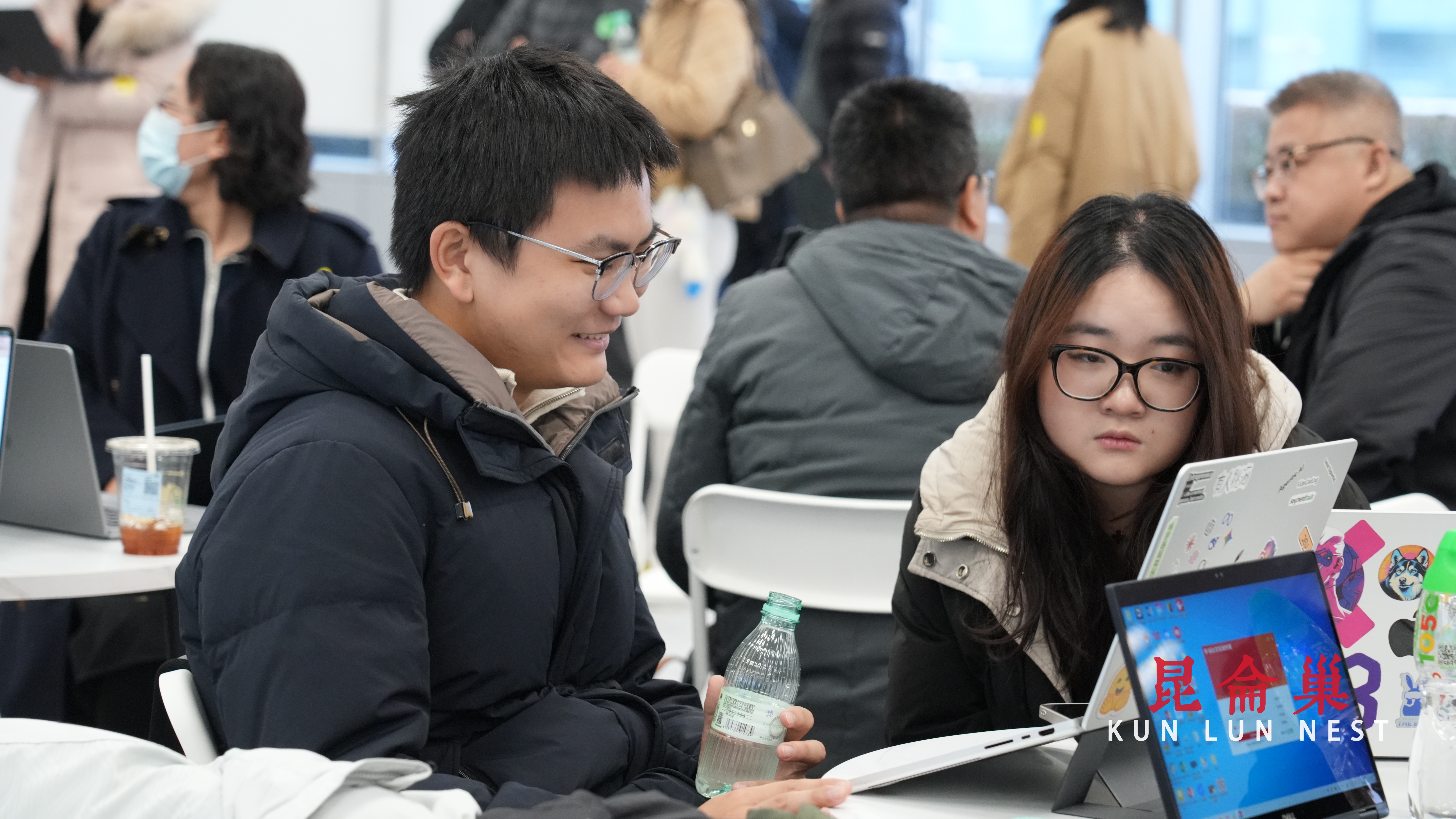
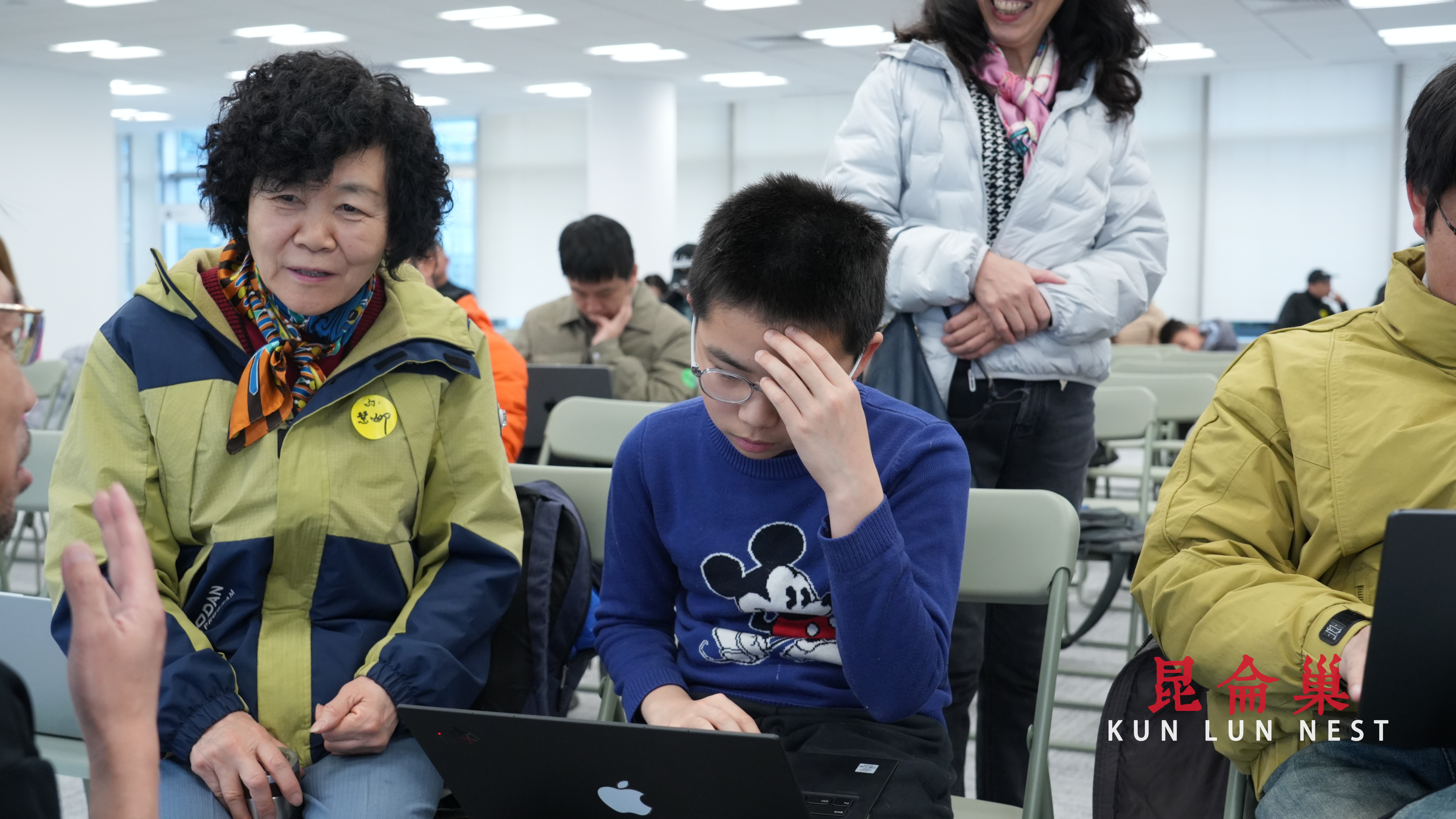
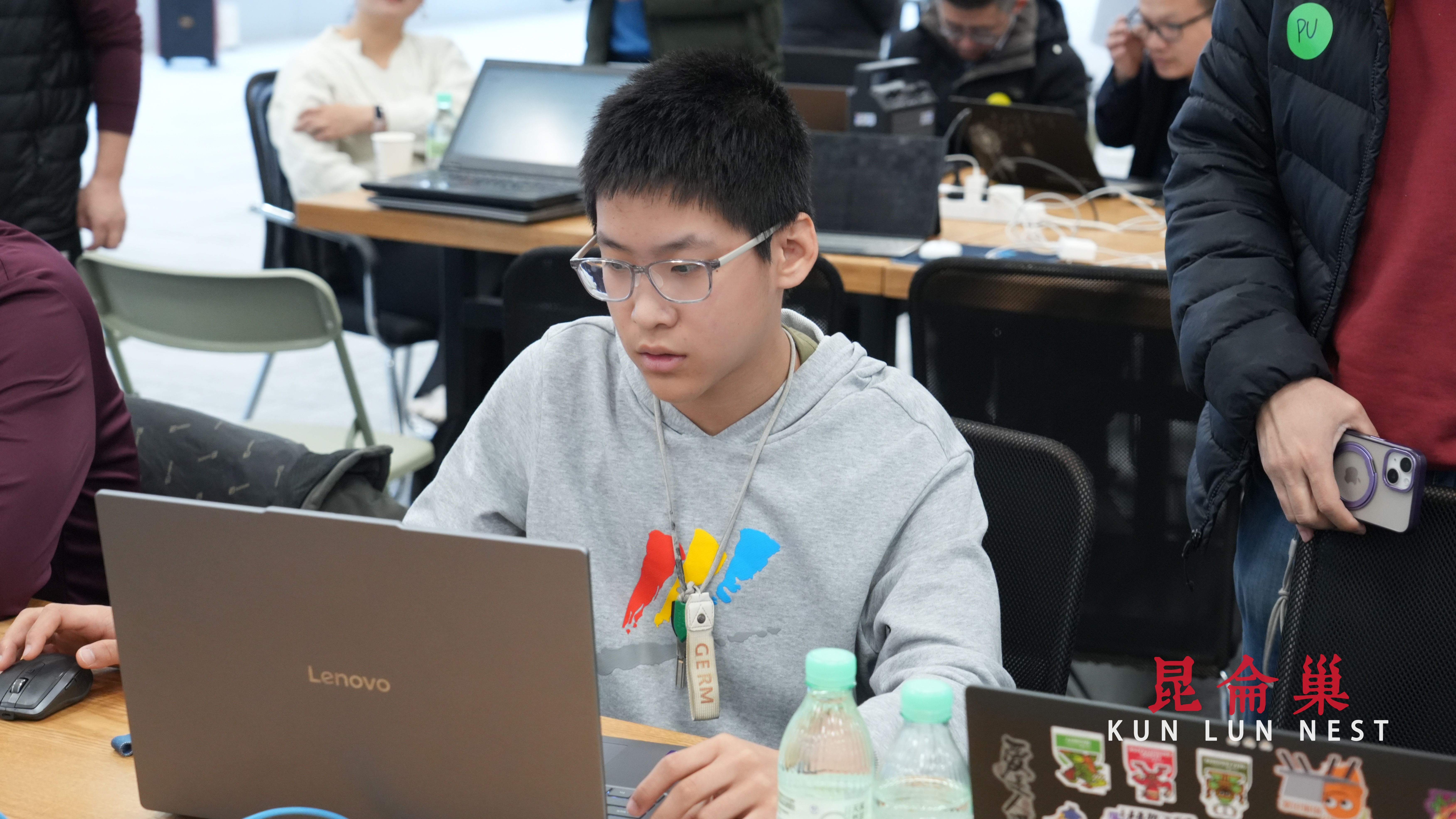
Among the participants were two special attendees: one in sixth grade, one in seventh. Once they got started, they were completely absorbed.
A group gathered around the younger boy, who was working on a clock assistant while sitting in the pitch area. He said, “I started using OpenClaw just a week after it came out. I don’t really need to understand programming — I just talk to it and let OpenClaw teach me how to deploy.”
At 5 p.m., the first day of the event came to a close, but the lights on the 9th floor stayed on. Many people continued working on their projects.
According to the organizers, several standout projects from the hackathon were already being followed up by the co-hosting companies. SophGo offered to help with chip-level adaptation and provide ongoing computing support for some projects. PowerNode also committed to long-term computing assistance for a few of them. And there was still another day to go.
As for the two kids, no one knows if they’ll grow up to be programmers. But at least on this Saturday, they sat on the 9th floor of Tower A, Raycom Information Center, working on the same open-source project alongside more than 200 adults.
Many participants witnessed the technical strength of domestic computing platforms and experienced the vibrant synergy of China’s AI industry chain. With the solid support of homegrown computing power, AI agents are accelerating their integration into everyday life, injecting new momentum into the development of a digital China.
This is the story of what happened at Raycom · Kunlun Nest.