3D Printing at the Winter Olympics: From Bobsleds to Pebbleheads, Technology Empowers the Snow and Ice Arena
The 2026 Milano Cortina Winter Olympics are underway, and 3D printing technology is quietly transforming the equipment landscape on snow and ice.
The "Printing" Revolution in Winter Sports
Just like at the Summer Olympics, 3D printing is playing a significant role at this year's Winter Games. The bobsled events are particularly noteworthy—not only steering components but even entire composite chassis can be 3D printed. Companies like BMW have helped optimize the shape and performance of bobsleds, the Chinese team 3D printed helmets for its athletes, and the U.S. Luge team collaborated with Stratasys. Equipment such as skate blades and ski bindings are also achieving lightweighting and personalization through 3D printing.
The U.S. team is partnering with CRP this year to manufacture bobsled components, where carbon fiber processes and metal weight-reduction parts will be key to improving performance. NASCAR is creating life-sized 3D printed replicas of athletes for wind tunnel testing, with Honda and Totalsim assisting in analysis, and Stratasys printers being used to produce equipment models for testing.
The Most Unexpected Winner: 3D Printed "Pebbleheads"
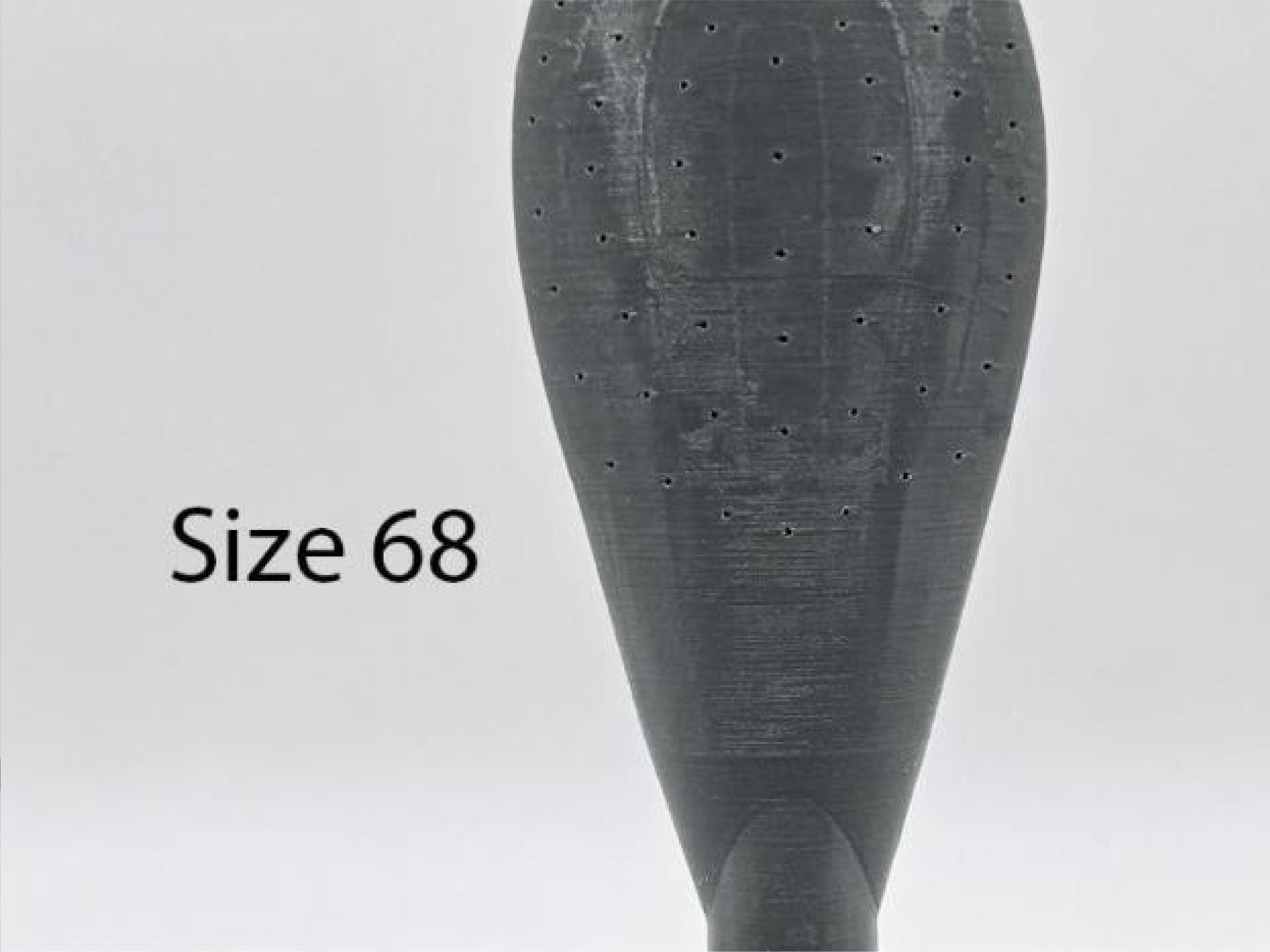
The most intriguing 3D printing application at these Winter Olympics is undoubtedly the "Pebbleheads." In curling, officials spray water droplets onto the ice surface to increase difficulty and simulate natural ice conditions. Traditional copper sprinklers are heavy and inefficient. A Canadian company has developed a 3D printed ice droplet spreader made from an ABS blend, weighing only 35 grams—lighter than its copper predecessor and delivering droplets more uniformly. Treated with Diamant, a gas and watertight sealant, it can spread droplets in a precise pattern. The company has sold 21 sets of these $600 CAD devices to the Olympics.
The inventor, who has run a 3D printing shop for 13 years, leveraged his deep understanding of curling and professional connections to develop this niche market hit using desktop printers. This case demonstrates that desktop 3D printing combined with CAD design can enable low-cost, rapid innovation, creating products that are both functional and profitable.
Champion cyclist Tadej Pogačar also has small desktop 3D printed components on his bicycle, custom-tailored to adjust his controls and balance. More athletes should pay attention to such micro-innovations, letting 3D printing help them achieve faster, higher, and stronger performances.