Home  >  News

July 16, 2026      News      9916

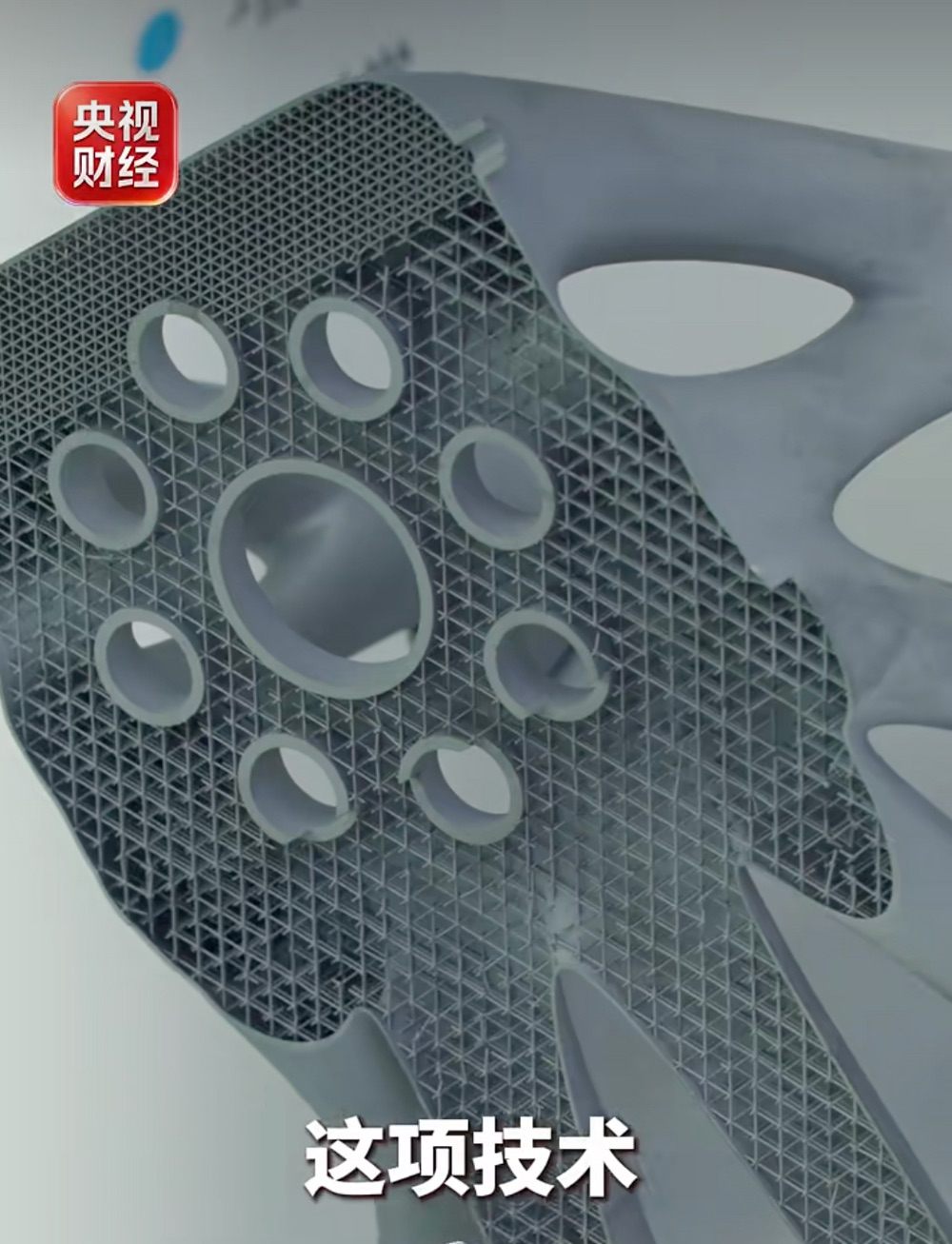
On July 12, China Central Television’s finance channel aired a special report focusing on rocket thrust chamber nozzles – components packed with internal “capillaries” that are neither cut nor cast, but built layer by layer through 3D printing.

In the workshop, a recoater blade spreads a thin layer of stainless steel powder, and a laser traces the digital model, melting and solidifying the powder instantly. The build platform lowers slightly, another layer of powder is spread, and the laser scans again – cycle after cycle, until a complex nozzle quietly takes shape within the powder bed. This is one of the largest engine components in China’s commercial aerospace sector to be integrally formed via 3D printing. The cooling channels inside the nozzle wall are as fine as 1 millimeter in diameter, resembling human capillaries. Technicians note that even the slightest deformation in these channels would cause the spacecraft to fail within ten seconds of flight.
In the past, such parts had to be manufactured in separate sections and then assembled, with production lead times often stretching to months. Every weld and every screw was a potential weak point. 3D printing brings three major improvements: first, precision – millimeter-scale cooling channels are formed in one go, eliminating welding and assembly. As long as you can draw it on a computer, the printer can build it, and each engine can be custom-designed. Second, material efficiency – the process uses powder only where needed, with virtually no waste. For expensive materials like titanium alloys, the utilization rate consistently exceeds 90%. Third, reliability – a single-piece structure has no welds or joints, making it stronger and less prone to failure.
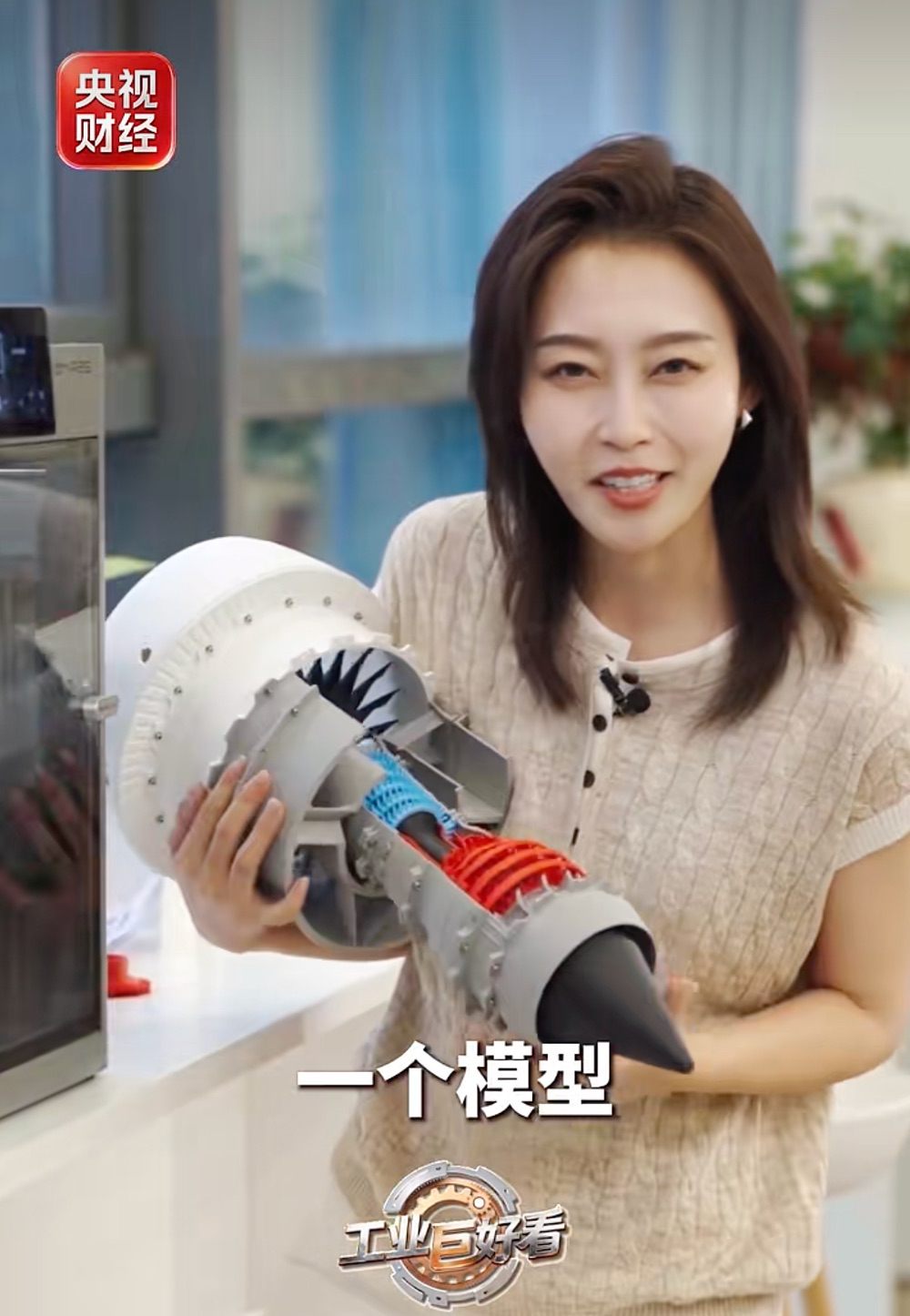
Today, this technology has moved far beyond aerospace. It is being adopted in healthcare, new-energy vehicles, semiconductors, consumer electronics, and even construction. In the first year of China’s 15th Five-Year Plan, 3D printing has become one of the fastest-growing segments in advanced manufacturing. As the report points out, in certain specialized scenarios, it is evolving from an “alternative solution” to the “only solution.”


©2025 3dptimes.com All Rights Reserved