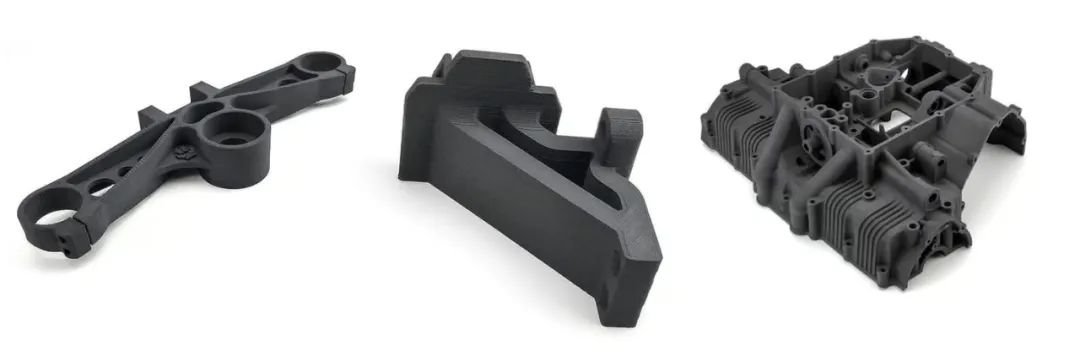
Technical Advantages of 3D Printed Carbon Fiber
High Strength & Lightweight: Carbon fiber offers 2-3 times the strength of aluminum with only half to one-third the density, enabling "weight reduction without performance loss."
High Design Freedom: Complex geometries can be printed directly, avoiding the mold limitations of traditional processes.
Rapid Customized Production: Shortens R&D cycles, reduces production costs, and meets low-volume, personalized demands.
The applications of carbon fiber in 3D printing are extensive and promising, spanning several key areas:
1. Aerospace
Lightweight Structures: Components like UAV arms and satellite brackets leverage continuous carbon fiber 3D printing to combine high strength with low density, significantly reducing weight and enhancing performance. For example, a team from Tongji University successfully demonstrated this potential with the test flight of their "Tong Fei No.1" drone, manufactured using continuous carbon fiber 3D printing.
Complex Geometries: Enables direct printing of intricate structures like honeycombs and bio-inspired topologies, which are difficult with traditional methods, improving material utilization and design freedom.
2. Automotive Manufacturing
Functional Components: Parts like engine bay components and turbo assemblies utilize the high-temperature and corrosion resistance of carbon fiber composites to withstand demanding environments.
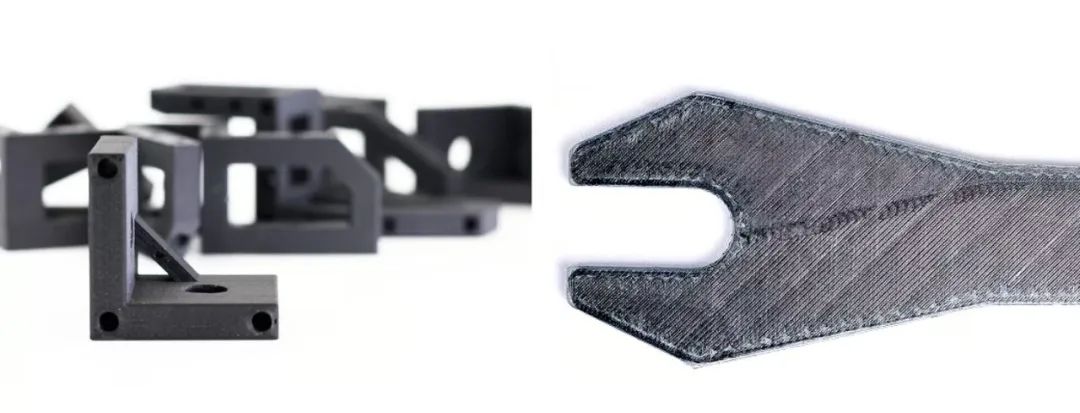
Customized Jigs & Fixtures: Rapidly produces custom welding jigs, bending molds, etc., increasing production efficiency and precision while reducing costs.
3. Industrial Manufacturing
Robotic End-Effectors: The lightweight nature of carbon fiber composites reduces robotic arm load, increasing payload capacity, speed, and operational lifespan. For instance, 3D printed carbon fiber end-effectors contribute to more efficient automation.
Inspection Tools & Gauges: High stiffness allows for custom inspection tools, ensuring measurement accuracy and reliability for quality control in manufacturing and assembly.
4. Humanoid Robots
High-Performance Prototyping: Enables rapid design iteration and shorter product development cycles. Companies like Fourier Intelligence utilize 3D printed high-performance materials, including carbon fiber, for robot parts, balancing lightweight and high-strength requirements.
5. Consumer Electronics
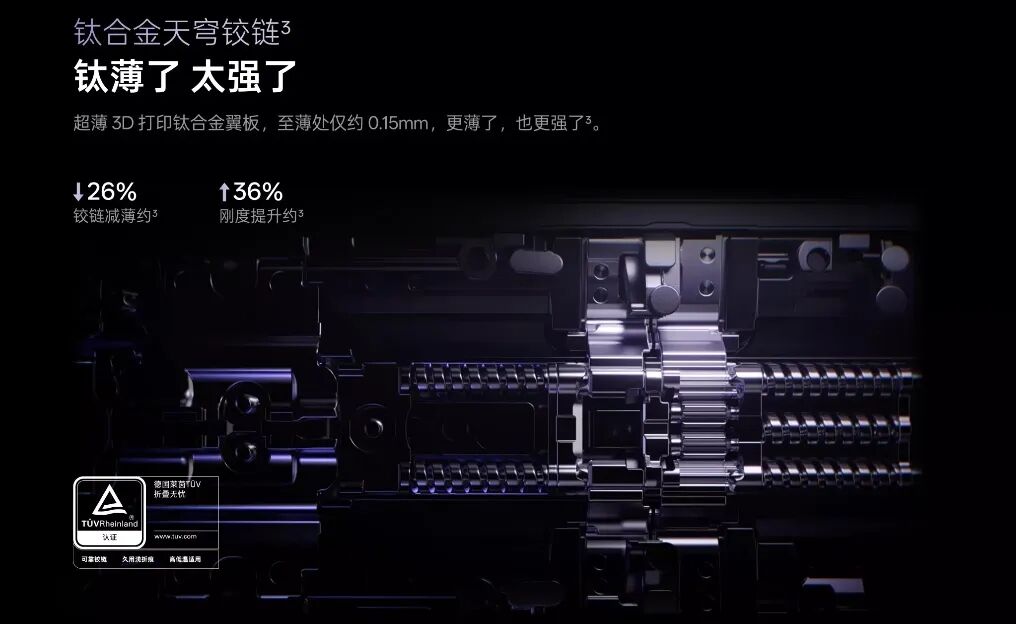
The lightweight and high-strength properties are crucial for electronics. 3D printed carbon fiber can be used for device housings, brackets, etc., offering not only light weight but also excellent impact resistance and durability, enhancing product lifespan and user experience. Examples include housings for phones, tablets, and laptops, enabling both lightweighting and personalized designs.
6. Sports & Leisure Goods
This technology manufactures high-performance equipment like bicycle frames, skis, tennis rackets, and fishing rods. These products are not only lightweight but also possess high strength and elasticity, improving athlete performance and user experience. 3D printing facilitates customization to meet individual athlete needs, driving market diversification and premiumization. Patents in this area protect innovation and foster market growth.
Current Challenges & Development Directions for 3D Printed Carbon Fiber:
Material Cost & Print Speed: High-performance carbon fiber materials remain expensive, and printing speeds need further improvement.
Process Optimization: Addressing challenges like interlayer bonding strength and ensuring uniform fiber distribution to enhance part reliability.
Cross-Sector Application Expansion: Exploring uses in medical, construction, and other fields to drive diversified development.
In 3D printing, carbon fiber acts as an additive to base plastics. Fiber-reinforced composite 3D printing shows vast potential across industries due to its unique advantages. Concurrently, numerous Chinese companies (e.g., Raise3D, INTAMSYS, EASYMAKE, XTATG, Anaiso, JGA) have made significant progress in developing carbon fiber 3D printing equipment and materials. Innovations like high-speed printing, encapsulated core technology, short fiber and pellet-reinforced materials, and continuous fiber printing processes are continually expanding the application boundaries of 3D printing in high-performance industrial part manufacturing. This provides robust technical support and solutions for the digital transformation of manufacturing.