Chunchao Technology addresses the critical post-processing stage of 3D printing. In 3C product manufacturing, the quality of surface treatment directly affects the final product's quality and yield rate, making breakthroughs in this area crucial.
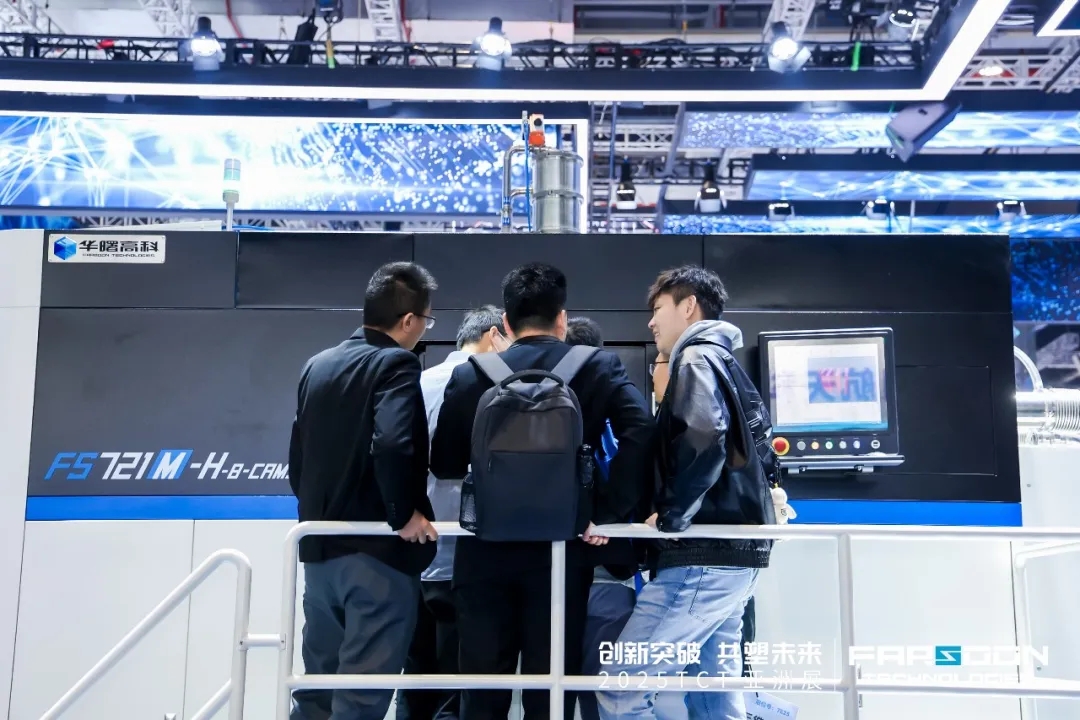
The three parties have established a clear division of labor and collaboration model: Farsoon is responsible for upstream equipment supply and R&D from 0 to 1, including prototyping; Huichuangda handles mass production delivery from 1 to 100 and cost control; Chunchao Technology focuses on the post-processing stage. This model possesses the rare capability of providing a "full-chain, full-process" solution in the market.
2026: The First Year of Large-Scale Application for 3D Printing
It is widely expected within the industry that 2026 will be a critical turning point for the large-scale application of 3D printing technology across multiple sectors.
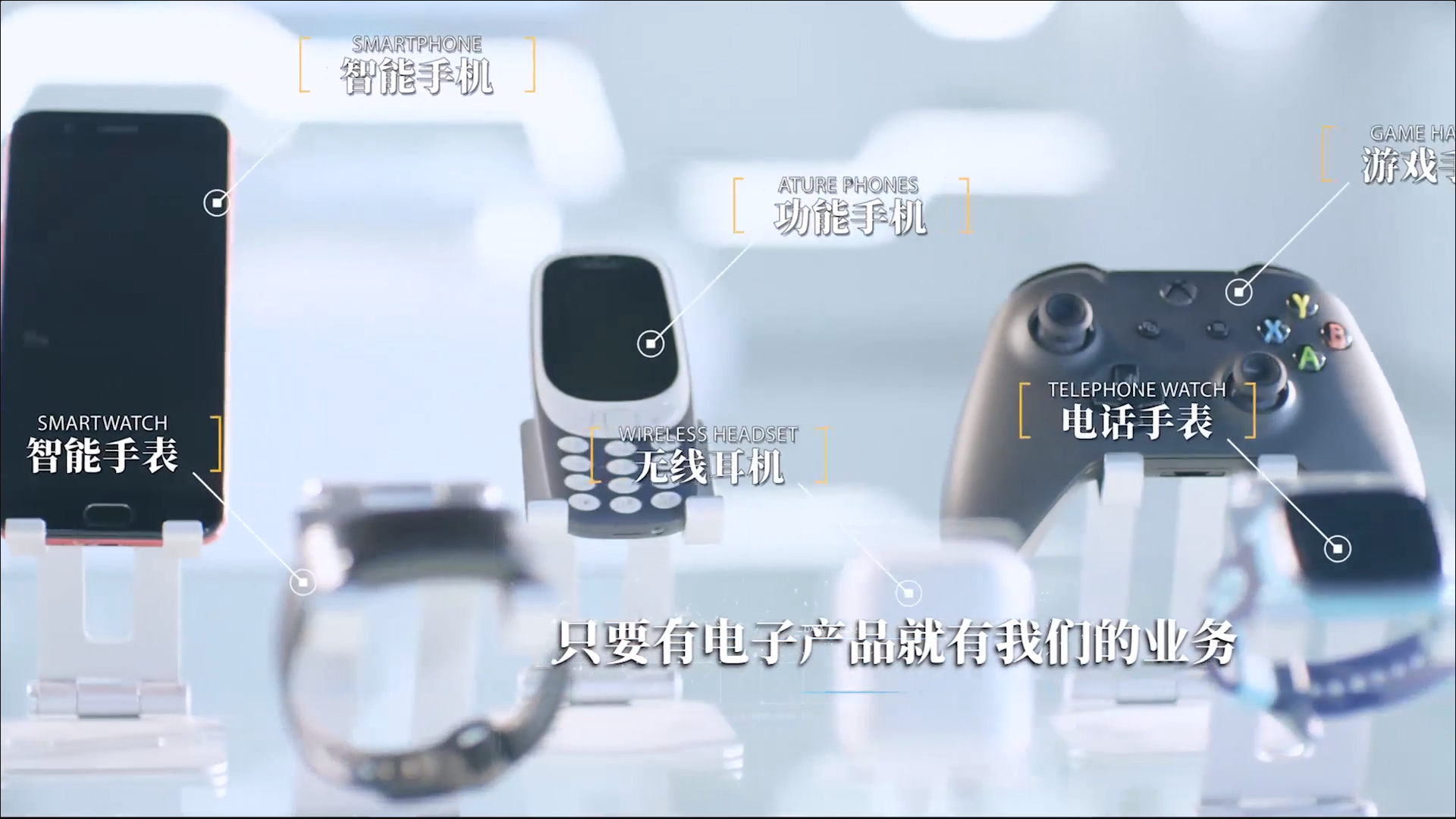
First, the consumer electronics sector is poised for a breakthrough. The smartwatch industry has already taken the lead. Apple, Huawei, and OPPO have adopted 3D printing technology for components such as watch bands and cases, entering the small-batch production stage. It is anticipated that mass production could be achieved by 2026.
Additionally, interest within the mobile phone industry has surged dramatically. Huawei, Honor, and Xiaomi have all established dedicated departments for 3D printing, while OPPO and Vivo are closely monitoring technological advancements. Particularly in the foldable phone sector, the complexity of hinge structures gives 3D printing technology advantages that traditional processes find difficult to match.
Second, AI and robotics are creating new demand. The explosive growth in AI computing power has brought unprecedented cooling challenges. Companies like Nvidia and Huawei's Ascend are actively exploring the application of 3D printing in liquid cooling solutions, with small-batch products expected to emerge in 2026. Once technical validation is completed in this area, demand will be substantial.
In the robotics sector, Tesla has adopted domestic 3D printing solutions, and the torso of a robot showcased by Xpeng also utilizes 3D printing technology. Additive manufacturing can address the pain points of "diversified, small-batch" production for humanoid robots, significantly improving production efficiency and reducing development costs.
In the commercial aerospace sector, weight equals cost, and performance equals competitiveness. Companies like SpaceX, LandSpace, and CAS Space have widely adopted additive design solutions. Using 3D printing for integrated molding to reduce the weight of rocket engines and satellite structural components can significantly enhance a rocket's payload capacity.
Industry analysts point out that adopting additive manufacturing could dramatically increase the number of satellites carried per launch from 10 to 30-50, achieving a qualitative leap in commercial benefits. Demand in this market is expected to multiply in 2026.
Traditional manufacturing is also accelerating its penetration. Transformation in the mold-making industry is already underway. Guangdong has formed a complete industrial chain for 3D printed shoe molds, and the penetration rate in e-cigarette molds is also relatively high. With the promotion of integrated die-casting technology, demand for large, complex molds has surged. The cost and time advantages demonstrated by 3D printing in this field are expected to drive breakthrough industry progress in 2026.
Capacity and Technology: Preparing for Mass Production
In anticipation of the upcoming market demand, Huichuangda has proactively planned its production capacity.
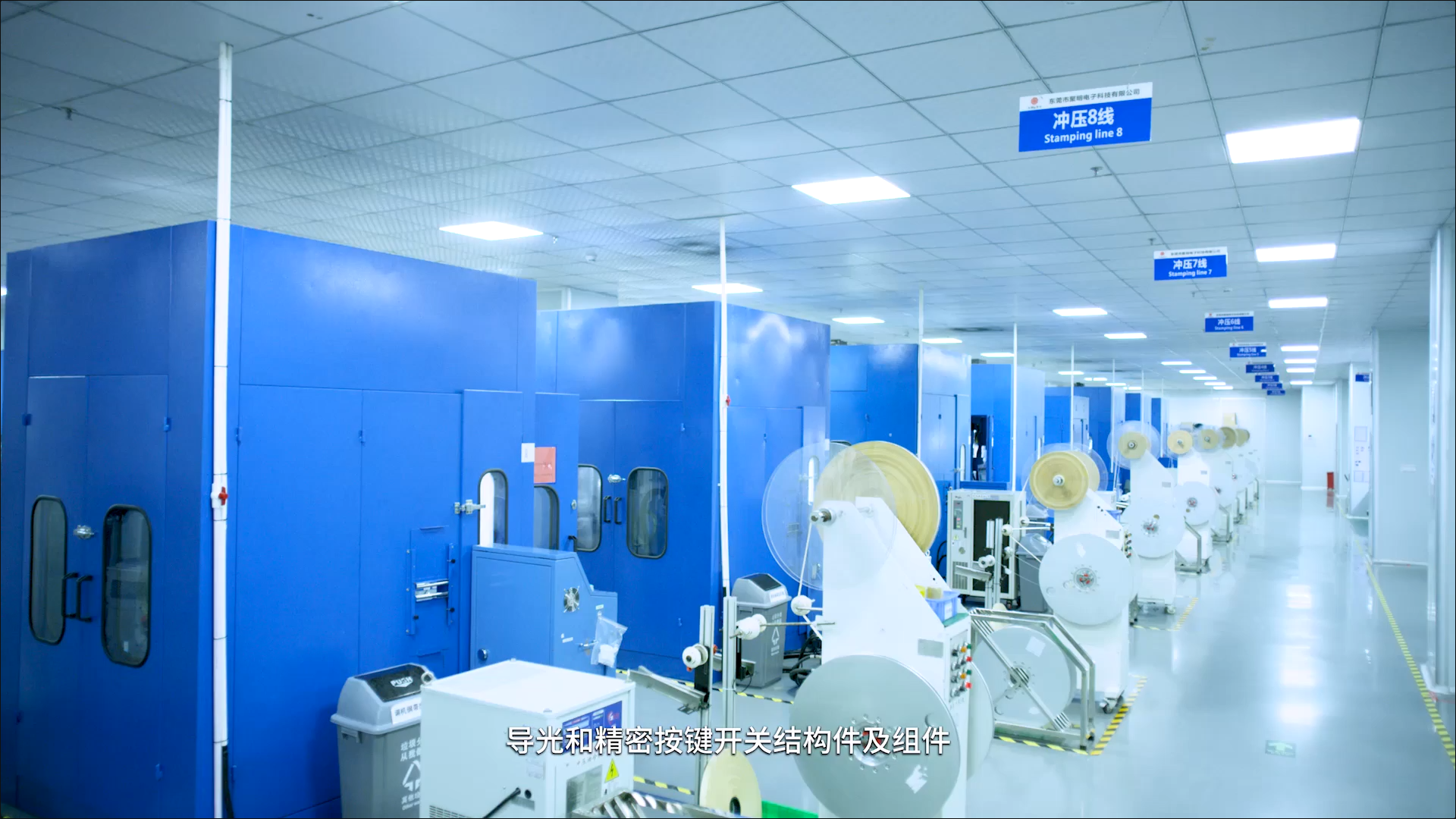
The company has established a full industrial chain production line at its Dongguan production base. Some of these lines have been laid out in advance and are already operational, with related orders now being delivered in an orderly manner from this location. The production workshops are strictly built to meet the audit standards of high-end customers, fully complying with professional requirements such as explosion-proof ratings and environmental treatment.
The company's plan is clear: the Dongguan factory can support a total layout of 60 production lines; the 156-acre industrial land reserved in Zhuhai has environmental treatment capacity reaching 3,300 tons per day, laying a solid foundation for future large-scale expansion.
If mobile phone mid-frame projects fully adopt 3D printing technology, 6,000 to 8,000 specialized devices will be needed globally, representing an extremely vast market space. The joint venture company is poised to receive transferred orders from Farsoon and participate in this historic opportunity.
Technologically, 3D printed components exhibit 30% higher performance compared to traditional MIM (Metal Injection Molding) parts (MIM parts only achieve 70% of the performance of 3D printed ones) and can realize complex integrated structures impossible with traditional processes. With the advancement of domestic substitution, the cost of components like lasers has significantly decreased compared to imported products. The integrated full-chain production model can further avoid efficiency losses inherent in traditional "relay-baton" style production.
Traditional Business: Solidifying the Foundation and Hidden Champion Position
While expanding into emerging fields, Huichuangda's traditional business continues to maintain its competitive advantage.
The company is one of only three globally capable of mass-producing side key switches for mobile phones, breaking a 40-year monopoly held by Japanese companies. Although its current market share is below 10%, its second-generation product boasts clear advantages in thickness (reduced by 40%), lifespan (doubled), and cost (lowered by 35%-40%).
The second-generation product covers over 50 patents, requires no SMT soldering, offers better water resistance, and can still maintain a high gross margin of 40%-60%. In 2026, the product will be sampled to customers like ZTE, Transsion, Lenovo, and Vivo, with the potential to gradually increase market share.
This traditional business, with an annual market size of approximately 3 to 8 billion RMB, not only contributes stable cash flow but also provides strong support for the development of the 3D printing business through its accumulated precision manufacturing experience and profound understanding of the consumer electronics industry.
3D Printing Business to Transition from Investment Phase to Harvest Phase
The current market valuation of Huichuangda does not yet fully reflect its strategic layout and potential in the 3D printing sector.
The consumer electronics base provides a safety margin for valuation, while the 3D printing business opens up long-term growth space. The company is transforming from a traditional electronic component supplier into an advanced manufacturing platform with full-chain service capabilities.
As demand from multiple application areas gradually materializes in 2026 and the company's capacity construction continues to advance, the 3D printing business will transition from the investment phase to the harvest phase. Driven by technology, capital, and market forces, the company is poised for a potential value re-rating.
Every major transformation in manufacturing is accompanied by the application of new technologies and the formation of new patterns. 3D printing technology stands at the threshold of industrial explosion, and through forward-thinking strategic planning, Huichuangda has secured a favorable position in this transformation.
Through its deep alliance with Farsoon High-Tech and Chunchao Technology, the company has built full-chain capabilities from equipment to application. This not only opens new growth avenues for its own development but also explores a practical path for the development of China's 3D printing industry.
Amidst multiple opportunities arising from consumer electronics upgrades, AI computing power explosion, commercial aerospace rise, and manufacturing transformation, Huichuangda's blueprint for its 3D printing business is gradually becoming a reality. The company has the potential to create long-term value for investors while leading industrial change and contributing innovative power to the transformation and upgrading of China's manufacturing sector.