Home  >  News

October 22, 2026      News      9593

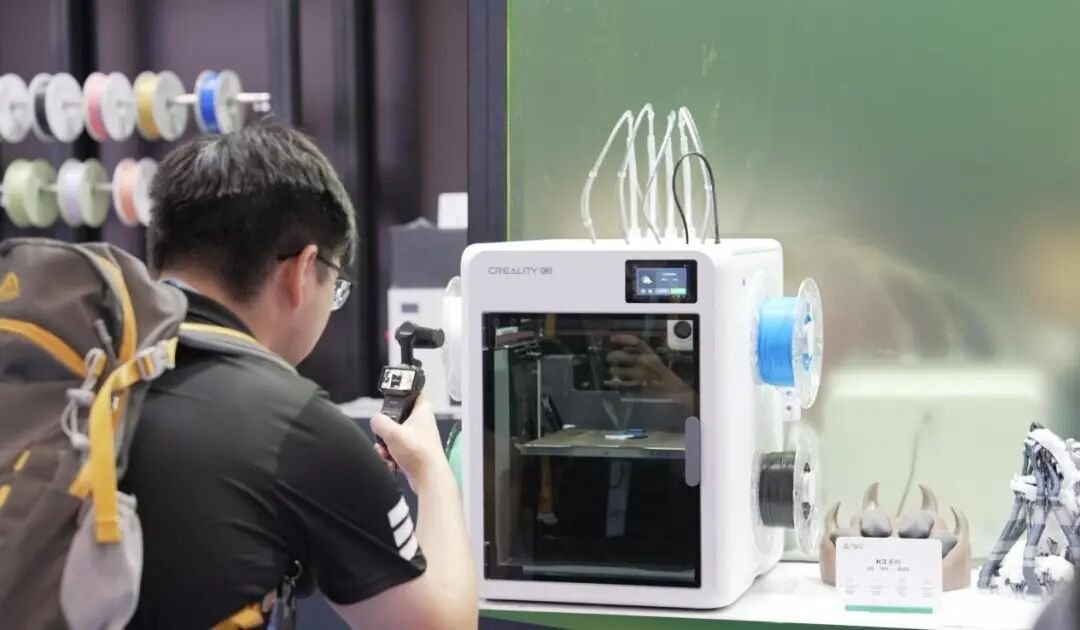
The 2026 TCT Shenzhen show opened today, with Creality presenting a multi-category product lineup and end-use applications under its "AI + Ecosystem" strategy at Booth E50, Hall 15.

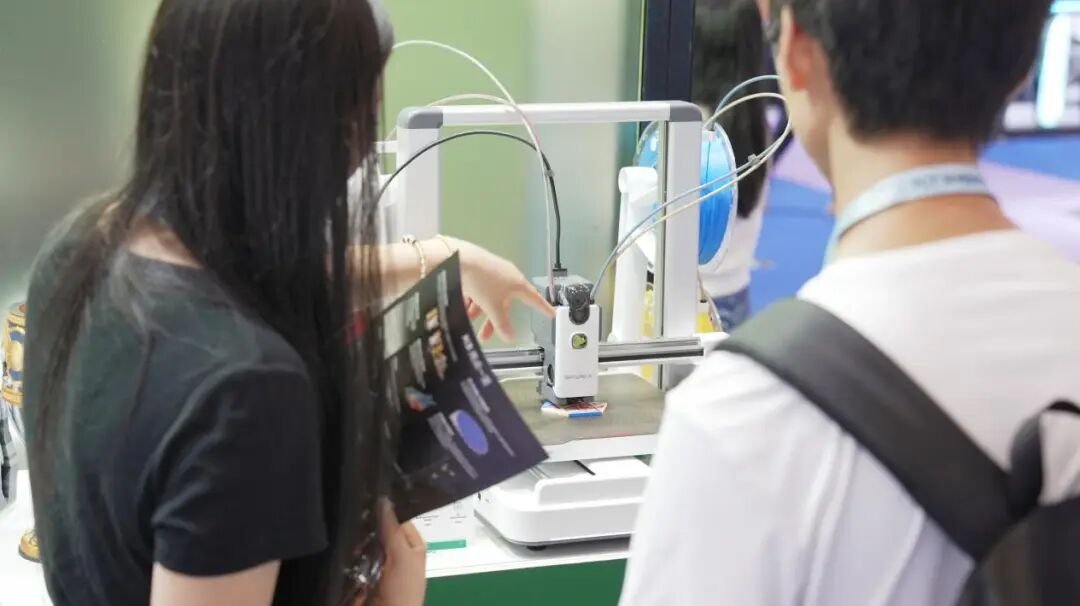
Two paths to multicolor printing. The flagship K3 features Creality's in-house KliTek™ multi-nozzle technology, using four independent hotends and feed channels that switch to print different colors or materials, cutting color-change waiting time and purge waste. It ships with four 0.4mm nozzles, with 0.2mm, 0.6mm and 0.8mm accessory kits to follow, enabling multi-diameter cooperative printing—small nozzles handle fine details while large nozzles take on infill. The S-Drive™ dual-drive feed system improves reliability with flexible filaments, supporting TPU 95 out of the box and expanding to 85A and 90A with a TPU kit. The SPARKX i8 takes a different route: its QuarTeks™ four-channel extrusion system integrates four melt channels into a single printhead, so color changes happen inside the toolhead in under one second. The shared section of the four filament paths is shortened to less than 1mm, structurally reducing color residue; combined with slicing algorithms, this achieves zero external waste and eliminates the need for a purge tower.
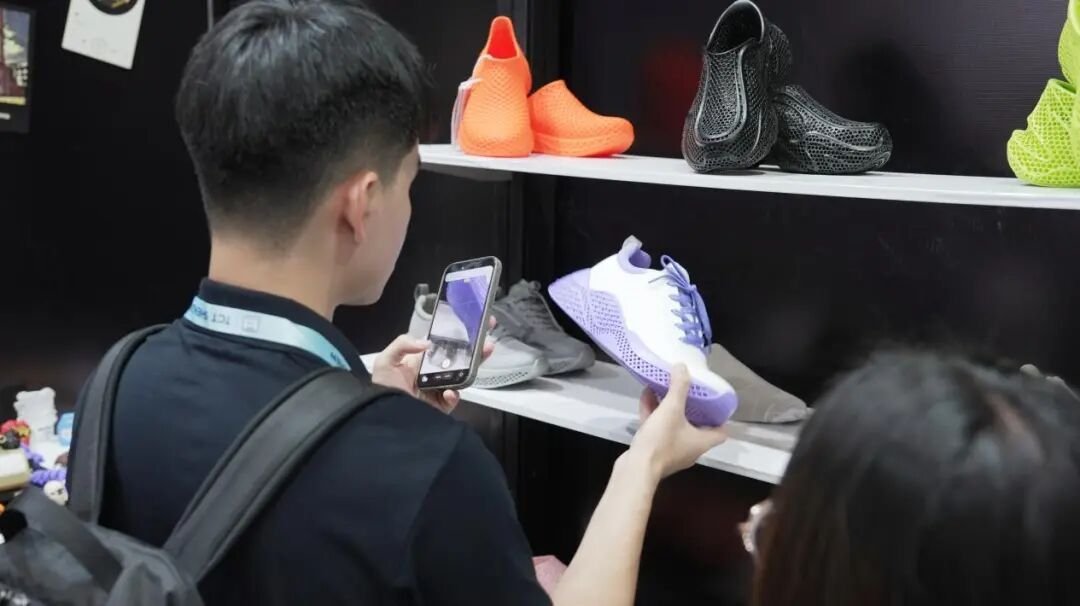
Multiple product categories on display. The resin-based HALOT-X1 Max uses a four-screw, four-linear-rail motion architecture, a 40°C actively heated chamber and a 16K resolution screen, with a build volume of 302.4 × 161.98 × 350mm. It includes an AI camera, residual-material detection and air purification, and pairs with a 5L automatic feeding system for continuous production. On the scanning side, the Pika focuses on portable wireless mobile scanning, while the Sermoon P1S and X1 target professional precision and continuous operation. The laser engraving line spans home DIY to commercial customization: the Falcon A1C offers three interchangeable modules—5W and 10W blue light and 1.2W infrared—with autofocus and a smart lifting platform; the flagship Falcon T1 carries five expandable laser modules and handles glass internal engraving, metal color marking, 3D relief and curved-surface engraving. The M1 & R1 desktop filament generation and recycling system links shredding and drying, extrusion regeneration and reprinting. The booth also features end-use applications such as 3D-printed fashion footwear.
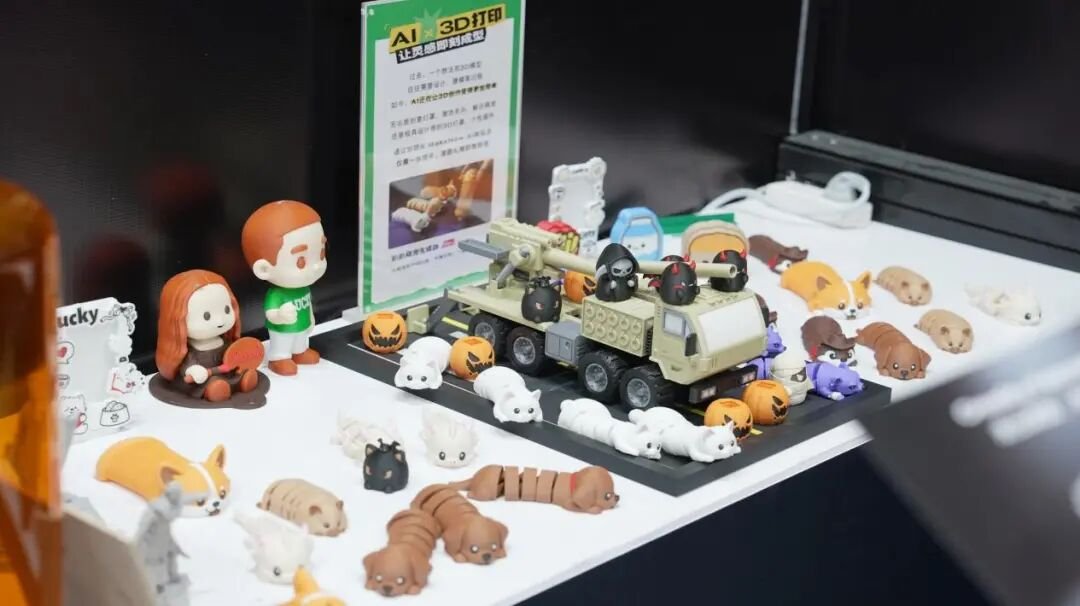
AI lowers the barrier to creation. Creality Cloud connects the chain from "upload an image or enter an idea—automatically generate a 3D model—cloud slicing—one-click printing," while advancing image understanding, image-to-3D, automatic model repair and printability optimization. On the scanning side, CrealityScan software supports AI re-texturing and AI hole-filling; the engraving software integrates AI contour tracing, smart cutout, smart fill and AI filters, with one-click APP engraving and remote monitoring. On the hardware side, Creality has developed in-house AI print-defect recognition, building a "data—algorithm—validation—iteration" loop through AIForge; it now covers five typical defect scenarios including spaghetti, foreign objects and blob/printhead encasement, and has been deployed on mass-production models. As of June 2026, usage of related AI applications was up 85.6% from January 2026; in the first half of the year, Creality Cloud added 77.1% more registered users year-on-year, active creators grew 94.3%, and newly published public models rose 137.6%.


©2026 3dptimes.com All Rights Reserved