Home  >  News

October 12, 2026      News      9287

Aokang stated that in the future it will collaborate with upstream and downstream partners across the industry chain to continuously advance the commercialization of 3D-printed shoes.

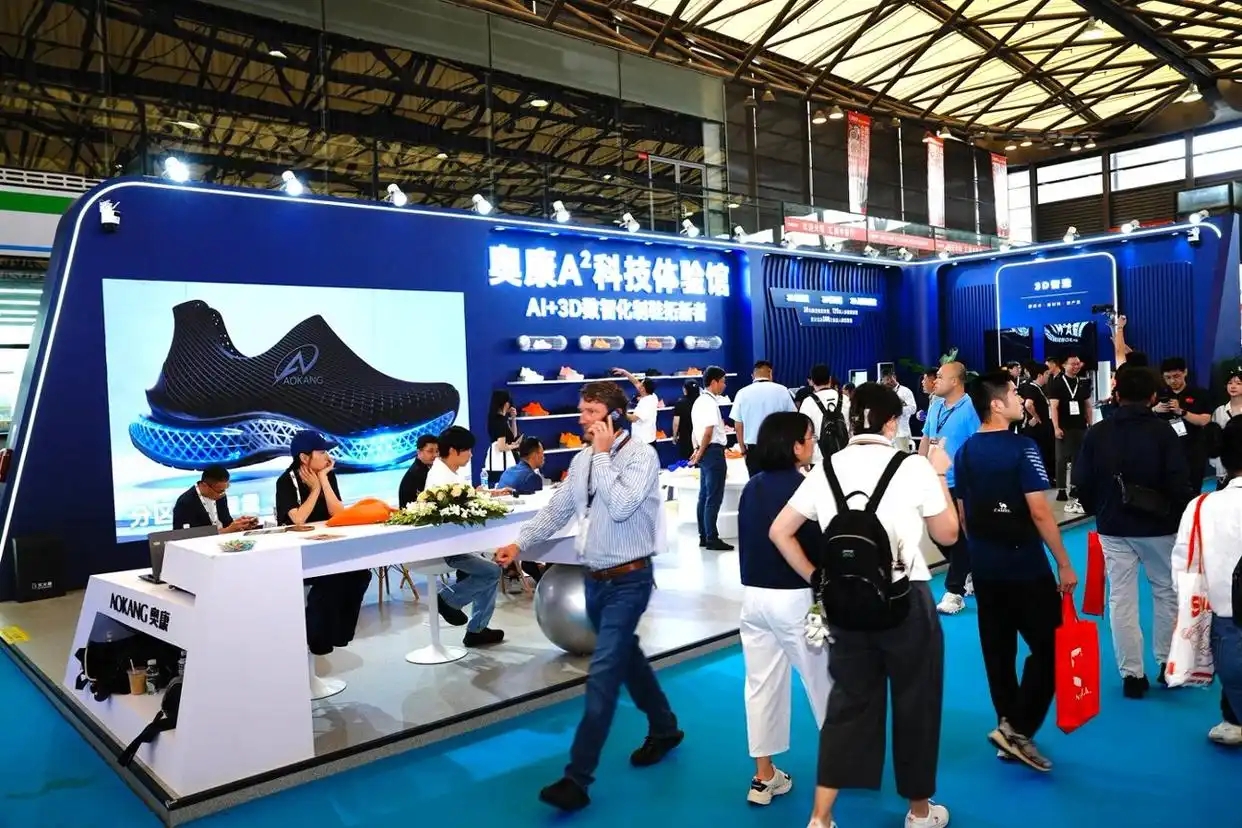
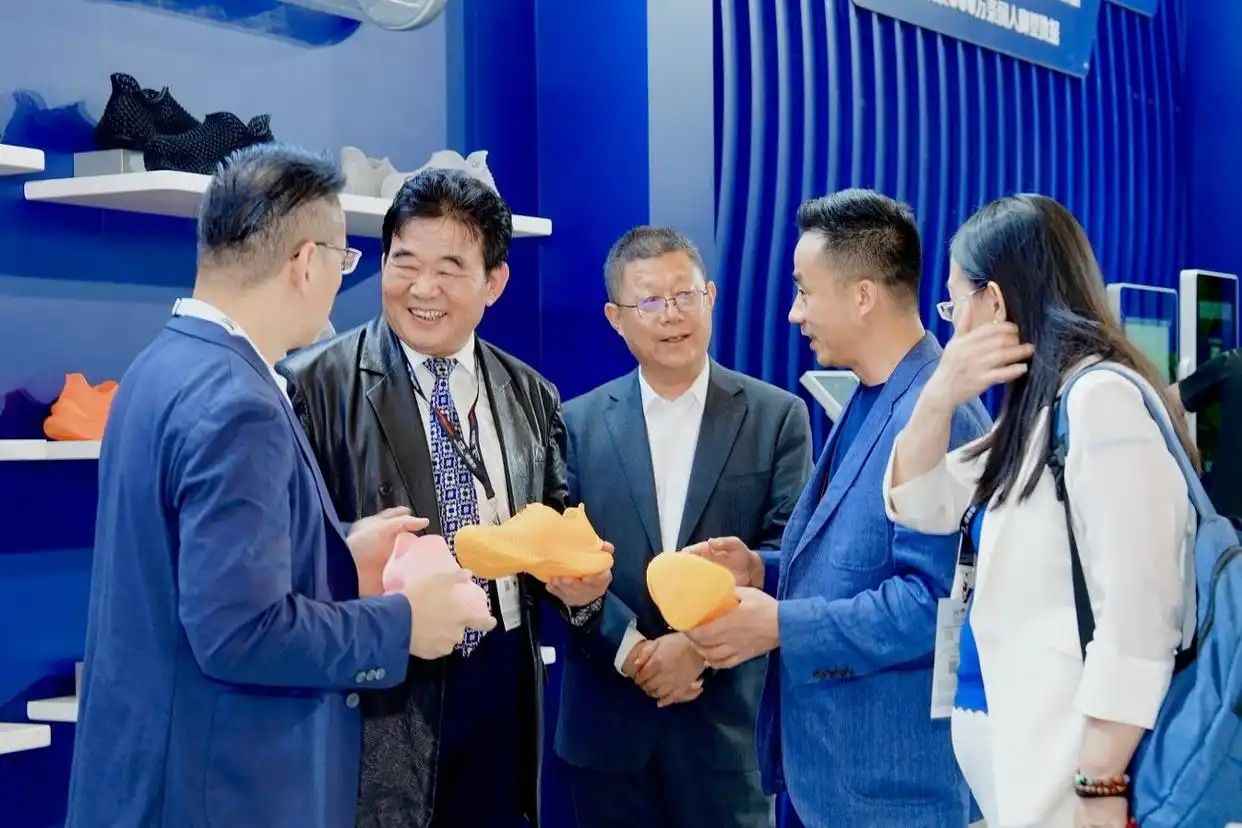
In September 2026, at the Shanghai International Footwear, Bags & Accessories Fashion Exhibition, Aokang made its debut with a "three-firsts" showcase: introducing for the first time the national standard GB/T 46394-2025 "Specification for Personalized Footwear Customization Services" that it led the drafting of, launching for the first time its 3D-printed A² Technology Series, and creating for the first time the A² Technology Experience Center.
The standard was developed by Aokang in collaboration with multiple institutions. Published in October 2025 and implemented in May 2026, it systematically specifies the classification, processes, and quality control requirements for footwear customization services, filling a gap in China. Aokang has distilled over twenty years of industry experience into a public industry resource, lowering the barrier to entry and turning 3D-printed shoes from a single company's exploration into an industry-wide consensus.
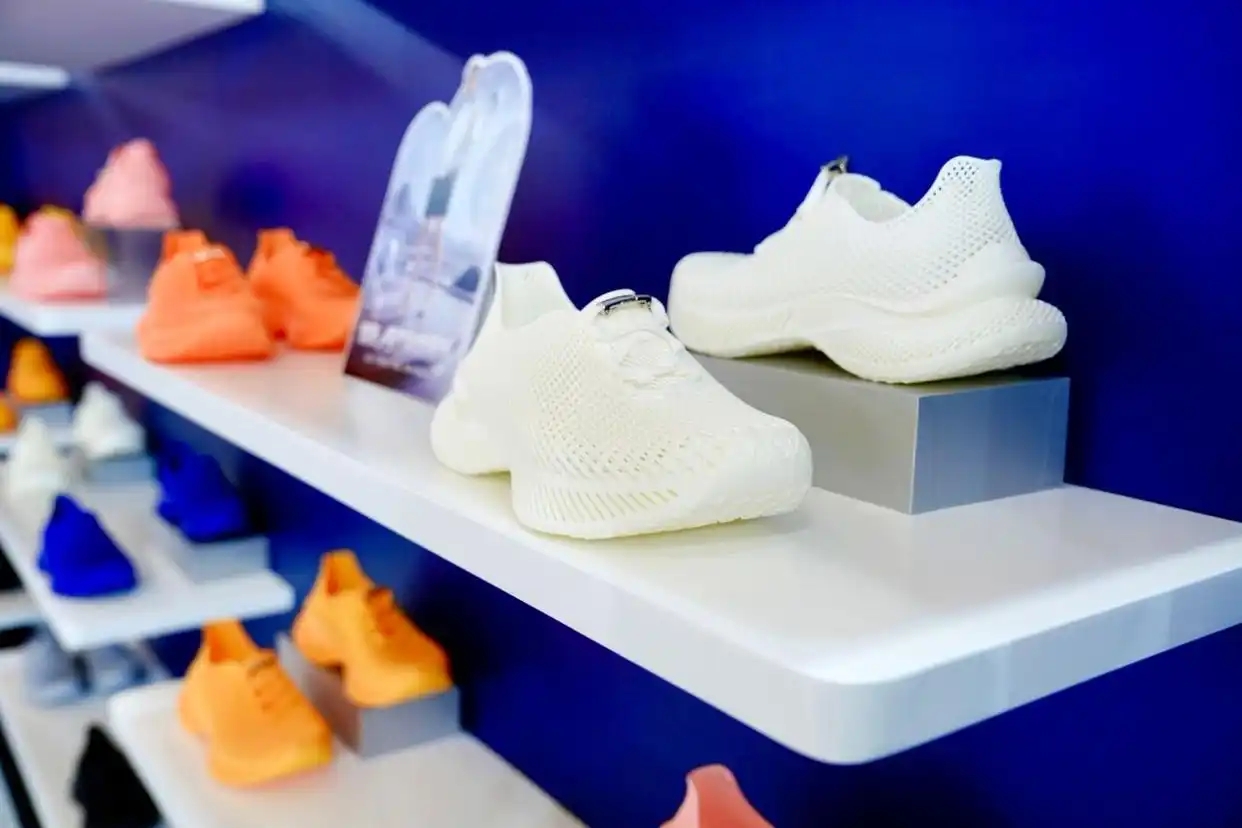
On the product side, the A² Technology Series is equipped with a self-developed 3D-printed foot scanner: 5 seconds to scan, 20 seconds to output foot shape data, and 30 seconds to build a personal profile. The self-developed foot shape and last algorithm handles data analysis and preliminary lattice design. The new product upgrades the lattice to a distributed lattice, achieving zoned pressure support for the forefoot, arch, and heel. The underlying foundation is a database of 3 million Chinese foot shapes, which directly participates in sole lattice and pressure design, turning "comfort" into data-driven precision matching and enabling China's footwear industry to break free from dependence on overseas shoe last templates.
This model is rewriting the traditional production and sales logic: traditional mass production relies on forecasting, leading to severe inventory buildup; 3D printing produces on demand with small-batch, quick-turnaround manufacturing, theoretically achieving zero inventory and aligning with the "production determined by demand" supply-side reform direction. On the consumer end, it shifts from "people looking for shoes" to "shoes finding feet," allowing every consumer to receive a unique pair based on their individual foot shape.


©2025 3dptimes.com All Rights Reserved