
September 21, 2025      Applications      BFI      129

With continuous advancement, 3D printing technology is increasingly applied across daily and industrial fields. It excels particularly in small-batch customization and equipment restoration.

The British Film Institute (BFI) recently announced that by utilizing Formlabs' large-format stereolithography 3D printer Form 3L and the EinScan Pro HD high-precision 3D scanner, it has successfully achieved the digital restoration and manufacturing of various discontinued equipment components. This advancement significantly propels the technological transformation of film cultural heritage preservation efforts.
BFI utilizes 3D scanning and Formlabs 3D printing to replace aging components.
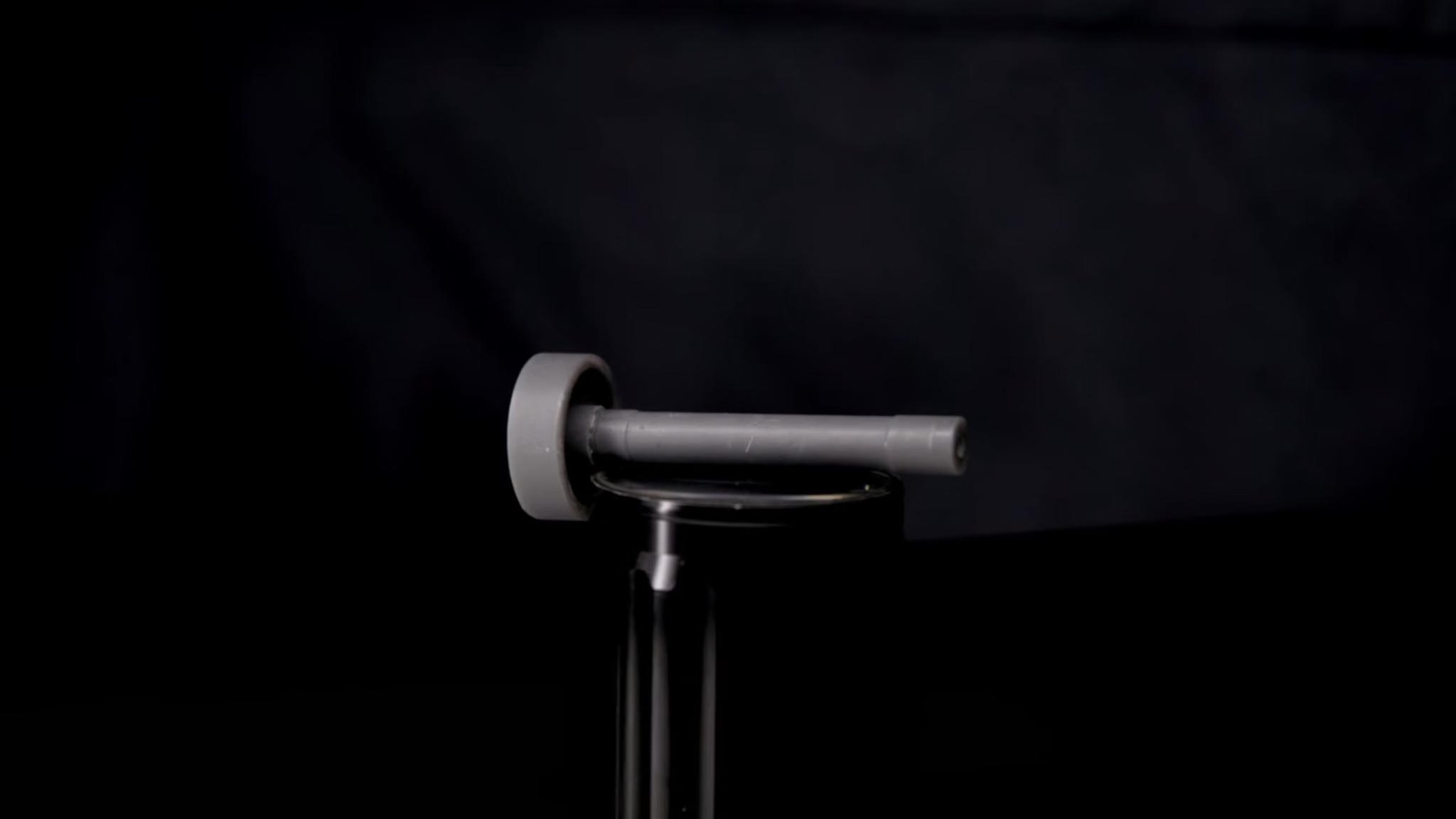
BFI Leverages 3D Printing to Safeguard the Operation of Century-Old Film History Equipment

As a national institution founded in 1933, the British Film Institute (BFI) has long been dedicated to the preservation and promotion of the UK's film and television heritage. Since introducing the Form 3L 3D printer in 2022, its archive technology team has deeply integrated this technology into the restoration workflow. They have successfully manufactured a range of scarce components, including specialized gears, mandrels, film rollers, cooling fans, and precision spacers. This has effectively ensured the continued stable operation of aging restoration equipment and reduced the risk of operational disruptions caused by discontinued parts.

Thanks to its large build volume of 335×200×300 mm, the Form 3L can meet the printing requirements for most large-scale equipment parts. The technical team first acquires high-precision 3D data of original components using an EinScan Pro HD 3D scanner. The models are then repaired and optimized with CAD software like SolidWorks before being 3D printed. The printed parts undergo cleaning and post-curing in a Form Cure L unit, resulting in mechanical properties and durability that meet the standards of original factory components, making them suitable for long-term operational environments.

Additionally, the 3D printer is used for prototyping new components, such as guide rollers for two-inch video cleaners.
3D Printing Further Optimizes Components for Legacy Equipment

Beyond directly manufacturing end-use parts, the team also utilizes 3D printing technology for the rapid prototyping and iterative optimization of functional components. For instance, guide rollers for a two-inch videotape cleaner underwent multiple rounds of micro-adjustments and validation via 3D printed prototypes. The final design was then put into mass production using metal.

The BFI notes: "As additive manufacturing technology matures, we are finding new solutions to long-standing restoration challenges posed by equipment obsolescence. The introduction of equipment like the Form 3L is breathing new life into legacy machinery, ensuring the sustainable operation of critical heritage preservation devices."

This practice further demonstrates the value of 3D printing technology in fields such as cultural artifact restoration and industrial maintenance.


©2025 3dptimes.com All Rights Reserved