How the U.S. Military Uses 3D Printing to Turn an $870 Piece of Gear into a Budget-Friendly Asset
In the world of military equipment, "speed" and "cost" are often a difficult trade-off. However, recently, multiple U.S. Navy departments joined forces and broke this deadlock with a common technology: they successfully 3D printed a key component for fighter pilot helmets—the visor for the Joint Helmet Mounted Cueing System (JHMCS). This slashed procurement time from years to just weeks and reduced costs by a staggering 65%.
The Costly Pain Point
The traditional JHMCS visor cost roughly $870 per unit, came with a lengthy supply chain, and had a procurement cycle measured in years. For training departments needing to refresh about 40 visors annually, this severely hindered course progression and equipment maintenance.
The 3D Printing Solution
A team led by the Naval Aviation Training Systems and Ranges Program Office (PMA-205) turned to additive manufacturing (3D printing). Using Acrylonitrile Butadiene Styrene (ABS) plastic, they successfully printed a prototype visor that was not only dimensionally precise and fully compatible with the original helmet but also retained the trimmable properties required for maintenance.
Revolutionary Results
The outcome is impressive: the manufacturing cost for the new visor dropped by approximately 65%, and the production cycle was compressed from years to mere weeks. More importantly, the team created a complete Technical Data Package (TDP), enabling various units to print the part independently when needed. This truly enables an agile, sustainable, and distributed supply model.
Beyond the Visor
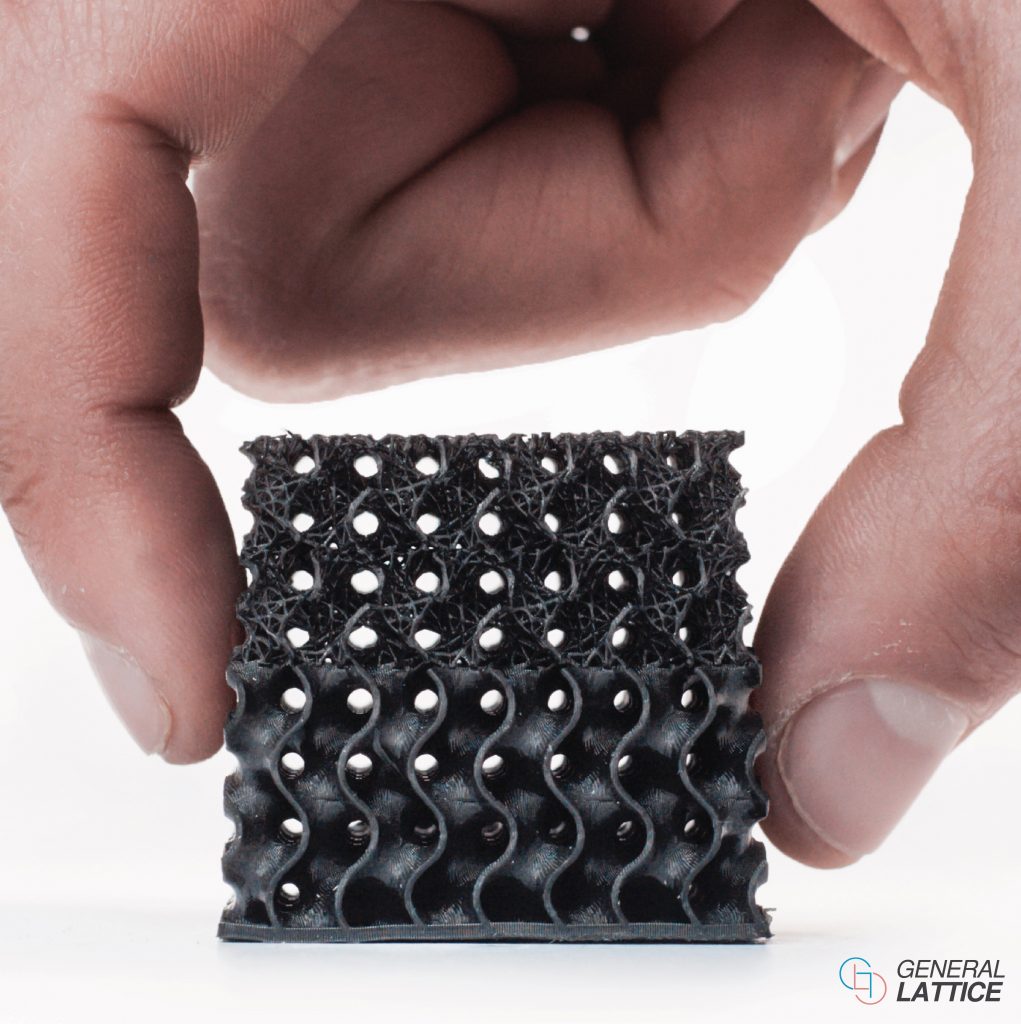
The Navy's endeavor is just one part of a broader wave of military 3D printing applications. Previously, the U.S. Army collaborated with a tech company, utilizing 3D-printed custom lattice structures to enhance the energy-absorbing performance of helmet liners for better soldier protection. Defense logistics departments are also using 3D-printed mechanical hands to test protective gloves, eliminating personnel exposure to hazardous chemicals during testing.
From expensive, long-lead-time specialty parts to rapidly producible, localizable "digital inventory," 3D printing is fundamentally transforming the logic of military equipment development, supply, and maintenance. This is not merely about cost savings; it's about enhancing readiness response speed and force resilience. When every frontline unit possesses its own "production machine," the model of battlefield sustainment is being quietly but profoundly reshaped.