Home  >  News

March 29, 2026      News      9735

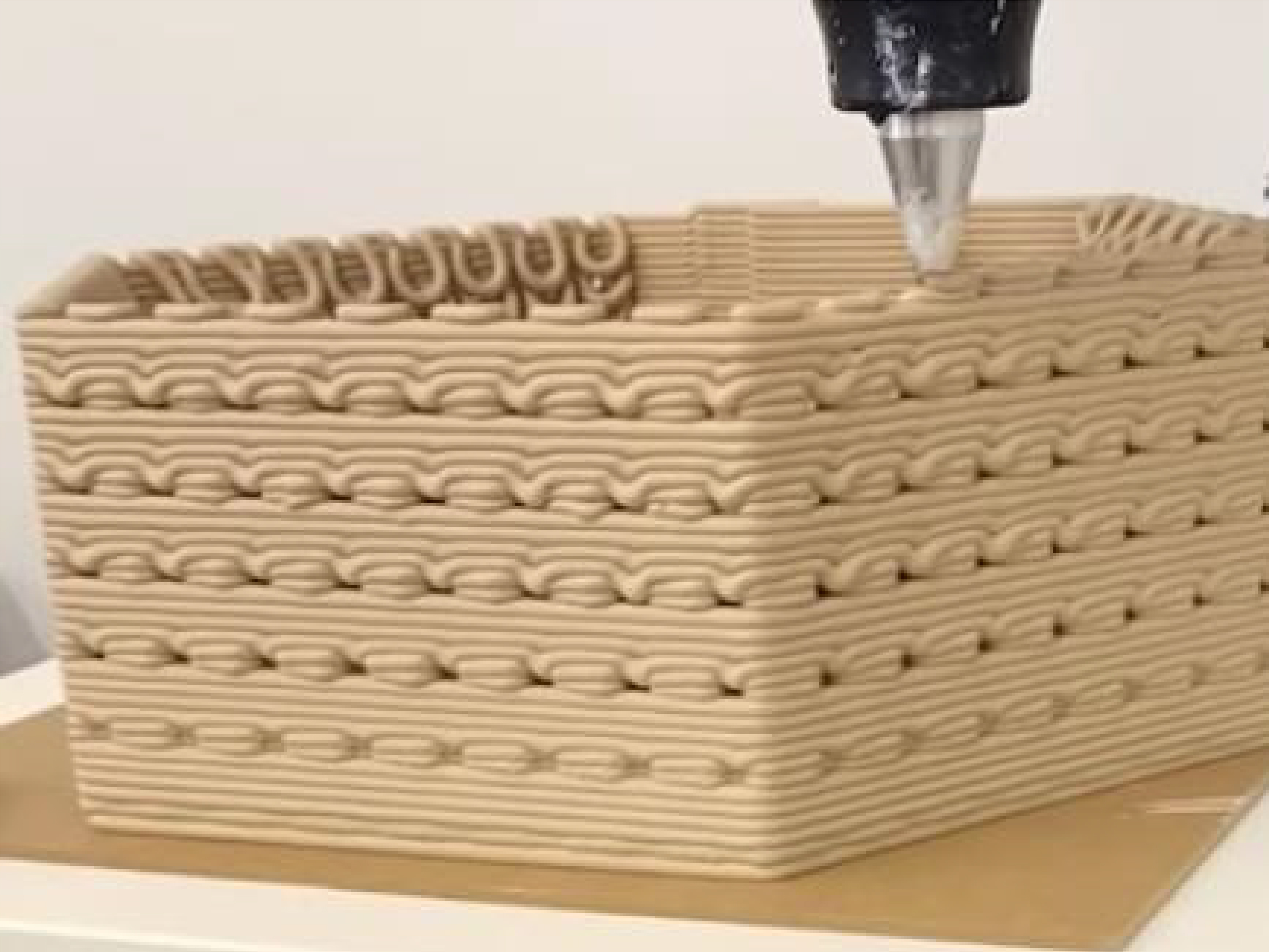
The University of South Florida (USF) recently installed 3D printed clay structures along the seawall of Bayboro Harbor in Tampa Bay, launching a multi-year initiative aimed at restoring local oyster populations.

These honeycomb-shaped devices, called "oyster restoration brick structures" (ORBS), function as a "living seawall." Each structure can support thousands of oysters and filter thousands of gallons of seawater daily. Oysters are vital to marine ecosystems—they purify water, reduce harmful algal blooms, and the reefs they form provide habitat for more than 300 marine species while protecting shorelines from erosion.
"Oyster populations in Tampa Bay have plummeted due to urban development and the construction of seawalls with synthetic materials," said Tina Piracci, professor at the USF Honors College. "These 3D printed structures integrate art with innovative design, providing ideal habitats for oysters."
As part of their coursework, students participated in site assessments, 3D printing operations, structure installation, and environmental research. Over the next few years, the project team plans to install approximately 30 structures across southeast St. Petersburg and will open-source the design files for other educational institutions to replicate and modify.
The project operates under The Habitat Laboratory, a partnership that includes USF's College of Design, Clearwater Marine Aquarium, and several other organizations.


©2025 3dptimes.com All Rights Reserved