From three-week outsourcing to overnight iteration, from $40,000 to $1,139—3D printing is making race car manufacturing faster, more flexible, and more economical. This may well be the new normal for future racing engineering.
In the split-second world of racing, speed is everything. Recently, NASCAR Cup Series team LEGACY MOTOR CLUB announced that by introducing large-format 3D printing technology, it has completely transformed the development and production model for race car parts.
Pain Point: Three-Week Outsourcing, Can't Afford to Wait
In the past, the team had to outsource new part development, waiting two to three weeks to receive finished products. During the intense racing season, this pace severely slowed testing and iteration processes. Shop foreman Tony Cardamone stated bluntly: "I simply can't afford to wait. Being able to 3D print different designs, put them in the car for testing, and redo them if they're not right—that's priceless."
Transformation: Overnight Iteration, Costs Sharply Reduced
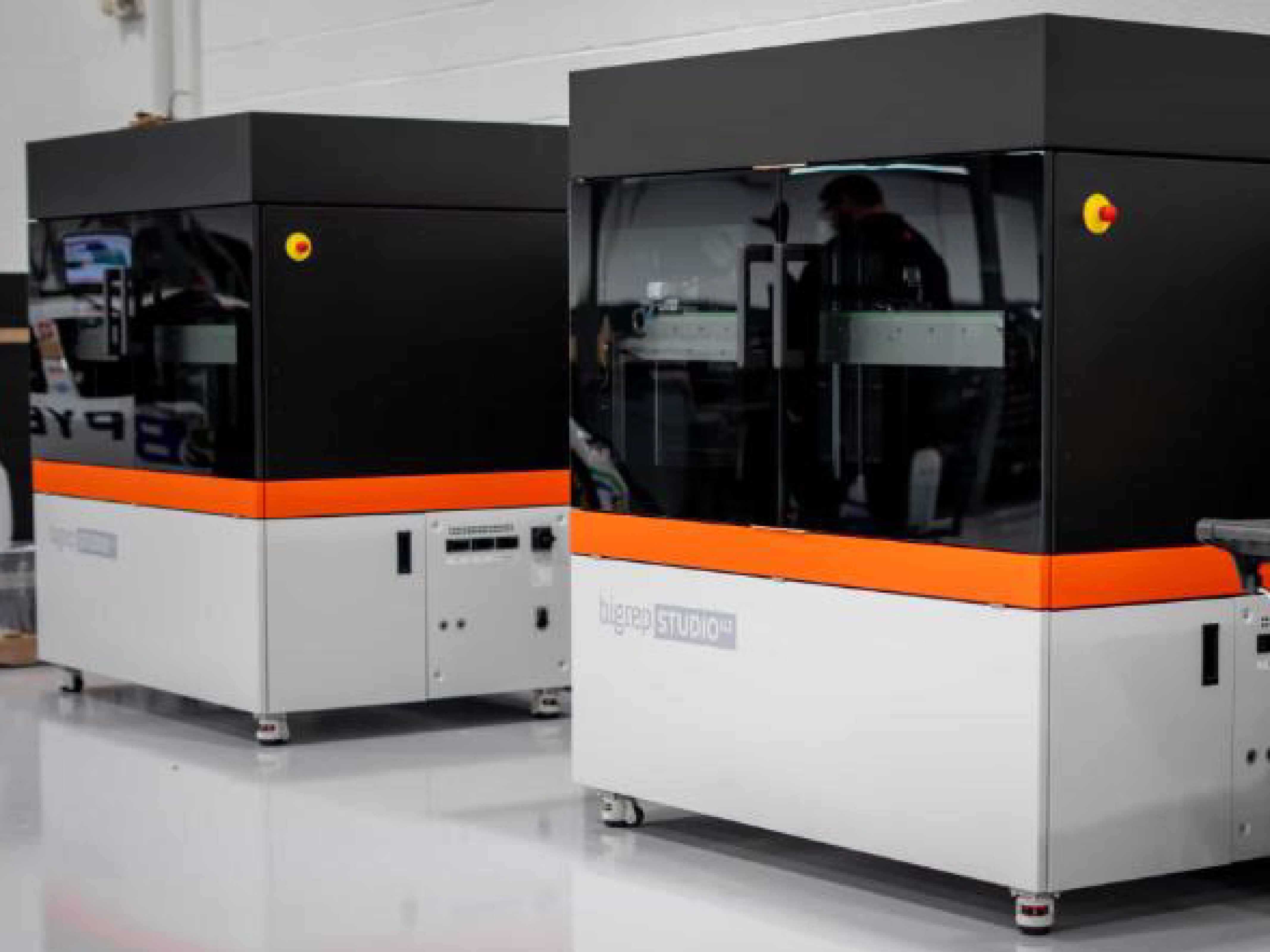
After the team installed two BigRep STUDIO 3D printers, everything changed. Designs created early in the week are printed overnight and can be evaluated on the vehicle the next day.
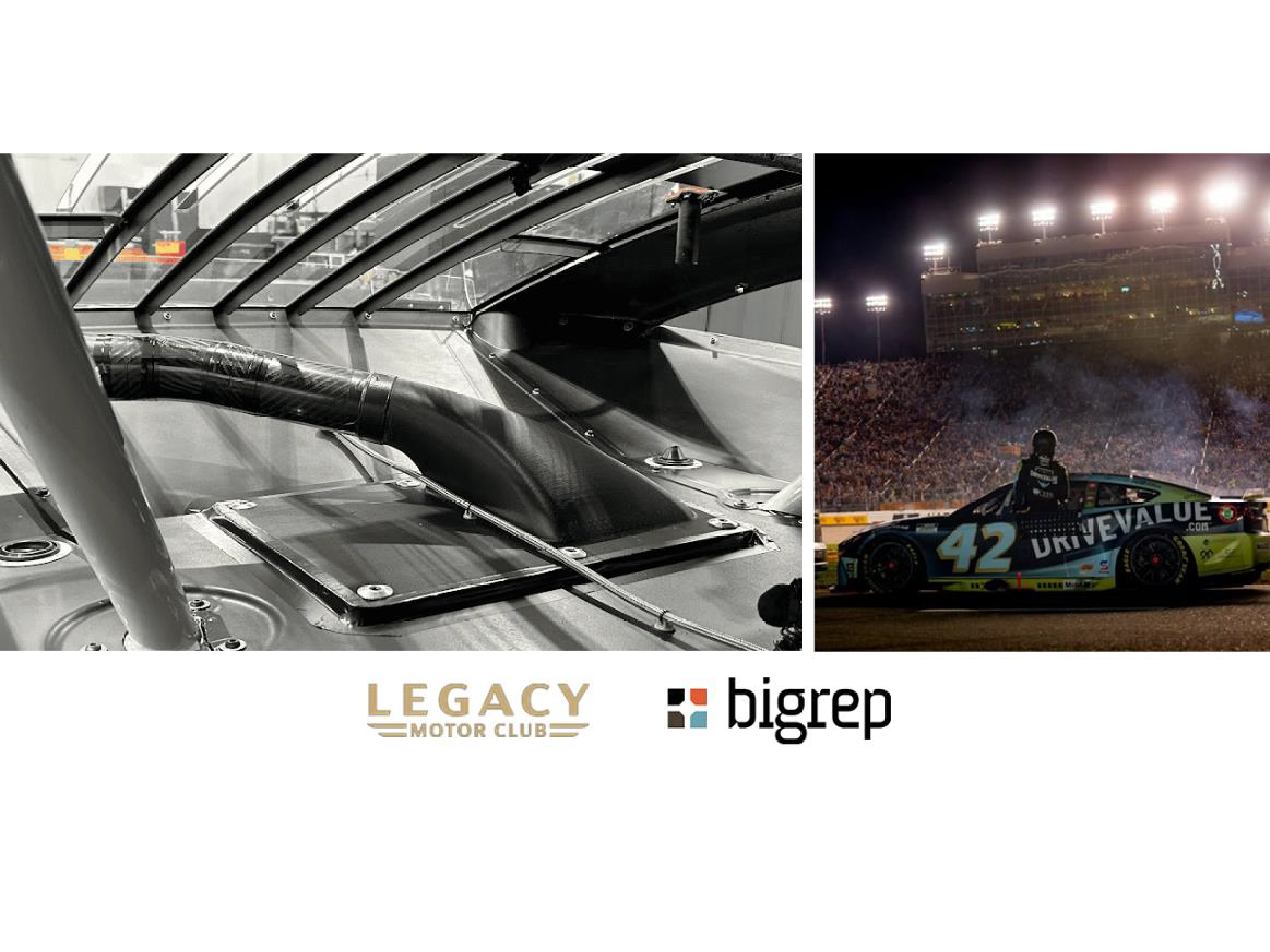
Take the gear cooler plenum as an example: the 2024 season required 20 different versions due to track variations. Outsourcing each cost $2,000 and took one week, totaling about $40,000 for the season. Now, with in-house printing, each unit's material cost is only $56.93, with 20 parts totaling approximately $1,139—a 97% cost reduction!
Grille bezels also dropped from $1,900 each when outsourced to $471 for in-house production.
More Than Just Savings: Tooling, Protective Parts, Compliance Parts—All Covered
Printing custom tooling fixtures to ensure multiple race cars are assembled to identical specifications.
Using TPU flexible materials to create protective covers that safeguard dashboards and screens during repeated disassembly and reassembly.
Responding to new NASCAR regulations by quickly designing and printing rocker extension skirts using PA6/66 material to ensure compliance.
Steven Sander, Director of Aerodynamics, stated: "Once you realize its capability, you start applying this solution to anything you can find—from prototypes to production parts."
From three-week outsourcing to overnight iteration, from $40,000 to $1,139—3D printing is making race car manufacturing faster, more flexible, and more economical. This may well be the new normal for future racing engineering.