Home  >  News

April 11, 2026      News      10328

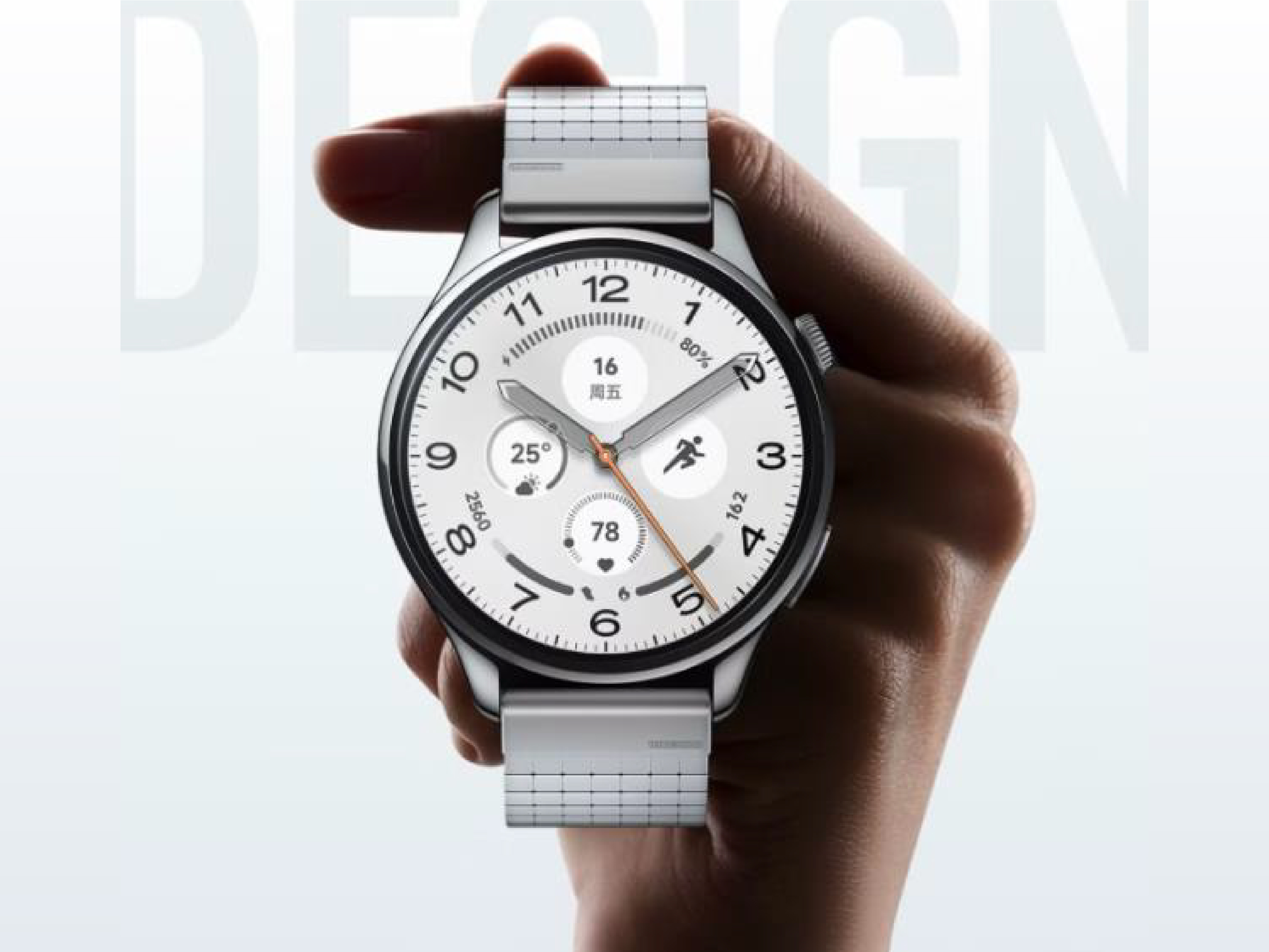
Xiaomi recently launched a titanium watch strap for the Watch 5, manufactured using LPBF (laser powder bed fusion) technology and priced at around 100 euros.

The strap is printed in TC4 titanium, with a finished weight of 43 grams—50% lighter than a comparable steel strap and 20% lighter than conventional titanium. The 800-layer printed structure achieves internal geometries that milling or casting cannot replicate, with material placed only where it is needed structurally.
Several years ago, companies such as Betatype showcased 3D printed watch straps with greater technical complexity and exceptional engineering precision, but none reached mass production or commercial release. Xiaomi’s strap is more modest in technical ambition, yet it has made the leap from concept to product by being sold through normal retail channels at a reasonable price.
Xiaomi’s choice of powder bed fusion technology was driven by clear goals: reducing weight, optimizing structure, and controlling costs. This marks a shift for metal 3D printing—from prototyping and small-batch production toward becoming a standard tool for mass manufacturing. The long-standing concern over high per-unit costs is gradually fading as process control and production automation continue to improve.
While a single product does not constitute a revolution, combined with the recent wave of 3D printed consumer electronics from brands such as Apple and Honor, metal 3D printing is no longer a lab-bound technology—it is becoming a mature manufacturing method entering everyday consumer spaces.


©2025 3dptimes.com All Rights Reserved