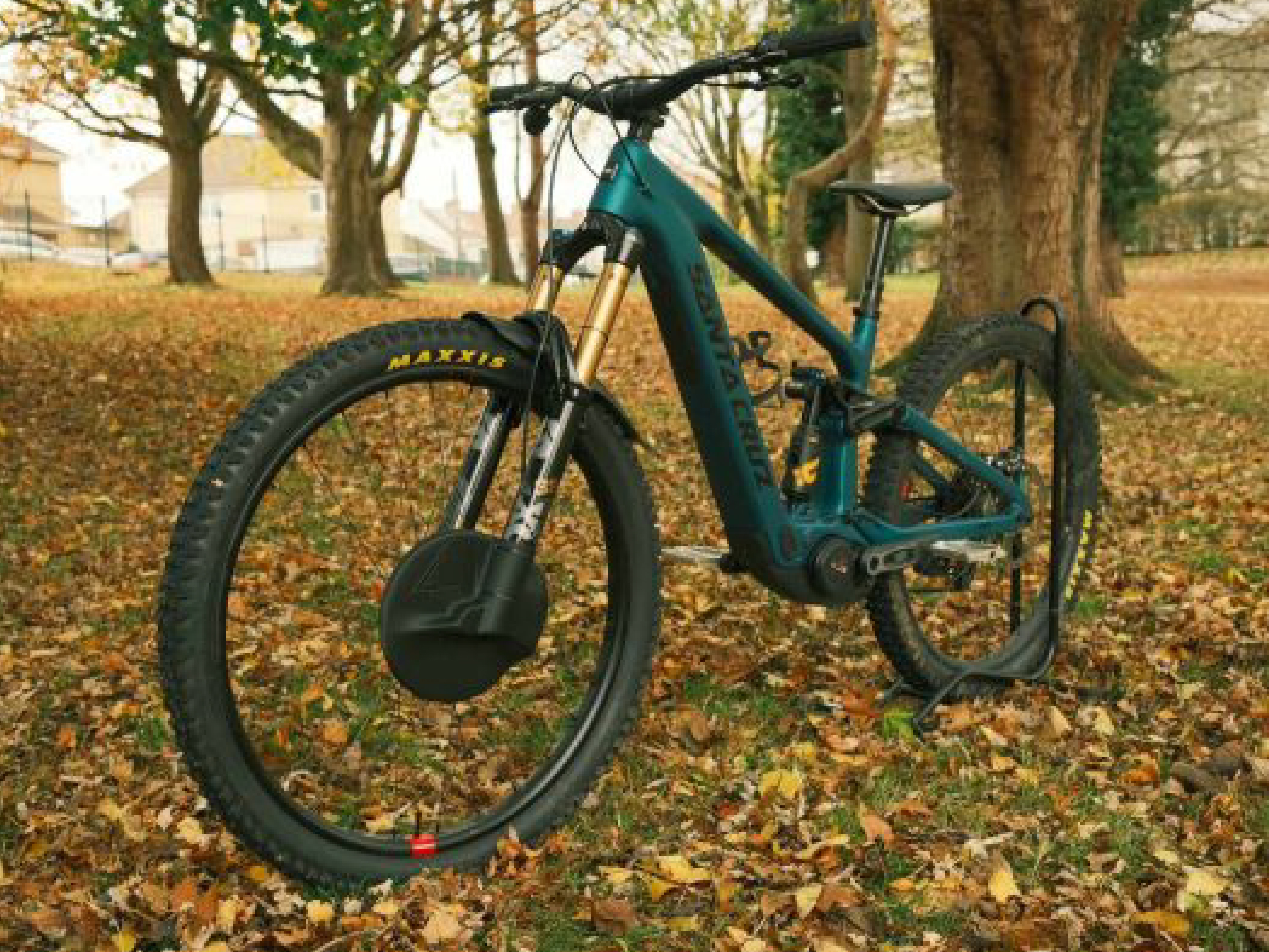
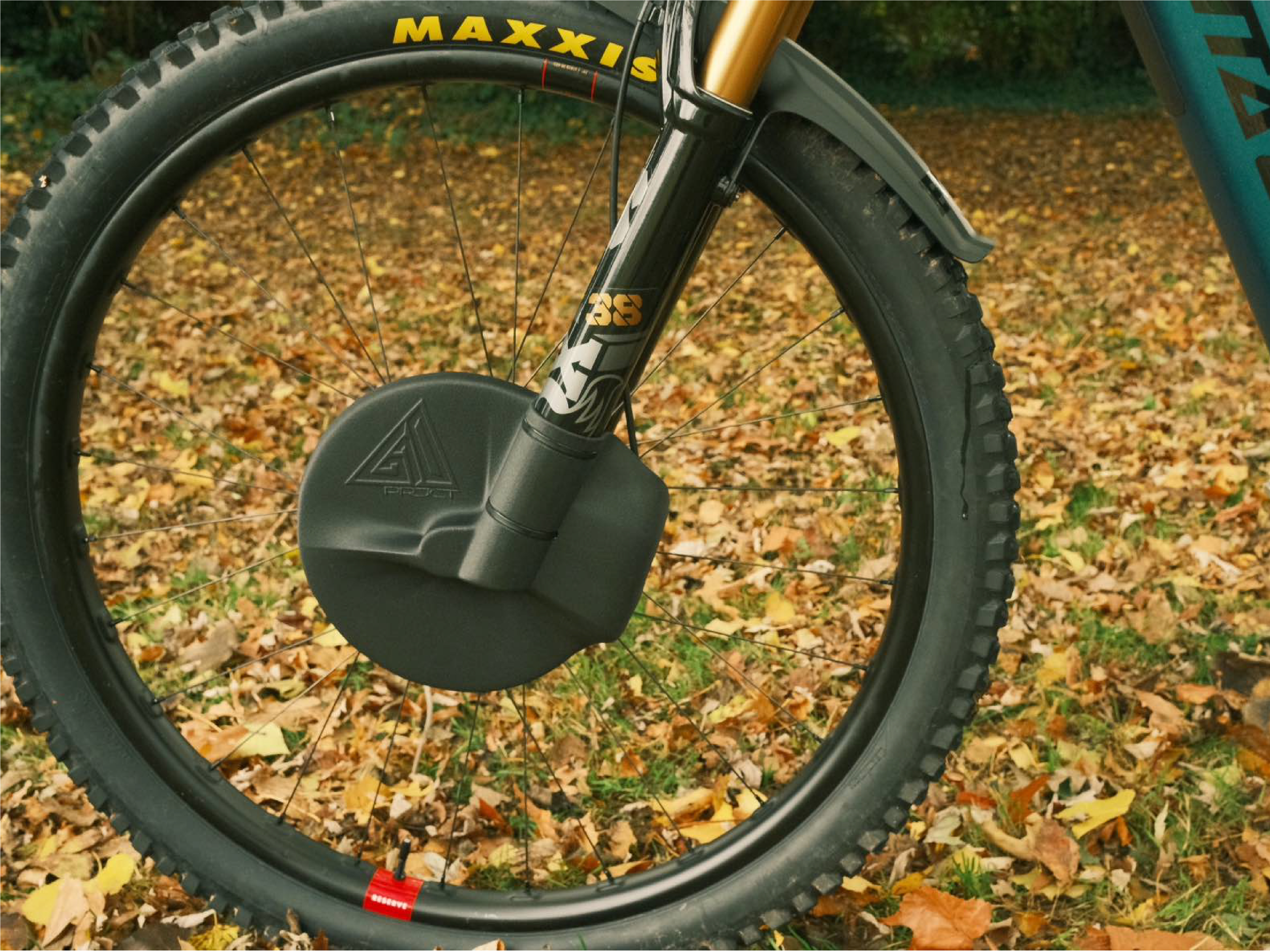
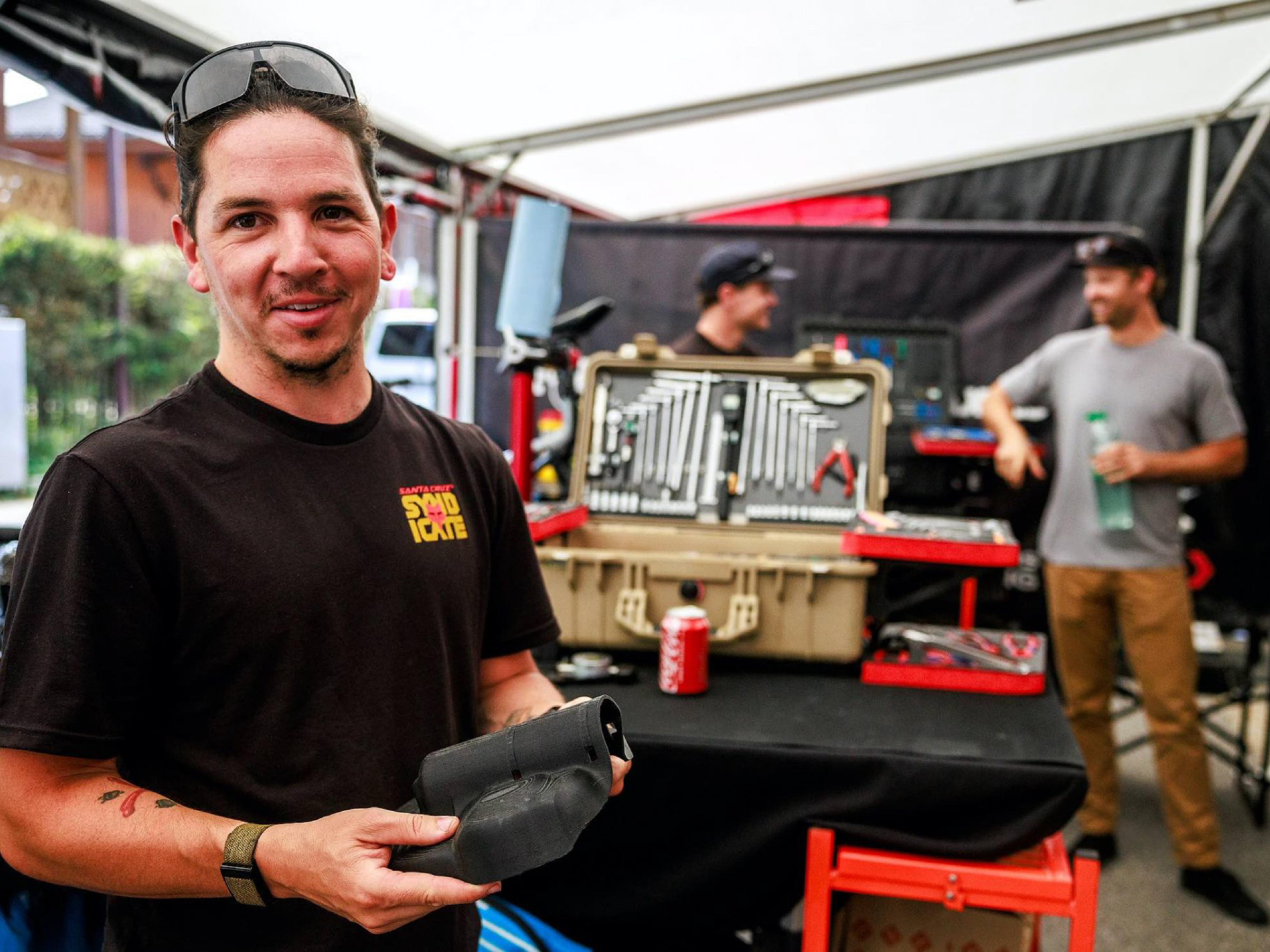
A UK-based company, G10 PRJCT, is bringing 3D printing technology to the top tier of mountain biking.
Their rotor guards have not only helped professional riders secure World Cup and World Championship titles but are now also available to the public, allowing everyday enthusiasts to use the same "championship-grade" equipment.
Founder Gio Piras spent years serving in top-tier motorcycle racing series like MotoGP and the World Superbike Championship, accumulating extensive experience in data engineering. In 2025, he noticed the increasing importance of data-driven insights and marginal gains in mountain biking and decided to apply his professional expertise to this field.
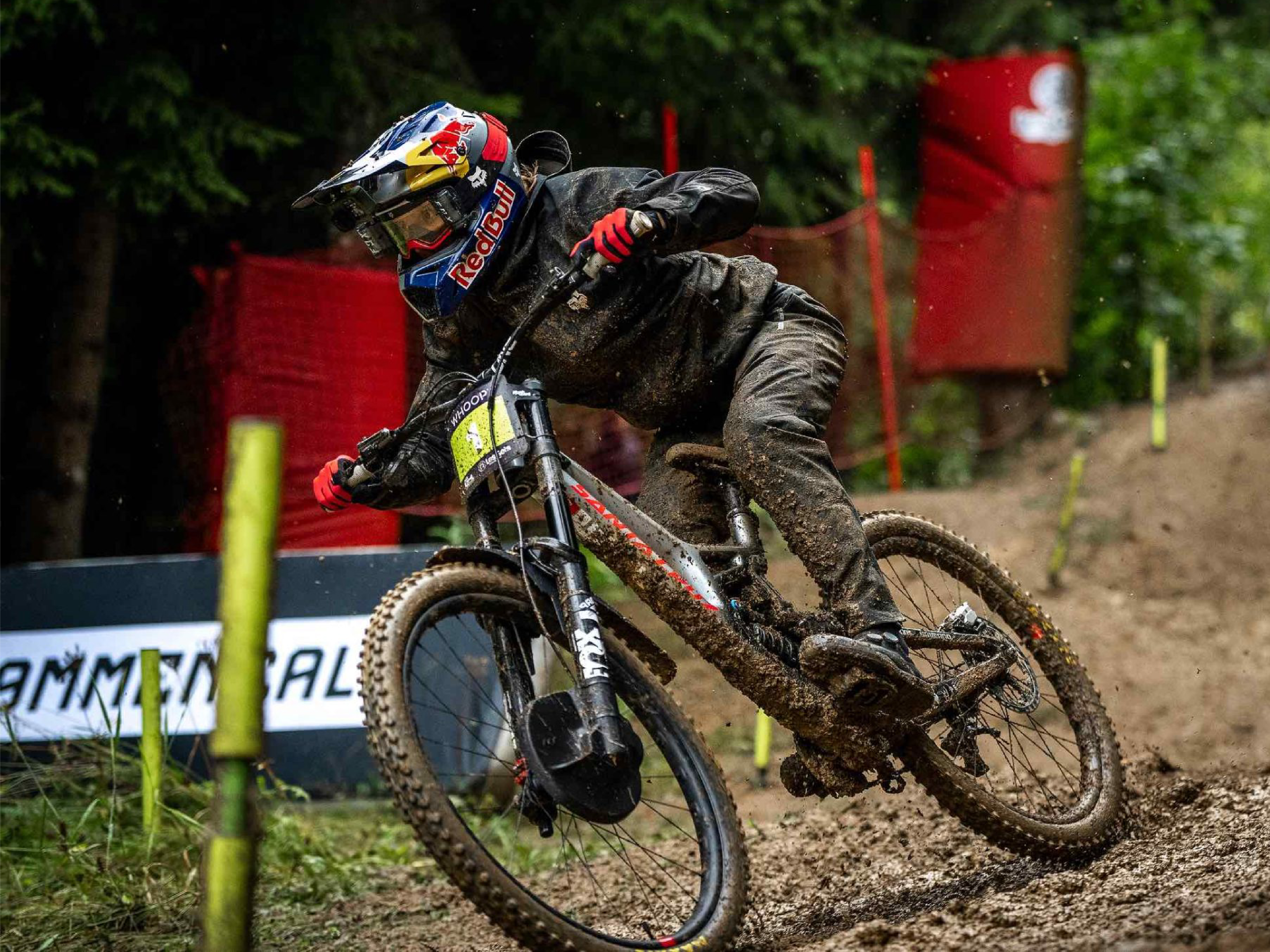
Through collaboration with the top professional team, Santa Cruz Syndicate, G10 PRJCT's 3D-printed rotor guards quickly entered practical testing. Ridden and validated in competition by rider Jackson Goldstone, they ultimately contributed to his World Championship victory.
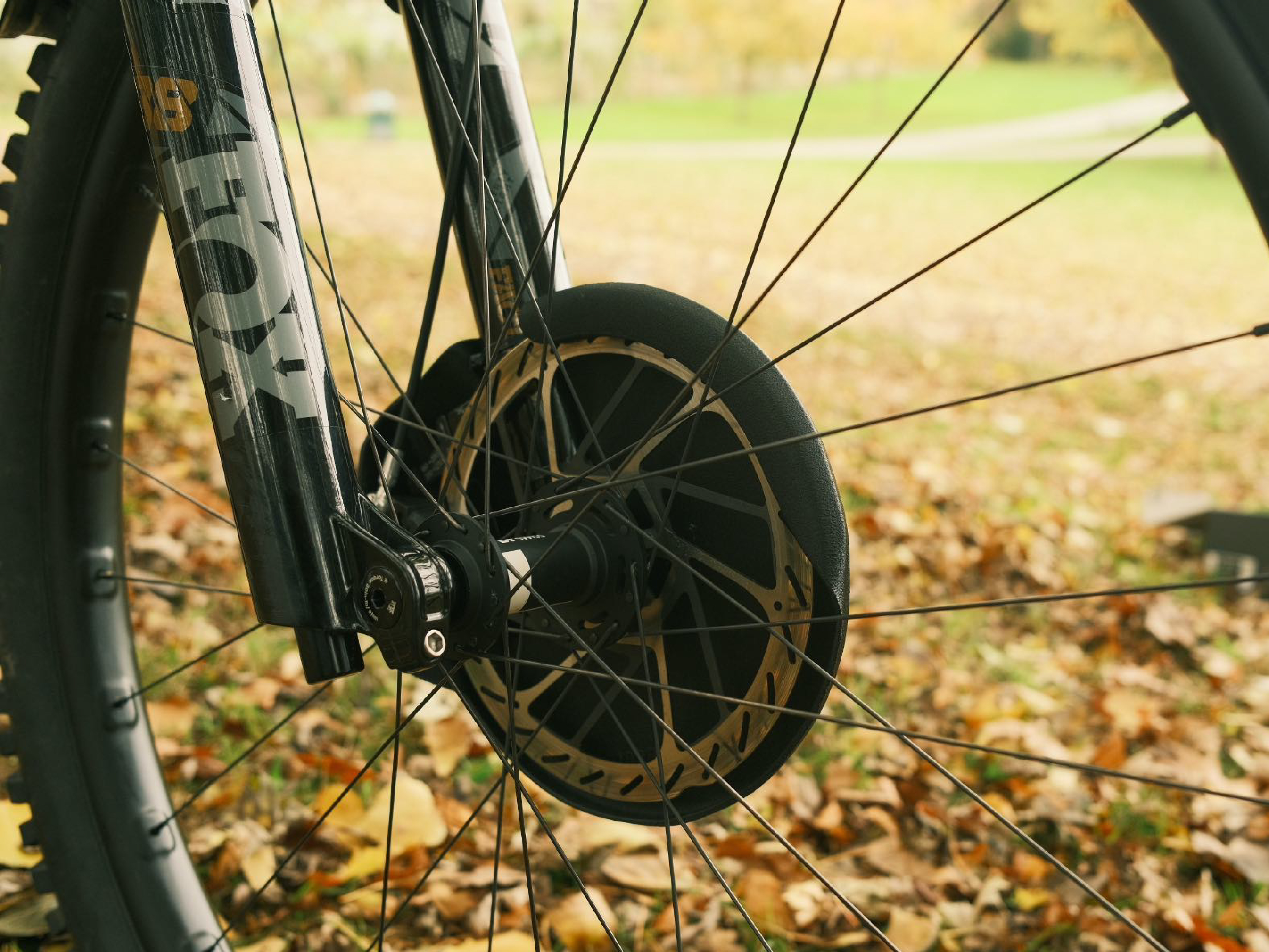
Piras explains that the guards are currently produced using multiple Bambu Lab H2-series printers, with materials selected from engineering-grade, fiber-reinforced polymers whose performance far exceeds the demands of normal mountain biking scenarios. In terms of design, the team prioritizes impact resistance, stiffness, thermal stability, and weight—the guards need to be lightweight while effectively shielding the braking system from mud and debris during races to ensure consistent performance.
The design process is based on parametric CAD and 3D scan data to ensure a precise fit with modern suspension components. While iteration counts were higher during earlier development phases, the workflow has now matured, typically requiring only one or two iterations before finalization. Every new product undergoes physical fitment checks and evaluations for improvements before release.
The first batch of guards withstood wet and muddy conditions during last year's UCI Downhill World Cup, with riders reporting excellent braking consistency. This was followed by extensive field testing throughout the harsh British winter. Additionally, the team conducted in-house destructive tests to confirm impact resistance far exceeding everyday usage scenarios.
Piras emphasizes that products are only brought to market once their performance advantages are clear, fitment is precise, and the manufacturing process is fully refined. Aesthetics are also important—print parameters are meticulously optimized so the guards look like an intentionally designed, integrated component on the bike, rather than a prototype.
Currently, the guards are produced in small batches, with popular configurations kept in stock. Customers range from professional riders to everyday enthusiasts, with orders shipping worldwide. Piras states that the company's primary positioning is as a performance-driven engineering consultancy, with the products serving as a tangible extension of this philosophy.