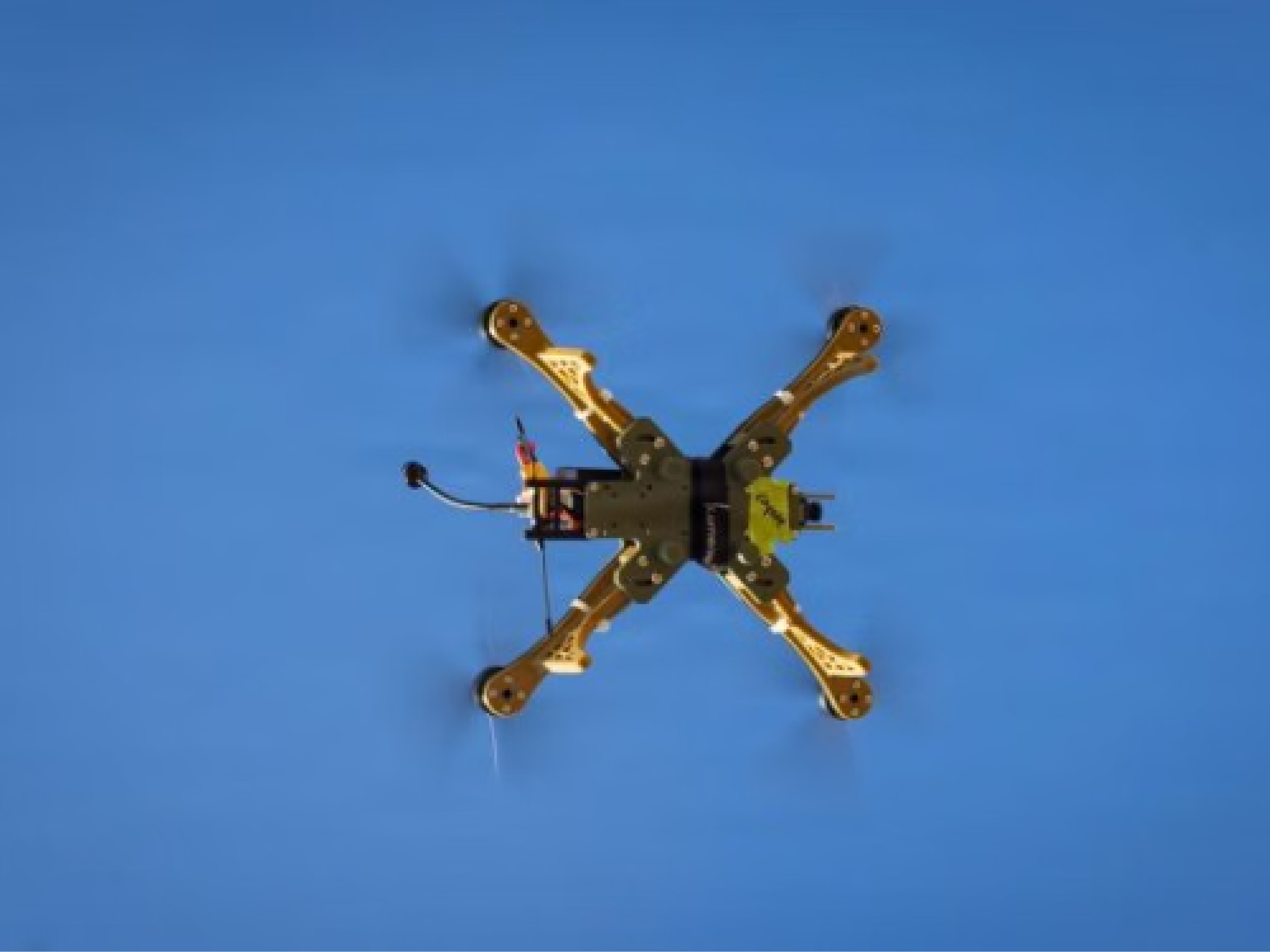
During this month's "Flytrap 5.0" live-fire anti-drone exercise held in Lithuania, the U.S. Army's 2nd Cavalry Regiment deployed its organic additive manufacturing capability in a real-world operational setting for the first time.
Faced with threats from small drones and swarms, the exercise brought together U.S. air defense units, the British Parachute Regiment, and multiple industry partners.
While live-fire evaluations of anti-drone systems were underway, the 2nd Cavalry Regiment's dedicated additive manufacturing platoon used its mobile 3D printers, lathes, and other additive/subtractive manufacturing equipment to produce critical hardware on-site for the Stryker combat vehicle — specifically the brackets and mounts needed to install third-party anti-drone systems. These parts were not available as off-the-shelf items in the combat zone and were entirely dependent on forward manufacturing.
The platoon's workflow includes: identifying sub-component needs → CAD modeling → directly producing usable parts at their field location — all without relying on the formal supply chain. Lt. Col. Galen King, the regiment's executive officer, calls this an "80% solution" — one that quickly bridges the interface gap between commercial equipment and military platforms.
"They can look at a sub-component or mounting bracket of an anti-drone system, design it in CAD, then manufacture it on the spot, integrating the vendor's equipment onto our Stryker vehicles," said Lt. Col. King.
Earlier, the same platoon had 3D printed drone airframes during previous Flytrap exercises. The U.S. Army has equipped the cavalry regiment with more than 30 3D printers housed in modular containers, which have recently supported operations in Lithuania and Poland.
Of note, a U.S. Marine used similar technology to design a 3D printed replacement mast for a communications antenna, saving an estimated 4.32 million CNY — equivalent to approximately $600,000 USD — and eliminating cumulative supply chain wait times of over 60 years.
Lt. Col. King concluded, "Over the past two years, expeditionary additive manufacturing has become an indispensable part of our cavalry regiment's deployments."