Home  >  News

April 29, 2026      News      9660

3D printing has significant potential in consumer electronics and thermal management. How is Luxshare Precision, a consumer electronics leader and Fortune Global 500 company, strategically leveraging this technology?

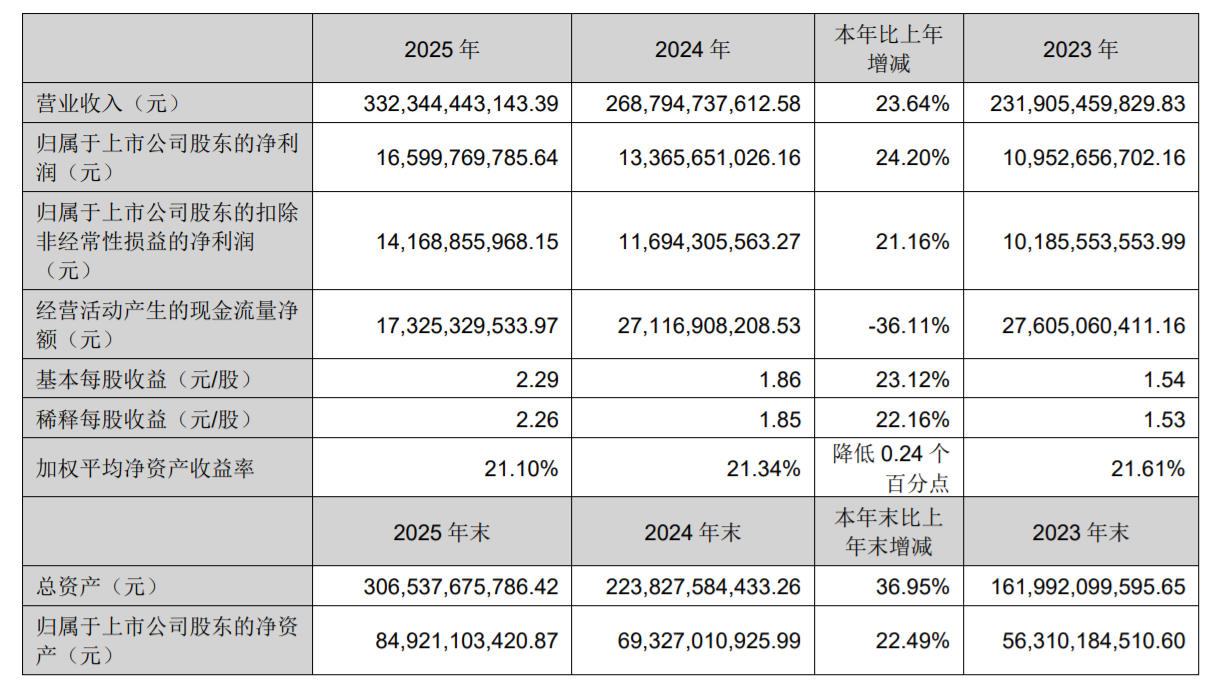
On April 21, 2026, it was learned that Luxshare Precision (002475) recently released its 2025 annual report, delivering impressive results. The company achieved annual operating revenue of 332.344 billion RMB (approximately 46.89 billion USD), representing a year-on-year increase of 23.64%. Net profit attributable to shareholders reached 16.6 billion RMB (approximately 2.34 billion USD), up 24.20% year-on-year. Both revenue and profit reached historic highs.
Furthermore, when recently responding to investor inquiries, Luxshare stated: "Regarding the exploration of 3D printing and other new materials and new process applications, the company's consideration has always focused on one core metric: return on investment. If it is projected that a certain investment cannot bring the expected economic returns, the company will decisively abandon further involvement in that area. Regarding 3D printing technology, the company has already applied it in large-scale production to certain special structural components. Therefore, this is not a field with which the company is unfamiliar, nor does it require additional actions to prove the company's capabilities. The technology feasibility verification phase has been completed. The issue before us now is very straightforward: the profitability of this investment. Hence, the company will continue investing in anything that delivers steady profits; if the return on investment fails to meet the standard, we will stop investing."
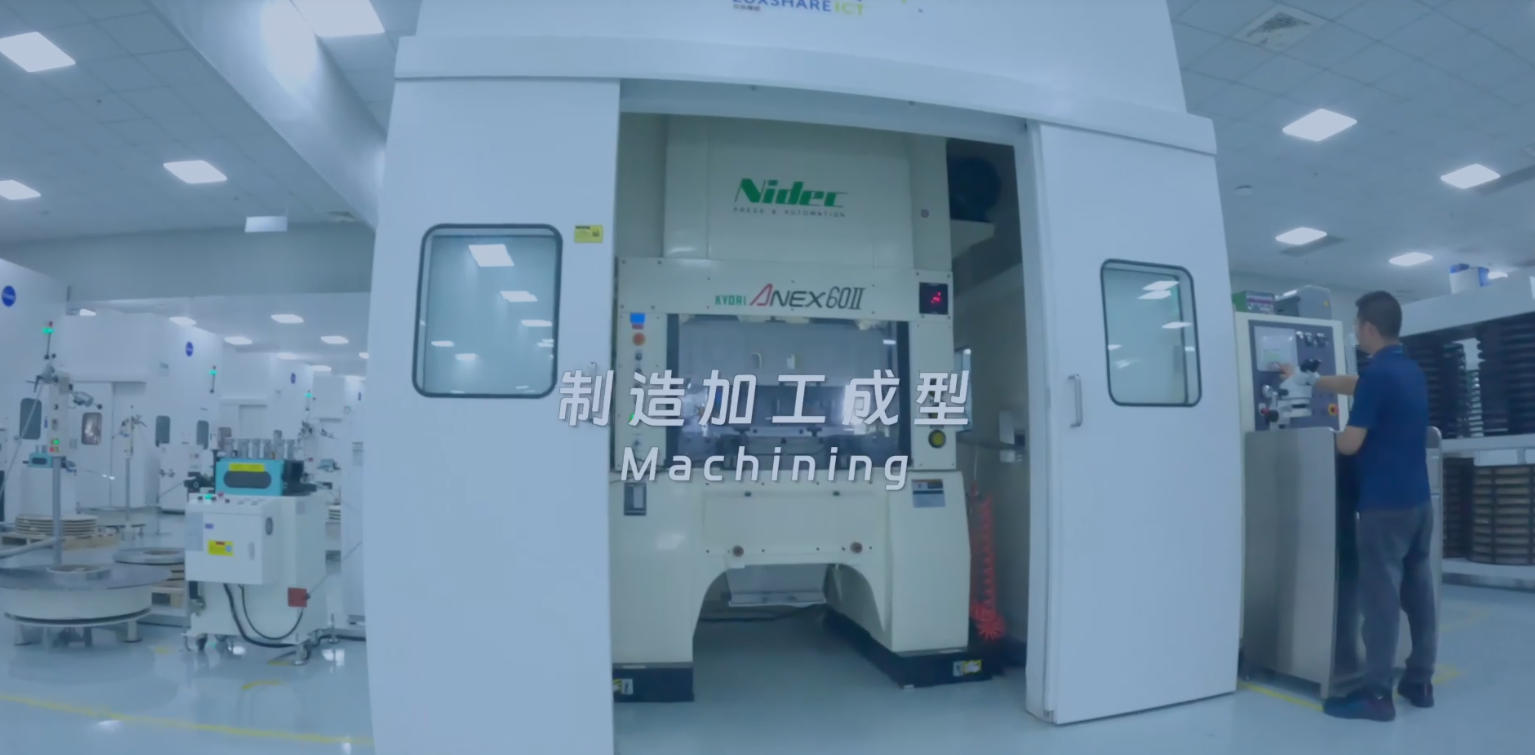
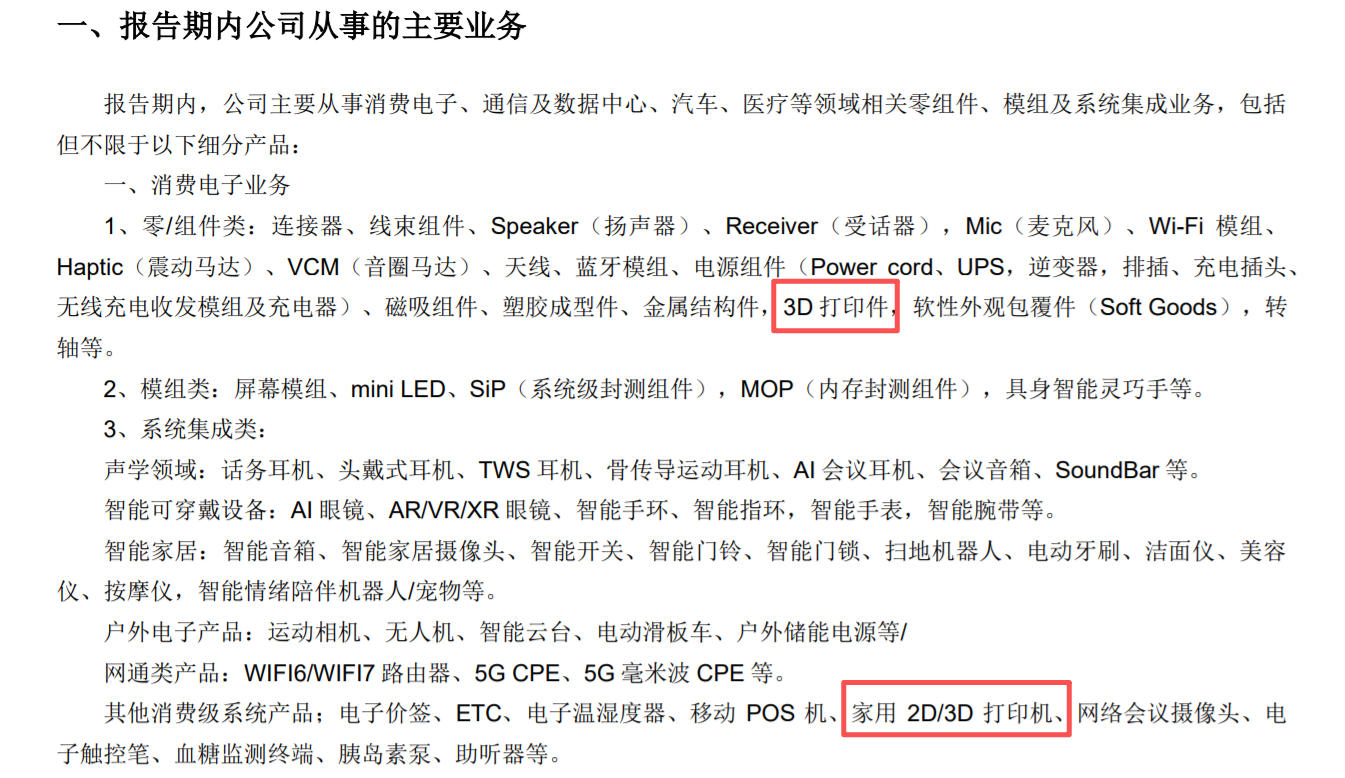
From these comments, it is clear that Luxshare Precision is no longer a newcomer to 3D printing. The company has already achieved large-scale production adoption for certain special structural components. However, due to Luxshare's confidentiality policies, no related product materials or images have been disclosed to the public. The company's main business segments also mention 3D printed parts. Unexpectedly, the company is also involved in the household 2D/3D printer sector.
On the investment front, Luxshare has also taken relevant actions. In May 2025, HG Laser, a wholly-owned subsidiary of HG Technologies, announced its intention to establish a joint venture company — Suzhou Lihua Technology Co., Ltd. — with Likan Precision, a subsidiary of Luxshare Precision. The joint venture will integrate technical resources and industrial ecosystem advantages, focusing on the in-depth application of SLM metal 3D printing technology across multiple industries, creating a benchmark for technological collaboration.
The registered capital of the joint venture is 200 million RMB (approximately 28.22 million USD), of which HG Laser contributes 140 million RMB (approximately 19.75 million USD) in cash, representing 70% of the registered capital; Likan Precision contributes 60 million RMB (approximately 8.47 million USD) in cash, representing 30% of the registered capital.
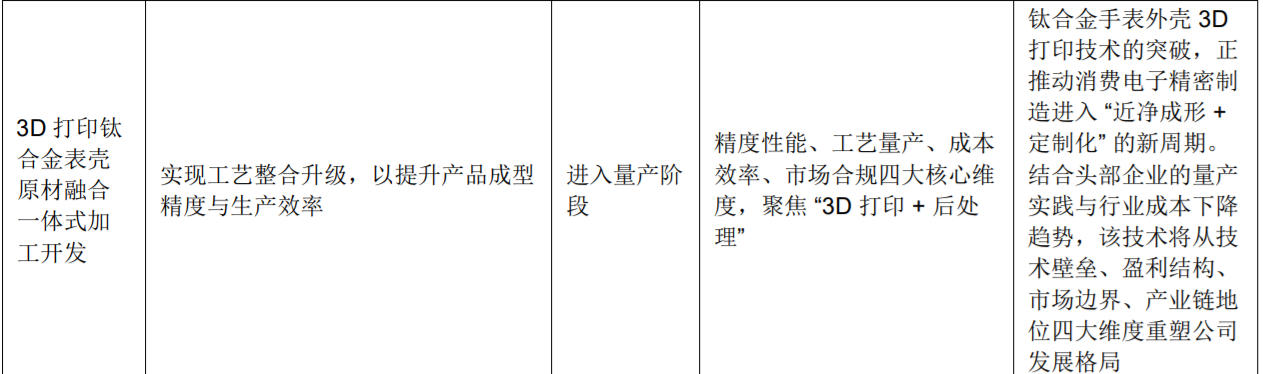
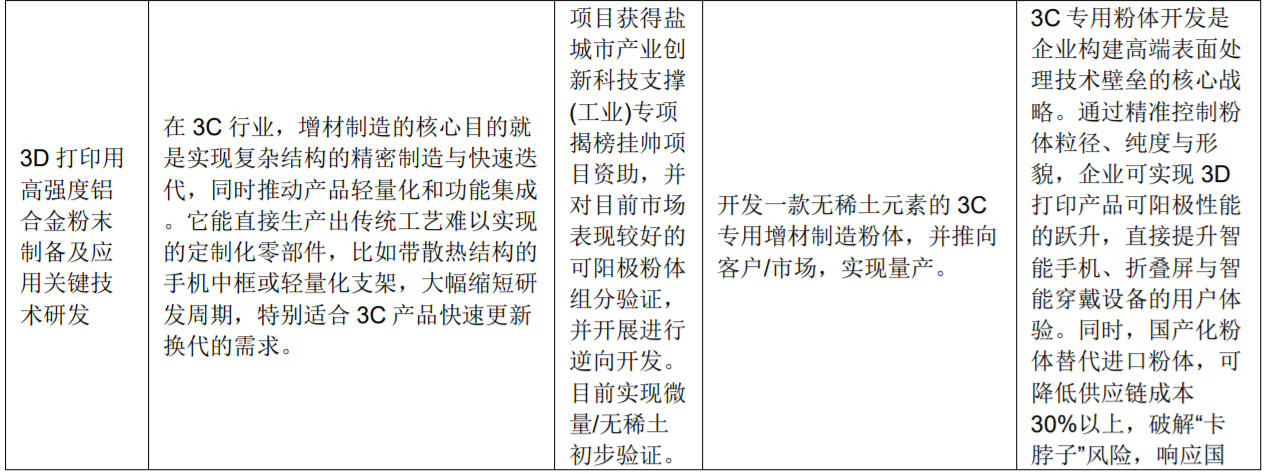
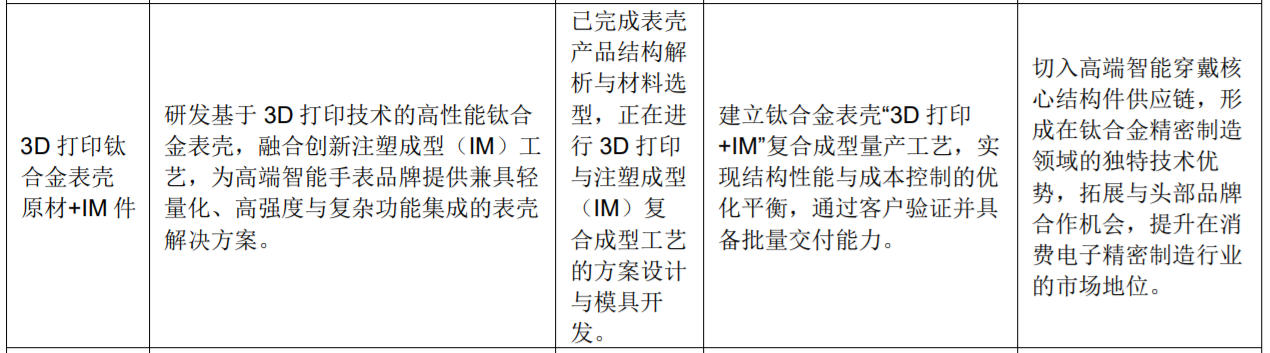
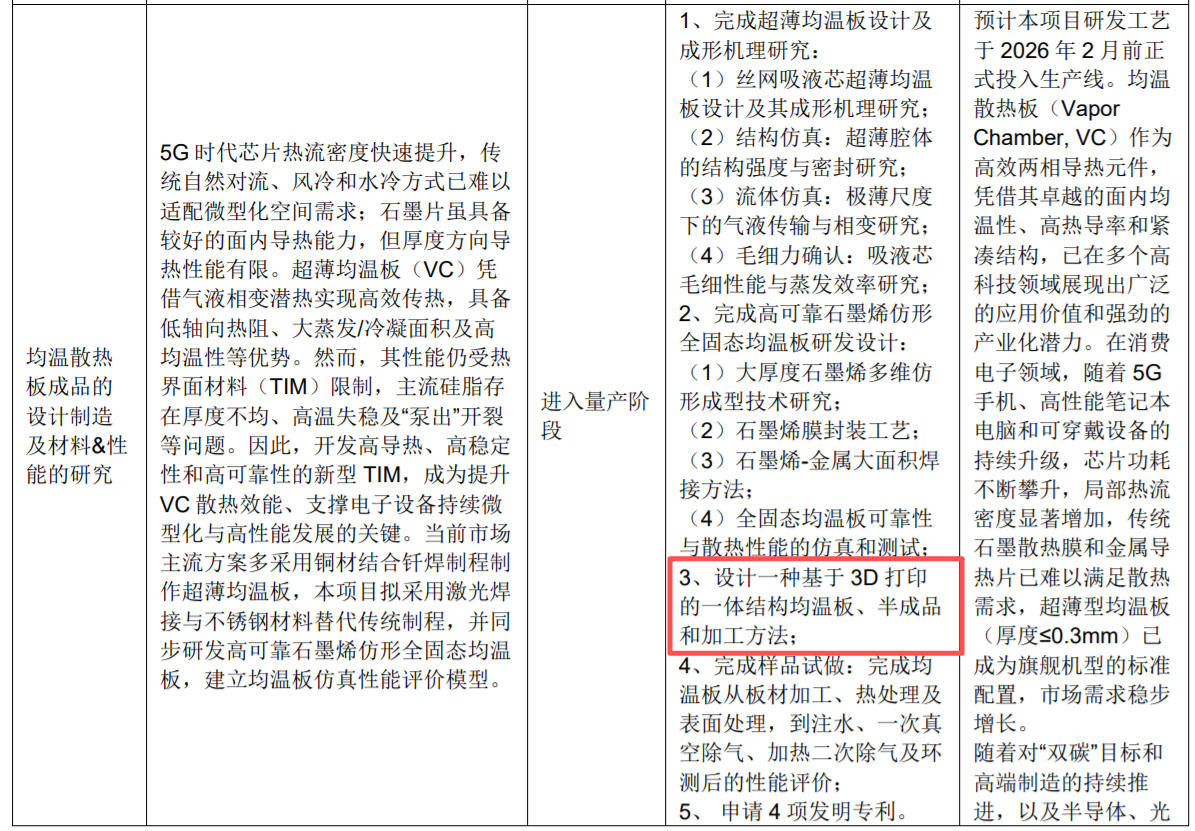
So, what is Luxshare Precision's strategy in the 3D printing arena? According to the company's report, Luxshare has five active R&D projects related to 3D printing. These primarily involve titanium alloy watch cases, anodizable high-strength aluminum alloys, metal 3D printing and post-processing, combined 3D printing and injection molding processes, and 3D-printed heat spreader plates.
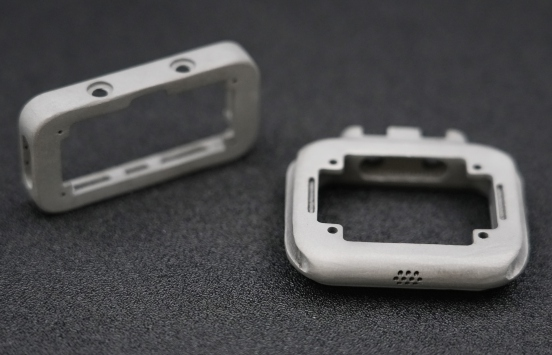
① Integrated Processing Development of 3D-Printed Titanium Alloy Watch Case Raw Materials – This project has already entered the mass production phase. It focuses on four core dimensions: precision performance, manufacturing process and mass production capability, cost efficiency, and market compliance. It emphasizes "3D printing + post-processing."
② Key Technology Research and Development for the Preparation and Application of High-Strength Aluminum Alloy Powder for 3D Printing – This project aims to develop a rare‑earth‑free additive manufacturing powder specifically for 3C applications, bringing it to customers and the market to achieve mass production. The project has received funding from the Yancheng City Industrial Innovation Science and Technology Support (Industry) Special Project (the "Open Competition" mechanism). It has validated commercially successful anodizable powder compositions and is advancing reverse engineering development. Initial verification with trace‑amount or rare‑earth‑free compositions has been achieved.
③ Application Project for Precision Structural Manufacturing Processes for AI Smart Glasses – This project seeks to overcome the technical bottleneck in precision manufacturing of metal frames for AI smart glasses by integrating metal 3D printing with precision post‑processing technologies. This will enable the integrated rapid manufacturing of complex, lightweight structures.
④ 3D-Printed Titanium Alloy Watch Case Raw Materials + IM Components – This project is developing high-performance titanium alloy watch cases based on 3D printing technology, fused with innovative injection molding (IM) processes. The goal is to provide leading smartwatch brands with a watch case solution that combines lightweight construction, high strength, and complex functional integration. Structural analysis of the watch case and material selection have been completed. The design of the combined 3D printing and injection molding (IM) hybrid process, as well as mold development, are currently underway.
⑤ Design and Manufacturing of Finished Vapor Chamber Heat Spreaders and Research on Materials and Performance – This project includes the design of a monolithic vapor chamber heat spreader based on 3D printing, its semi‑finished product, and associated manufacturing methods.
Currently, 3D-printed 3C components are largely divided into two major camps. One camp consists of traditional supply chain giants in the 3C sector, including Luxshare Precision, Zhongshan Precision, Foxconn, and Hongrida. The other camp encompasses emerging players like BLT, Farsoon, and BeamIT. The question of which companies will ultimately partner with leading smartphone brands such as Apple, Huawei, Xiaomi, OPPO, and Honor is currently taking shape. Ongoing attention will be paid to these developments.


©2025 3dptimes.com All Rights Reserved