March 19, 2026      Applications      9565

What happens when 3D printing stops being a gimmick and becomes a real solution? The METIS project by WAZP provides the answer.

Most shoe designs prioritize appearance over the natural structure of the human foot. WAZP wanted to create a shoe that customers would love, could be produced sustainably, and would be easy to recycle. But they faced a dilemma:
Traditional shoemaking: High market acceptance, but a carbon footprint of 12-14 kg per pair and difficult recycling.
Fully 3D-printed: Strong production advantages, but low market acceptance. Printing a single pair takes 12-18 hours, and failure means waste.

The Way Out: Rejecting Both

The WAZP team posed a new question: Why use 3D printing for the entire shoe, when it could be used to solve the most complex part—assembly?
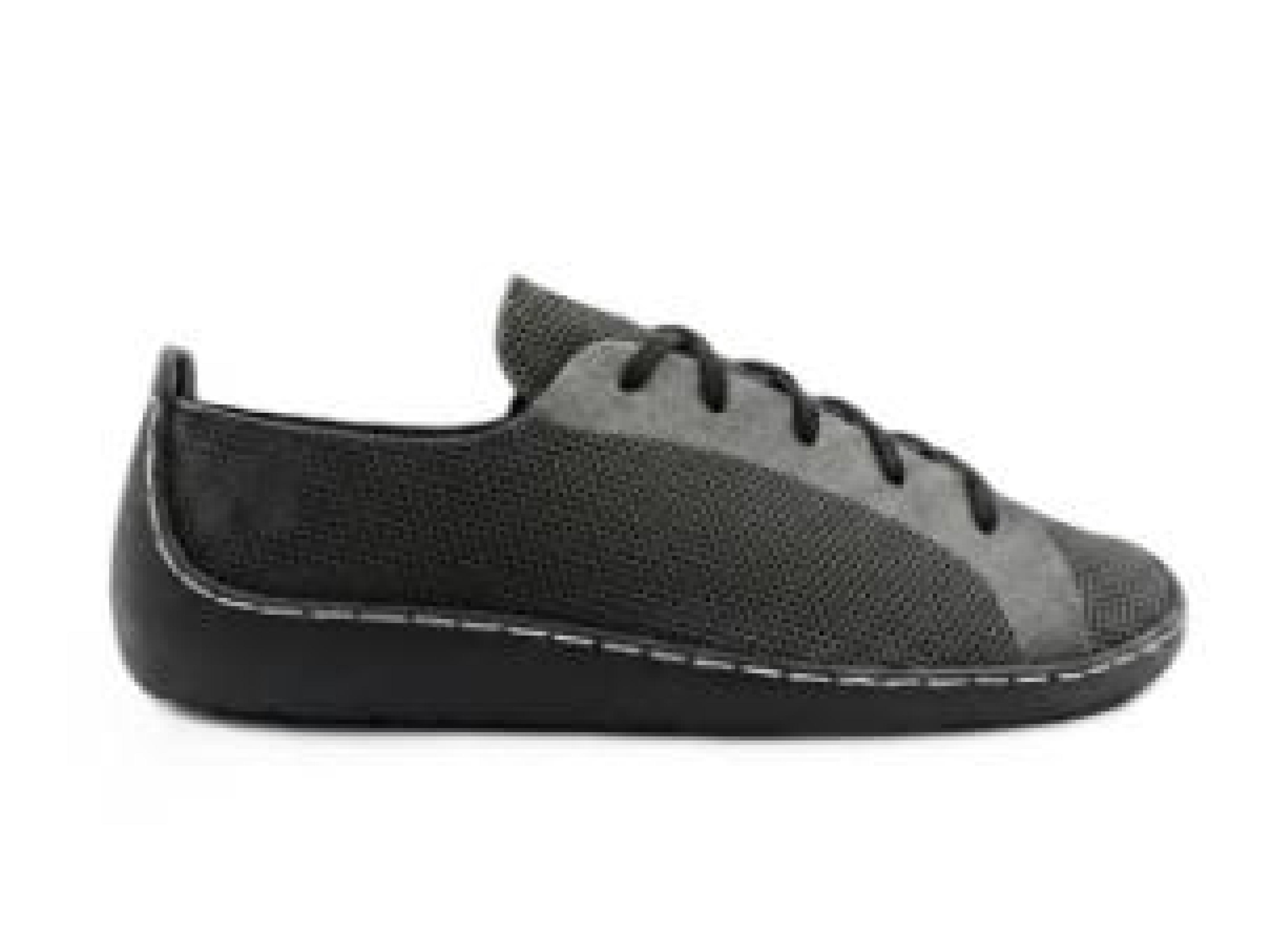
So, they abandoned the bulky, futuristic look often associated with 3D printing, replacing it with clean lines and a modern aesthetic. The innovation is hidden where you can't see it.

EasyStitch©: Traditional Craftsmanship + 3D Technology

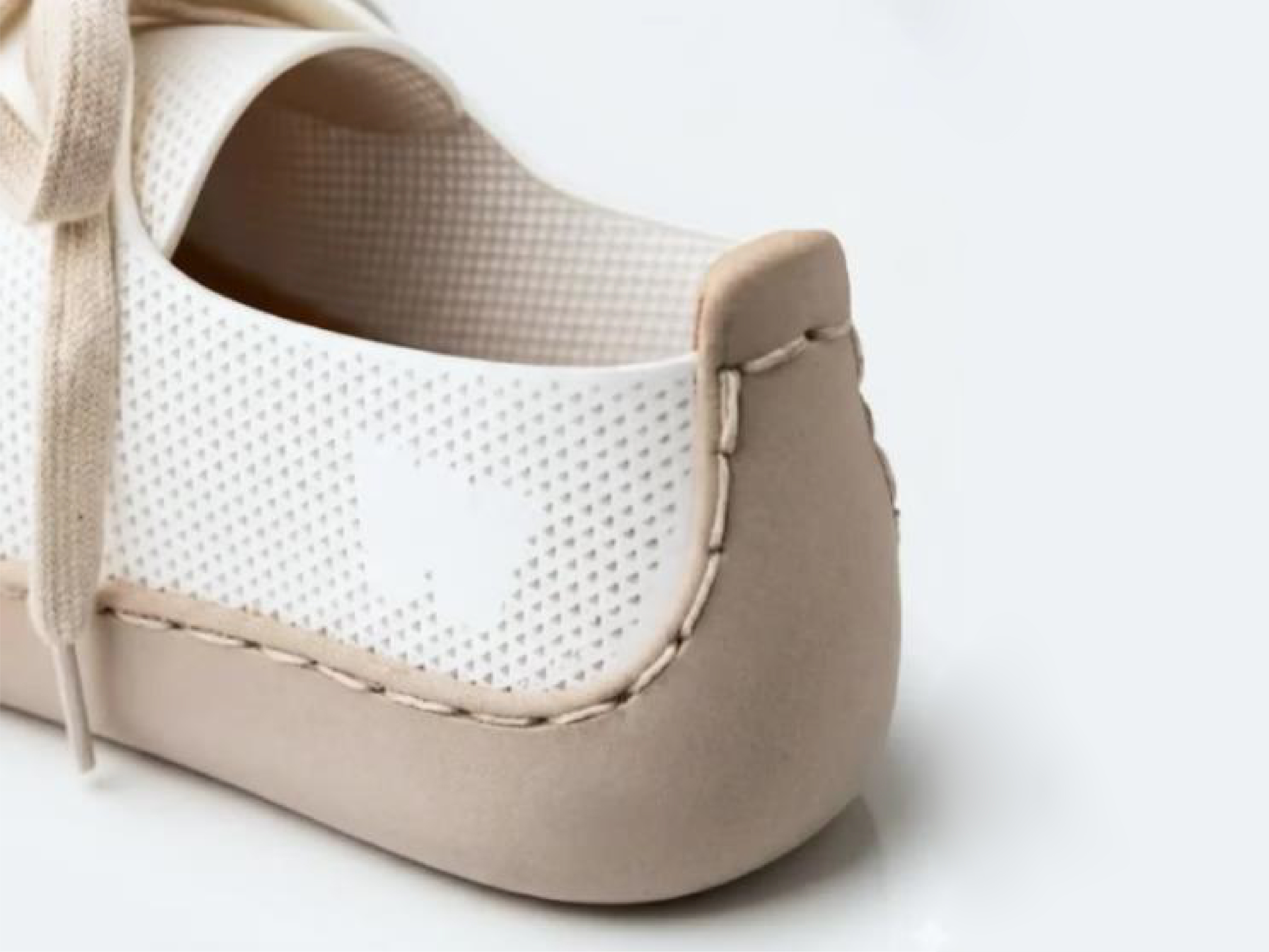
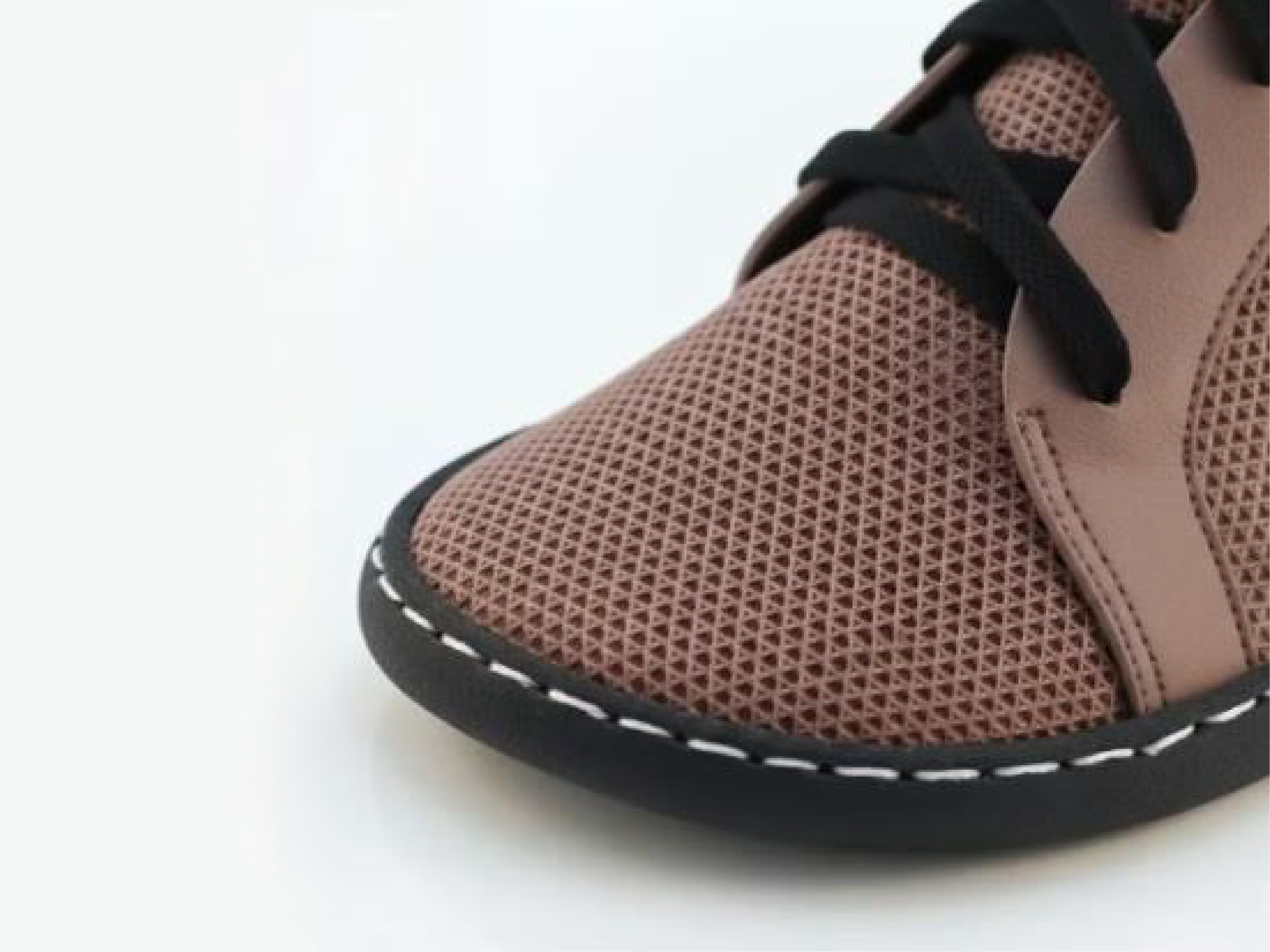
METIS introduced the EasyStitch© system—a modular stitched construction. 3D-printed components guide and simplify the assembly process, while retaining the durability of traditional footwear.
This means: anyone with basic sewing knowledge can assemble a shoe anywhere, with minimal tools and absolutely no glue or chemicals.

The Results?

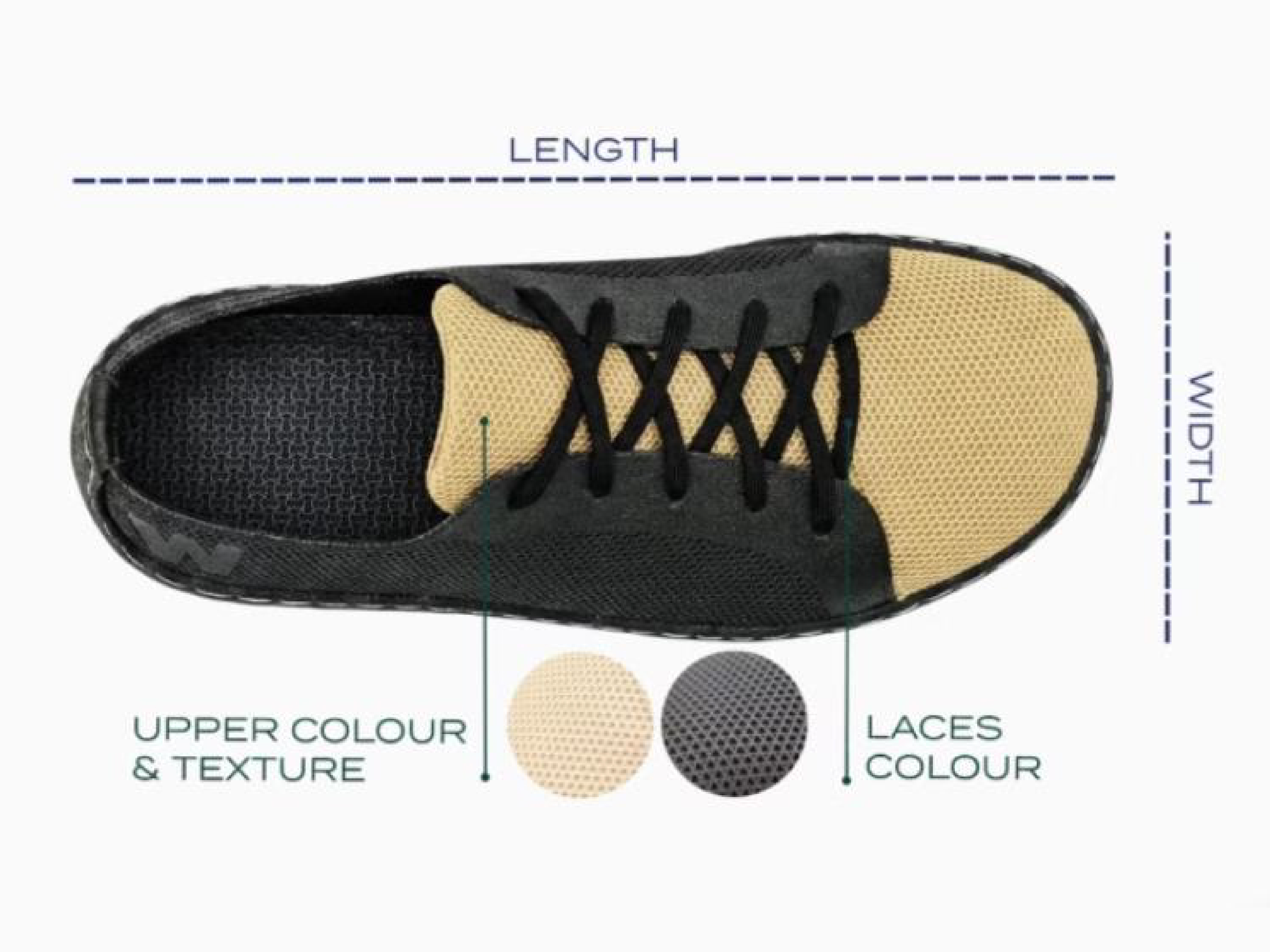
A wide, anatomical fit that respects natural movement
Complete elimination of molding, cementing, and heavy machinery
Significantly improved repairability, and recycling is no longer complicated

WAZP's brilliance lies in this: they didn't print the entire shoe just to show off the technology. Instead, they let 3D printing return to its essence—solving problems that traditional processes cannot. This approach of "traditional craftsmanship + 3D technology" might just be the true direction for sustainable manufacturing.


©2025 3dptimes.com All Rights Reserved