When AI Meets 3D Printing: A Plastic Clone with One Click—Novelty or Waste?
With just a selfie, AI can generate a 3D printable figurine of you in minutes. Late last year, leading 3D printing companies Bambu Lab and Creality launched such AI tools—PrintU and CubeMe, respectively—effectively reducing the barrier for turning photos into 3D models to zero. We personally tested this "create-me" experiment.
Operation: Extremely Simple, Yet a "Black Box"
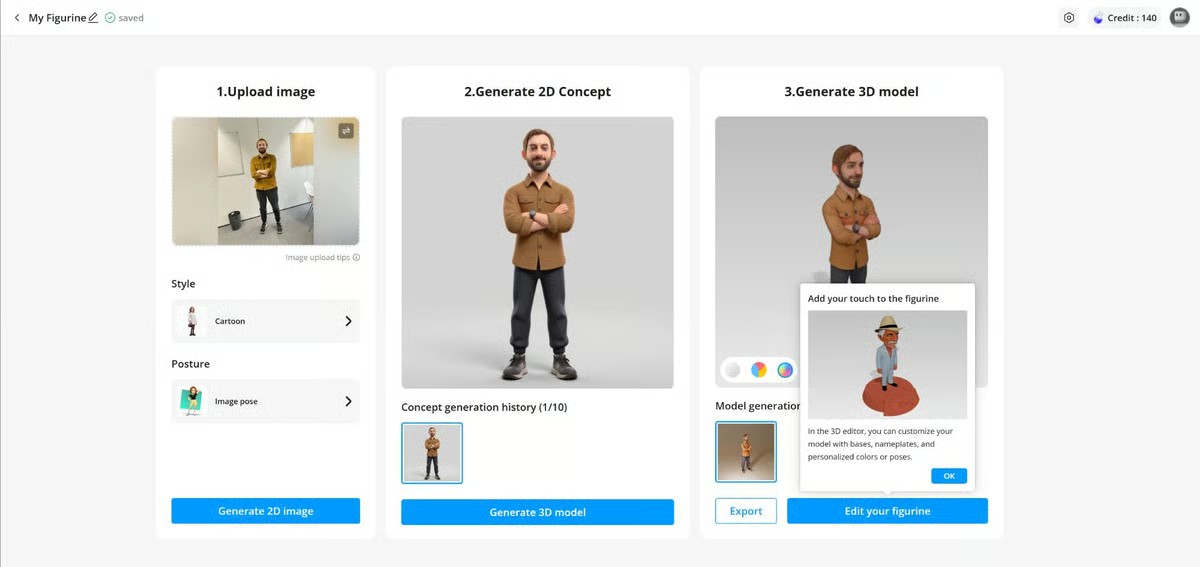
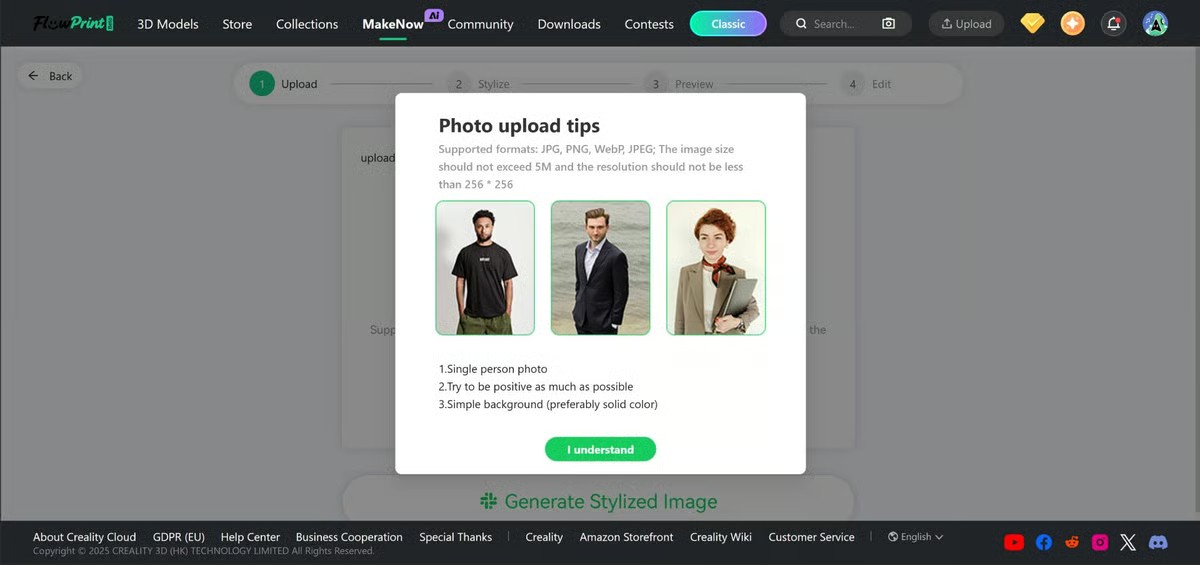
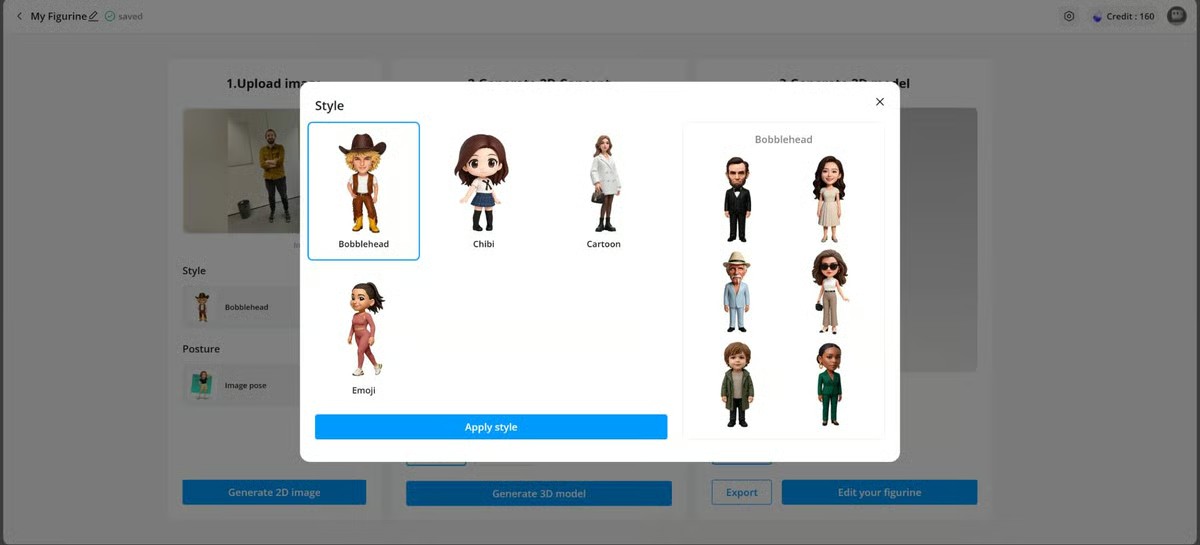
The entire process can be described as "no-brainer." Upload a photo, choose a style (such as cartoon, chibi, or bobblehead), adjust the pose, and the model is ready. Bambu Lab's PrintU allows previewing and fine-tuning the 2D render, while Creality's CubeMe skips this step and directly generates the 3D result. Users need zero knowledge of 3D modeling.
Results: Convenience Coexists with the "Uncanny"
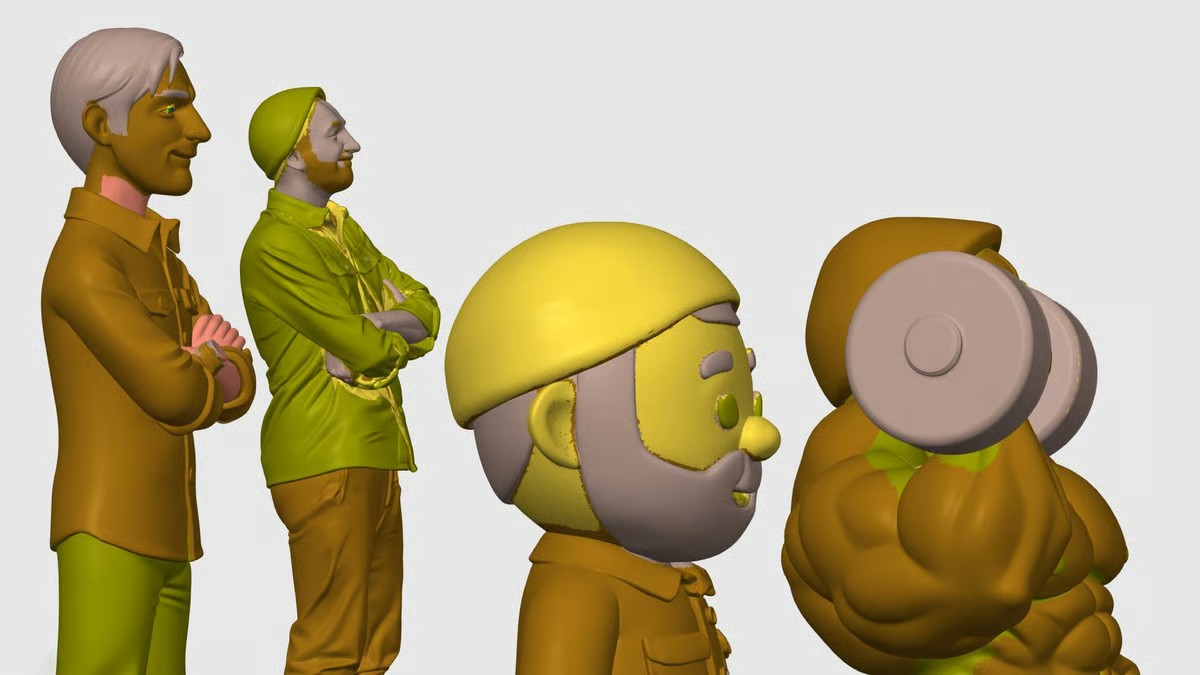
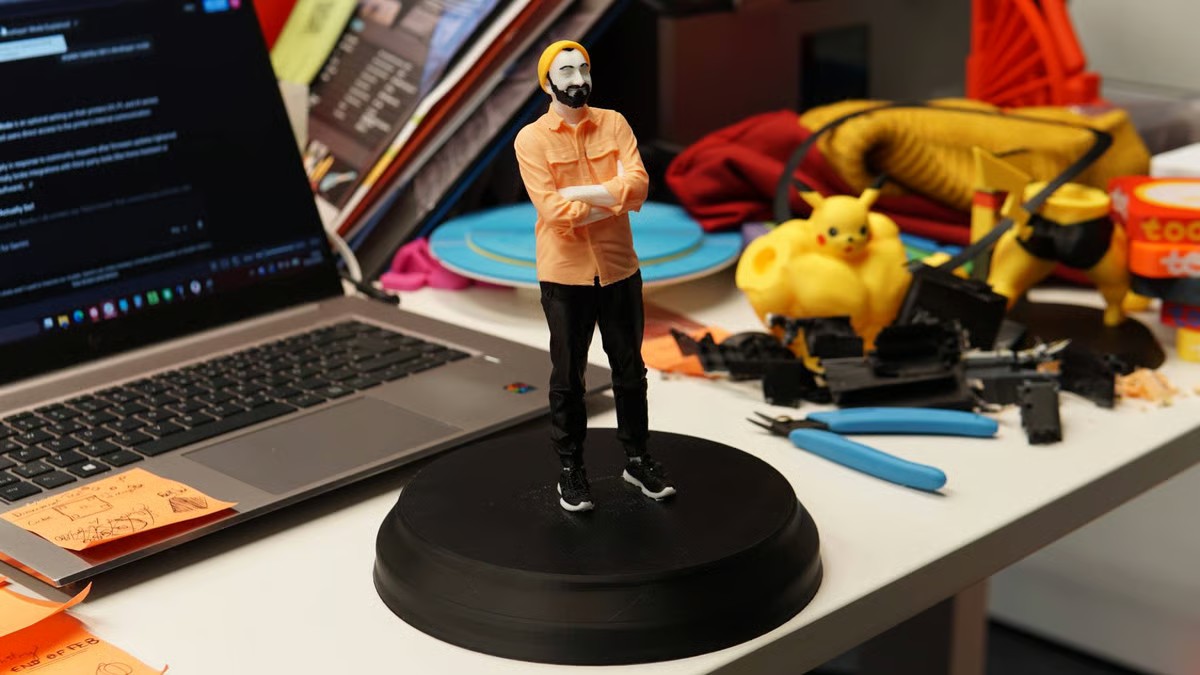
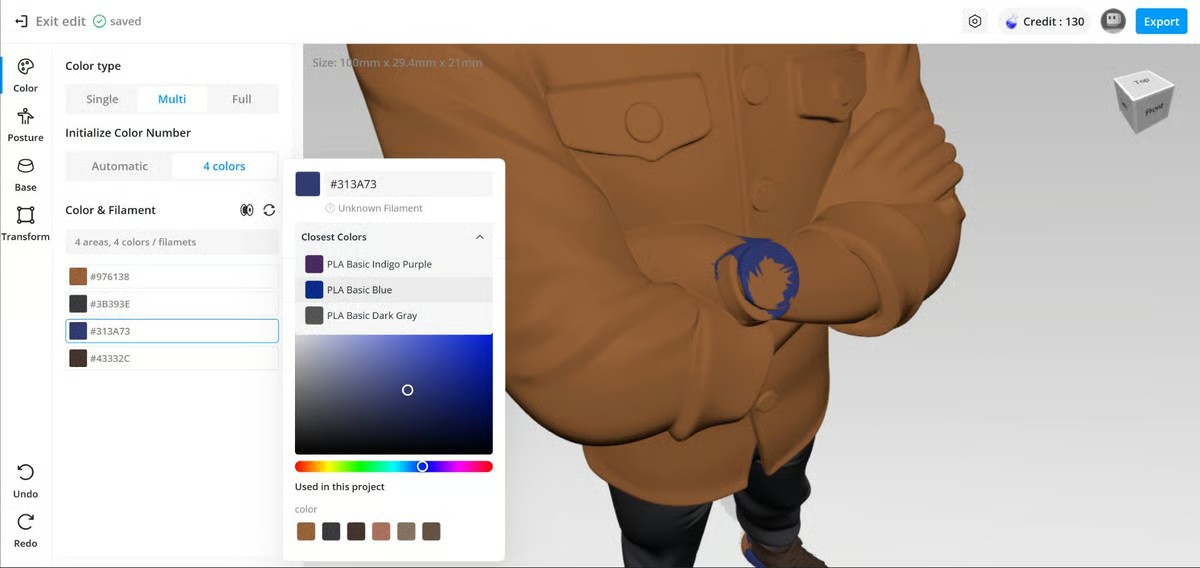
The technology itself is impressive, but the output quality is inconsistent. The AI's ability to quickly generate watertight, printable models is a significant advancement. However, the automatic color separation is often poor, and facial expressions/details frequently appear "uncanny," requiring manual color touch-ups in slicing software afterward. More notably, regardless of the model's complexity, the files are excessively bloated, each containing close to 500,000 polygons—far from optimal.
Controversy: Is This Innovation, or Does It Reduce 3D Printing to a "Cheap Impulse"?
The core debate lies in its inherent value. While these tools dramatically lower the barrier to creation, they also risk reducing 3D printing to a form of "hollow impulse consumption"—encouraging people to produce plastic trinkets for momentary novelty, which may soon be discarded. The author pointedly notes that this reinforces the negative stereotype of "personal 3D printing as a generator of plastic junk," contradicting the original intent of many enthusiasts who use it to solve practical problems and perform creative repairs.
AI photo-to-model is undoubtedly a cool tech demo showcasing algorithmic prowess. However, while pursuing entertainment and convenience, the industry must consider how to steer this technology toward more meaningful creation and reduce unnecessary material consumption. Before clicking "generate" next time, perhaps we should ask ourselves: Is this something I truly need to print?