Designers are using 3D printing to redefine comfort and sustainability — creating products that are stronger, lighter, and more perfectly fitted to human life.
Designers didn’t turn to 3D printing just to follow a trend.
It began from noticing all those small but persistent flaws in traditional products — shoes that are too heavy or hot, support items that collapse after a few uses, and even “indestructible” pet toys that barely survive a week.
They started asking: why should design be limited by molds?
Why can’t products truly fit people’s needs, without waiting months for tooling or production changes?
3D printing made that possible. It gave designers the freedom to go directly from idea to reality — to make changes instantly and test them the next day.
The goal isn’t to make a “high-tech shoe,” but to make everyday items more comfortable, more adaptive, and more human-centered.
What Makes 3D Printed Shoes Different
3D printed shoes aren’t just “made differently.”
They represent a new way of thinking about design, production, and comfort.
Design Freedom
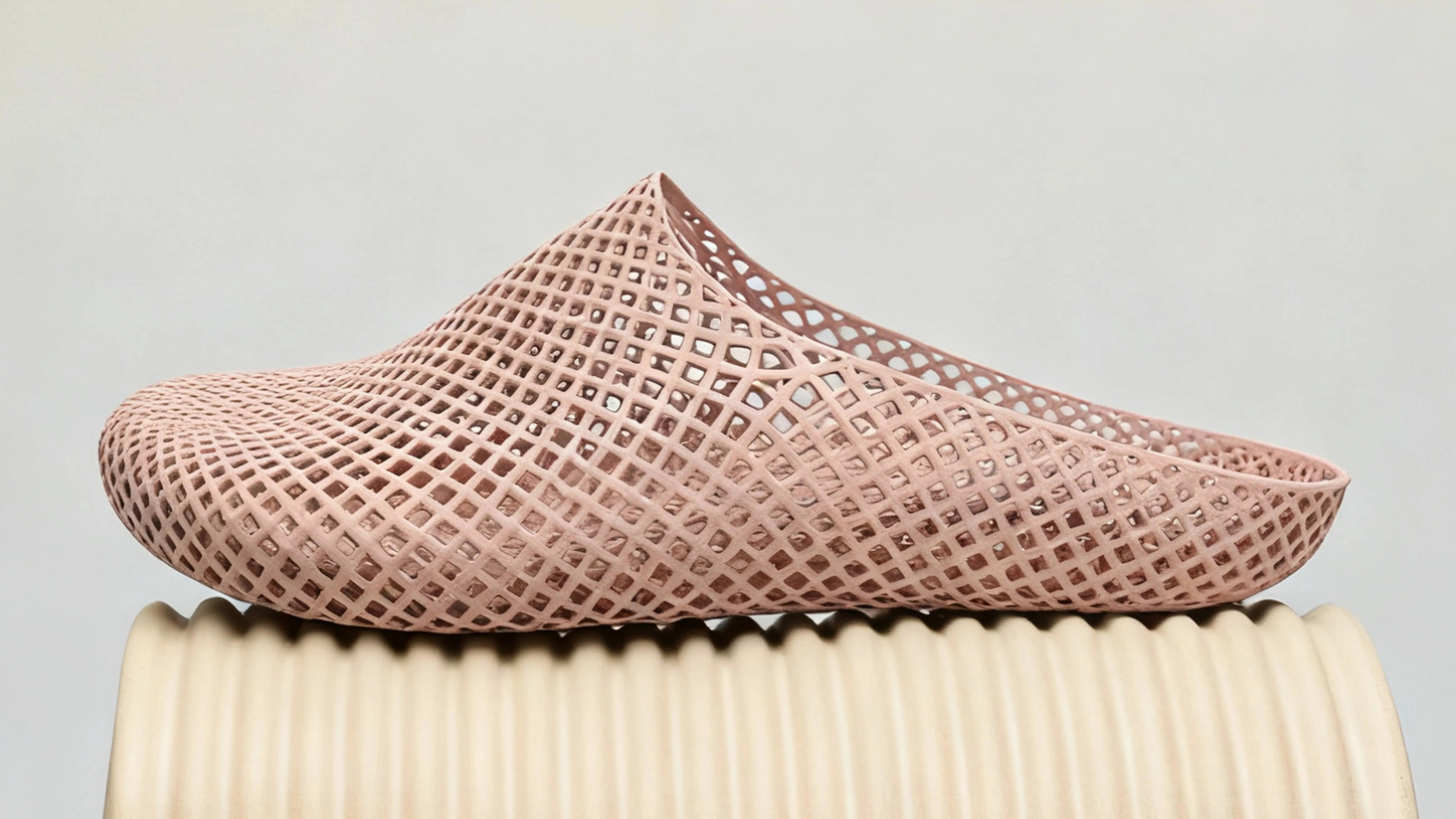
Without molds, designers can experiment with lattice structures, organic shapes, and personalized fits — every foot shape and walking pattern can be accommodated.
Precision Manufacturing
Each shoe is printed layer by layer, eliminating seams, glue lines, and assembly inconsistencies. The result: highly consistent quality and performance.
Sustainability
Printing uses only the material needed for each pair, producing almost zero waste — no molds, no overproduction.
Personal Comfort
Shoes can be tuned for wide forefeet, high arches, or specific support zones, providing truly customized comfort.
Faster Iteration
A traditional shoe may take months to develop; with 3D printing, designers can go from concept to prototype in days.
In short, 3D printing lets shoes follow the foot — and lets design innovation keep pace with real life.
Balancing Strength and Flexibility
From a materials perspective, testing shows impressive performance numbers:
Tensile Strength: 25.6 MPa
Elongation at Break: 244%
Hardness: 83 Shore A
Tensile Modulus: 25.2 MPa
This means the material is both strong and elastic — it stretches without tearing, supports without stiffness.
Shoes made from it can flex naturally while maintaining stability and rebound.
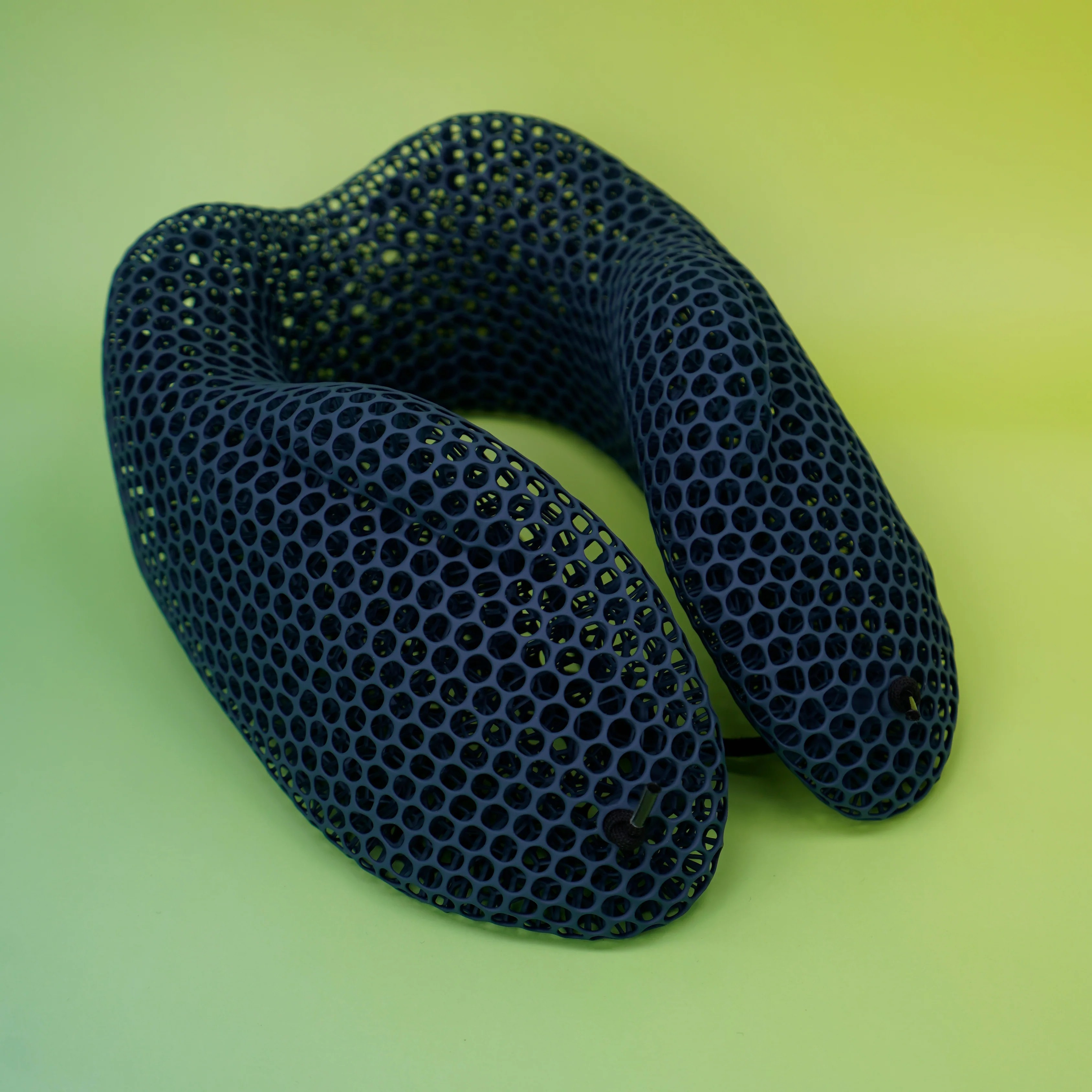
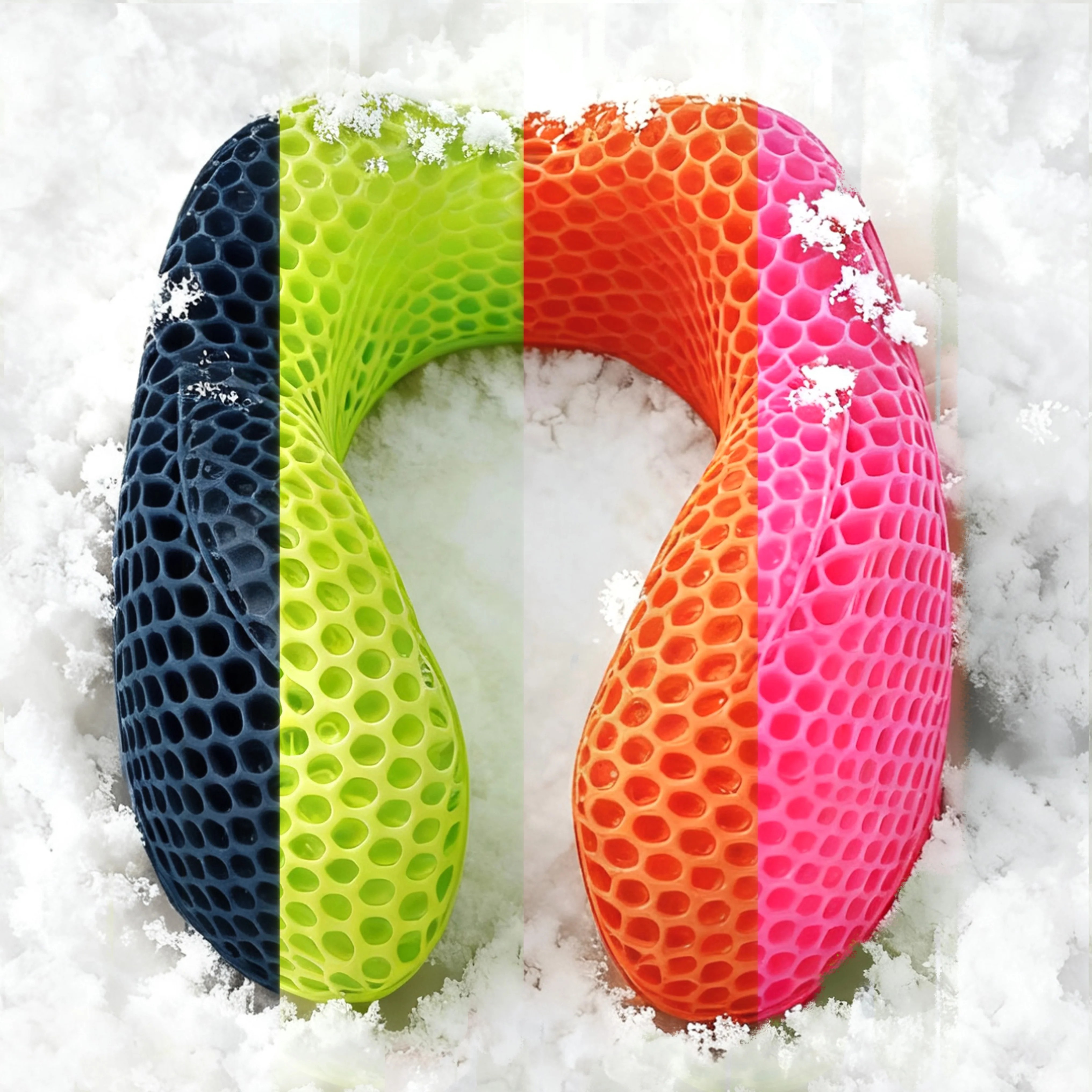
Combined with lightweight lattice structures, the design achieves a rare balance of durability and comfort.
Even better, 3D printing allows designers to assign different densities to different zones — firmer where support is needed, softer where cushioning matters — something traditional molding can’t do.
Redefining Everyday Comfort
As life speeds up, more people are searching for ways to slow down and feel at ease.
3D printing isn’t just about faster manufacturing — it’s about creating objects that better align with human rhythm.
For example:
Soles that flex naturally with every step.
Furniture that supports posture precisely.
Products that can be fine-tuned to each individual, not just to a “standard size.”
Comfort is no longer a luxury — it’s a design principle.
The future of comfort isn’t about acceleration; it’s about alignment — living and moving in harmony with yourself.
Designers embrace 3D printing not for novelty, but for improvement.
It offers:
Greater design freedom
Balanced strength and softness
Sustainable production
Personalized comfort
Rapid iteration
Together, these qualities don’t just create better shoes — they redefine what “comfort” means in everyday life.
Every step, every movement, every object becomes a little more personal, a little more natural, and a lot more human.
About the Author — Jason Lim
Jason Lim is the founder of Epark, a seasoned 3D printing engineer and designer with years of hands-on experience in digital fabrication and product innovation.
His work bridges technology and design, focusing on how additive manufacturing can transform everyday products into more human-centered, efficient, and sustainable solutions.
Based in California, Jason continues to explore the intersection of creativity and engineering, leading projects that push the boundaries of what 3D printing can achieve.
Global Offices
U.S. Headquarters
2595 Pomona Blvd, Pomona, CA 91768, USA