March 8, 2026      Applications      9885

The Real ROI of Personalized 3D Printing in Oncology: Saving Money and Boosting Efficiency

For years, the 3D printing industry has operated under a long-held belief: customization equals expensive. But in healthcare, especially oncology, this logic is turned on its head. The "one-size-fits-all" approach actually ends up costing hospitals significantly more.

"Cheap" Generic Devices Hide the Highest Costs

Take head and neck cancer radiotherapy as an example. The standard tools widely used today, like basic bite blocks, have a low purchase price but come with extremely high clinical costs—poor immobilization often leads to unintended radiation exposure of healthy tissue.
The result for patients is severe oral mucositis. Studies show that the additional care triggered by this complication—hospitalizations, feeding tube placements—adds an average of $17,000 per patient. For hospitals, this translates into resource strain, chaotic workflows, and spiraling costs.

How Custom Solutions Save Money

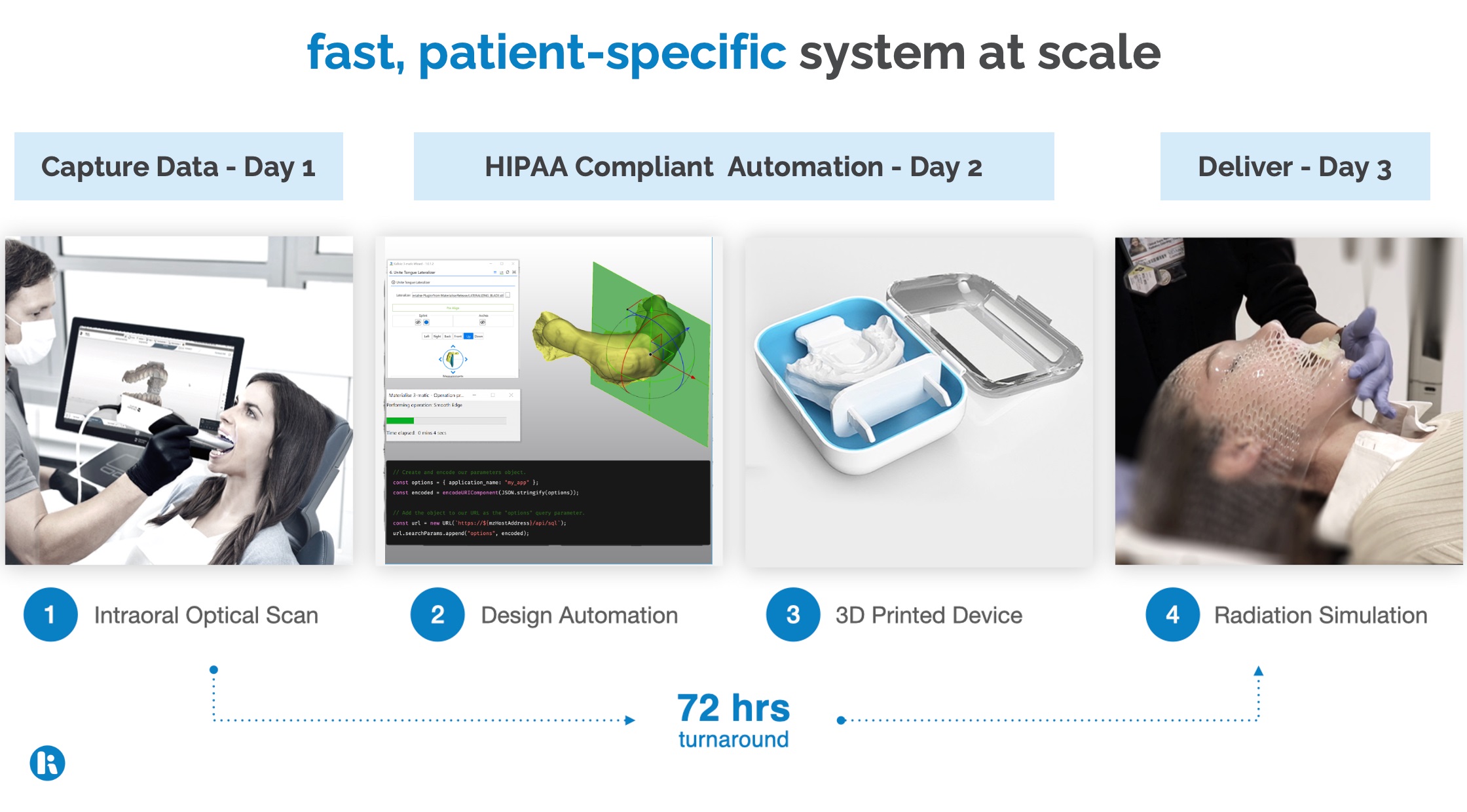
Kallisio's Stentra™ platform offers a different approach: using intraoral scanning and 3D printing, a customized device can be delivered within 72 hours.
Clinical data shows this precise fit can reduce the incidence of severe oral mucositis by 77.6% . In other words, a modest upfront investment directly avoids that $17,000 in downstream costs.

More Than Just Saving Money, It Increases Capacity

Radiotherapy equipment (linear accelerators) is one of a hospital's most expensive assets. Generic devices require repeated adjustments for each session, but custom-fit devices work correctly on the first try.
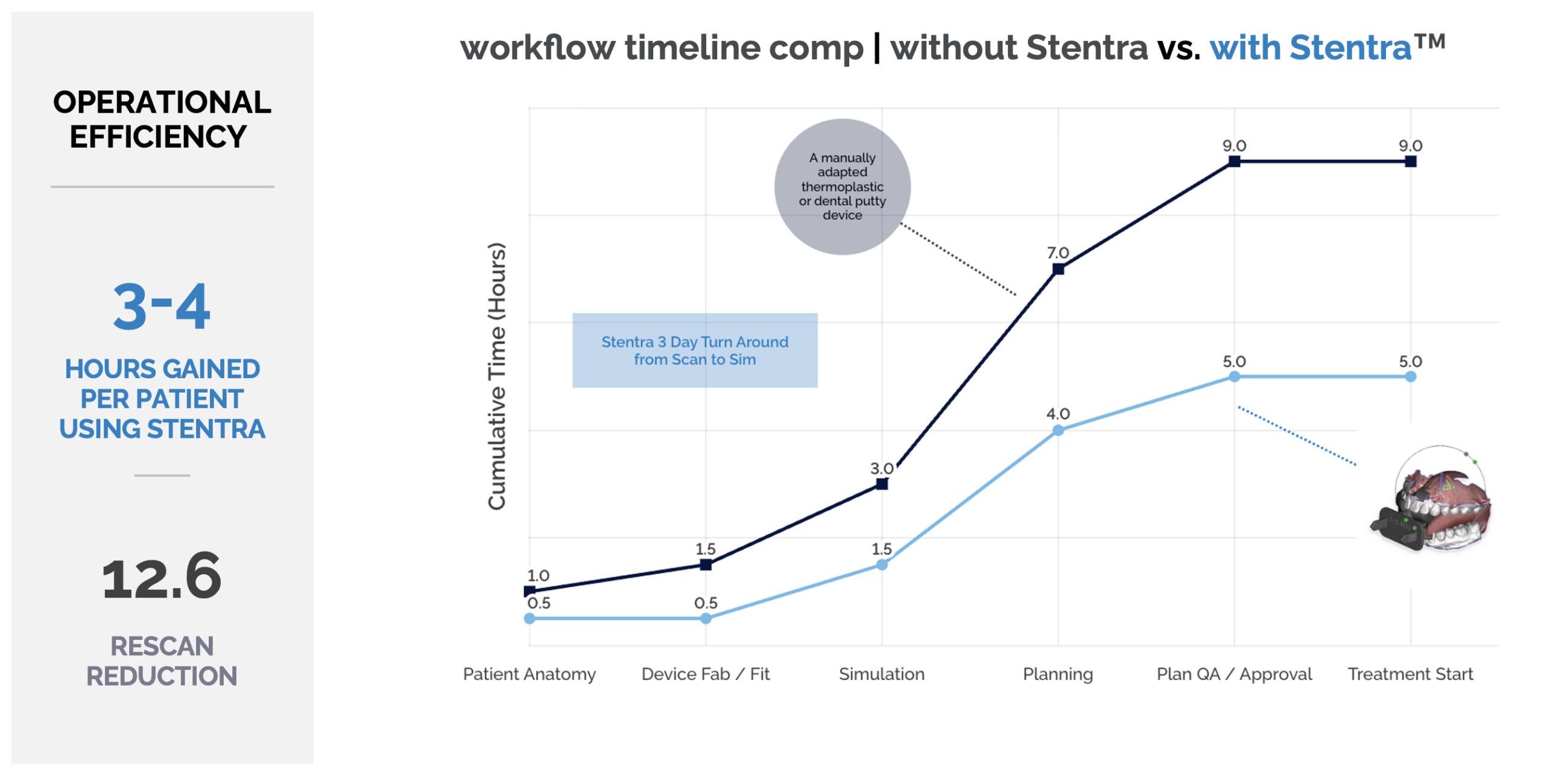
Data indicates Stentra saves 3-7 minutes per treatment fraction. For a standard 30-fraction head and neck cancer course, that translates to 3-4 hours of machine time saved per patient—meaning hospitals can treat more patients without adding equipment or staff.
Similarly, the repeat CT scan rate caused by poorly fitting generic devices is about 10%. Custom 3D-printed solutions can drive this number down to less than 1% , reducing imaging costs and patient inconvenience.


©2025 3dptimes.com All Rights Reserved