Home  >  News

November 7, 2026      News      20      Share to X.com

Six developments span family-friendly printers, automated resin washing, hydropower repair, stop-motion production, bacterial batteries and programmable textiles.

01 | Toybox Luna makes four-color printing more accessible

This edition looks at six projects that change what happens before or after a print. Two desktop machines simplify steps that users would normally handle themselves, while projects in hydropower, animation, bioelectronics and textiles use digital fabrication to tackle different design constraints.

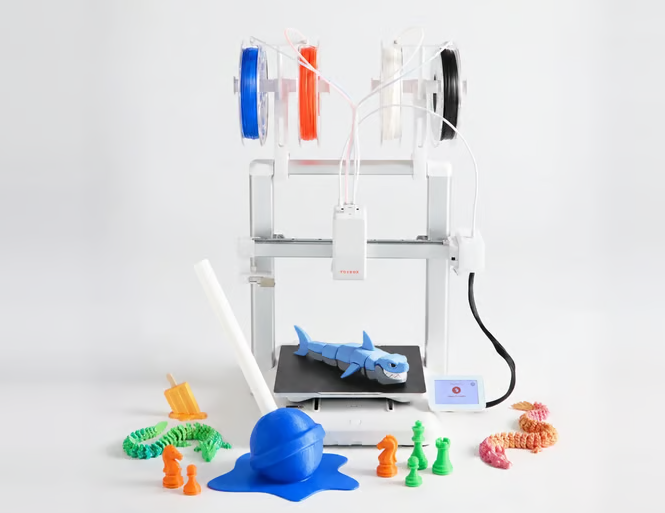
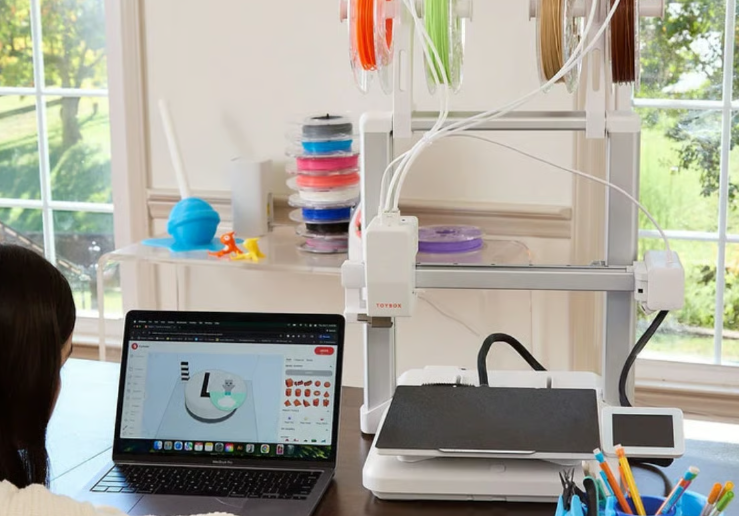
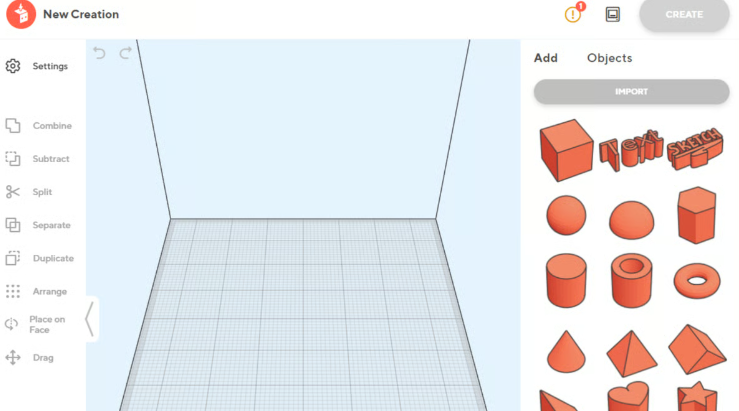
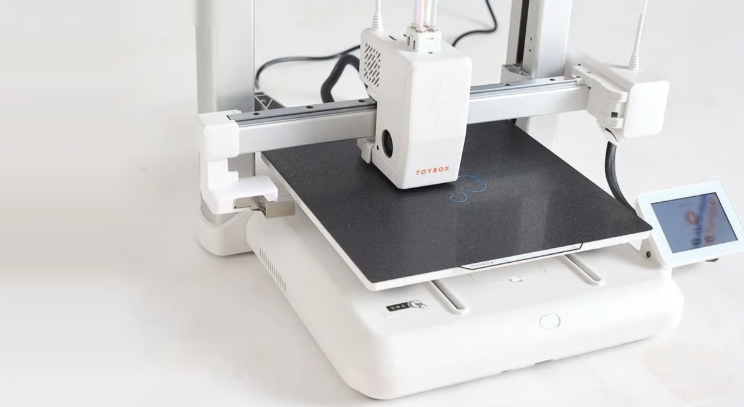
Toybox built Luna around a modified Anycubic Kobra X, adding its own software and model library. The printer supports up to four filament colors and has a 260 mm cubic build volume. Children can select a model and start printing without preparing a separate slicer file. Parents can monitor prints remotely and set spending limits for paid content. The open frame leaves the heated bed and moving parts accessible, so adult supervision still matters.
Source: https://maketoys.zendesk.com/hc/en-us/articles/54175490499348-What-kind-of-printer-is-Luna

02 | UniFormation S10 automates the handoff from printing to washing

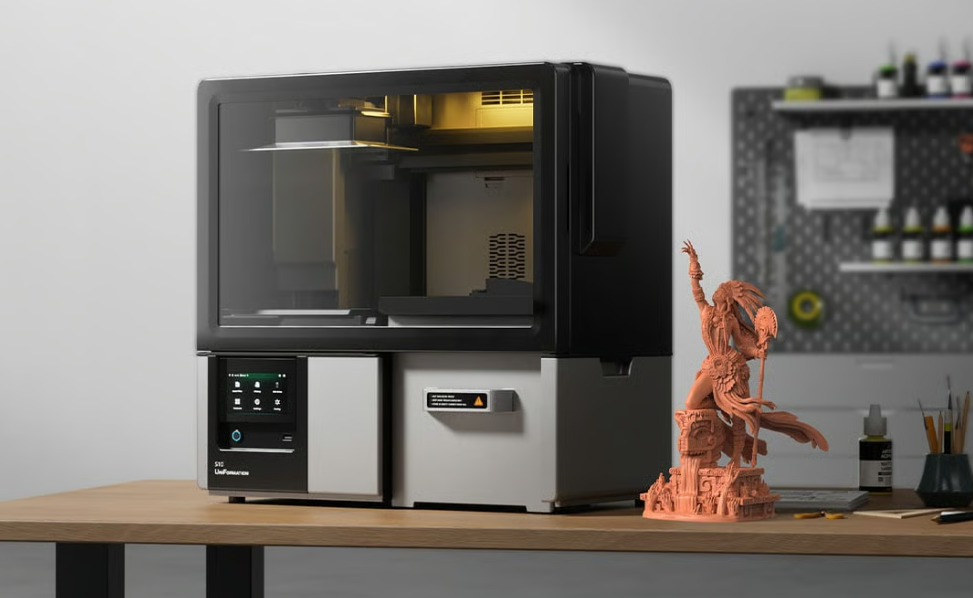
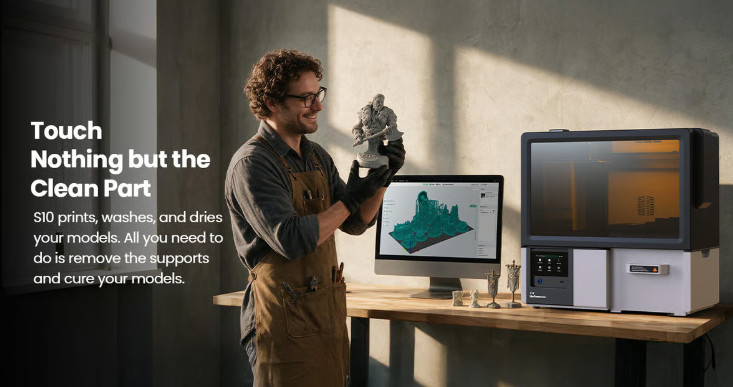
The 16K S10 resin printer moves the build platform through printing, washing and warm-air drying inside an enclosed machine. An optional Fluid Hub is designed to serve up to three printers and reuse solvent from the fine wash for the initial rinse. The October 22 Kickstarter launch advertised early-bird pricing from $999. The workflow covers washing and drying. Final curing is a separate step.
Source: https://uniformation3d.com/blogs/uniformation-s10/love-resin-printing-hate-the-mess-meet-the-uniformation-s10

03 | Three Gorges investigates repairing turbine seals on site

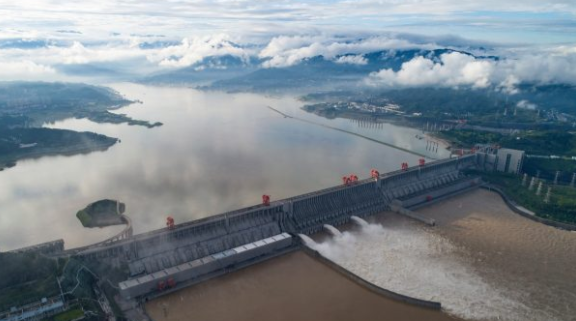
China Yangtze Power is developing an in-place additive repair process for the Three Gorges hydropower station. The current approach requires replacing a damaged runner seal ring, fitting the new ring and machining it to size. The proposed process would deposit material directly onto worn surfaces, with tooling and controls for deposition, distortion and inspection. The procurement covers research and prototype development. Field validation will determine whether the process can reduce outages.
Source: https://www.tgtiis.com/cms/channel/1ywgg1/240638768.htm

04 | LAIKA previews color before printing replacement faces

Additive Appearance is working with stop-motion studio LAIKA to bring its PrismSlicer renderer into the studio’s full-color printing workflow. The software previews how color and translucency may look in a PolyJet part before it is printed. For a production that needs many closely matched facial expressions, the useful test is whether the previews can reduce repeat prints while keeping adjacent expressions visually consistent. A command-line interface supports automation.

05 | A bacteria-powered battery borrows its shape from the gut

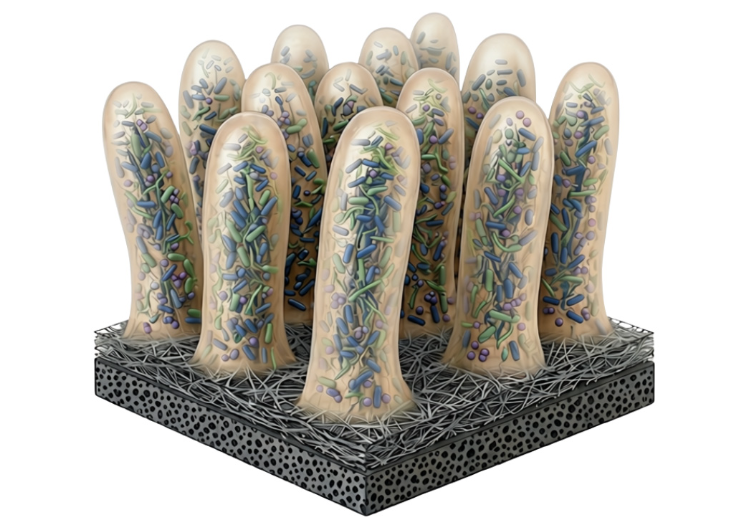
Binghamton University researchers used finger-like projections inspired by intestinal villi to shape a hydrogel anode containing bacteria. The geometry increases the area available for exchange and shortens the path nutrients have to travel. The research team reported roughly 0.75 volts for 14 hours in its test. It is exploring ways to print the structure in a single step and eventually use organic matter in wastewater to power small devices.
Source: https://www.binghamton.edu/news/story/6533/small-intestines-new-biobattery

06 | Printed patterns guide how textiles fold

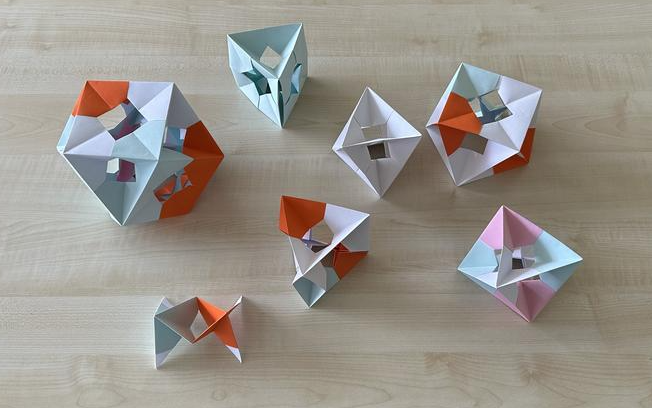
At an RWTH Aachen summer school, students printed rigid or semi-rigid geometries onto flexible textiles and used origami patterns to guide their motion. The fabric, printed geometry and fold layout jointly determine how a prototype moves. The work points toward adaptive garments, soft grippers and other structures that change shape through their material design.
Source: https://idw-online.de/en/news?id=879485&print=1


©2026 3dptimes.com All Rights Reserved