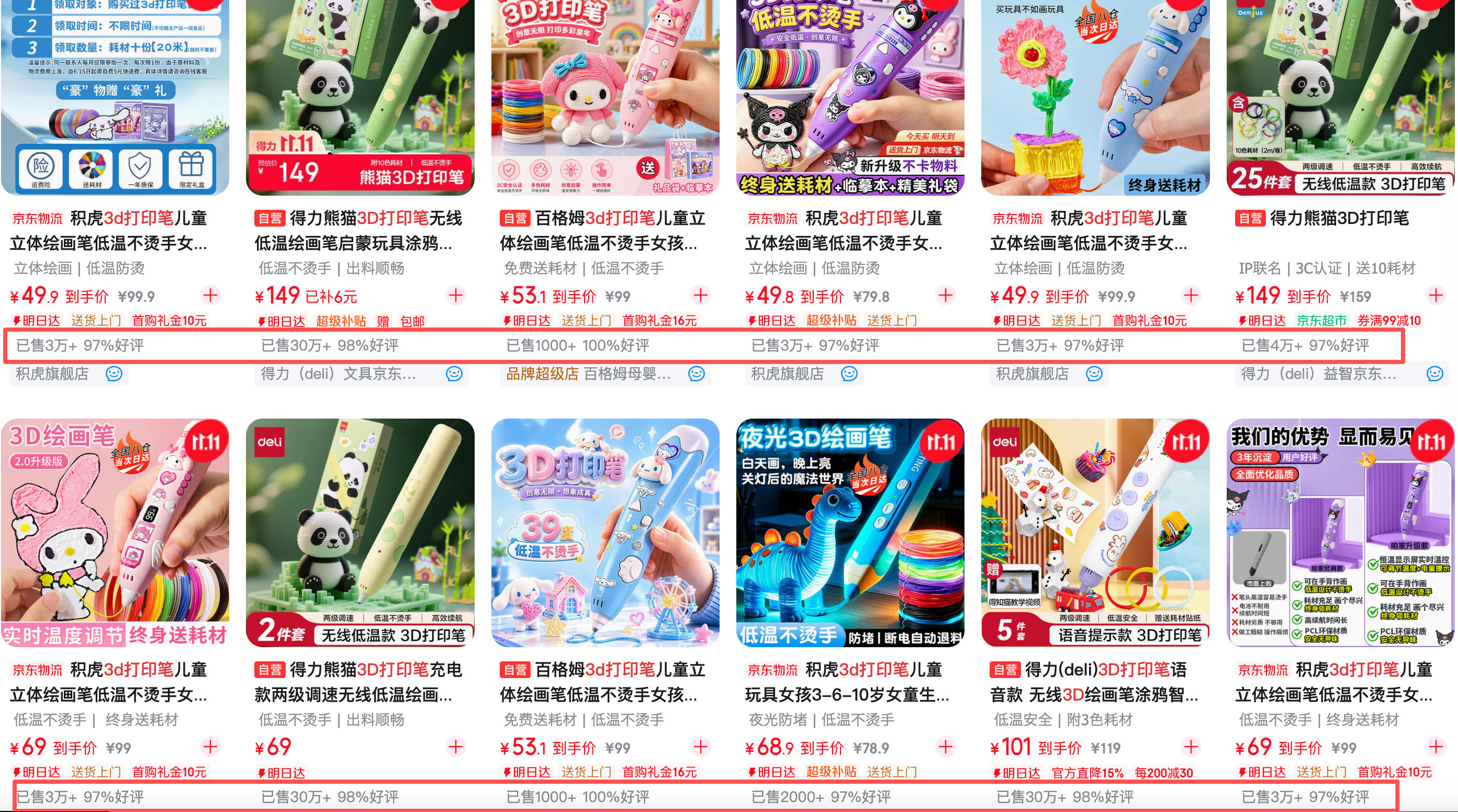
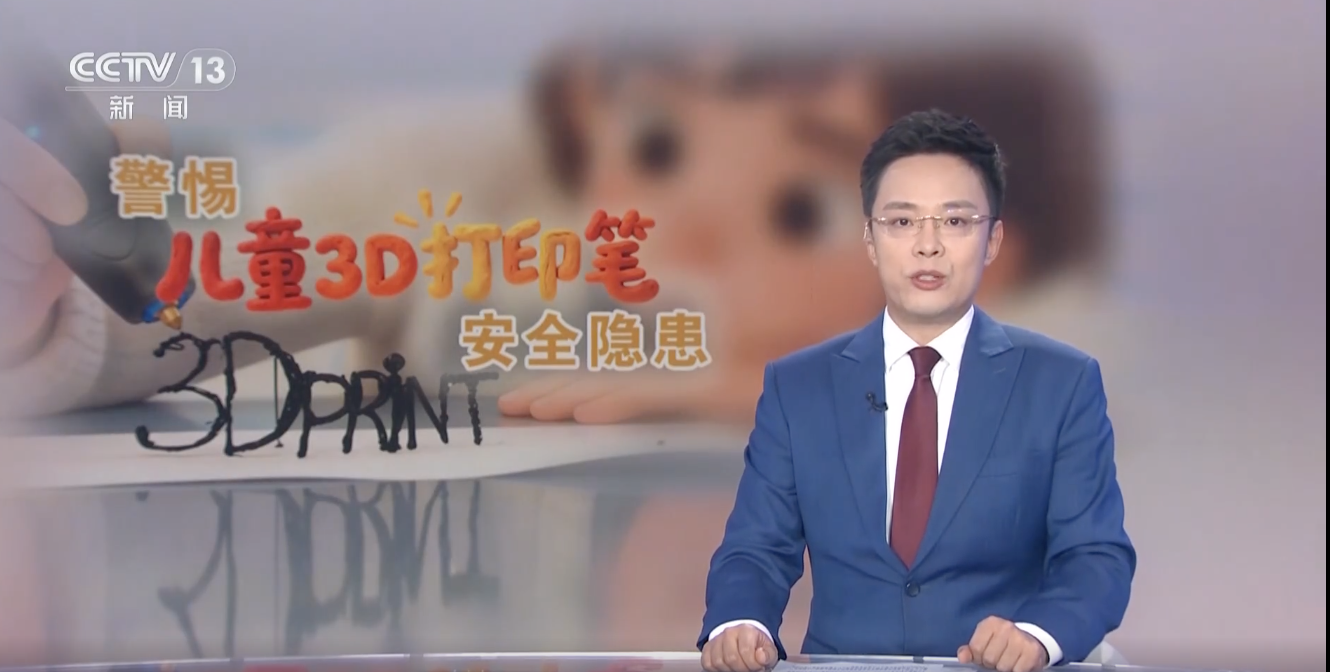
3D printing pens have become a hit in the children's toy market, with multiple products on e-commerce platforms selling over 10,000 units a month and top-selling single items exceeding 300,000 units in cumulative sales.
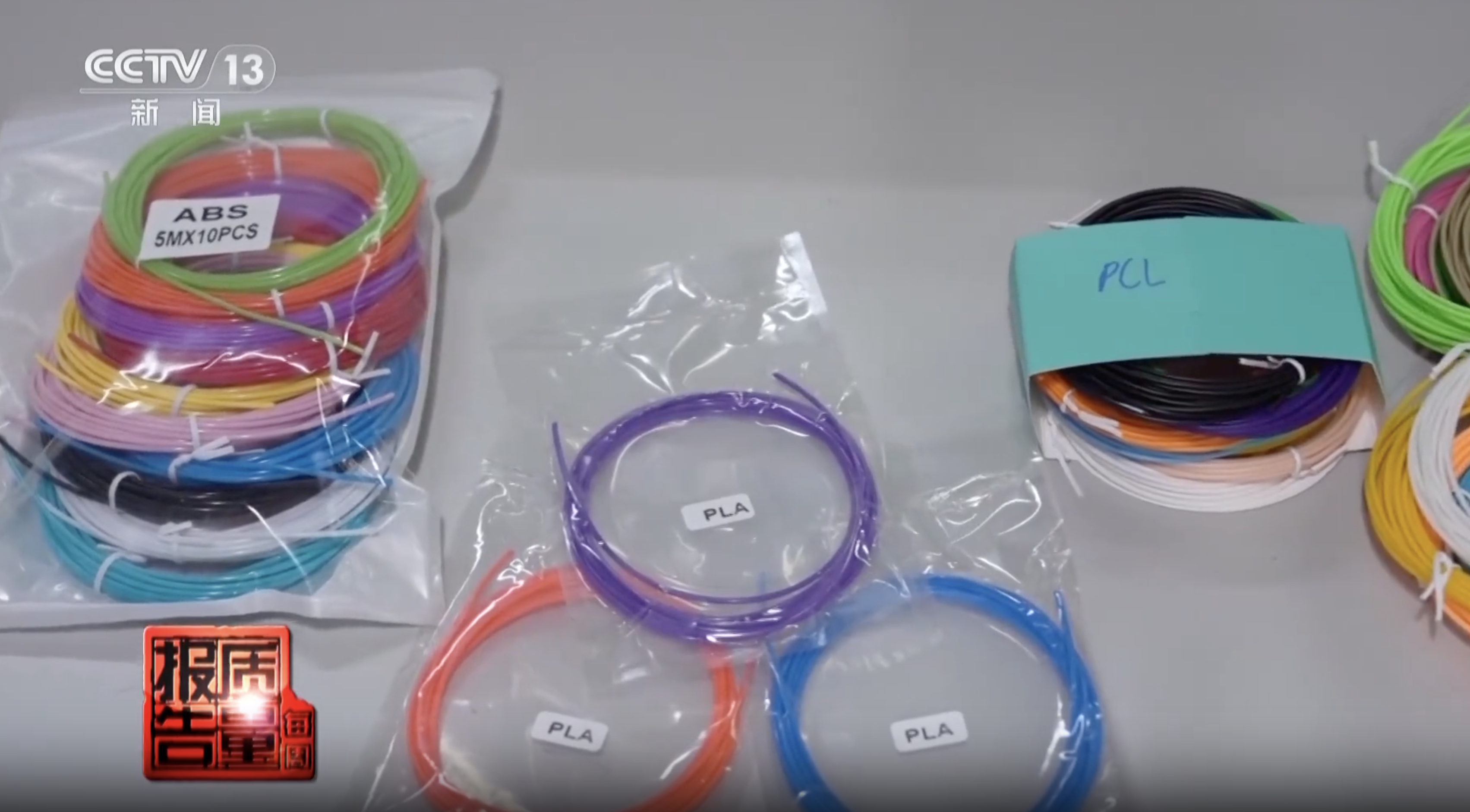
High-temperature burns: 3D printing pens come in low-temperature versions (PCL filament, around 60°C) and high-temperature versions (PLA/ABS, which can exceed 170°C). China's State Administration for Market Regulation advises that a heating temperature of 60°C to 70°C is relatively safe for children's toys. Yet many sellers slap "suitable for children" labels on products regardless of temperature. The Shanghai Consumer Council tested 20 models: high-temperature pen tips reached 210°C—a light touch on pork belly left a mark—while samples labeled "low-temperature" measured 73.5°C to 100.5°C, enough to cause burns.
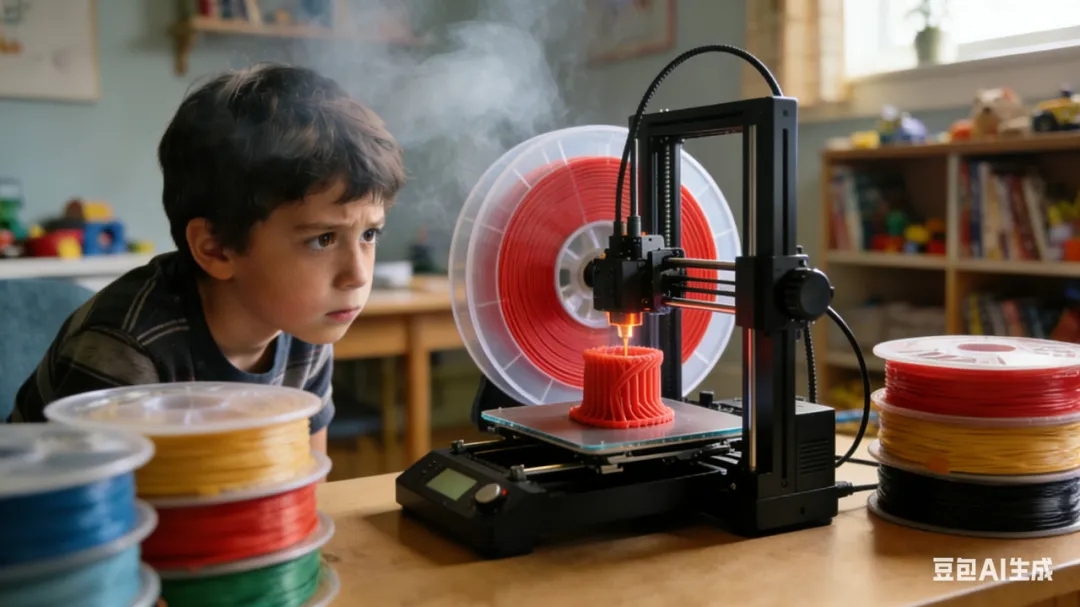
Chemical risks: A 3D printing pen is essentially a handheld FDM device, with the same heating principle as an FDM printer. Testing showed that high-temperature models pose a notable TVOC emission risk, with ABS filament releasing the most—potentially producing harmful substances such as styrene. PLA also generates ultrafine particles when heated.
Buying advice: Look for the 3C certification mark and check the manufacturer name and address, applicable standard, and age range. Prioritize products with auto-sleep (5 minutes or less is better) and overvoltage, short-circuit, and overload protection. Not recommended for children under 6; ages 6 to 12 require full adult supervision. Choose original filament from the same brand, avoid ABS at home, and don't buy into "food-grade filament" marketing talk.
Usage reminders: Use in a ventilated area—not in a closed bedroom or tent. Don't use continuously for more than 30 minutes, and turn it off immediately if you smell an odor. Even with low-temperature models, supervise the whole time—don't touch the tip or chew the filament.
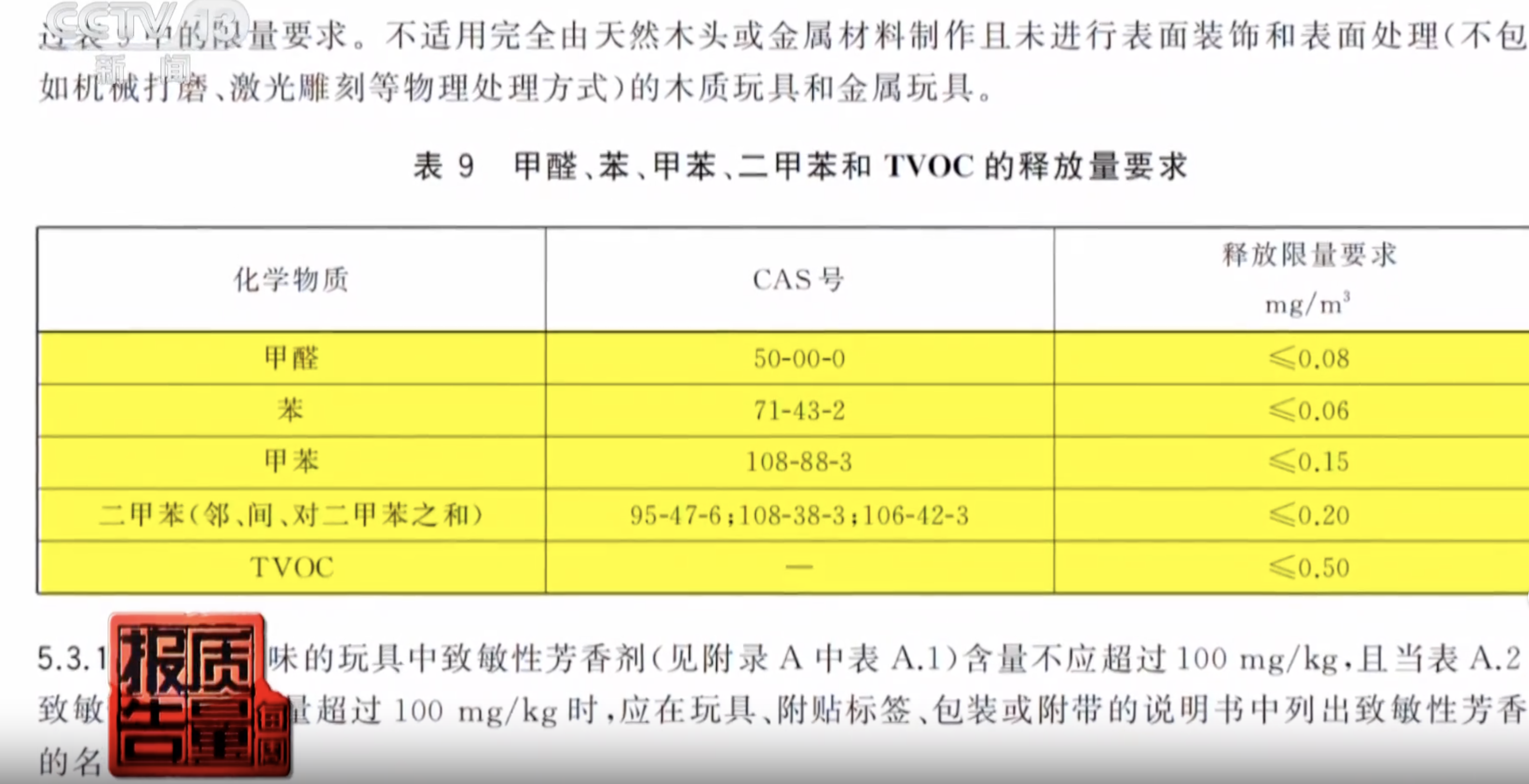
The new Toy Safety standard GB 6675—2025 takes effect on November 1, 2026, adding limits for formaldehyde, benzene, toluene, xylene, and TVOC. 3D printing pen main units, filaments, and accessories are all brought under toy regulation.
At the end of the day, a 3D printing pen isn't a "buy it and let the kid play alone" toy—it's a handheld heating device and should be treated like a soldering iron or hot glue gun.