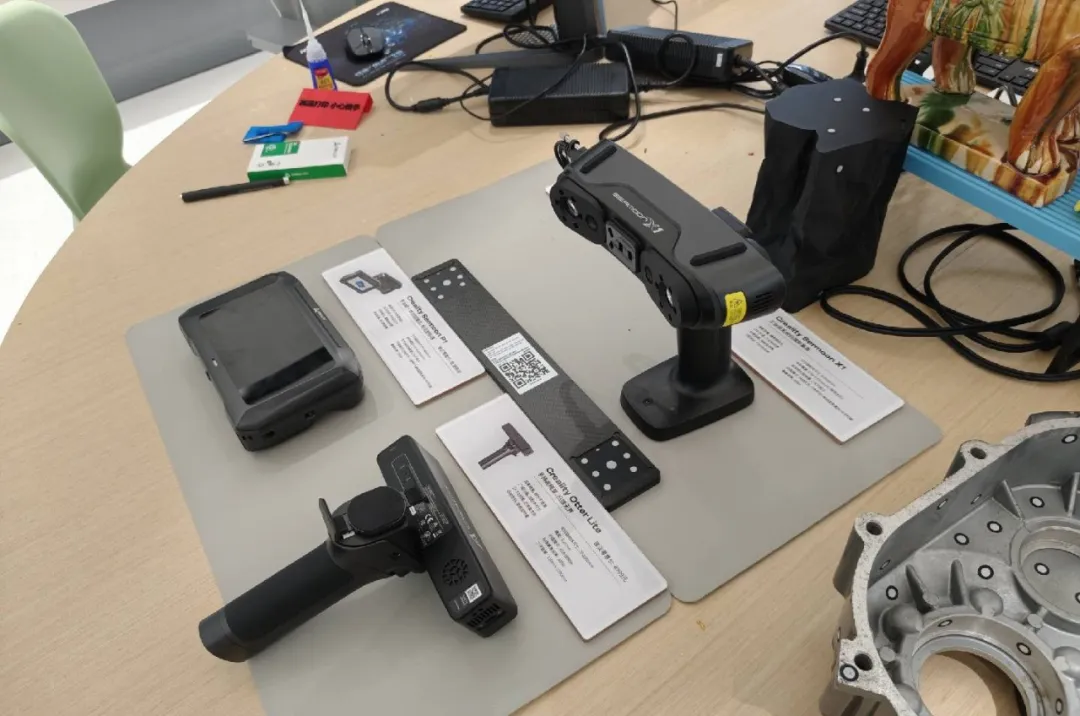
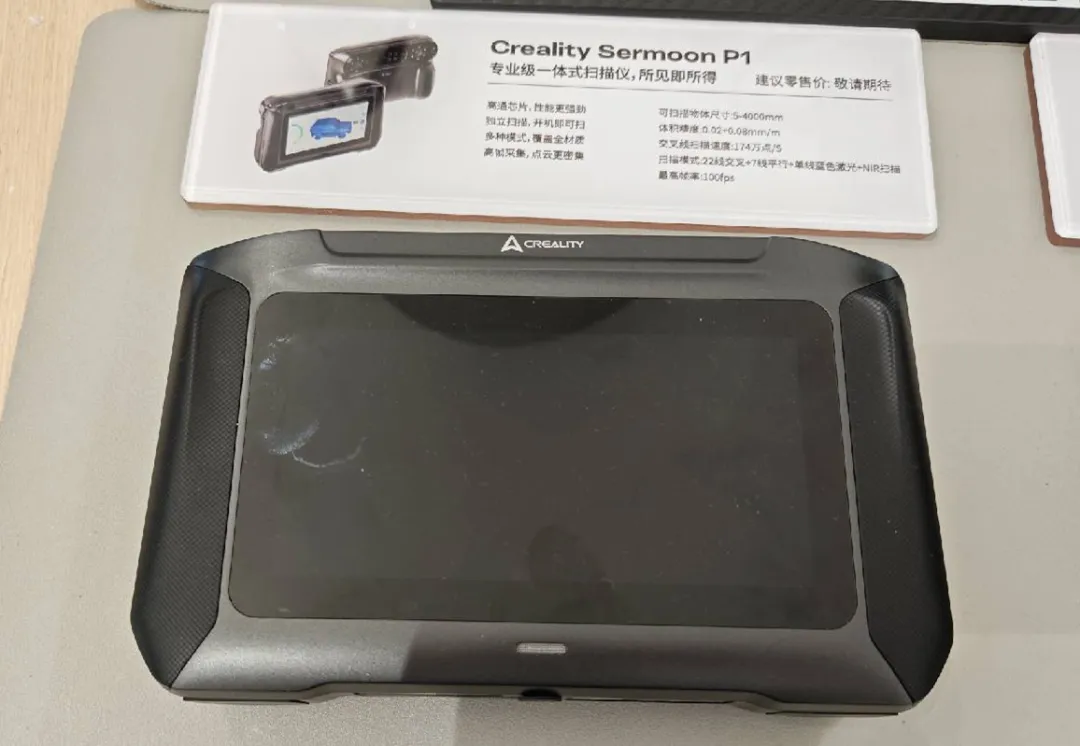
Consumer-grade 3D scanners surge as leading players like Creality launch integrated, portable models and Bambu Lab enters the market, driving industry expansion and technological democratization.
In January 2026, Bambu Lab, a company that achieved over 10 billion yuan in annual revenue through consumer-grade 3D printers, officially entered the consumer-grade 3D scanner market through a partnership with Scantech. The report titled "Bambu Lab Enters the Consumer-Grade 3D Scanner Market" by Nanjixiong garnered significant industry attention.
In fact, 3D scanners have experienced explosive growth in recent years. Companies such as Hangzhou Shining 3D, Hangzhou Scantech, Revopoint, and JMIDE, which primarily focus on 3D scanners, as well as Shenzhen Creality, which has expanded its ecosystem from 3D printing to laser engravers and 3D scanners, have all seen rapid annual shipment growth.
Creality has been deeply involved in the 3D scanning field for many years, with its product line covering consumer-grade, professional-grade, and industrial-grade segments. It boasts a relatively comprehensive product portfolio and extensive channel coverage, securing a leading position in the consumer-grade market. This was highlighted in the report titled "3D Printers Like Bambu Lab Sold Out Again During This Year's Double 11; Creality 3D Scanners Also Exploded in Popularity."
In late January 2026, a relevant person in charge of Creality’s 3D scanner business line told Nanjixiong that the upcoming Sermoon P1 all-in-one 3D scanner (hereinafter referred to as P1), with a market price exceeding $3,000, has won international design awards such as the German Red Dot Design Award, earning authoritative recognition in industrial design and product innovation. The product had previously been showcased at Formnext and the U.S. CES exhibition and was currently being displayed at the Japan Industrial Exhibition, attracting high market attention.
Continuous Breakthroughs in Blue Laser 3D Scanning Technology
Creality’s 3D scanning product development path saw its Raptor series become the industry’s first to introduce blue laser line technology to the consumer-grade market. This move significantly lowered the technical barrier from over $10,000 to the thousand-dollar range, greatly promoting the adoption of high-precision scanning technology.
The launch of the P1 all-in-one scanner represents a structural upgrade based on this foundation.
It is understood that the P1 adopts an all-in-one design, integrating the handheld scanning module and computing unit into a single device. Equipped with a touchscreen system, it addresses the issue of traditional scanners requiring connection to a computer, significantly improving mobility and on-site scanning efficiency. This all-in-one design is a major trend in the 3D scanner industry, with multiple manufacturers, particularly Chinese companies leveraging the strong consumer electronics supply chain, rapidly iterating similar products.
More notably, the P1 introduces blue laser technology into the all-in-one form factor, achieving a fusion of high precision and portability. For scenarios such as industrial design, reverse modeling, automotive customization, and cultural digitization, this product design offers stronger practical value.
Configuration Logic Amidst Chip Shortages
In 2026, global chip resources remain tight due to the demand for AI computing, with noticeable price fluctuations in memory chips and high-performance processing chips.
Against this backdrop, the configuration strategy and technological integration capabilities demonstrated by the P1 all-in-one scanner are particularly crucial.
According to Nanjixiong, Creality collaborated with industry giant Orbbec to develop core technologies, with R&D capabilities extending to chip-level optimization. This deep integration in optical systems, algorithm collaboration, and data processing provides the product with advantages in performance stability and efficiency.
Amid rising chip prices, maintaining high-spec configurations within a reasonable price range reflects the company’s strengths in supply chain management and scalability.
Industry Landscape and Future Trends
The current 3D scanning market exhibits several major trends:
Continued lowering of the barrier for consumer-grade products.
Accelerated expansion of industrial-grade application scenarios.
Integration of scanning, display, and computing.
The entry of manufacturers like Bambu Lab introduces new variables to the industry. Companies like Creality, which ships nearly 200,000 3D scanners annually, have already accumulated advantages in branding, channels, users, and application scenarios. If consumer-grade 3D scanners can further break into new markets, expanding the overall market, all similar manufacturers are likely to benefit.


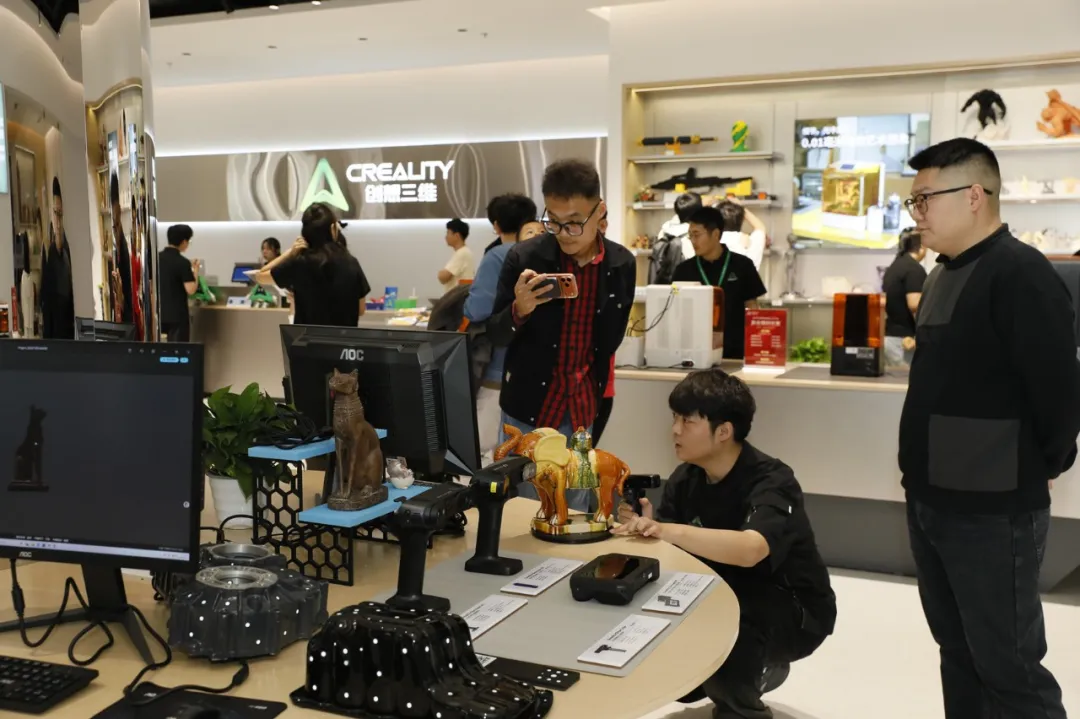 △ 3D scanners at Creality’s flagship store in Shenzhen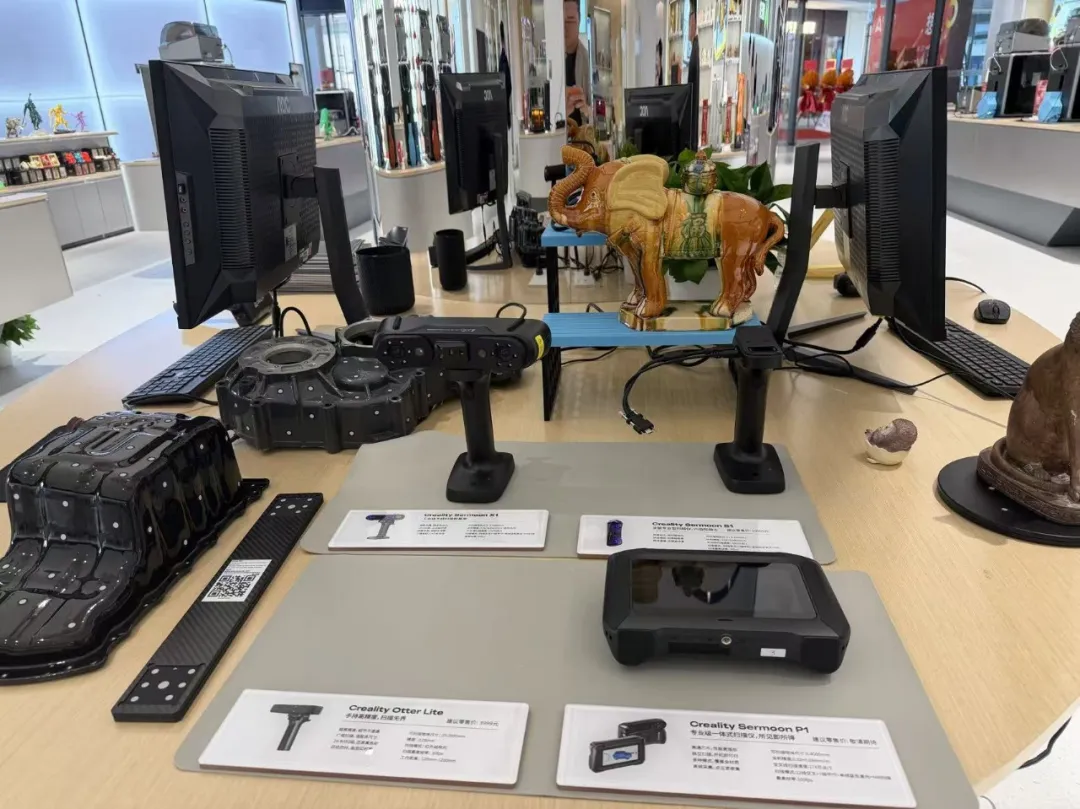
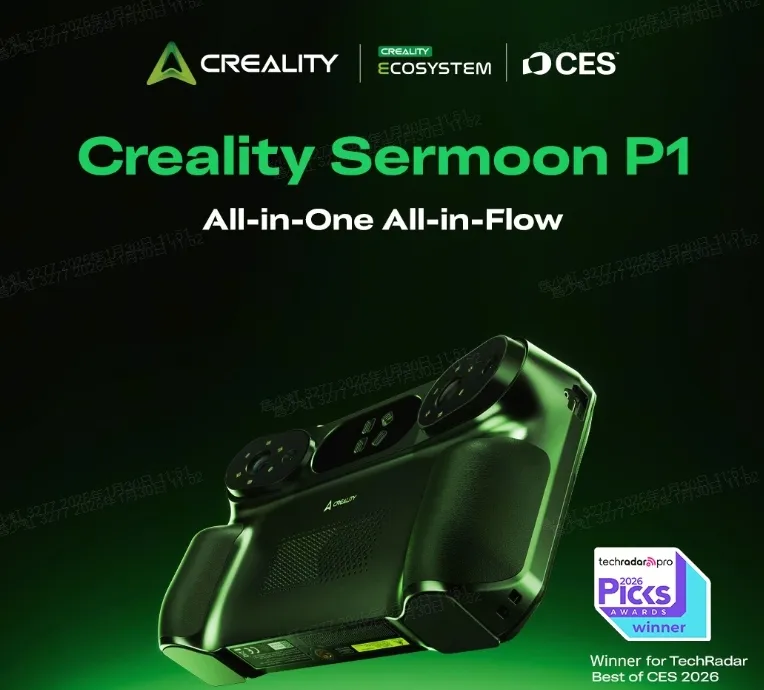 △ During CES 2026, Creality’s Ecosystem 3D Scanner Sermoon P1 won the "Best of CES" award from the international tech media TechRadar Pro, recognized for its scanning accuracy, all-in-one portability, and other core features.