Home  >  News

July 20, 2026      News      10035

The mini 4WD track at Beijing's Wenyu River Park, originally built as a drainage channel in 2021, became a viral hangout for hobbyists and families, culminating in a Bambu Lab–sponsored race in July 2026 that blended 3D printing with childhood nostalgia. By combining customization, rapid prototyping, and community engagement, Bambu Lab is expanding its offline presence in Beijing to serve local makers, families, and racing enthusiasts.

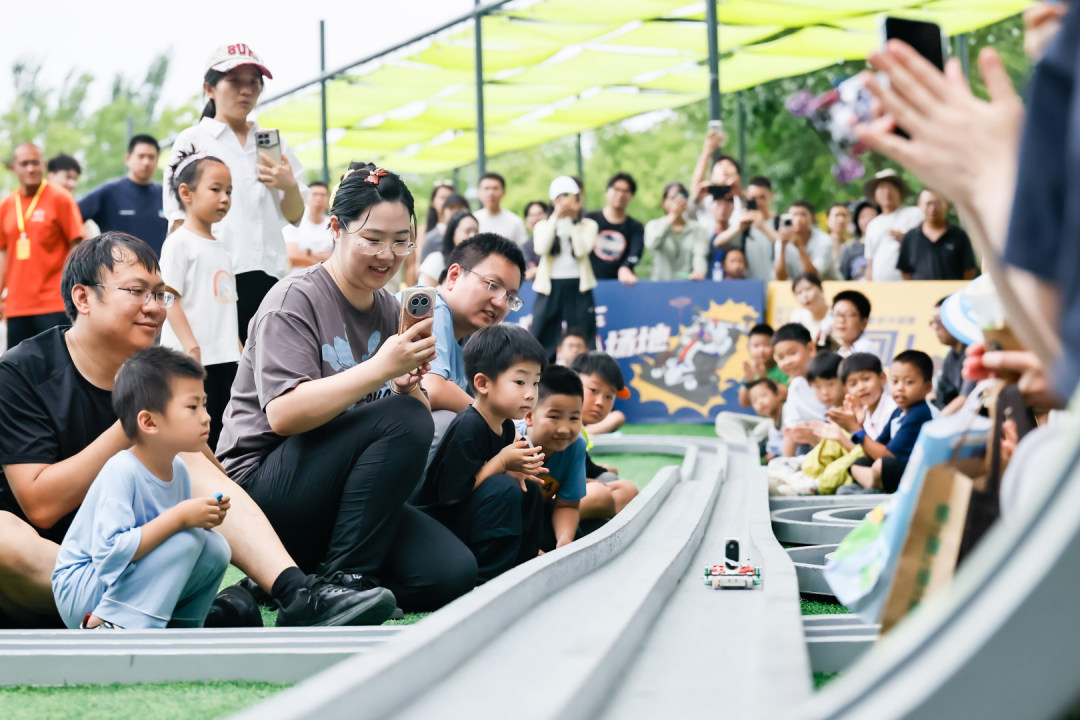
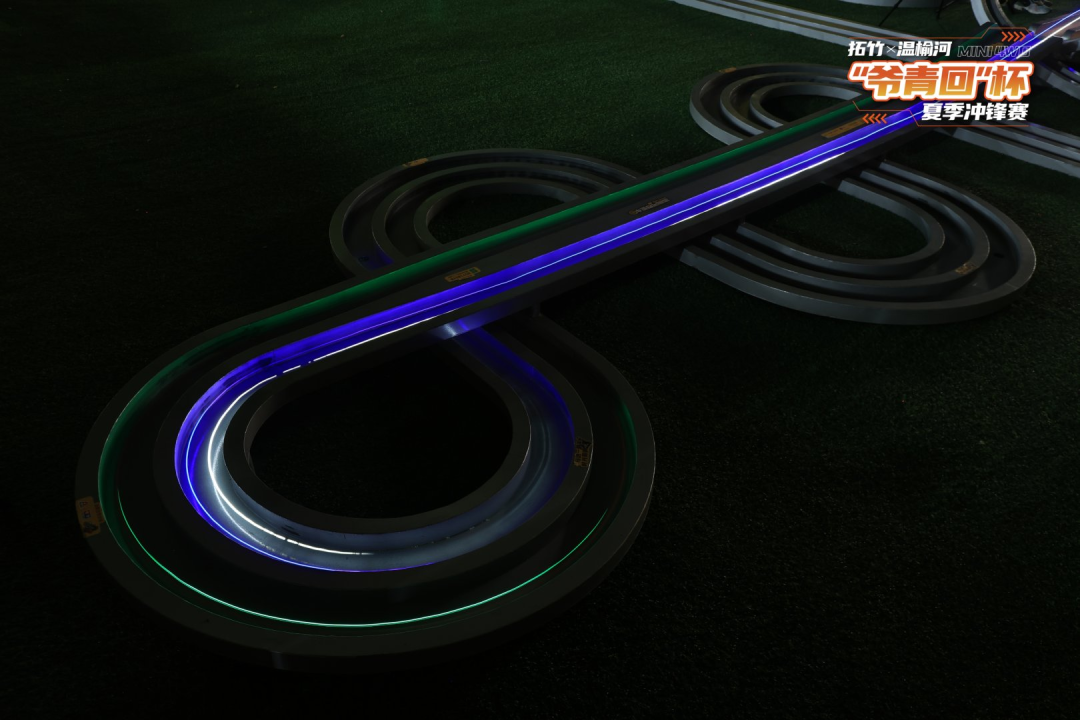
At the 4WD track in Beijing’s Wenyu River Park, the crowd was buzzing with excitement as many local residents gathered early. Quite a few parents brought their children to assemble and tune their mini 4WD cars, then gathered around the track to watch the races. The “Glow Flow” night race was especially dazzling—mini 4WD cars fitted with glowing light-up parts streaked through curves and ramps like beams of light, drawing cheers from the audience from time to time. A scene that social media users had jokingly dubbed “4WD dads with 4WD kids” was now playing out in real life.

This was the scene at the Wenyu River “Return of the Youth” Cup Mini 4WD Summer Sprint Race, held on July 18 and 19. The event was sponsored by Bambu Lab, combining 3D printing with mini 4WD modification, creation, and racing experiences, allowing local residents—especially families with children—to relive the competitive thrill of their childhood through high-speed racing.

The 4WD track at Wenyu River Park originated from a detail in the landscape design. In 2021, landscape architect Wang Weiqi, while designing a rainwater drainage channel in the Guofengyuan section, adopted the official specifications of a mini 4WD track. Later, this drainage channel was discovered by hobbyists, who came on their own to test-run their cars, earning Wenyu River Park the nickname "4WD Park" among the enthusiast community. By the end of 2025, as related content went viral on social media, memes coined by netizens—such as "4WD dads" and "dads begging their kids to take them out to play"—also gained widespread traction, turning this track, which had "accidentally grown" out of a landscaping feature, into a popular spot for hobbyists to check in and exchange ideas.

Here, mini 4WD cars have become a medium that connects families, player communities, and urban public spaces. Parents study the car body structure, adjust guide rollers, and fine-tune weight distribution with their children, while fellow enthusiasts exchange experiences on track performance and modification techniques. These tiny racing cars allow adults to relive childhood memories and enable children to inherit the joy of speed and creativity through assembly and test runs.

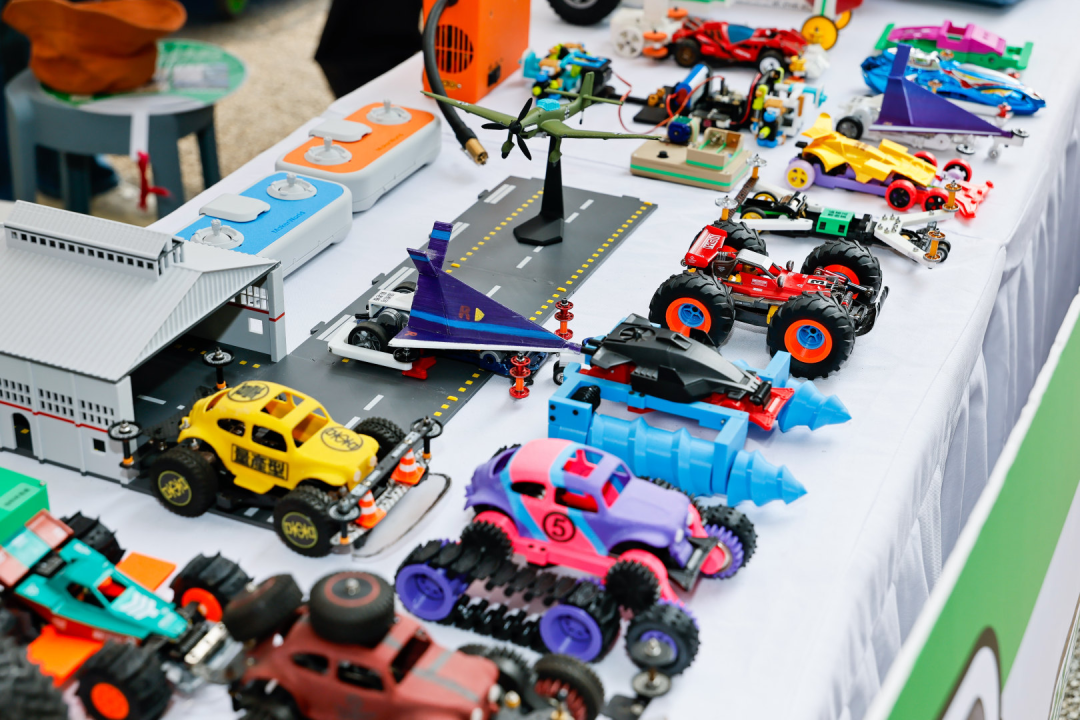
For mini 4WD enthusiasts, modification has always been one of the core pleasures of the hobby. From the exterior shell to structural adjustments, even the smallest changes can affect a car's speed and stability. The introduction of 3D printing has given players more room for personalized customization and rapid prototyping beyond off-the-shelf parts, while also allowing families with children to extend their experience from simple assembly to design, fabrication, and other creative steps.
Mini 4WD cars modified with 3D-printed parts
A representative from Bambu Lab said that what makes mini 4WD so compelling is that it turns many adults back into the kids they once were, crouching by the track watching the cars race. "As we grow up, a lot of happiness becomes complicated, but a tiny 4WD car and a stretch of track can bring back that long-lost thrill. 3D printing lets the joy of childhood carry on in a new way."

On the model platform MakerWorld, a creative ecosystem centered around mini 4WD is taking shape, where enthusiasts can access model resources and share shells, structural components, and modification plans. From mini 4WD to more professional racing engineering, 3D printing is becoming a tool in vehicle design and rapid iteration. At the 2025 China University Formula Student Competition, Bambu Lab served over 40 teams, supporting the printing of more than 130 core precision components for racing cars, used in structural validation and rapid iteration.

Beijing has a deep-rooted tradition in model sports. As model making evolves from manual craftsmanship and kit assembly to digital design and rapid manufacturing, 3D printing is also making its way into more science and innovation competitions, university projects, and creative making spaces for the general public. To better serve local hobbyists, makers, and families, Bambu Lab is accelerating its offline service presence in Beijing. Currently, Bambu Lab products are available through channels such as JD Home and Sam's Club. Recently, meland, in partnership with Bambu Lab, launched 3D printing creation centers in more than ten cities across the country, and its flagship meland Wukesong Wanda Global Store has been upgraded to Beijing's first co-branded 3D printing science and innovation playland. Bambu Lab's first direct retail store in Beijing is expected to open within this year.


©2025 3dptimes.com All Rights Reserved