November 8, 2026      Applications      Sources: NC State, October 26, 2026; JEOL USA, October 22, 2026      20      Share to X.com

NC State, Oak Ridge and JEOL tested full-size electron-beam-printed tungsten tiles in DIII-D. The results demonstrate component survivability, with detailed post-exposure analysis still needed.

NC State University, Oak Ridge National Laboratory and JEOL have moved printed tungsten from small test samples to full-size components installed in the DIII-D National Fusion Facility. Their October 2026 reports describe tiles that remained intact after 74 plasma discharges.

The demonstration links additive manufacturing, precision finishing and testing inside a working tokamak. It is a component survivability result; it does not establish the lifetime of a future power-plant component.

Cover: Olivia Mehalick during tile installation inside DIII-D. Image supplied in the NC State/JEOL project announcement.

From electron-beam printing to finished tiles

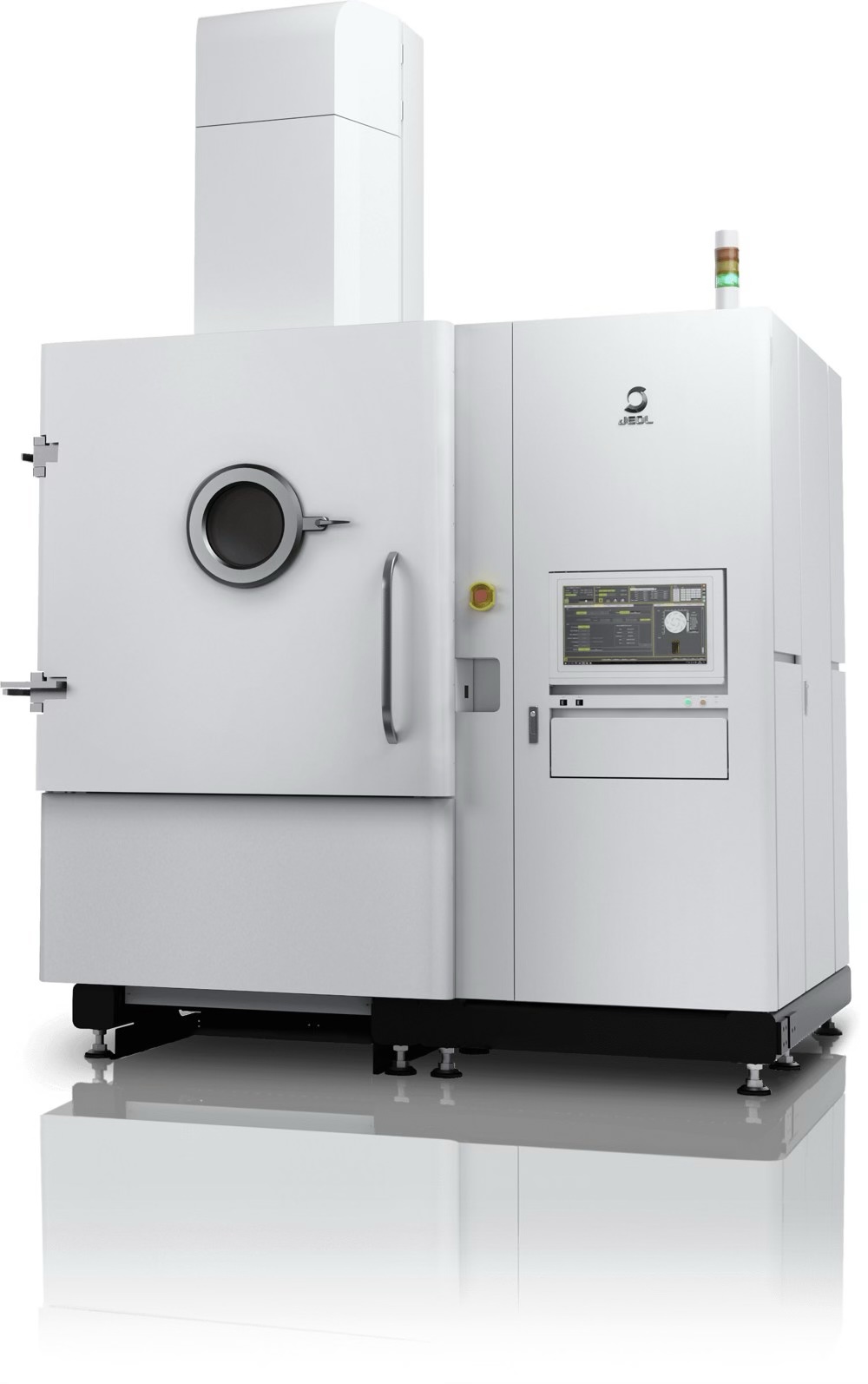
JEOL used its JAM-5200EBM electron-beam powder bed fusion system to produce the tiles in Japan. NC State carried out finishing and characterization, while ORNL supported fabrication and materials development.

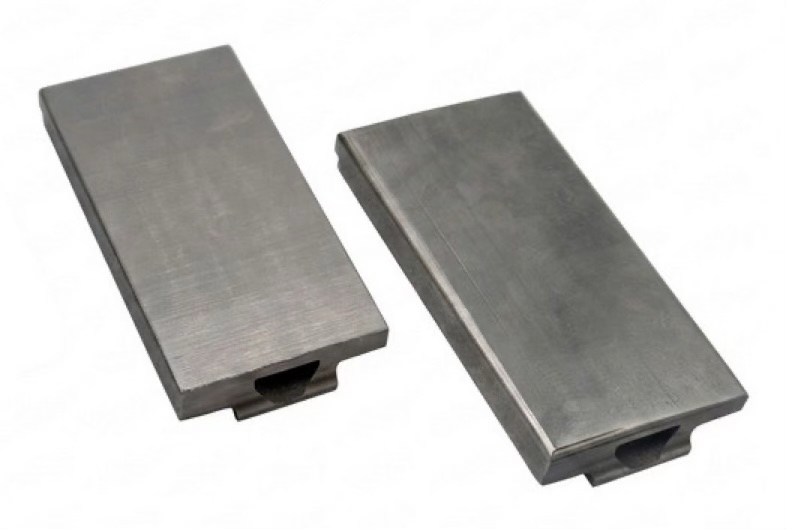
Electron-beam processing keeps the tungsten build hot, helping address cracking associated with the material’s brittle behavior. Printing was followed by wire electrical discharge machining and grinding to achieve the mounting geometry and plasma-facing finish.

Images below: the JEOL printing system (Image: JEOL), followed by finished flat and domed tiles (project image supplied by NC State/JEOL).

Plasma exposure and the next validation step

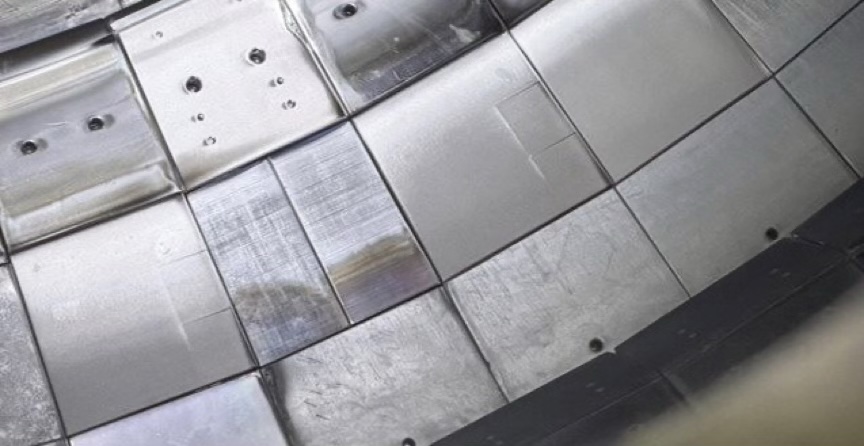
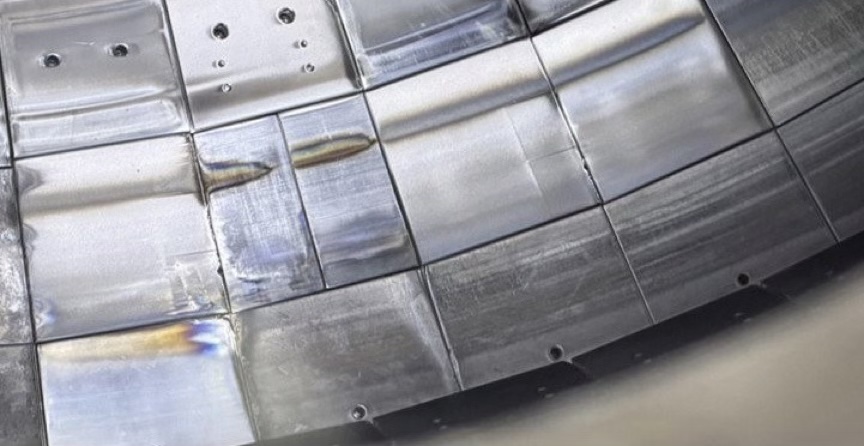
Installed in July 2026, the tiles experienced three days of testing. The partners report 74 high-confinement plasma discharges, totaling about four minutes of exposure. This was a component test campaign, rather than continuous reactor operation.

The reported survival is a step toward qualifying printed fusion components. Imaging, surface scanning and further analysis are needed to compare their condition before and after exposure. Long-term service performance remains a separate question.

Images below: the divertor shelf before exposure, followed by the printed tiles after exposure. Photos: Ryan Hood, Sandia National Laboratories.

Sources:
NC State, October 26, 2026: https://engr.ncsu.edu/news/2026/10/26/nc-state-and-oak-ridge-3d-print-tungsten-tiles-for-use-in-fusion-facility/
JEOL USA, October 22, 2026: https://www.jeolusa.com/NEWS-EVENTS/Press-Releases/nc-state-oak-ridge-national-laboratory-jeol-3d-printed-tungsten-tiles-fusion-facility


©2026 3dptimes.com All Rights Reserved