
China Builds World’s Largest 3D Printed Drug Factory in Nanjing
October 3, 2025 News 849

Triastek 3D prints medicines. Image courtesy of Triastek.
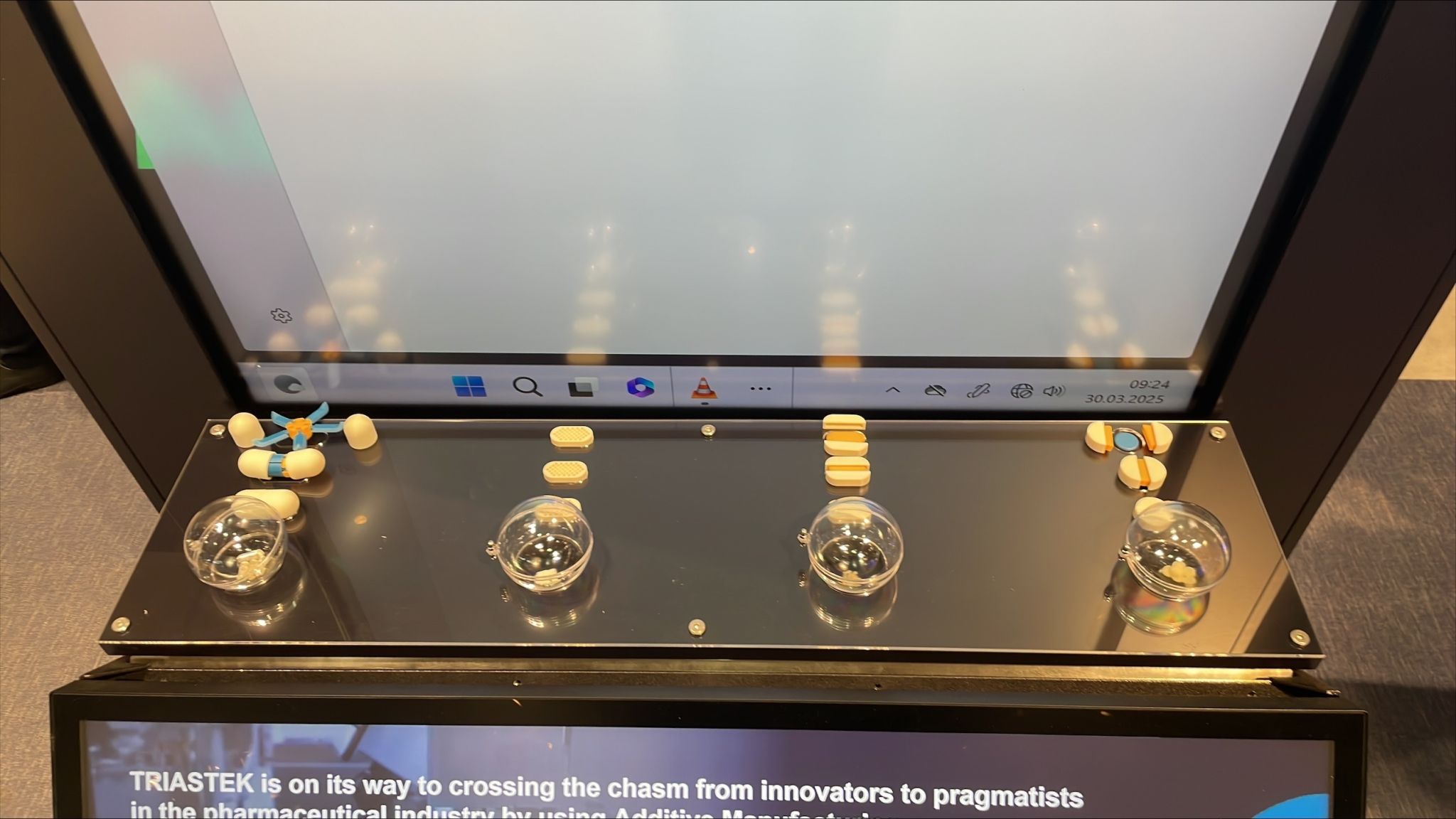 Triastek is showcasing its pioneering 3D printing pharmaceutical technology and digital tablet designs at the Siemens booth at HANNOVER MESSE 2025. Image courtesy of Triastek.
  MED 3D printing technique. Gif courtesy of Triastek.
 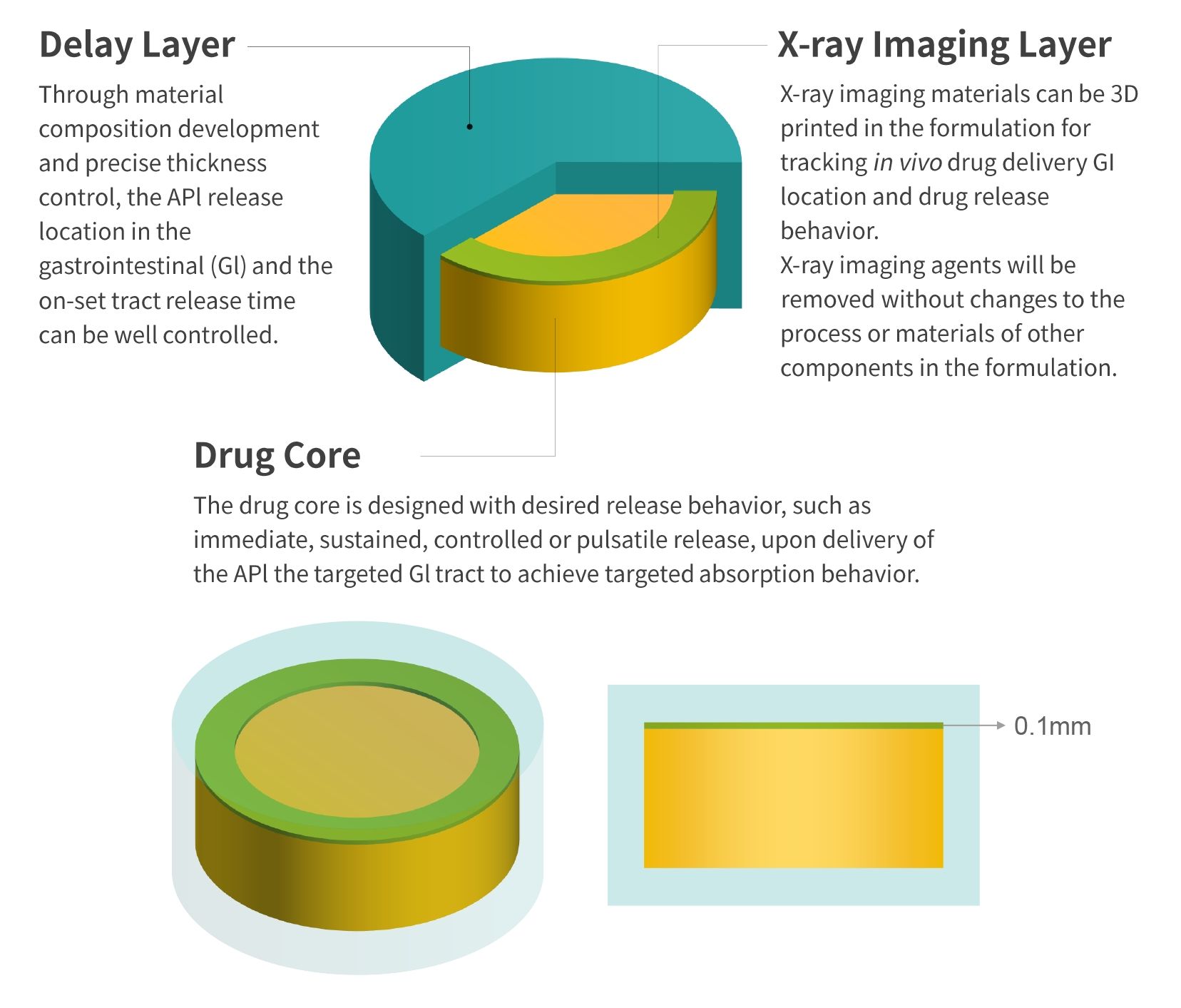 Triastek’s 3D printed drug product D23, designed for treating IgAN. Image courtesy of Triastek via LinkedIn.
News
About
Events
Newsletter
Research
Podcast
Zones
Forum
Shop
Contact
Advertise
Additive Manufacturing
3D Printing
Industry Directory
Global Offices
U.S. Headquarters
Address: 2595 Pomona Blvd, Pomona, CA 91768, USA
Email: bjldid@gmail.com
Jason
China Office
Address: Room 401, Block C, Zhongguancun Zhizao Avenue, No. 45 Chengfu Road, Haidian District,
Beijing, China 100083
Email: bjldid@126.com
Gwen wechat: scrat3dcom
©2026 3dptimes.com All Rights Reserved