May 4, 2026      Applications      9705

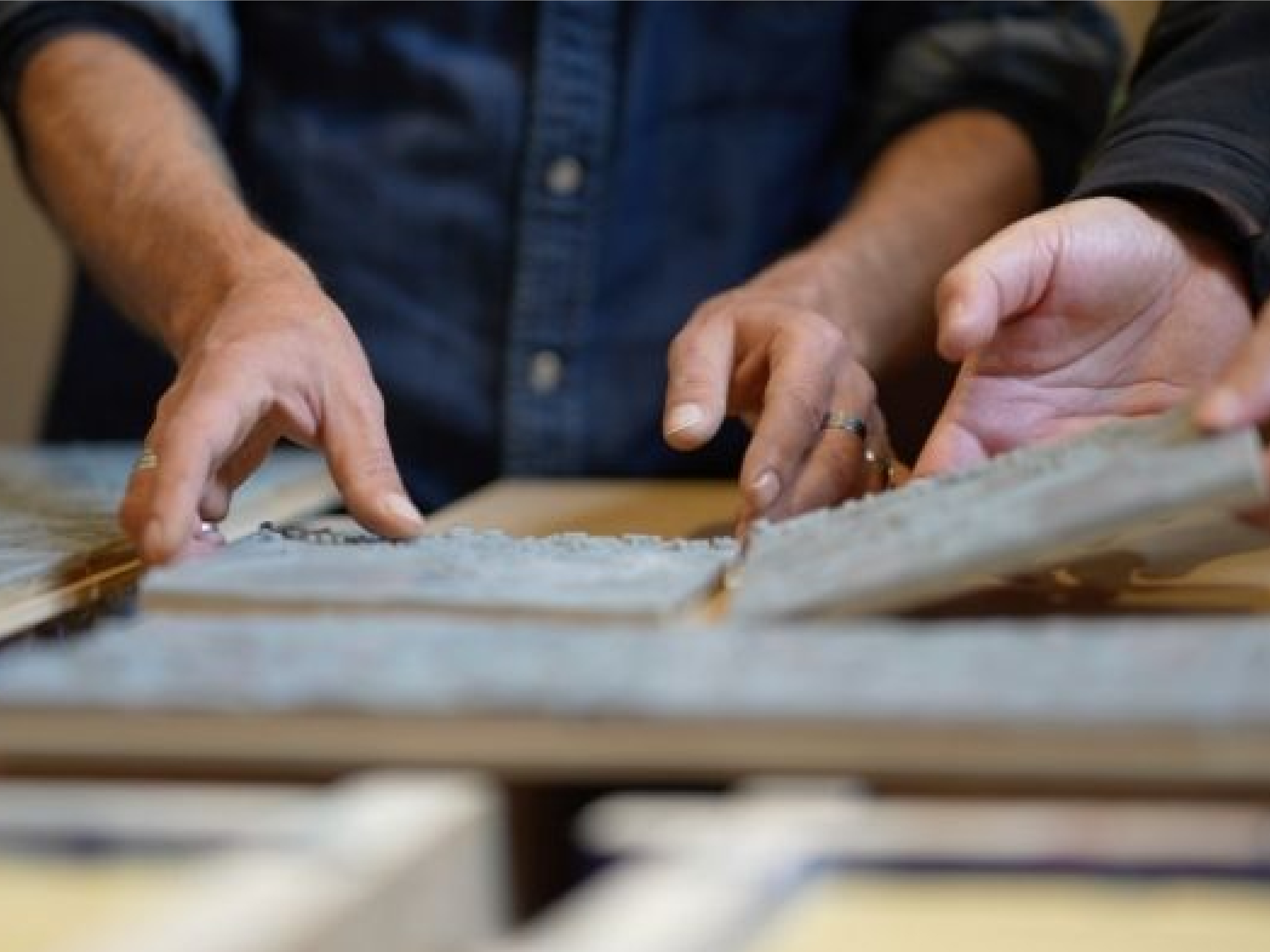
The MAXXI Museum in Rome is currently exhibiting an astonishing city model: composed of 953 terracotta bricks, covering 48 square meters, and faithfully reproducing the entire topography of Rome.

Architect Marco Galofaro insisted from the very beginning that the model must be made of terracotta – because brick is the building material that has truly spanned centuries in Rome. The problem, however, was that hand-shaping nearly a thousand perfect terracotta bricks would take far more than a few months. So he partnered with the Italian company 3DiTALY, first scanning the Roman terrain, converting it into a digital model, then cutting it into 17×17 cm tiles, and printing them using Formlabs SLA photopolymerization 3D printers.
Each tile took only 15 minutes to print. After 26 days, all 953 pieces were ready. But what visitors see are not these resin prints – they are just molds. The team used the printed pieces to create negative silicone molds, then injected liquid terracotta into them. After drying and hardening, the final pure ceramic exhibition pieces were obtained. The entire project consumed 1,000 liters of resin, with only two printing errors – both caused by manual parameter errors.
Without 3D printing, completing this project entirely by hand would have taken far more than 26 days. The value of 3D printing here is brilliantly demonstrated: it is not used to directly produce the final product, but to quickly and precisely manufacture complex molds, allowing traditional craftsmanship to continue efficiently. Terracotta carries the historical spirit of Rome, and 3D printing allows that spirit to be accurately reproduced in a short time. Technology and tradition – in this case, they truly achieved a "best of both worlds."


©2025 3dptimes.com All Rights Reserved