Home  >  News

October 23, 2026      News      9824

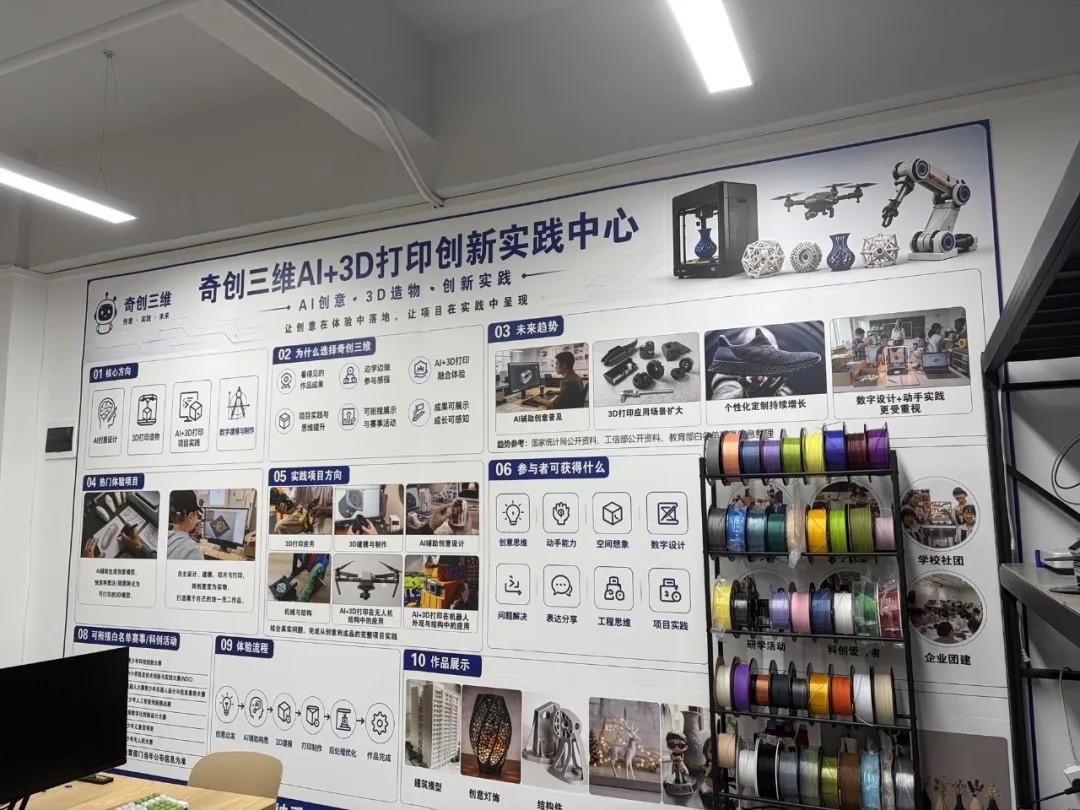
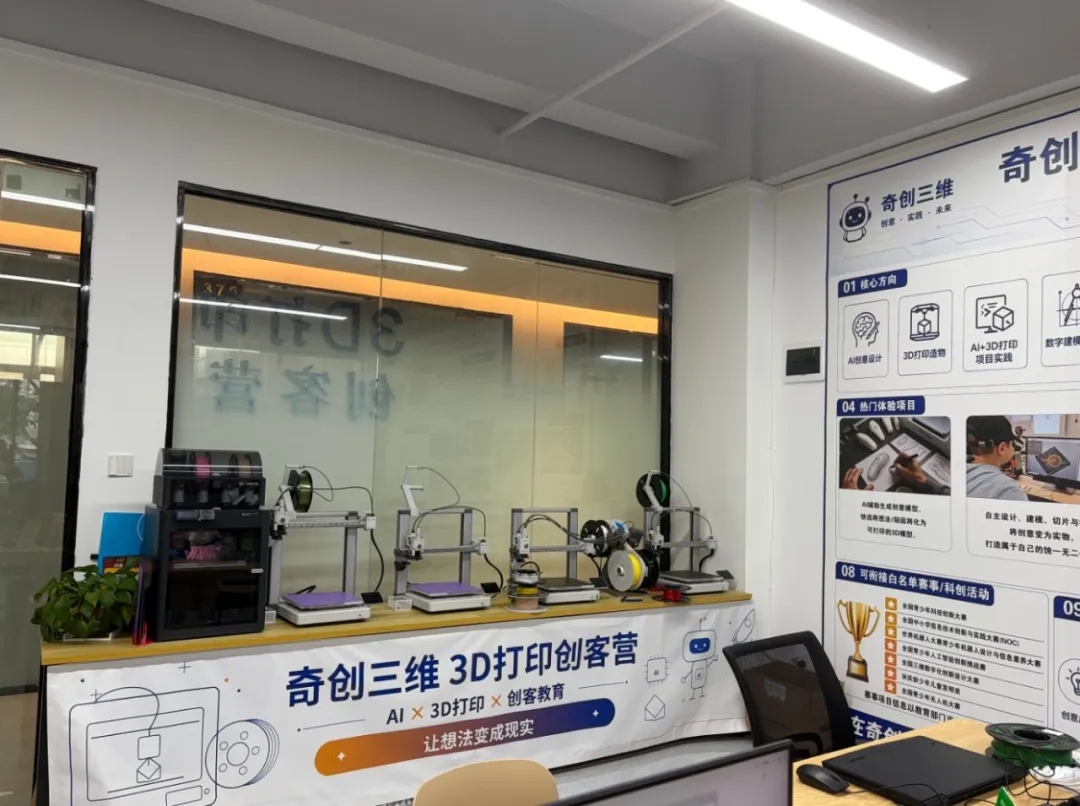
A training center in Futian District, Shenzhen, is offering a beginner course in 3D printing modeling: 8 classes for 1,368 yuan (about $190), with groups of 3 to 8 students, open to anyone aged 6 and up with zero experience.

Each class produces a finished piece students take home. From NFC name tags and AI-customized figurines to storage tools, working toy cars, and creative scenes, and finally to a small night light made with Fusion 360—8 classes, 8 physical objects, a solid delivery standard.
This is worth paying attention to because consumer 3D printer ownership is surging: in the first quarter of 2026, China's 3D printing equipment output grew 54% year on year, and Shenzhen exported 2.46 million 3D printers in the first four months, up 100.3%. But many people who buy a machine print a few test models and then let it gather dust—they can't figure out slicing, can't learn modeling, and can only download other people's models. The problem isn't the equipment; it's the people. The ability to model "from idea to object" is the wall standing in front of ordinary users.
The course is smart in three ways: it introduces rapid AI modeling in the second class, so positive feedback comes fast; classes seven and eight bring in Fusion 360, industrial-grade CAD software, teaching a tool students can keep using; and take-home works let parents see results.
Shenzhen is the global manufacturing center for consumer 3D printers—8 of every 10 consumer 3D printers exported worldwide come from Shenzhen—but downstream segments like education and training have long been weak. At 1,368 yuan (about $190), the course works out to roughly 171 yuan (about $24) per class, lower than most coding and art classes. This course is a sample of the industry chain extending downstream. The next breakout point for 3D printing may really not be on the spec sheet, but in the classroom.


©2026 3dptimes.com All Rights Reserved