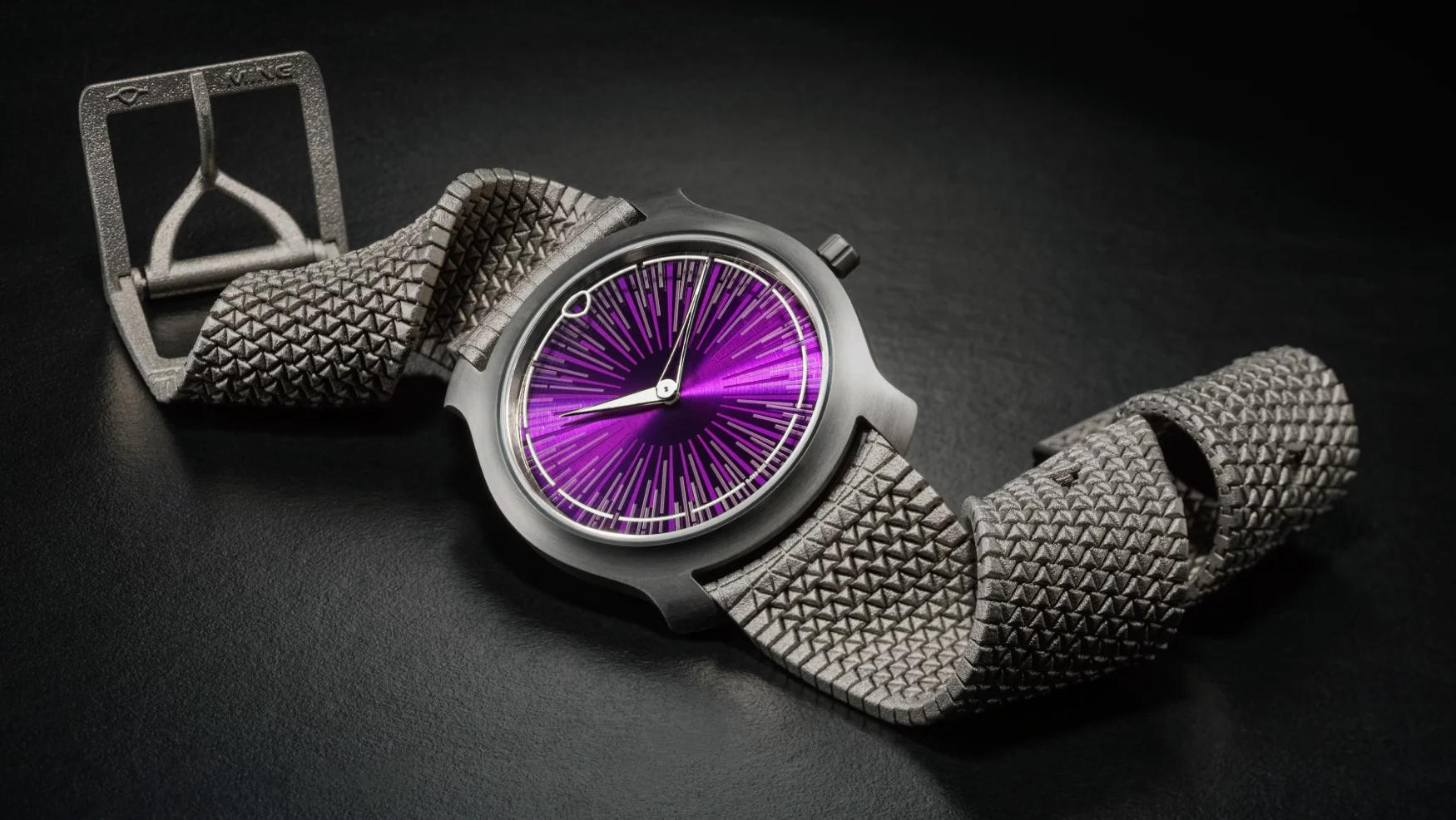
MING Unveils World's First Titanium 3D-Printed Watch Strap, Polymesh
Swiss luxury independent watchmaker MING has officially launched the Polymesh, the world's first titanium 3D-printed watch strap. This innovative product not only marks another milestone for 3D printing technology in the field of precision manufacturing but also brings unprecedented comfort and flexibility to the high-end watch-wearing experience.
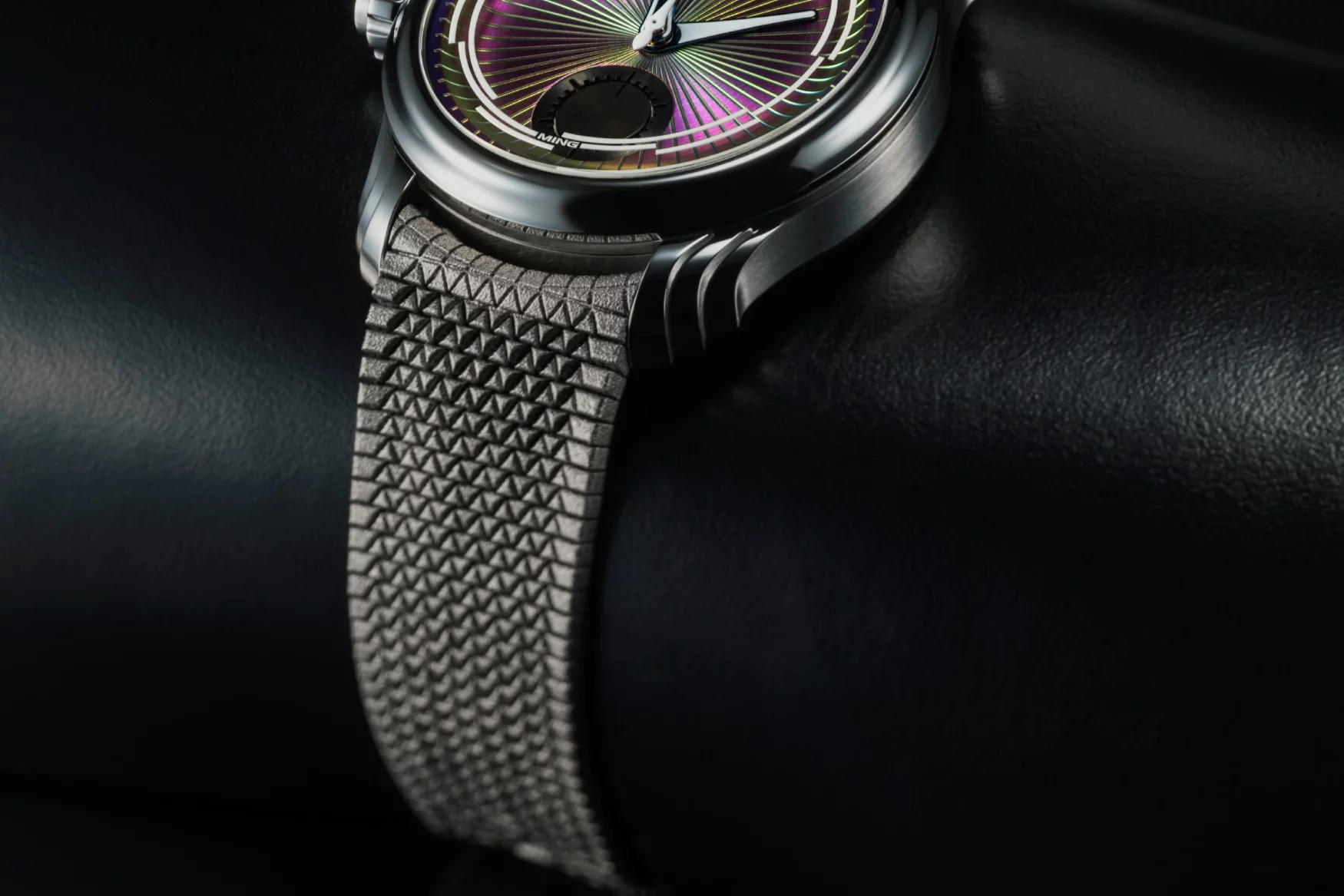
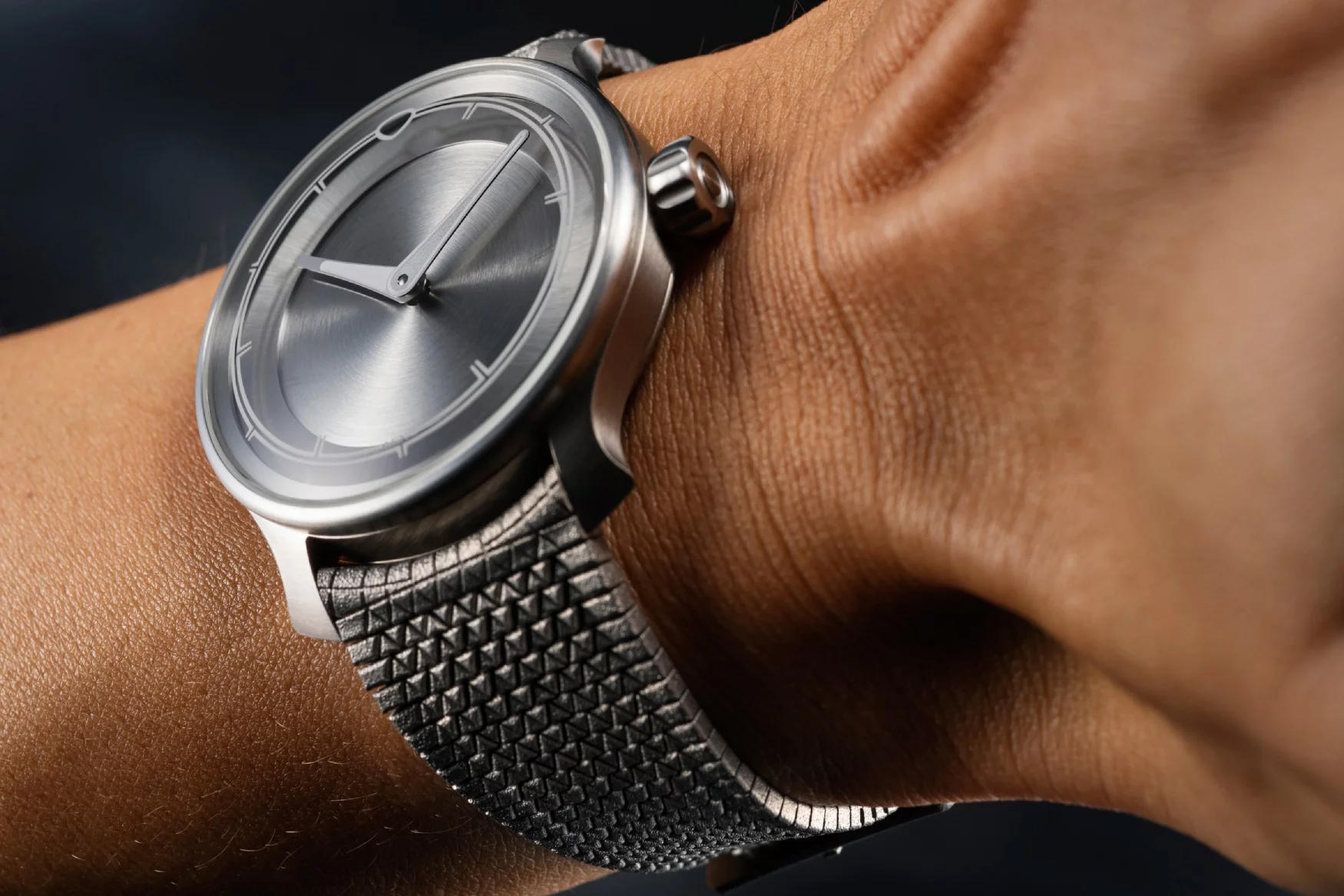
MING explains that the Polymesh strap perfectly combines the fluidity of a metal bracelet with the flexibility of a fabric strap, offering an extremely lightweight and comfortable wearing experience. It possesses a fabric-like drape and suppleness. Despite being made from titanium, the 3D-printed strap is not bulky at all; it offers excellent breathability and is highly durable. The strap features a triangular pattern design, blending a modern, tech-forward aesthetic with traditional craftsmanship.
Seamless One-Piece Construction via 3D Printing
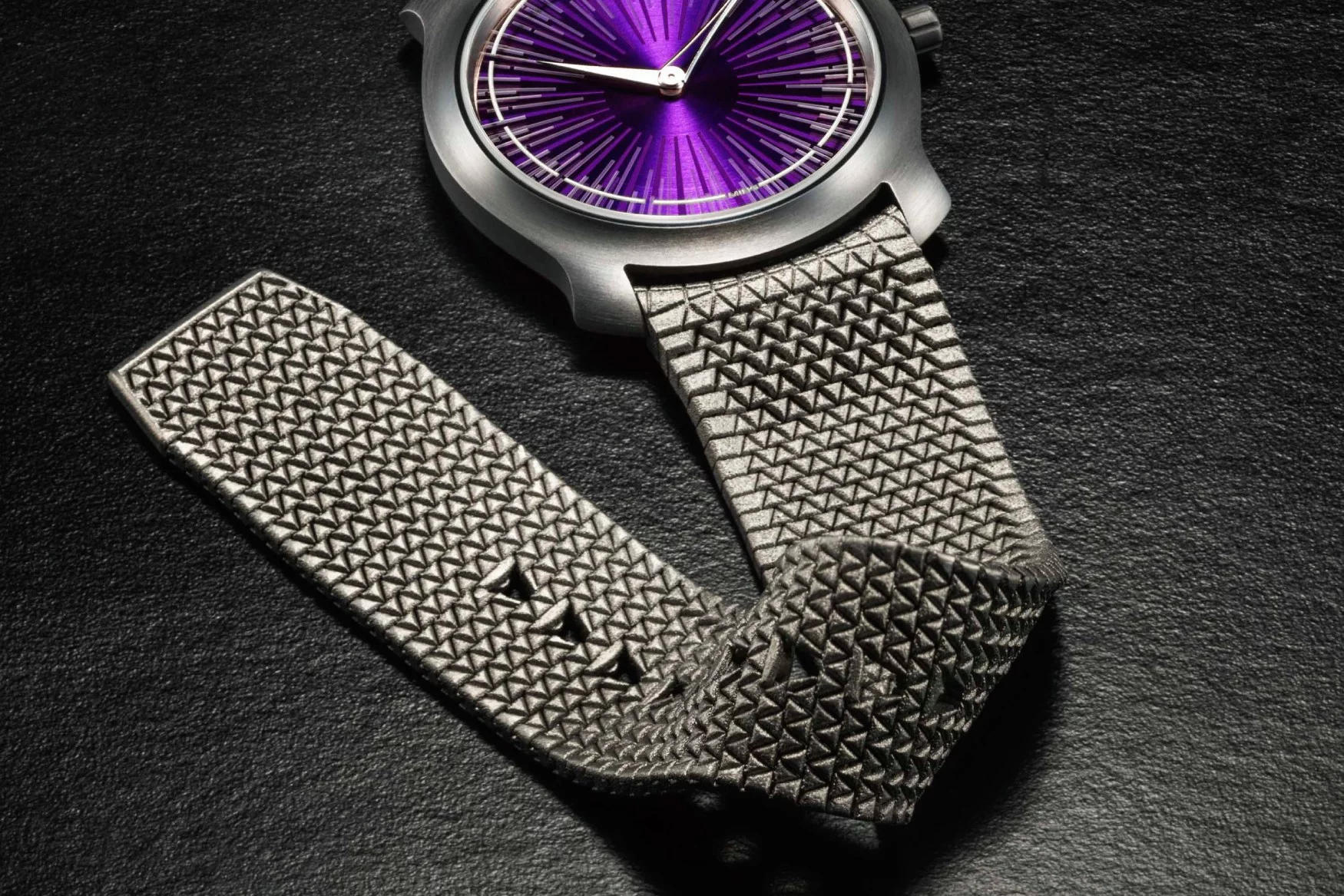
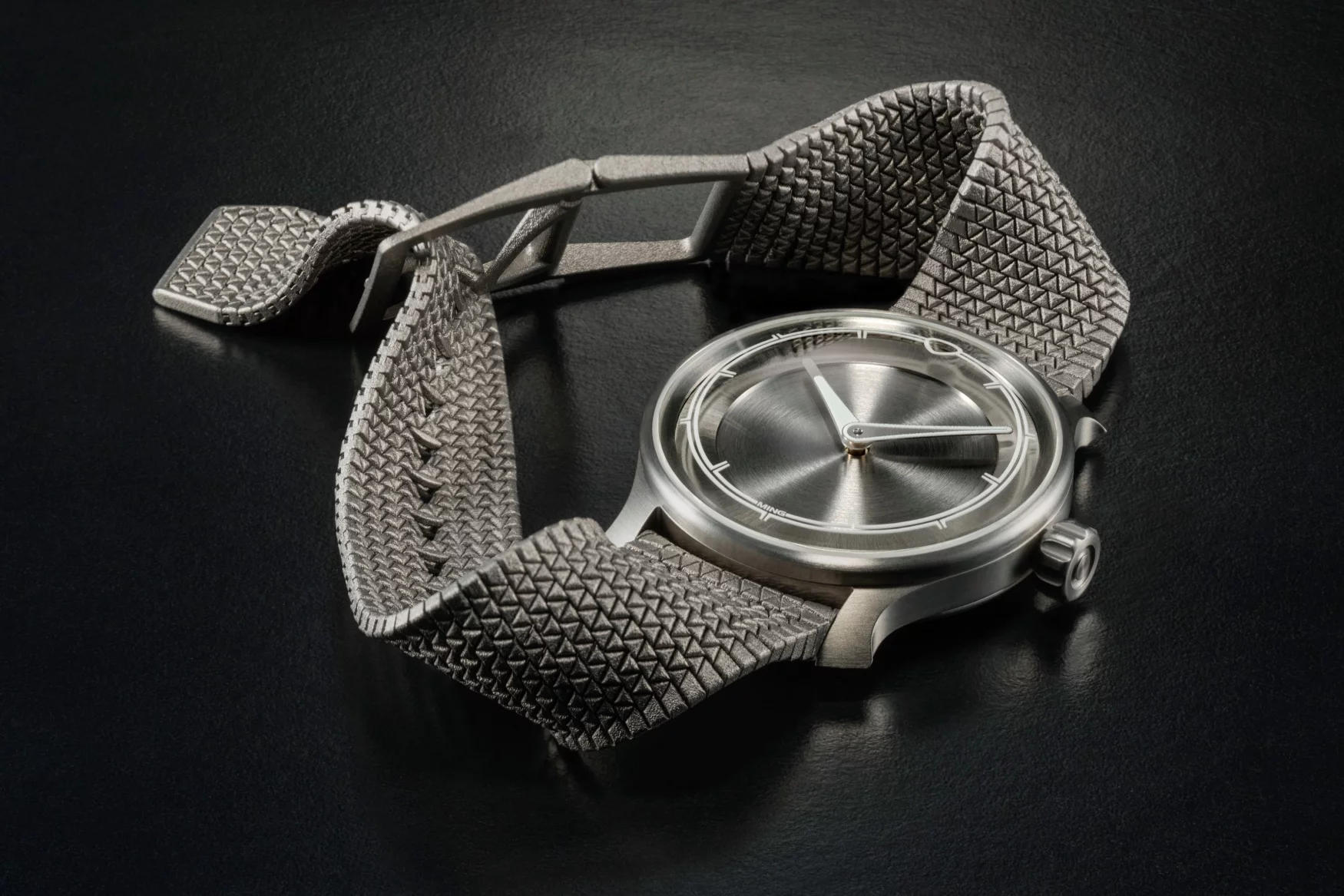
In terms of manufacturing, the Polymesh is precision-made from Grade 5 titanium alloy and formed in a single 3D printing process. Each Polymesh strap consists of up to 1,693 interlinked loops and components, forming a closed loop structure. Its unique aspect is that the entire strap requires no pins or screws—even critical components like the buckle and hinges are integrated and formed simultaneously during the same 3D printing process. The only post-printing assembly step is the installation of the quick-release spring bars, significantly simplifying the assembly compared to traditional straps.
For size adjustment, the Polymesh innovatively adopts a pin buckle system similar to those used on fabric, leather, or rubber straps, rather than the link removal method typical of metal bracelets. This design allows it to fit the wrist sizes of the vast majority of wearers.
MING collaborated with Italy's Sisma SpA and Switzerland's ProMotion SA to produce the Polymesh strap. The production of each strap takes several hours, involving hundreds of layers of laser sintering and meticulous post-processing. The minimal structural gap in some parts is just 70 microns, fully demonstrating the technical advantages of 3D printing in micro-precision manufacturing.
The Polymesh Grade 5 titanium strap has a recommended retail price of 1,500 Swiss Francs (approximately $1,600 USD / €1,450 EUR / ¥11,700 CNY). MING plans to showcase the Polymesh prototype at the WatchTime New York exhibition (October 17-19, 2025) and the Dubai Watch Week (November 19-23, 2025). The brand also plans to introduce a stainless steel version in the future to meet the needs of a broader range of high-end watch enthusiasts.
3D Printing Transitions from Concept to Practical Application
This innovation has been met with appreciation from watch enthusiasts and industry observers. Many praise the development, noting that "the application of additive manufacturing in watchmaking is a truly meaningful breakthrough, not just a buzzword." Discussions often focus on product compatibility and material details, such as inquiries about "whether the strap fits other watch brands with 20mm lugs" and debates about the practical differences between titanium grades (e.g., Grade 2 vs. Grade 5). Furthermore, some users express anticipation for the forthcoming stainless-steel version, hoping to experience this innovative design at a more accessible price point.
Industry analysis suggests that with the rapid development of 3D printing technology, this digital manufacturing method is ushering in a new wave of advancement within the consumer watch sector. Citing the example of all titanium Apple Watch cases this year being manufactured using 3D printing—with finished appearances indistinguishable from those made by traditional methods—this signals that the application of additive manufacturing in the industry is entering a new phase. It is no longer limited to creating avant-garde case shapes or skeletonized lugs but is expanding the innovative capabilities of manufacturing in more diverse and profound ways.