Home  >  News

March 16, 2026      News      9885

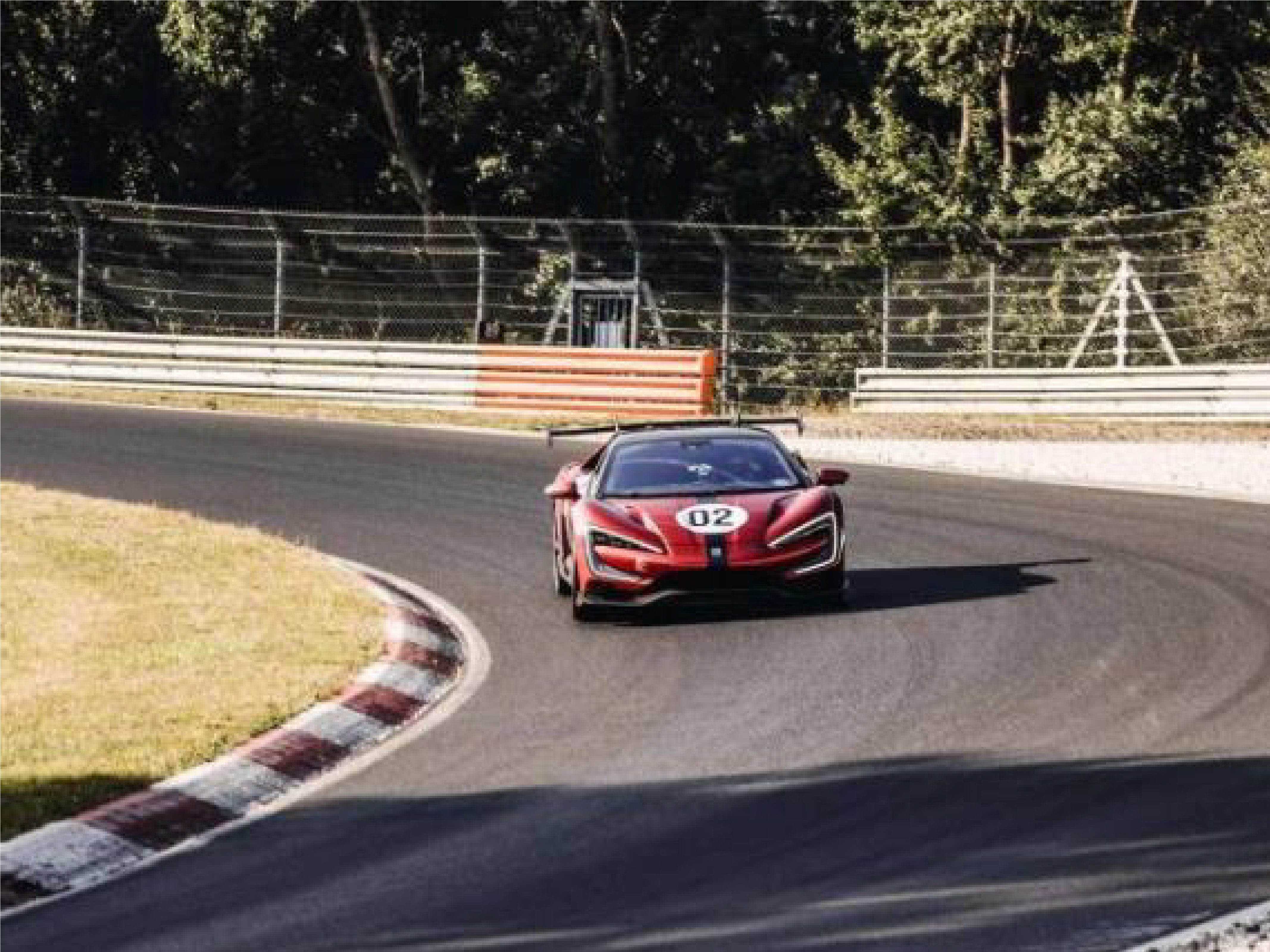
BYD's Yangwang U9X has recently dropped a bombshell in the automotive world – this electric supercar not only became the first production EV to lap the legendary Nürburgring in under seven minutes, but also set a production car top speed world record of 496.22 km/h, simultaneously claiming both world records.

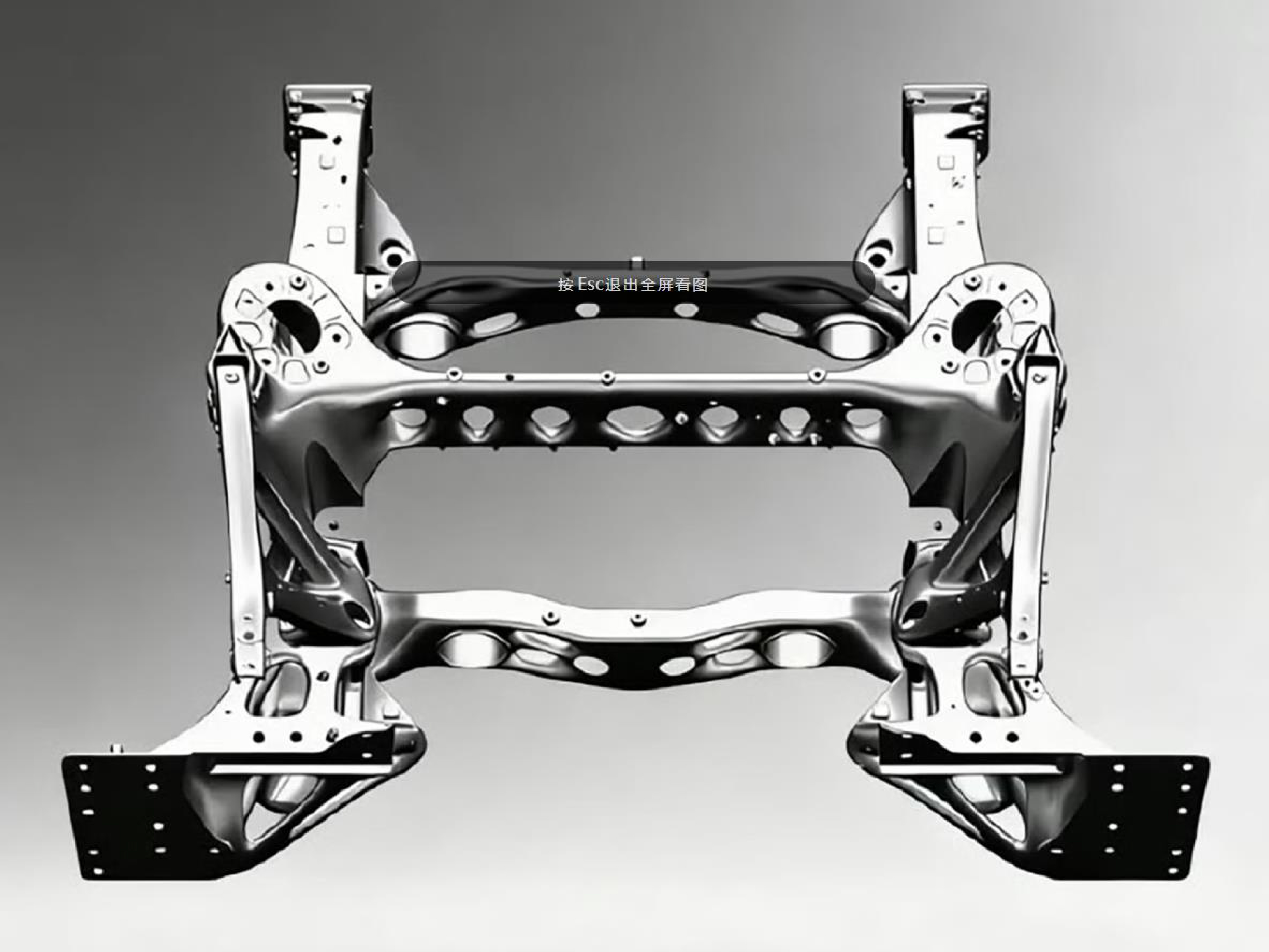
What makes this achievement even more remarkable is the 3D printing technology behind it. The Yangwang U9X features the world's first integrated 3D printed high-performance body, utilizing a high-strength aluminum alloy developed specifically for this project. Compared to components produced through conventional manufacturing methods, this innovative design achieves over 30% weight reduction while delivering more than 200% improvement in torsional stiffness compared to a solid structure of equivalent mass.
The key body components of this performance beast were printed using Bright Laser Technologies' large-format metal additive manufacturing systems (including the BLT-S1000, BLT-S615, and BLT-S815). Beyond the body structure, the U9X is also equipped with 20 sets of 3D printed high-performance brake calipers. These calipers feature impressive innovations: internal oil channels directly integrated into the printed structure and topology-optimized design, achieving 20-30% weight reduction. All caliper components achieve density greater than 99.5% and successfully passed the rigorous Nürburgring endurance tests.
The success of the Yangwang U9X is not only a source of pride for China's automotive industry but also powerful proof of additive manufacturing's application potential in high-performance vehicle production. It demonstrates to the world that through 3D printing, lightweighting and structural performance unattainable with traditional processes can be achieved, opening new possibilities for the future of automotive manufacturing.


©2025 3dptimes.com All Rights Reserved