Josef Prusa Invests in Czech Company Using 3D Printing to Solve Hockey Equipment Storage Challenges
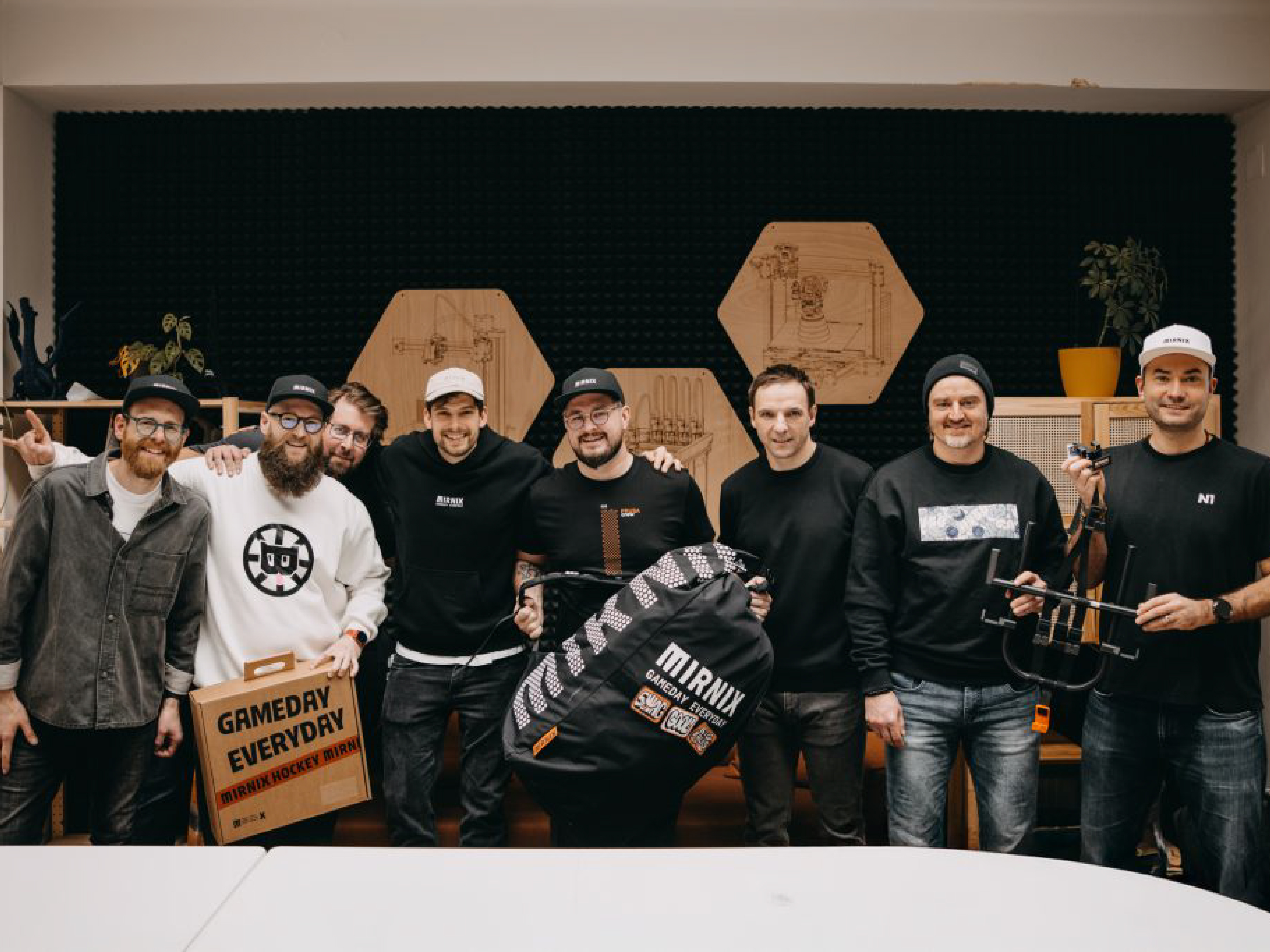
Czech startup MIRNIX has recently secured a strategic investment of CZK 5 million, with an impressive lineup of investors—Josef Prusa, founder of Prusa Research, and former NHL player Radim Vrbata jointly participating. The funding will be used to scale production, support product development, and expand into international markets.
From Hardware Accelerator to Strategic Partnership
MIRNIX focuses on off-ice hockey equipment solutions, specializing in gear storage, transport, and drying. The team previously participated in the PrusaLab Hardware Accelerator, which led to their connection with Josef Prusa. The addition of former NHL player Vrbata brings professional athlete insights to product design.
"This is more than just money—it's a combination of technology, network, and real-world experience," said Matěj Raiter, co-founder of MIRNIX. The team plans to increase annual production from several hundred units to several thousand, establishing a stronger foothold in the hockey equipment accessories market.
MIRNIX's core product, The Hooking, is a portable hanging system that allows complete hockey gear to be hung and dried without permanent installation. Key components are manufactured using 3D printing, achieving modularity and precision structures that traditional methods struggle to replicate. The company also integrates 3D-printed elements into hockey backpacks, combining them with traditional materials to balance functionality and durability.
Of course, 3D printing is not a universal solution. MIRNIX faces challenges in maintaining consistency during batch production, with materials needing to withstand repeated stress, environmental exposure, and transportation demands. While complex designs enhance user experience, they also increase costs and production complexity.
Although 3D printing in sports has largely focused on core equipment, similar approaches are increasingly extending to peripheral accessories. No need for molds, high design freedom, and suitability for small-batch production—these characteristics give 3D printing clear advantages when handling complex geometries and modular components.
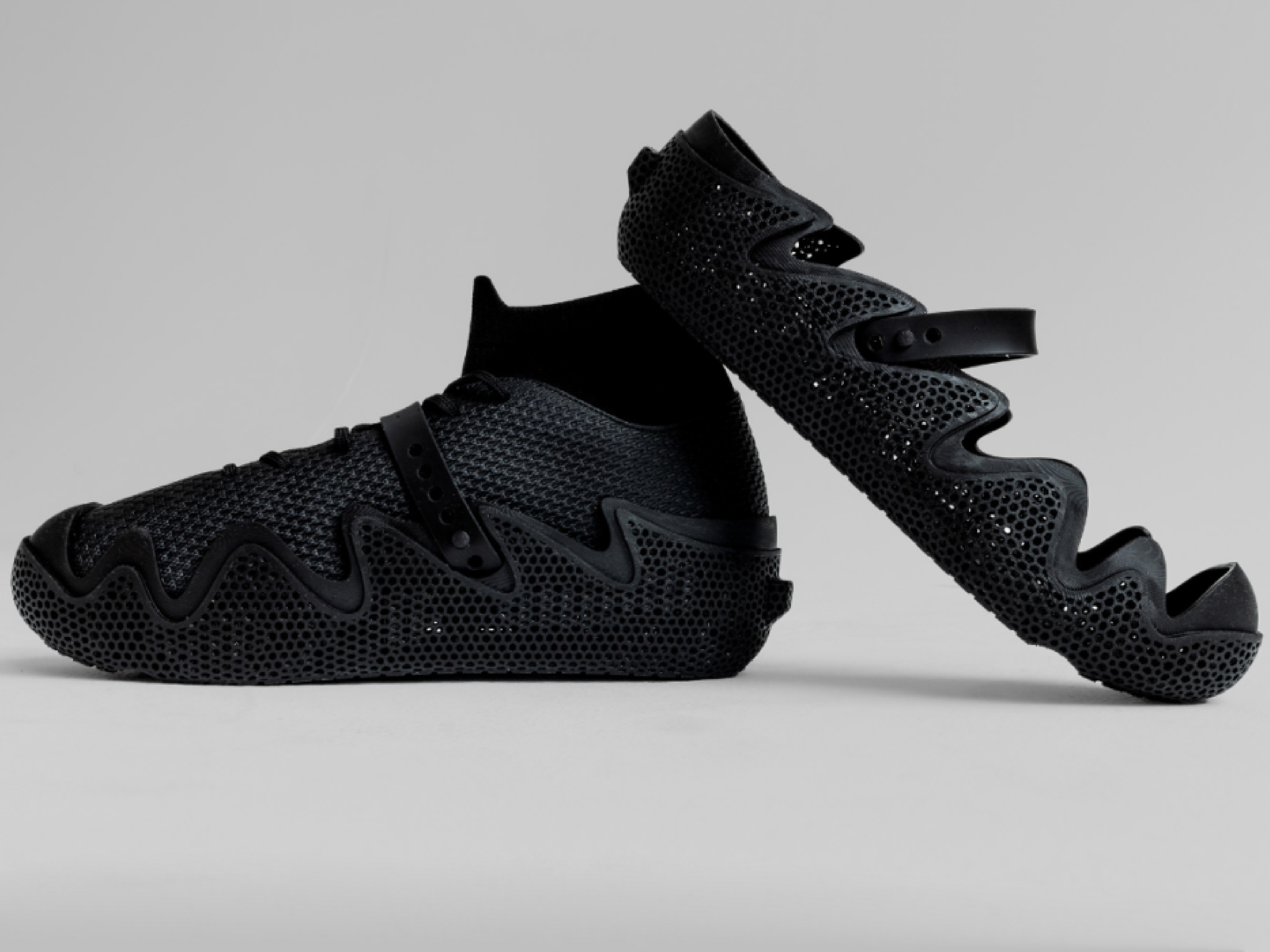
Examples include Hypsole's shoe cleat guards printed with Carbon technology, allowing players to walk normally off the field, and Adidas and Marcolin's 3D-printed sports sunglasses, lightweight with integrated ventilation structures. These cases demonstrate that as 3D printing moves from "showing off capabilities" to "solving specific problems," its role in the sports industry is becoming increasingly tangible.