Home  >  News

July 21, 2026      News      6154

On July 9, 2026, Luxshare Precision (02475.HK) officially listed on the main board of the Hong Kong Stock Exchange.

The H‑share offering price was set at HK$63.28 per share (about US$8.11), raising approximately HK$24.3 billion (US$31.15 billion) – the largest IPO in Hong Kong so far this year. A total of 26 long‑term global institutional investors participated as cornerstone backers, including sovereign wealth funds such as Temasek, the Abu Dhabi Investment Authority, and Singapore's GIC, with cornerstone subscriptions exceeding HK$11 billion (US$14.1 billion). All currency conversions are based on approximate exchange rates of HK$7.8 and RMB 7.2 to US$1.
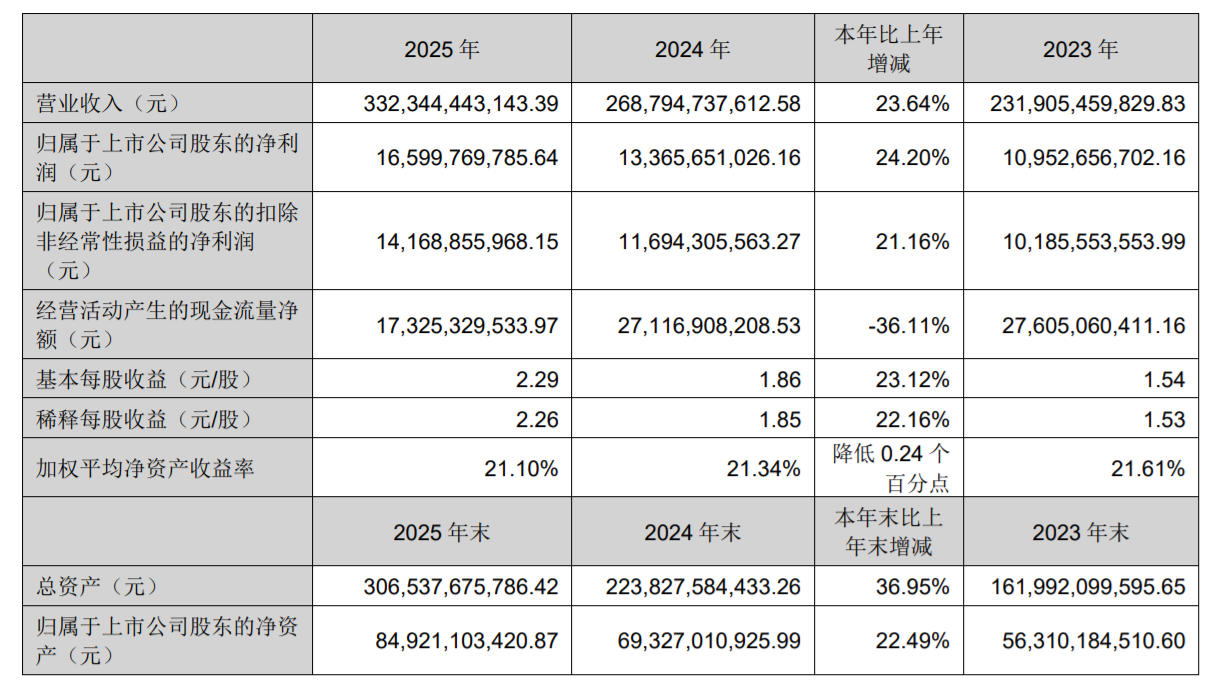
Now for the numbers. In fiscal year 2025, Luxshare reported total revenue of RMB 332.344 billion (about US$461.6 billion), up 23.64% year‑on‑year, and net profit attributable to shareholders of RMB 16.6 billion (US$23.06 billion), up 24.2% – both record highs. Consumer electronics remains the biggest segment, contributing RMB 264.266 billion (US$367.0 billion), or 79.5% of total revenue. Automotive electronics stood out with RMB 39.255 billion (US$54.5 billion), a staggering 185.34% jump. Dependence on its largest customer dropped from 75.2% in 2023 to 56.7% in 2025, showing a healthier client mix. The momentum continued into the first quarter of 2026, with revenue reaching RMB 83.888 billion (US$116.5 billion), up 35.77% year‑on‑year.
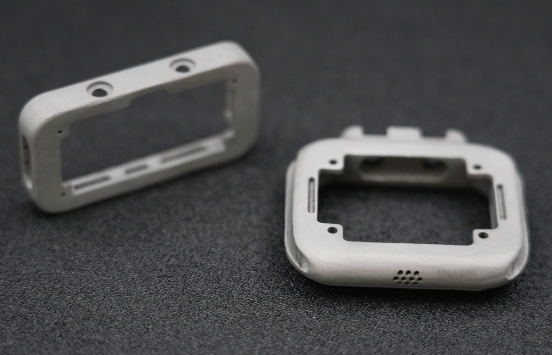
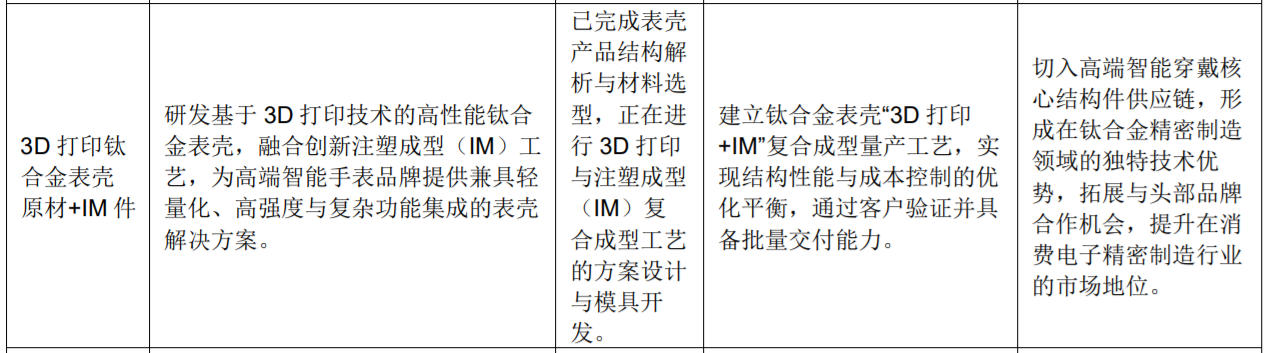
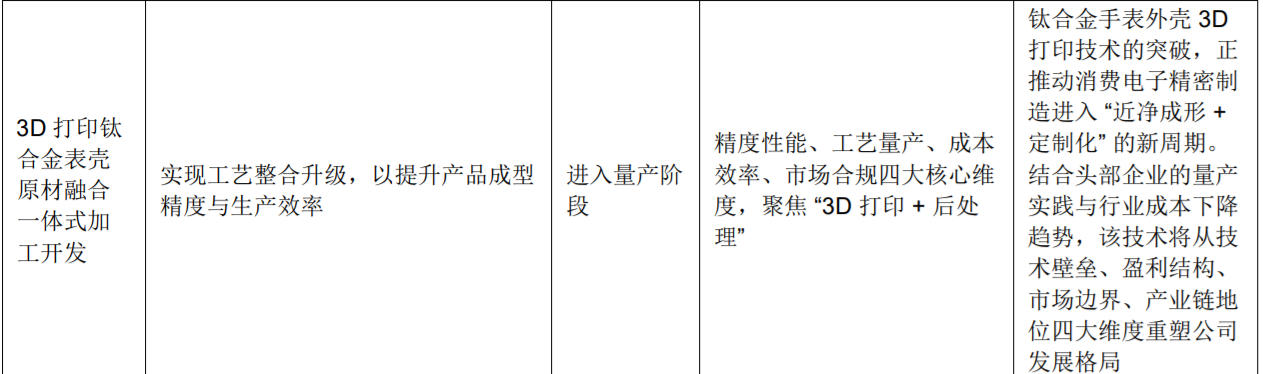
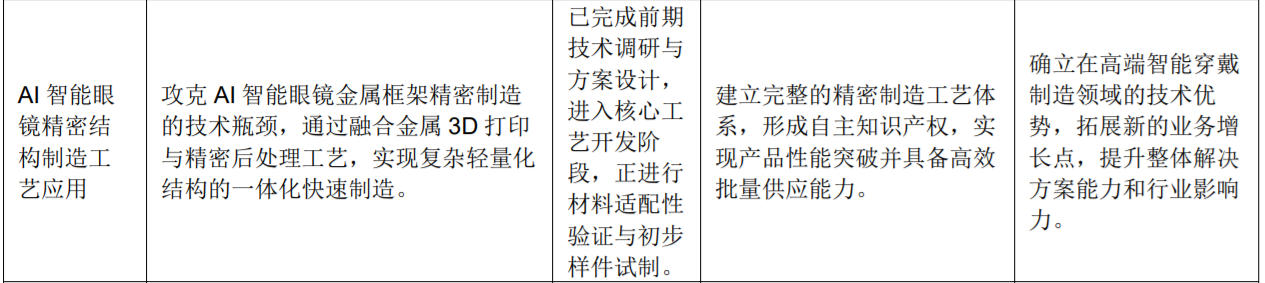
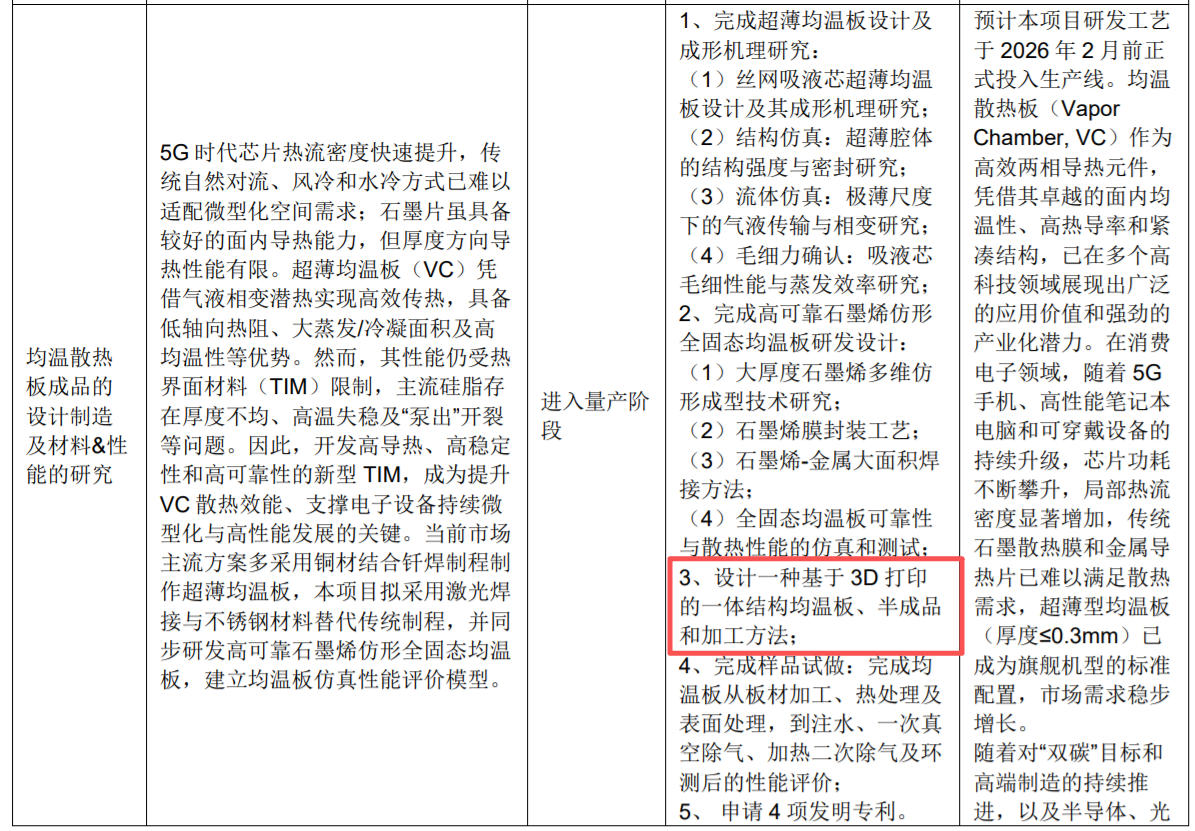
Turning to 3D printing. Among the company's five R&D projects in this area, the titanium alloy watch case project has already moved into mass production, with a focus on precision, efficiency, and cost control through the "3D printing plus post‑processing" workflow. High‑strength aluminum alloy powder materials are also under development, aiming to produce rare‑earth‑free powders specifically for 3C applications. For AI smart glasses, Luxshare is using 3D printing to create integrated lightweight metal frames, and it's also developing a one‑piece structural design for vapor chamber heat spreaders. In addition, a hybrid approach combining 3D‑printed titanium alloy watch cases with injection molding is being explored.
3D printing in consumer electronics has shifted from "can we do it?" to "how big can we scale it?" Industry estimates put the per‑unit value of 3D‑printed titanium alloy components at roughly RMB 110–130 (US$15–18), with the raw printed blank accounting for about one‑third and post‑machining taking the remaining two‑thirds. When a manufacturing giant with over RMB 330 billion (US$46 billion) in annual revenue pushes this process to production, and simultaneously invests in AI eyewear frames and thermal management parts, the message is clear: additive manufacturing is becoming foundational infrastructure for precision manufacturing, not some niche technology.


©2025 3dptimes.com All Rights Reserved