The FIA has recently released the 2026 Formula 1 Technical Regulations, with updates concerning additive manufacturing—commonly known as 3D printing—drawing particular attention.
The new regulations clarify the materials, components, and application scopes permitted for 3D printing, opening up greater possibilities for technological innovation while ensuring safety and performance.
Which Materials Can Be Printed?
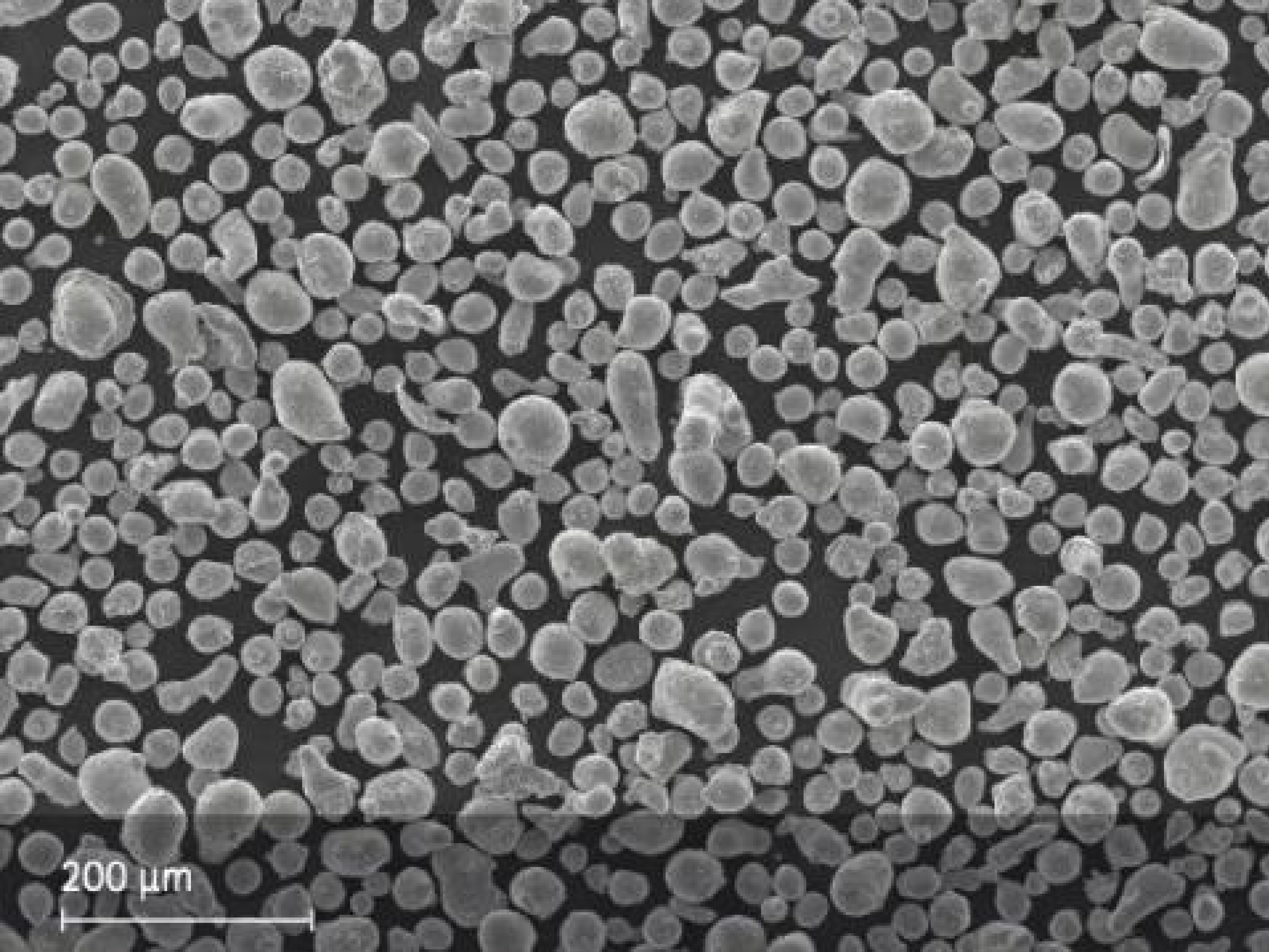
The new regulations explicitly permit the use of various metal powders for 3D printing, primarily concentrated in four categories: aluminum alloys, titanium alloys, steel alloys, and superalloys.
Regarding aluminum alloys, beyond standard grades like AlSi10Mg, the list includes aluminum-magnesium alloys renowned for strength such as Scalmalloy, as well as materials with reinforcing particles like A20X. For titanium alloys, common grades like Ti6Al4V and Ti 5553 are approved, offering both high strength and corrosion resistance. In the steel alloys category, stainless steels such as 316L and 304, along with several high-strength steel grades, have been included. Additionally, superalloys capable of withstanding extreme temperatures, such as Inconel 718 and cobalt-chrome, are permitted for printing components like exhaust systems.
The regulations also stipulate that, after post-processing, the final mass of a printed component must not be less than 60% of its as-printed mass (excluding supports) to ensure structural integrity. For safety reasons, materials containing beryllium are explicitly prohibited.
Which Components Can Use AM?
The most noteworthy breakthrough in the new regulations concerns the suspension system. Technology previously common in Formula Student competitions has now made its way to the F1 stage—suspension uprights can now be 3D printed using titanium or aluminum alloys. This will grant teams greater design flexibility to further optimize car handling performance.
Furthermore, specific areas within the exhaust manifold assembly have been opened up for 3D printing, such as the flanges at the cylinder head connection, the collector, and components connecting to the turbocharger. However, these areas are subject to strict dimensional constraints to ensure technical consistency across all teams.
Limitations Still Exist
Despite opening up more applications, the regulations have also drawn clear boundaries. The most typical example is the main heat exchanger: its core and header tanks must be manufactured from aluminum alloy, and the core itself is prohibited from being 3D printed. This is primarily to ensure the reliability of the cooling system and prevent safety compromises in the pursuit of extreme lightweighting. Additionally, the tubes and fins inside the heat exchanger have minimum thickness requirements to prevent risks associated with materials being too thin.
Overall, while encouraging innovation, the 2026 regulations firmly maintain the baseline of safety and fairness. As the material list continues to expand and application scenarios keep broadening, 3D printing is playing an increasingly important role in top-tier competitions like Formula 1.