Home  >  News

April 14, 2026      News      8598

The Oscar-winning animated short film The Girl Who Cried Pearls made extensive use of 3D scanning and 3D printing throughout production, helping a small team bring incredibly detailed miniature sets to life with limited resources.

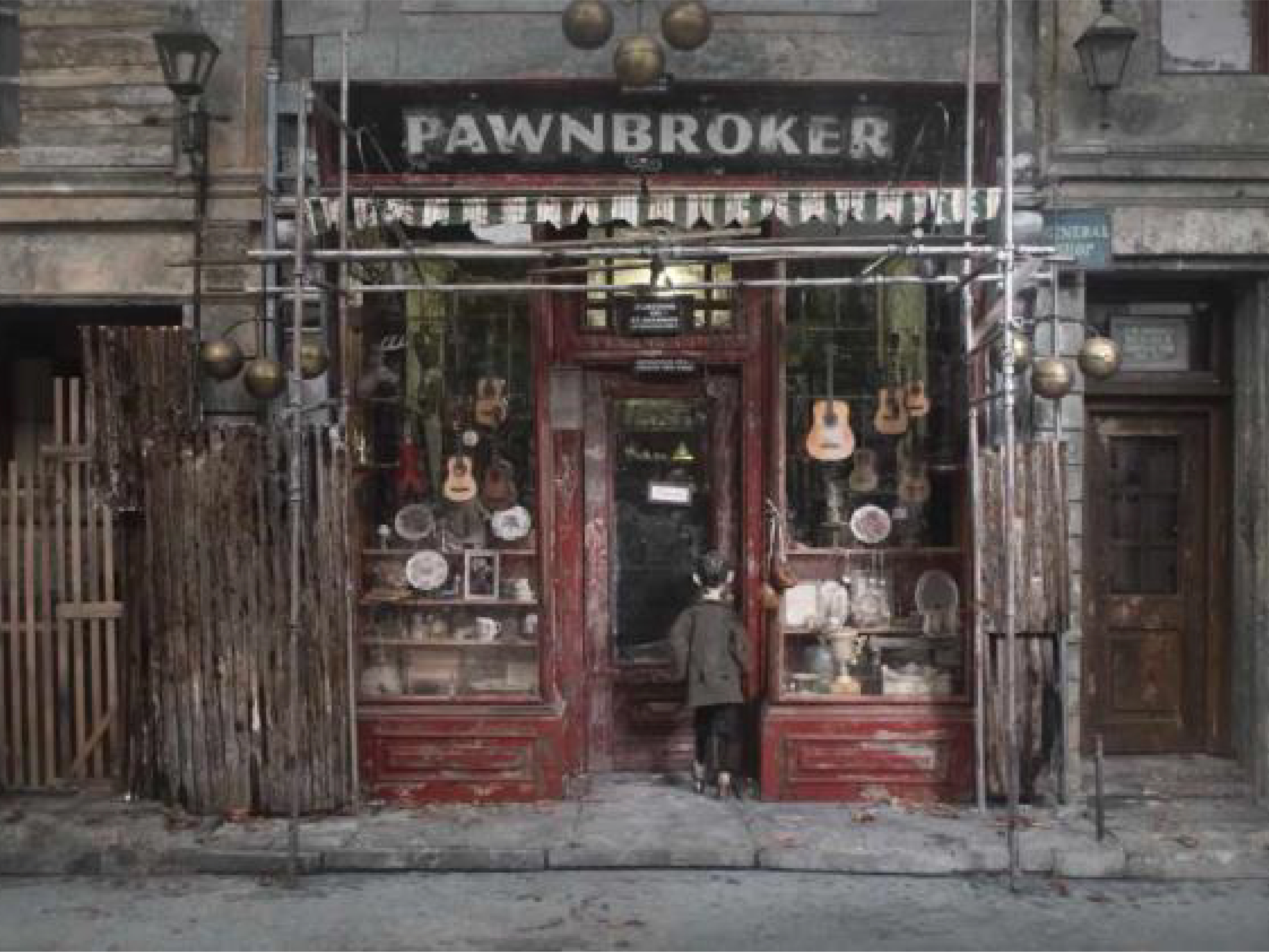
The film was produced by the National Film Board of Canada and tells the story of a grandfather recalling his childhood growing up in poverty in Montreal. Through exquisitely crafted miniature sets, the film portrays a range of locations—from a run-down apartment to a jewelry shop and an industrial port—with each scene layered with objects and textures that convey a rich sense of lived-in authenticity.
If created entirely by hand, these details would have required an immense amount of time and labor. The creative team therefore turned to 3D printing and scanning, which allowed them to miniaturize elements and produce physical models within just a few hours. The artistic director purchased a machine and spent three months learning how to use it, noting that the technology “completely changed the way we work at the studio,” enabling the team to build and test pieces in a single day. From handcrafted puppets to close-up shots of enlarged scans, the creative possibilities were endless.
The director noted that 3D printing allowed the team to do more with less. Today, this technology is playing an increasingly important role behind the scenes in film and animation—from stop-motion to large-scale models, and from creative production to archival restoration.


©2025 3dptimes.com All Rights Reserved