Home  >  News

March 5, 2026      News      10240

For many studios, AM is now standard procedure for innovative designs, while the entire industry increasingly looks at more sustainable processes

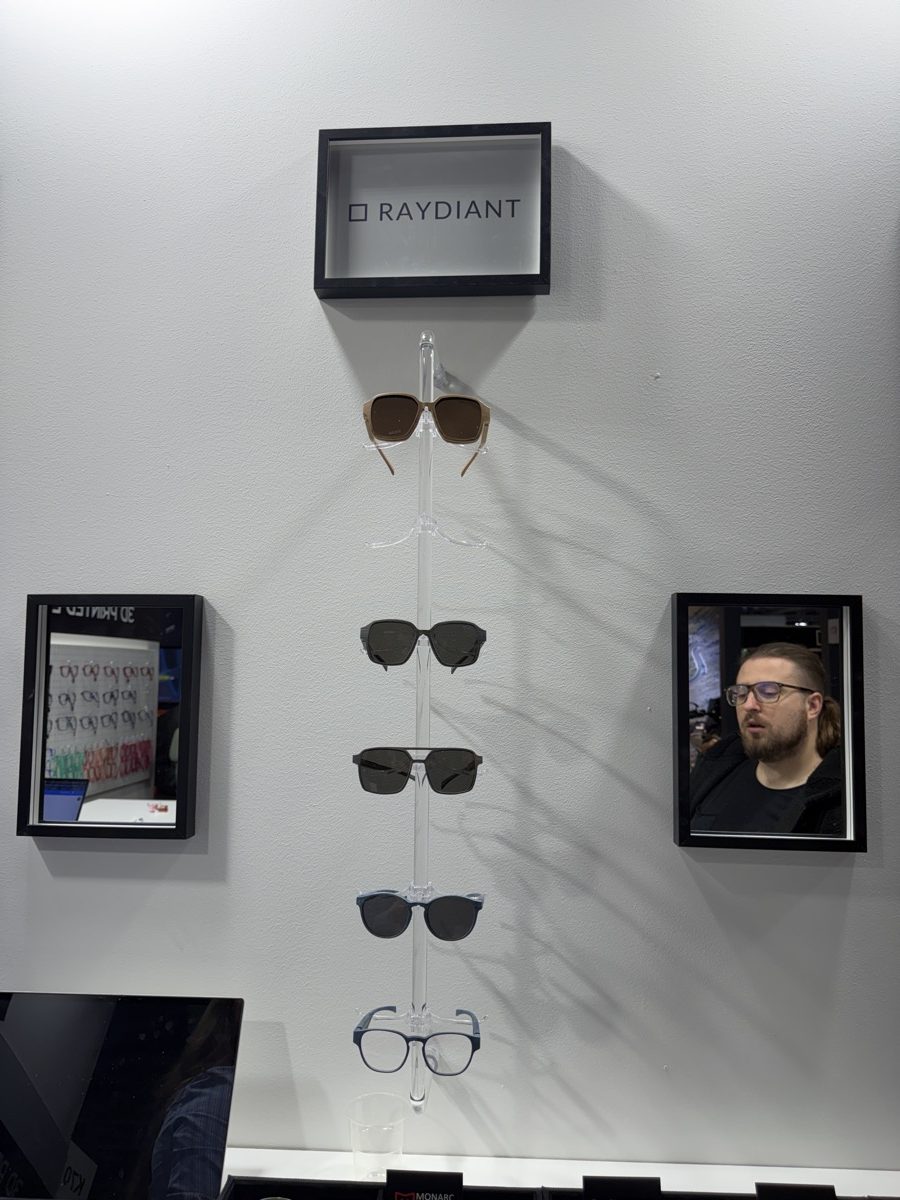
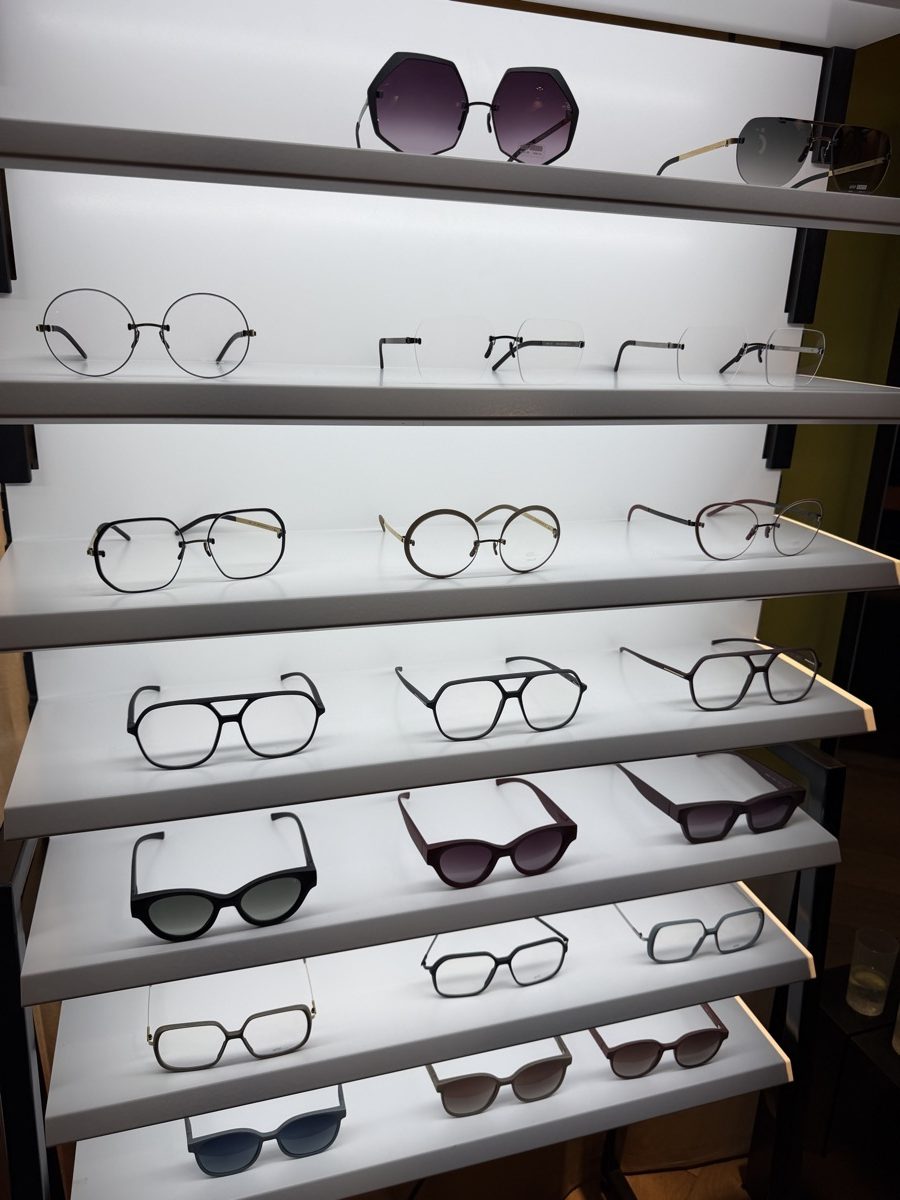
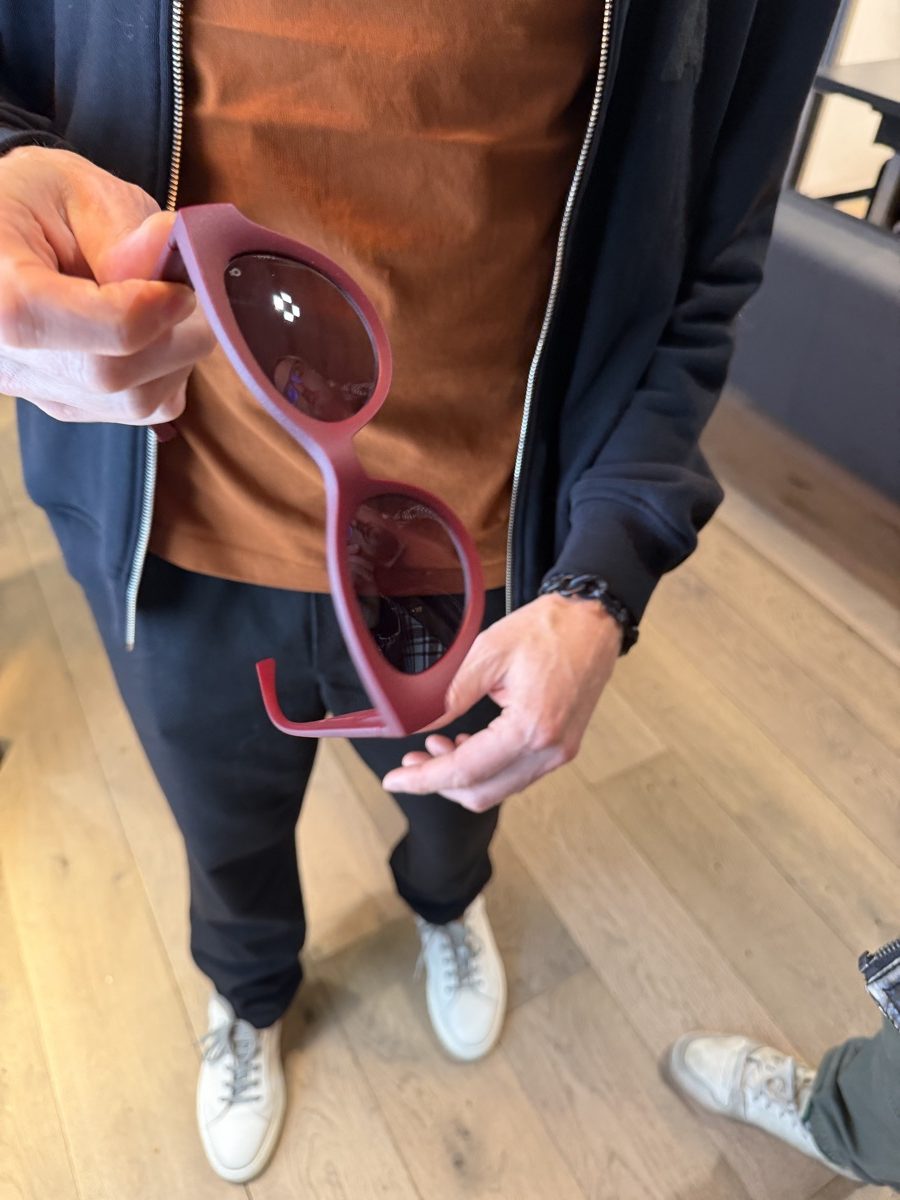
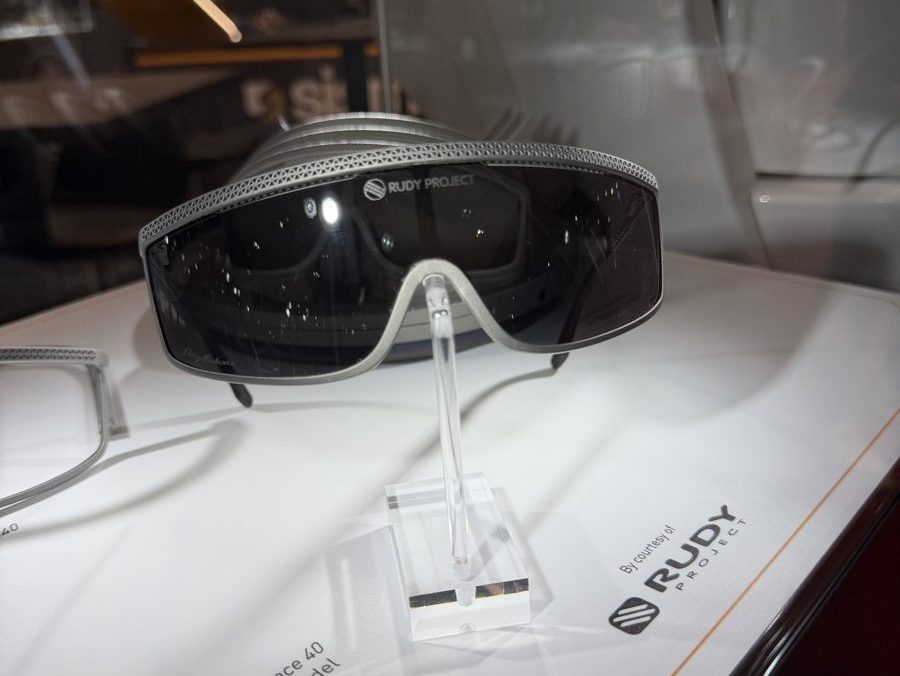
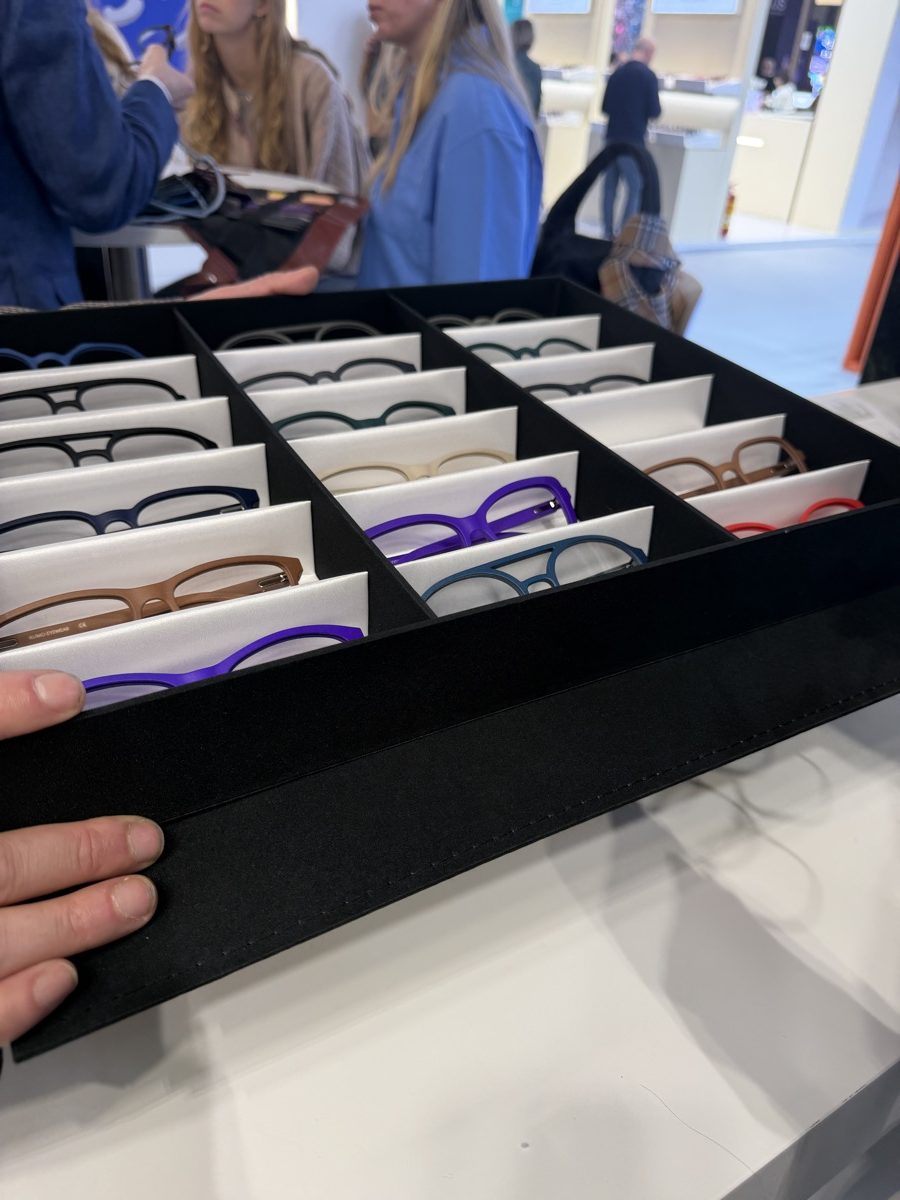
At this year's MIDO 2026 optical fair, a clear signal was sent: 3D printing has transitioned from a "future technology" to a "standard production tool" for the eyewear industry. Both start-up studios and established manufacturers are leveraging this technology to achieve design freedom and sustainable development.

Core Trend One: Technology Maturation, Customization Becomes Reality

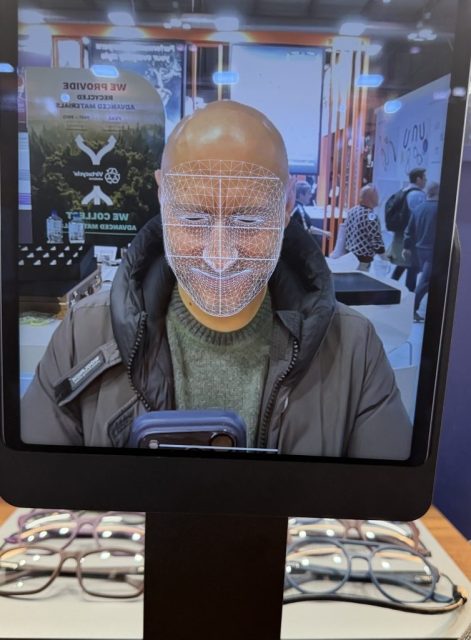
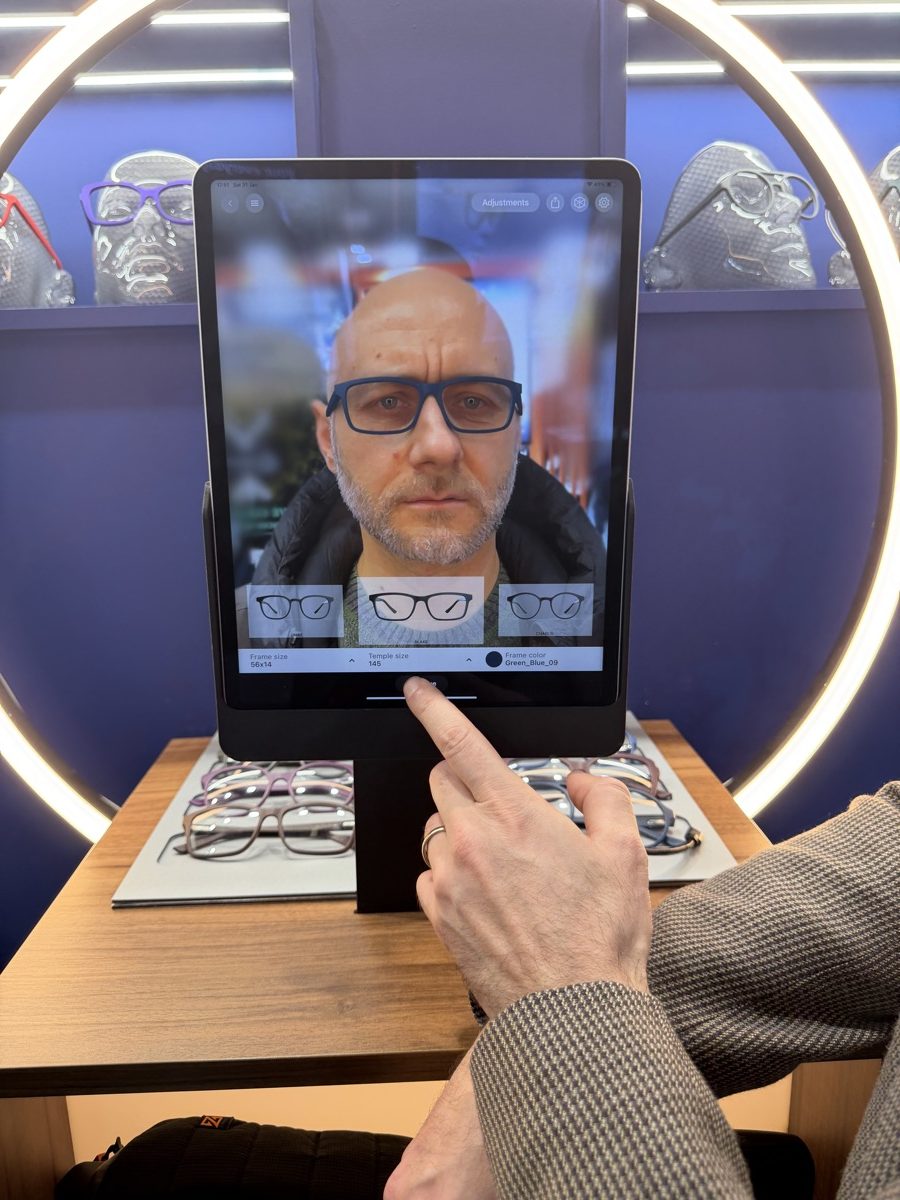
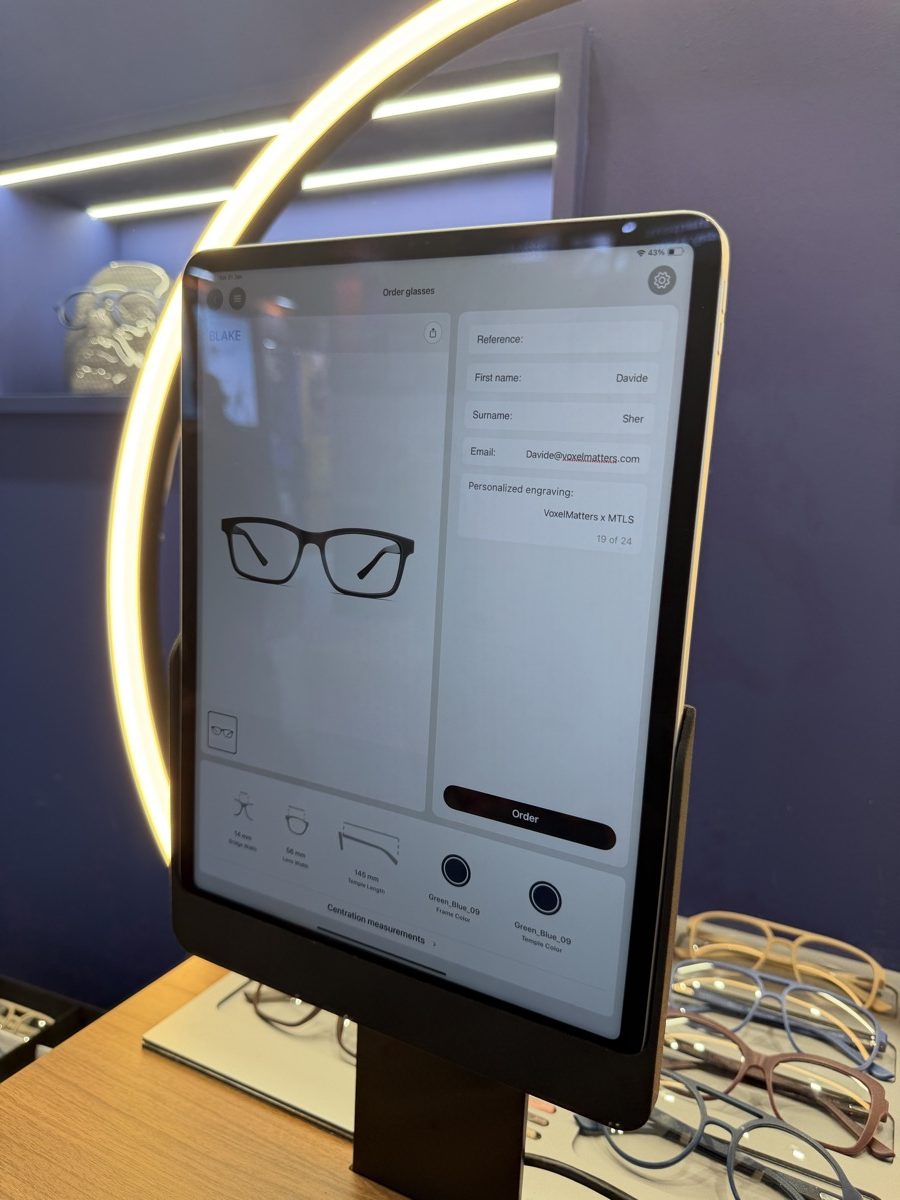
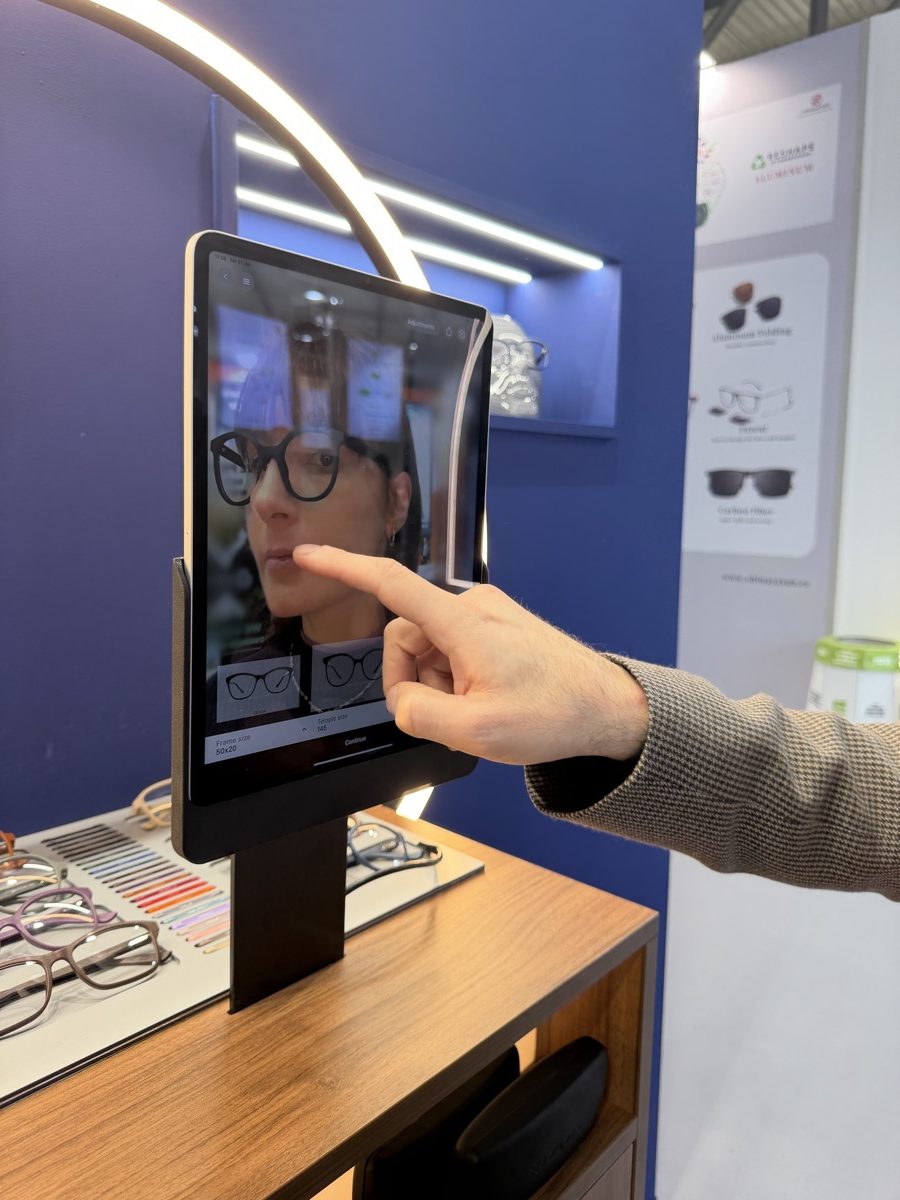
3D printing is no longer exclusive to prototyping. Numerous studios now use it for final product manufacturing, and the related supply chain (e.g., specialized hinges, nose pads) has matured. Its greatest advantage lies in enabling deep personalization and customization. For instance, Materialise's "Kumo" cloud-based system allows consumers to adjust frame sizes online, try them on virtually, and place orders for direct production, representing one of the most market-ready solutions.

Core Trend Two: Sustainability as a New Competitive Dimension

The industry is shifting from "technology competition" to "green competition." On one hand, the on-demand production model of 3D printing inherently reduces inventory waste. On the other hand, traditional giants are accelerating their eco-friendly transformation, for example, by using bio-based plastics and recycled materials to manufacture frames. The Italian company Re|Ace can even recycle production waste up to seven times. Notably, even waste from lens production (microplastics) is being researched for conversion into 3D printing filament, attempting to form a closed-loop system.
In the future, the concept of purely "3D printed eyewear" may fade, replaced by "hybrid manufacturing" — combining the complex structures possible with 3D printing with the comfort of traditional materials. Simultaneously, the technology itself is evolving. For example, the Light-Form technology developed by IOT aims to form lenses directly using photopolymerization, further reducing waste.
3D printing has not overturned the traditional eyewear industry but has deeply integrated with it. It has opened up a track for personalized design and small-batch production, forcing the entire industry to accelerate innovation on the path to sustainability. The ultimate beneficiaries will be consumers seeking unique style and environmental value.


©2025 3dptimes.com All Rights Reserved