A 3D-printed drone, made on a desktop printer using multiple materials, set a new world speed record of 657 km/h.
The world record for the fastest drone has been shattered once again, and this time, the winning device was largely fabricated using a desktop 3D printer.
Recently, the Peregreen V4, a fully 3D-printed drone developed by engineer Luke Maximobell and his father, reclaimed the Guinness World Record with a staggering average speed of 657 km/h. This not only surpassed the previous record of 626 km/h set just a month earlier but also demonstrated genuine performance advancement, evidenced by its impressive 599 km/h speed flying upwind.
The Key to Success: Multi-Material, Monolithic 3D Printing
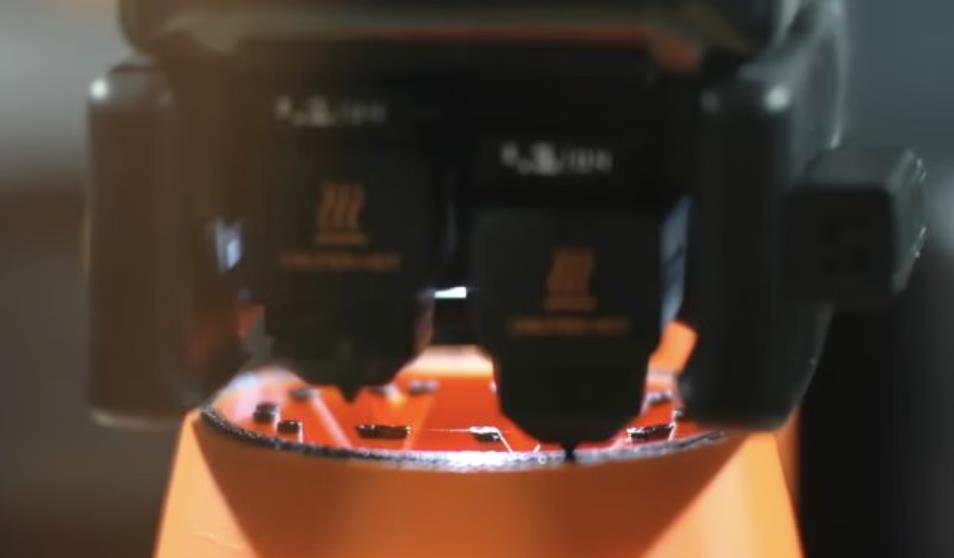
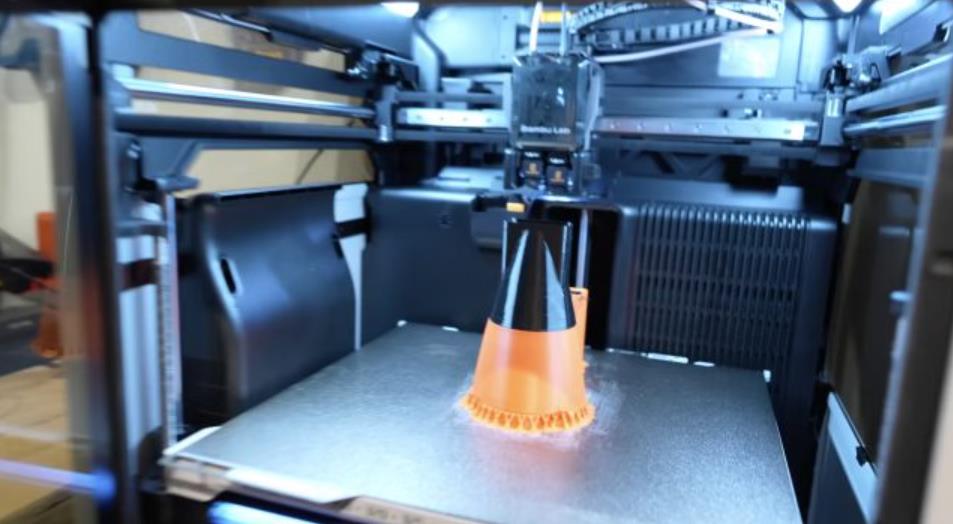
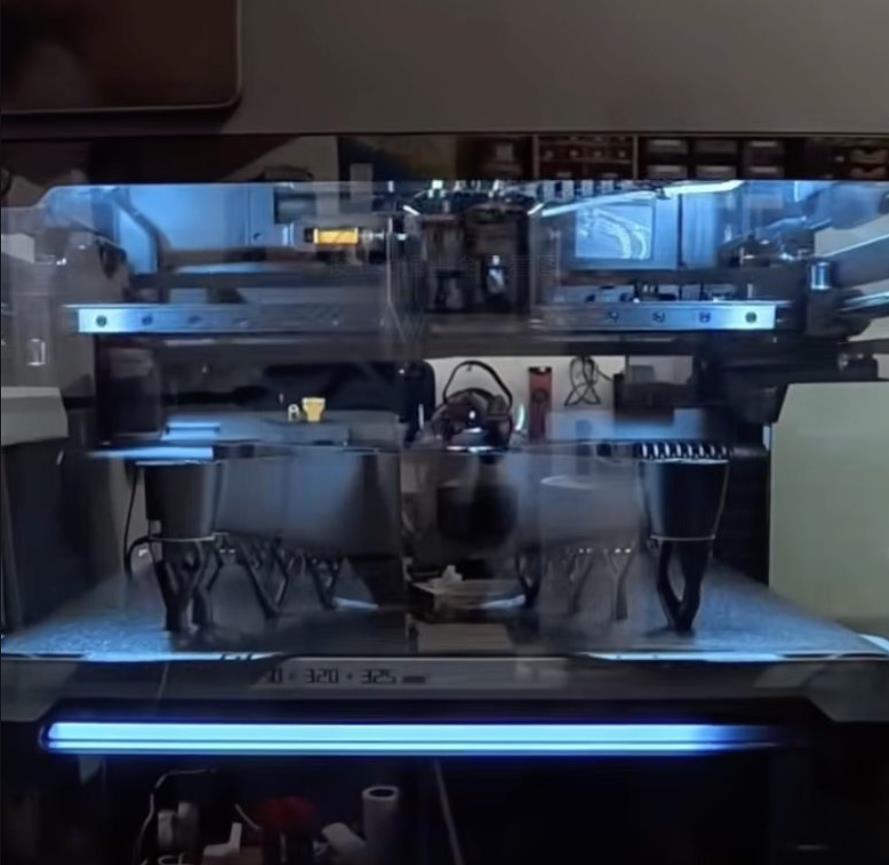
The Peregreen V4 is the result of over two years of iterative development, with 3D printing technology being crucial for its rapid prototyping and validation. The team used a Bambu Lab H2D dual-nozzle 3D printer to seamlessly combine various materials—including PETG, PA6-CF carbon-fiber nylon, and even flexible TPU—within a single, continuous print job.
This manufacturing approach allowed the entire drone fuselage to be produced as a single, unified component, resulting in superior aerodynamic form and surface finish. It also gave them the freedom to strategically combine rigid and flexible materials in key areas (like the tail and camera mount), achieving an optimal balance of strength and impact resistance.
Other Performance Upgrades
The team also optimized the hardware and design:
Powertrain: Selected T-Motor 3120 brushless motors for their optimal balance of thrust and reliability, and upgraded the windings to increase rotational speed.
Aerodynamics: Leveraged the AirShaper platform for computational fluid dynamics simulation to optimize the shell design and reduce drag.
Refinements: Hand-sanded the carbon fiber composite surfaces and trimmed the propeller dimensions for better performance at higher RPMs.
The Future: A Supersonic Drone?
While still a significant distance from the speed of sound at sea level (approximately 1235 km/h), this breakthrough is closing the gap faster than many anticipated. Could a drone made on a desktop 3D printer one day break the sound barrier? What once seemed like a far-fetched idea is no longer pure science fiction.