March 22, 2026      Applications      9000

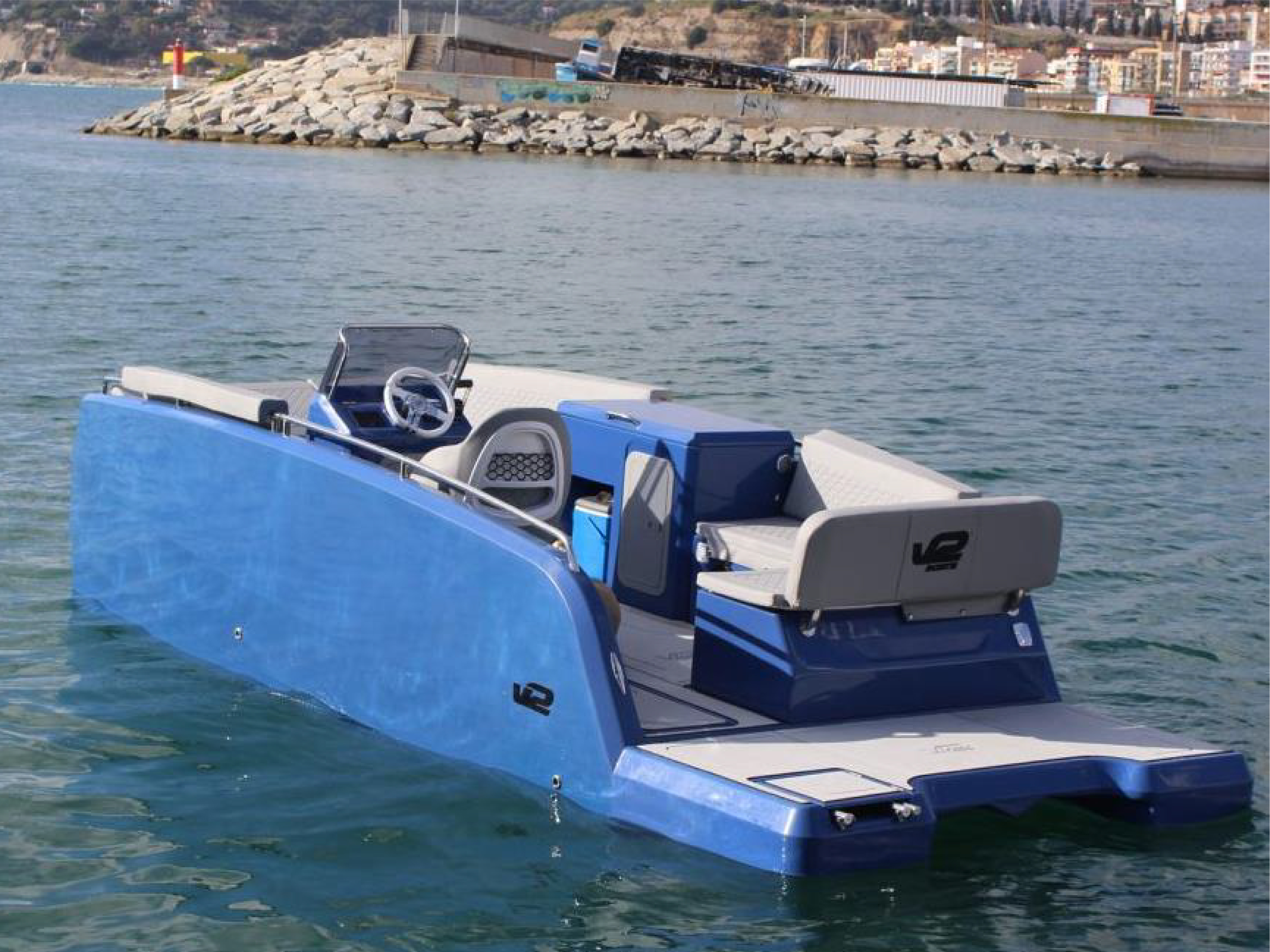
Recently, advanced robotics technology leader Caracol collaborated with Spanish leisure craft specialists V2 Group to accomplish a remarkable feat: completely 3D printing a 6-meter-long functional monohull catamaran capable of navigating open waters.

The hull measures 5m x 2.3m x 1.5m and weighs 1,200 kilograms. Using Caracol's Heron 400 robotic platform equipped with an 8mm nozzle, the team completed a single uninterrupted 160-hour print, producing the entire hull in one piece—eliminating the need for secondary assembly while ensuring higher structural integrity.
The material chosen was recycled polypropylene reinforced with glass fiber (rPP GF), which combines environmental friendliness with strength. Post-processing required only CNC machining, gel coating, and painting to complete.

Compared to traditional manufacturing methods, 3D printing delivers tangible benefits:

Material waste reduced by 30%
Delivery lead time shortened by 20%

More importantly, it completely eliminates mold dependency—design iterations no longer require new mold tooling, making small-batch and customized production possible.
The project was designed with mass production in mind from the very beginning. Although the design and slicing phases for the first hull required significant time, Caracol states that these are one-time investments; subsequent prints of the same hull design can directly reuse these preparations, dramatically reducing setup time for future builds.
The two companies plan to continue advancing this process until full industrialization is achieved. The long-term goal: to establish a more scalable, sustainable, and accessible production model within the maritime industry.
From waste reduction to cost savings, from customization to mass production, 3D printing is quietly transforming the centuries-old shipbuilding industry.


©2025 3dptimes.com All Rights Reserved