Dingli Technology pivots from 3D printing expansion to focus on core thermal equipment business in its revised Beijing Stock Exchange IPO plan.
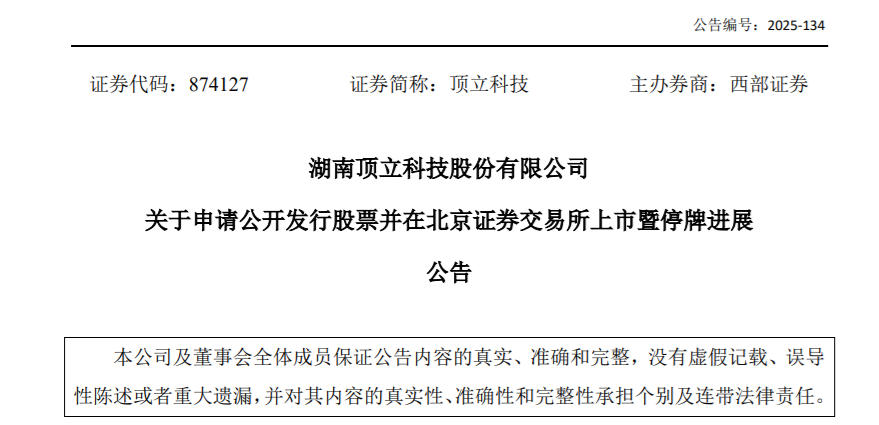
Hunan Dingli Technology Co., Ltd. recently issued an "Announcement Regarding the Application for Public Share Issuance and Listing on the Beijing Stock Exchange and the Progress of the Trading Halt". In Polar Bear's impression, Dingli Technology also has a presence in the 3D printing business. This announcement has thrust this enterprise, deeply engaged in high-end equipment manufacturing, into the spotlight of the capital market.
Polar Bear's research found that before attempting to list on the Beijing Stock Exchange (BSE), Dingli Technology had previously applied to list on the STAR Market. Its 3D printing capacity expansion project was scrapped during the BSE application process. This article will outline Dingli Technology's 3D printing business and its IPO journey.
From Technological Breakthroughs to the Listing Path
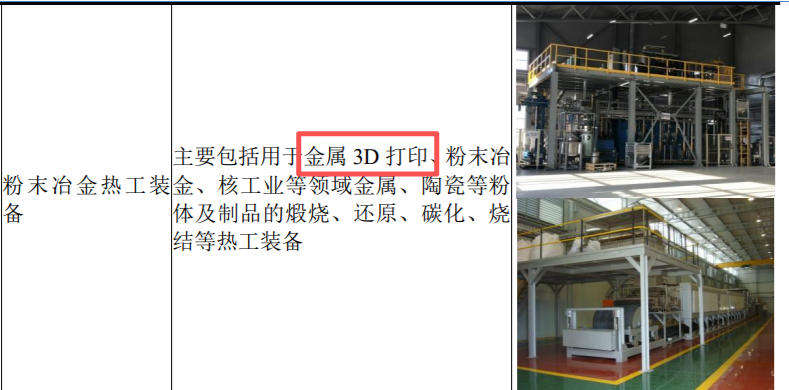
Dingli Technology's development trajectory has always been closely linked to the localization process of high-end thermal process equipment. After its establishment in 2006 under the leadership of Dai Yu, the company focused on core products like high-temperature heat treatment equipment and carbon fiber carbonization furnaces. Leveraging its technological accumulation in high-end sectors such as aerospace and nuclear industry, it gradually grew into a "Little Giant" enterprise supported by the state. Its self-developed carbon-ceramic thermal process equipment broke through "bottleneck" technologies and was successfully applied in the manufacturing of high-temperature resistant components for aerospace, building a differentiated competitive advantage.
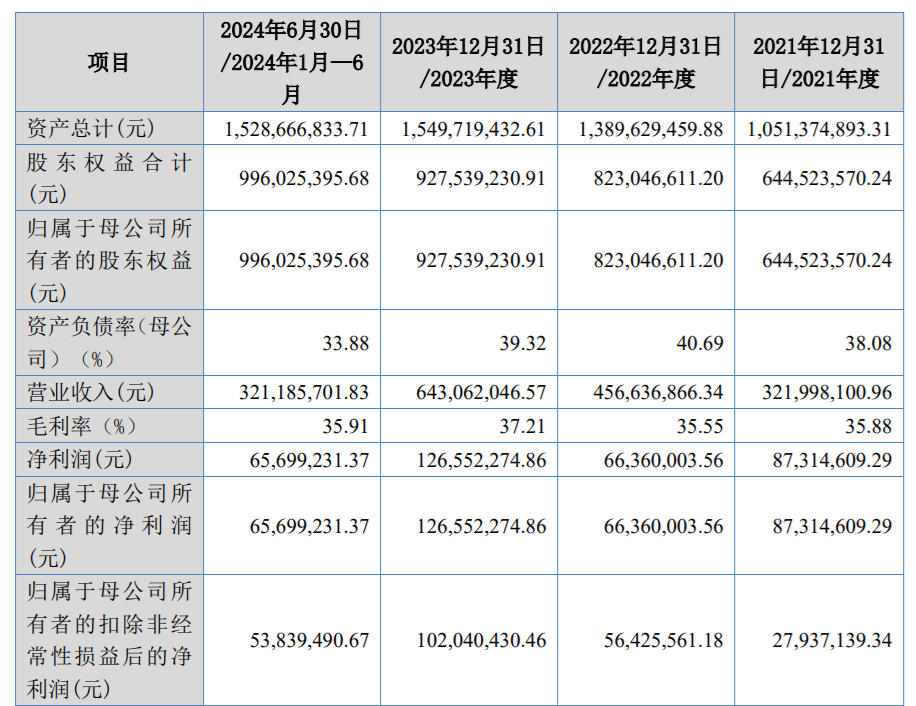
In 2015, Chujiang New Materials acquired Dingli Technology, forming a strategic synergy based on "Materials + Equipment." With the support of its parent company, Dingli Technology's performance once achieved leapfrog growth: From 2021 to 2023, revenue increased from 322 million yuan to 643 million yuan, and non-net profit rose from 27.94 million yuan to 102 million yuan, with compound annual growth rates of 41% and 91% respectively. This strong performance laid the foundation for the listing plan.
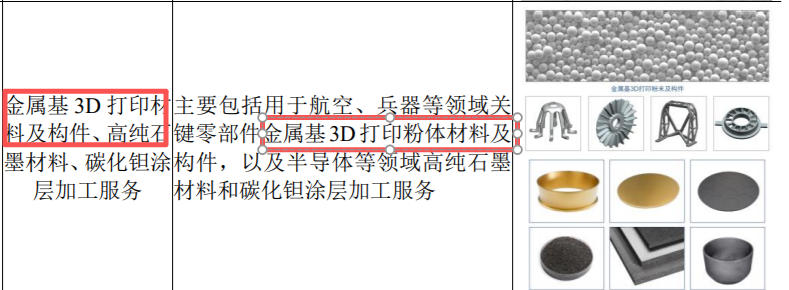
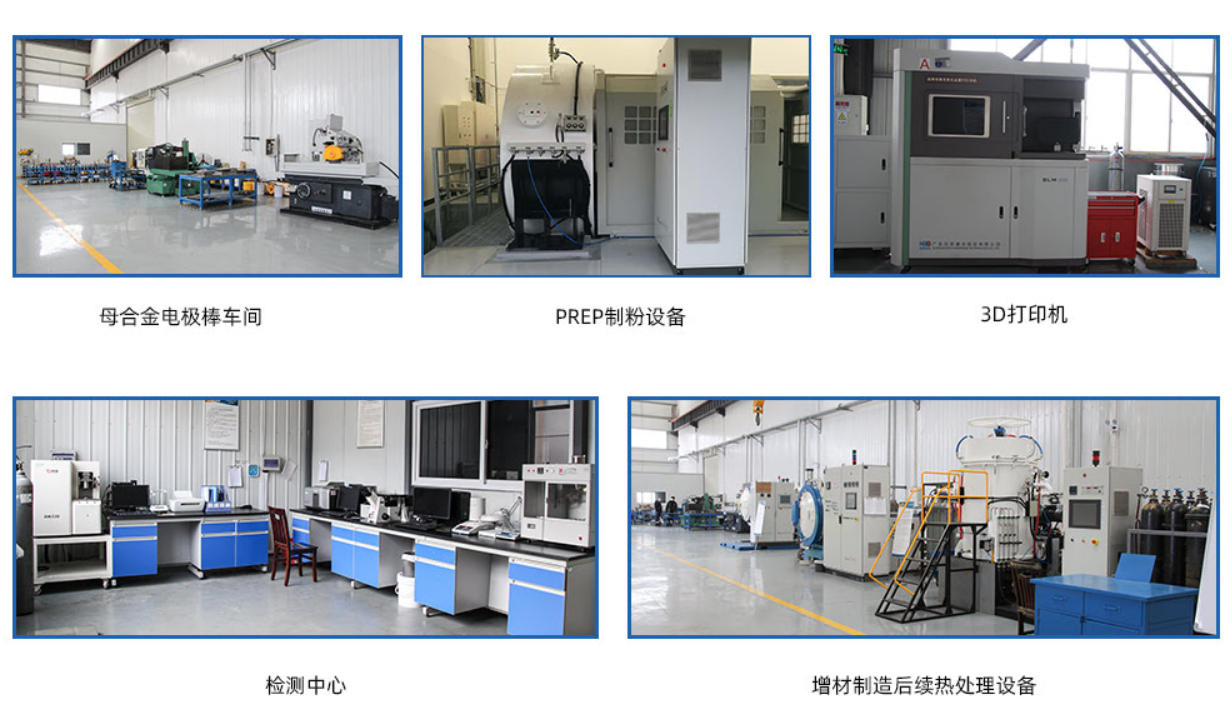
Regarding 3D Printing Products and Business, Dingli Technology's main focus is in the metal 3D printing field, including plasma rotating electrode atomization powder preparation equipment, metal 3D printing spherical powder materials, and high-performance metal 3D printing product services.
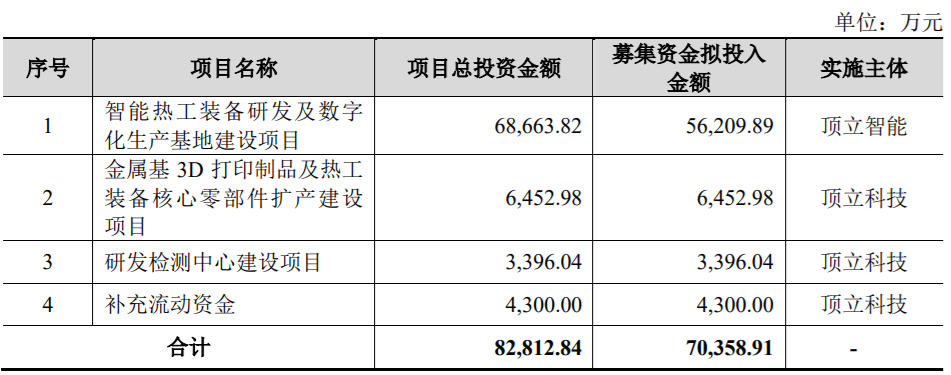
However, Dingli Technology's path to capitalization was not smooth. In December 2022, the company initiated its STAR Market listing application under the guidance of China International Capital Corporation (CICC) and was even included in Changsha's STAR Market enterprise listing cultivation pool. But in July 2023, because its parent company, Chujiang New Materials, reported a sharp loss of 63.49 million yuan in non-net profit for 2022, it breached the "three consecutive years of profitability" policy threshold for spin-off listings. Forced to change its sponsor to Western Securities, it switched course to the BSE. After formally submitting its application on December 23, 2024, it adjusted its fundraising plan under regulatory inquiry pressure, reducing the originally planned fundraising amount of 704 million yuan to 382 million yuan, a decrease of 45.64%.
In October 2025, Dingli Technology's parent company, Chujiang New Materials, released its performance forecast for the first three quarters of 2025, estimating a net profit attributable to shareholders of 350 million to 380 million yuan, a massive year-on-year increase of 2057.62% to 2242.56%. After undergoing previous diversified layouts and product structure adjustments, the company finally saw substantial capacity release and profit realization. Behind this financial performance, it's evident that Chujiang New Materials' high-performance materials business, particularly the carbon fiber and composite materials segment, is becoming a new growth driver for the company.
3D Printing Business: From Fundraising Focus to Strategic Scaling Back
The 3D printing business was once regarded as an important marker of Dingli Technology's technical strength, but its development path saw significant adjustments during the listing process. According to the initial prospectus, the "Metal Matrix 3D Printing Products and Core Components for Thermal Process Equipment Capacity Expansion Project" was one of the three key fundraising projects, carrying the company's industrialization ambitions in the additive manufacturing field.
From a technological positioning perspective, Dingli Technology's 3D printing business created synergistic effects with its core thermal process equipment. Its metal matrix 3D printed products primarily served high-end sectors like aerospace, highly overlapping with its existing customer base. However, market realities and performance pressures ultimately led to a strategic shift. Facing the BSE's inquiries about the "sustainability of revenue growth," the company announced in May 2025 the termination of the metal matrix 3D printing capacity expansion project, reallocating resources to the more certain "Intelligent Thermal Process Equipment R&D and Digital Production Base Construction Project." This adjustment reflects the challenges in the commercialization process of the 3D printing business and highlights the company's pragmatic choice to focus on its core strengths during the critical IPO period.
Listing Prospects: Opportunities and Challenges Coexist
Currently, Dingli Technology's IPO process has entered a critical stage. As of May 2025, the company's orders on hand reached 836 million yuan, an increase of 44.36% compared to the end of 2024, somewhat alleviating market concerns about the sustainability of its performance. If successfully listed on the BSE, the company would become the first realized case of Chujiang New Materials' spin-off listing strategy, opening up further financing space for the parent company's carbon fiber industry chain.
From an industry perspective, Dingli Technology's IPO journey is both a microcosm of the capitalization of technology in high-end manufacturing enterprises and a test of the value of industrial chain integration. Whether it can further clarify its risk boundaries under regulatory inquiry, and whether it can achieve the upgrade and breakthrough of its main thermal process equipment business through listing and financing, is not only related to the company's own development but will also affect the effectiveness of the "Chujiang System's" strategic layout in the carbon fiber and commercial aerospace fields. The capital market is awaiting this in-depth dialogue between technology and capital.