March 17, 2026      Applications      8971

What happens when 3D printed construction meets agricultural waste? Mexican design collective Manufactura has brought their innovative answer—CORNCRETL, a printable building material made from corn processing waste.

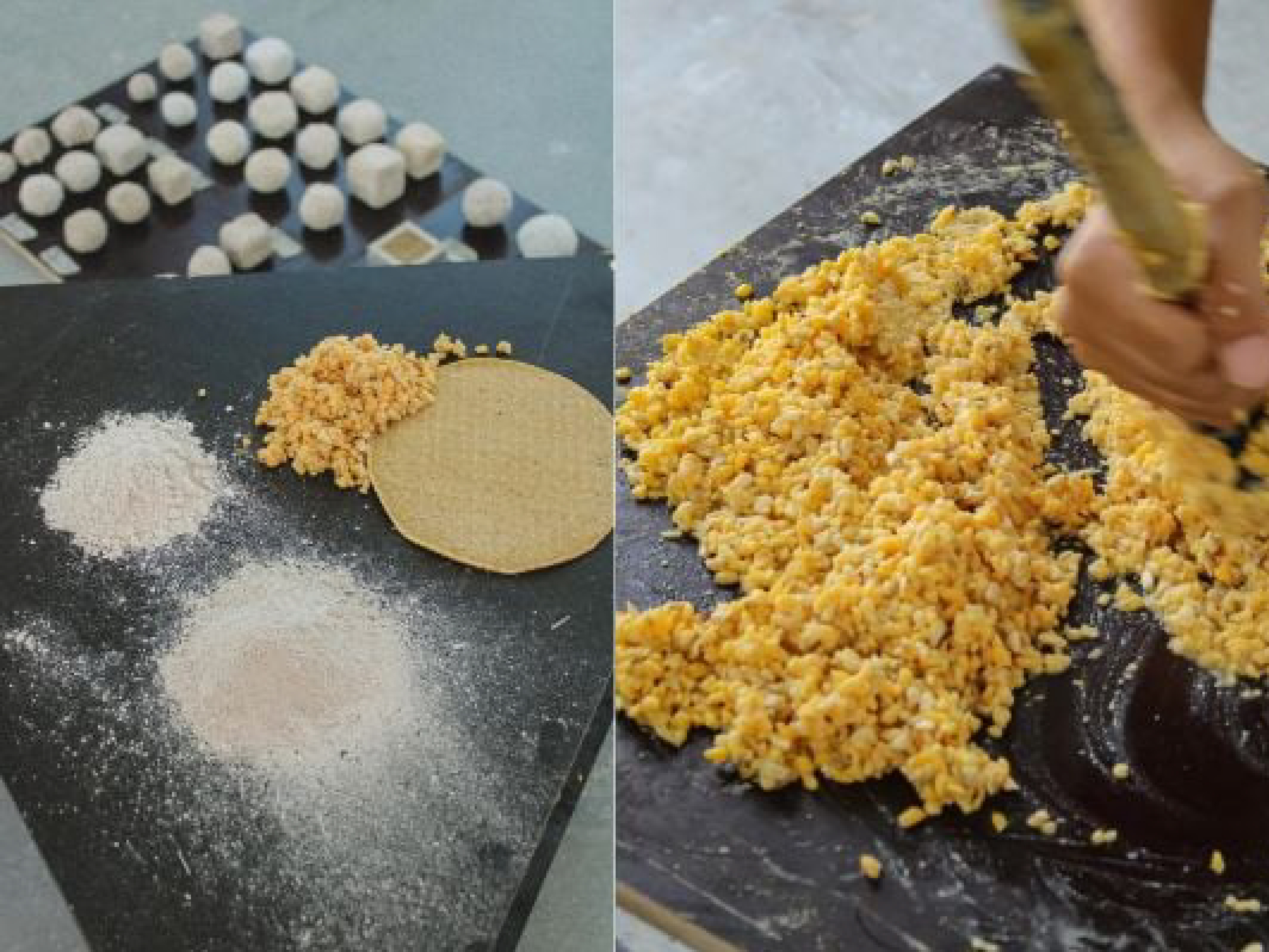
The name CORNCRETL combines "corn" and "concrete." Its core ingredient is nejayote, calcium-rich wastewater produced during the nixtamalization process of corn. This technique originates from ancient Mesoamerican tradition, and the Manufactura team has ingeniously combined it with modern robotic manufacturing technology.
In Mexico, corn is a daily staple, making these agricultural residues not only abundantly available but also deeply rooted in cultural heritage. The team mixes the liquid waste with dried corn husks and stalks to create a printable binder, giving new life to materials that would otherwise be discarded.
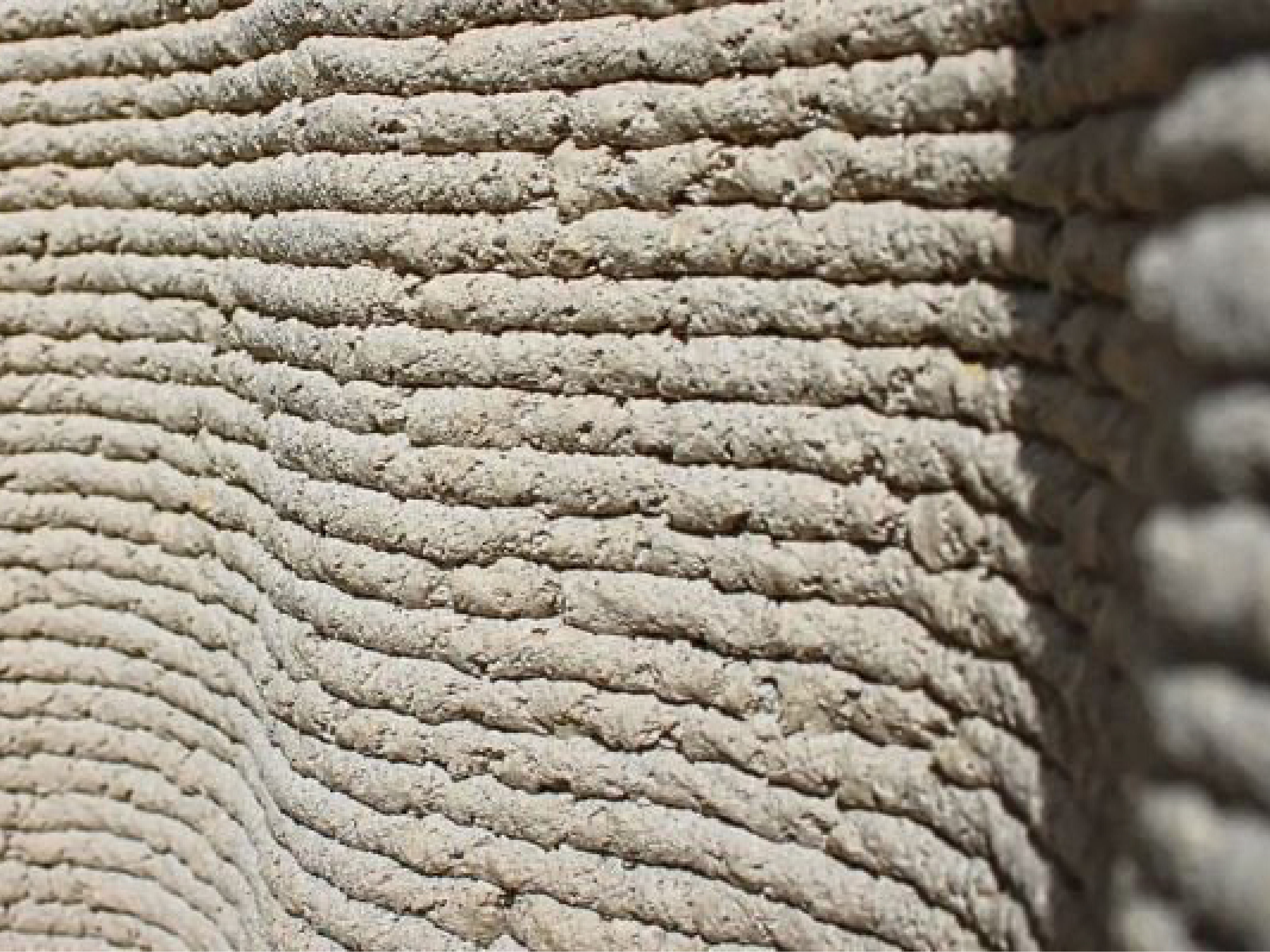
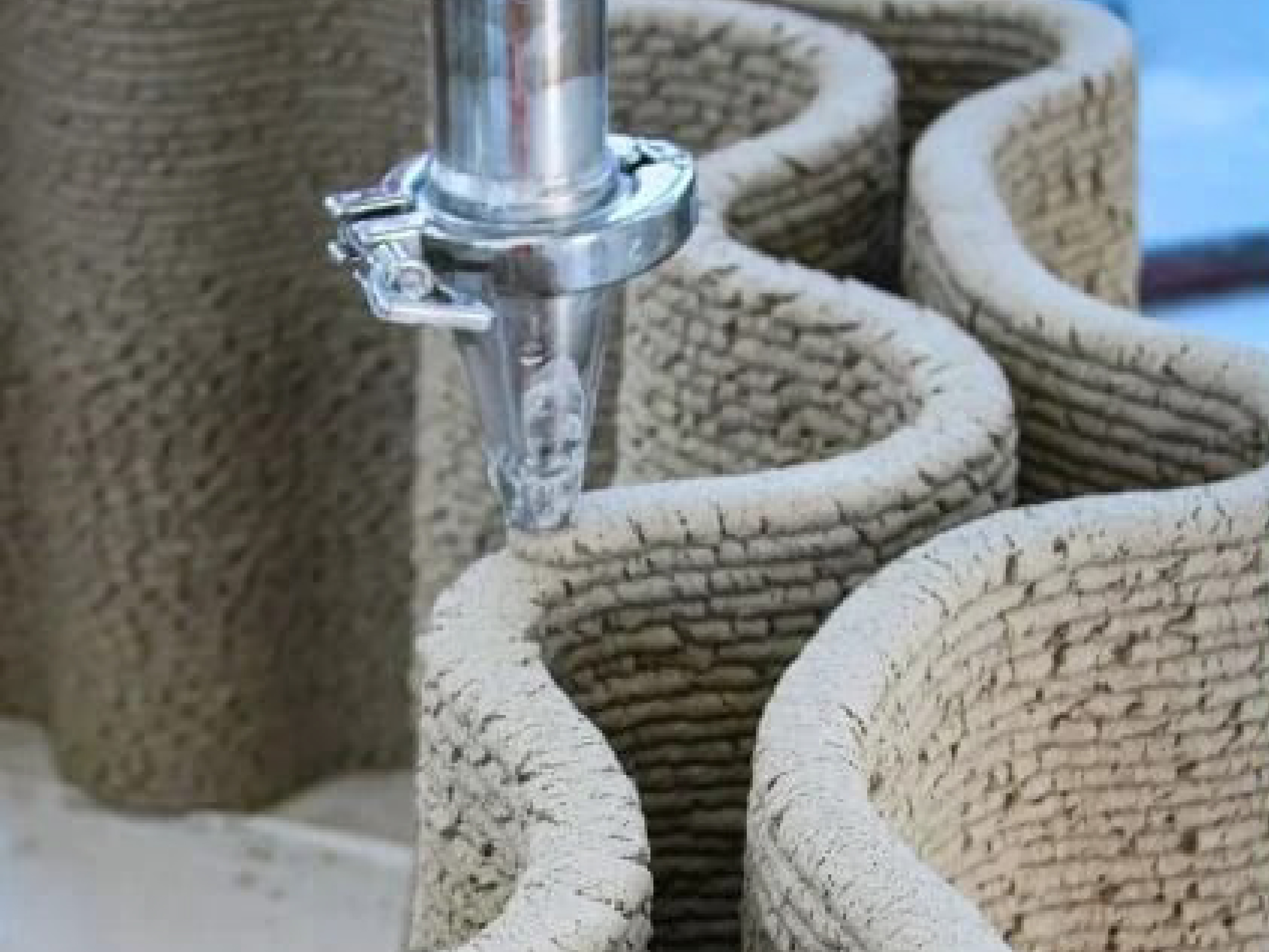
During the printing process, the team uses a robotic arm paired with a continuous feeding system to extrude the processed corn residues mixed with natural lime-based binder layer by layer. This technology not only eliminates traditional formwork but also reduces construction waste by 90%. The robot's flexibility enables greater design possibilities, easily achieving curved surfaces and geometric textures.
Once printed, the material hardens at room temperature within days, requiring no energy-intensive curing. Compared to traditional Portland cement, CORNCRETL can reduce carbon emissions by up to 70%.
This material also has a remarkable feature—self-healing. When moisture penetrates micro-cracks, unreacted lime particles recrystallize, automatically filling the gaps and extending the material's service life.
The team has successfully printed modular wall prototypes up to 80 centimeters high, validating its structural potential. This decentralized production model allows building materials to be sourced locally, truly achieving "from the local, for the local."


©2025 3dptimes.com All Rights Reserved