Over the past two years, AI‑driven 3D generation has given many people their very first digital models.
But there’s still a big gap between “looks good on screen” and “prints well on a bed.” Many AI‑generated models appear solid, yet once you drop them into a slicer, the truth comes out: holes, open surfaces, messy triangles, and—if you try multi‑color or multi‑part printing—things quickly become a headache.
A truly print‑ready 3D model needs four things: complete geometry, high enough resolution, clean topology, and easy splitting into separate parts.
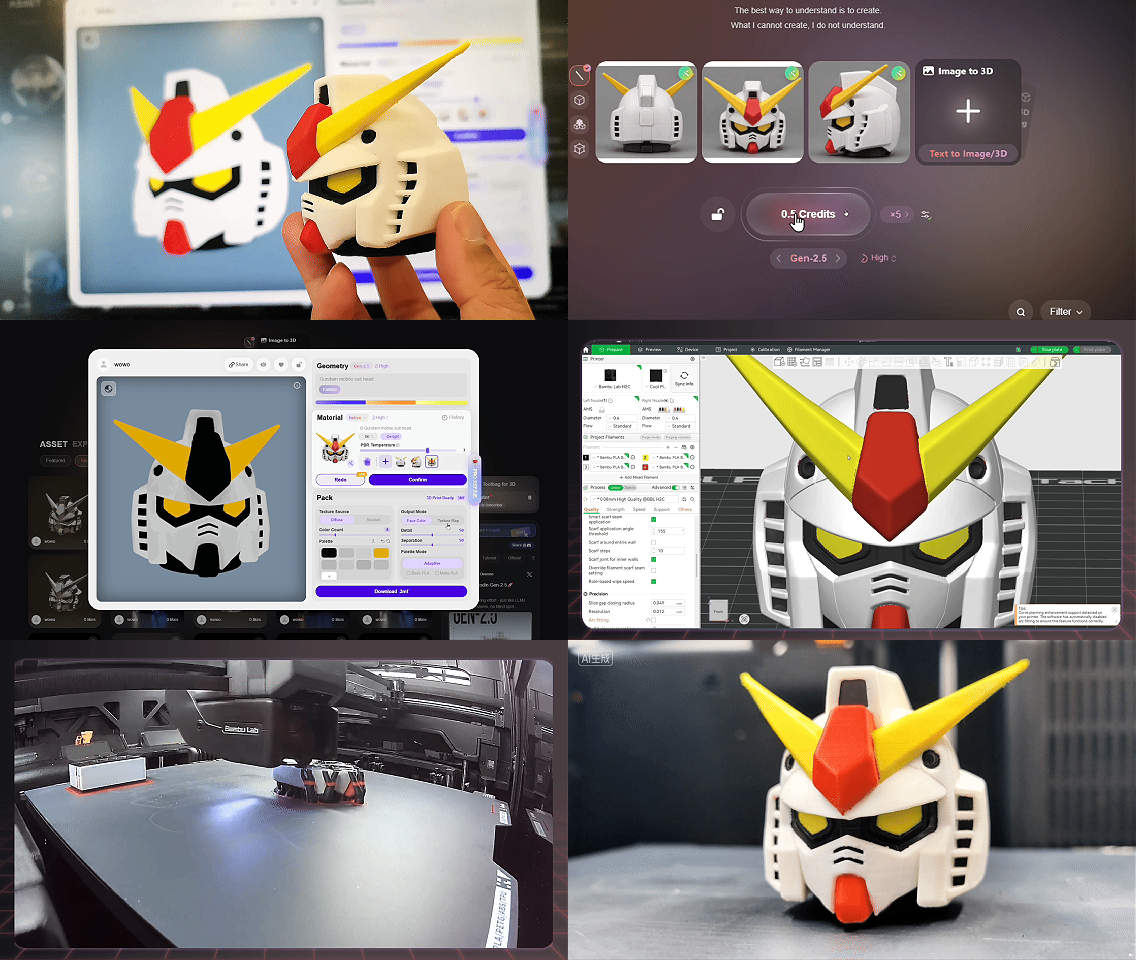
The Hyper3D Rodin Gen‑2.5, recently launched on Bambu Lab’s MakerWorld, is built to tackle exactly these pain points. It pushes the practical limits of what AI‑generated models can do, and you can see the improvement in print success rates right away.
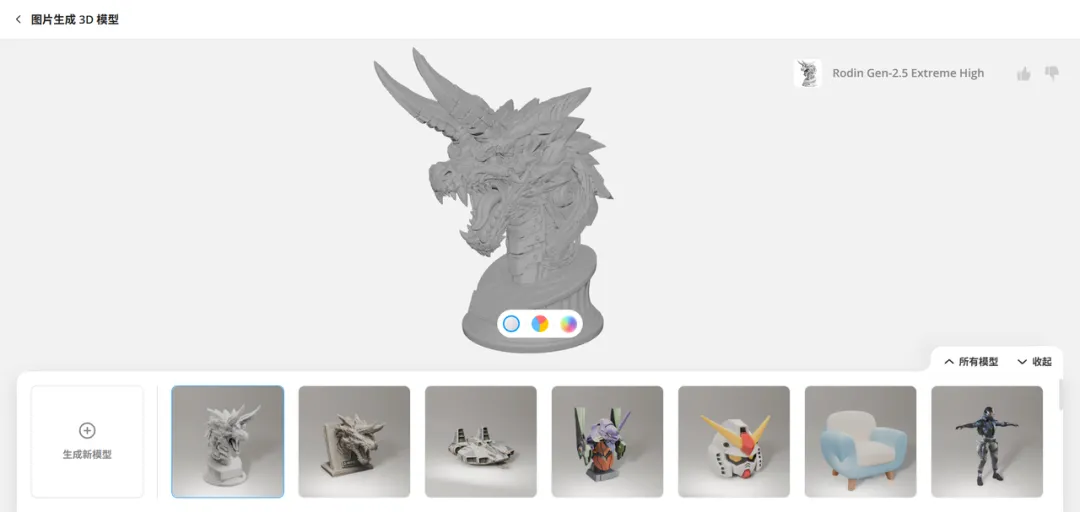
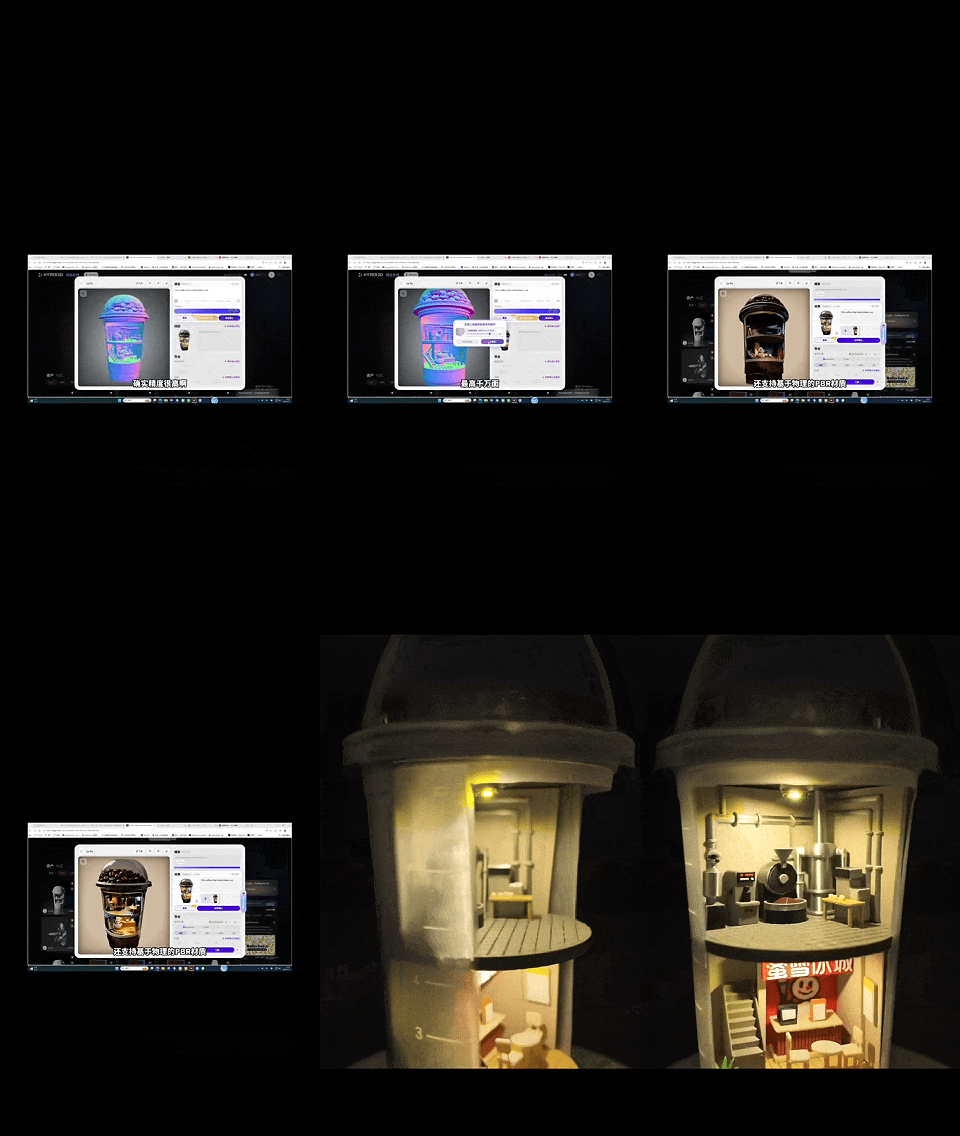
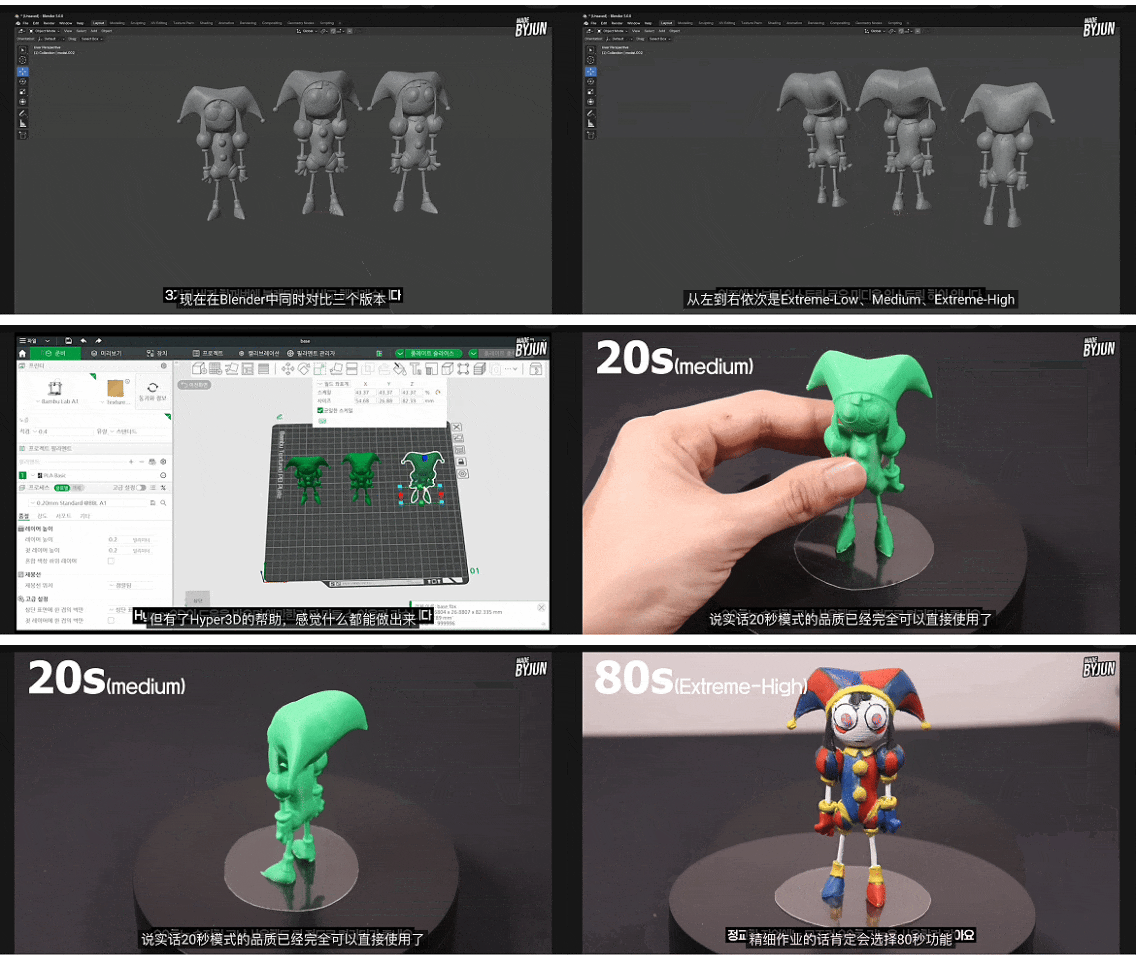
On the precision front, it offers two modes tailored for Bambu Lab users: Extreme‑High and Medium. The Extreme‑High mode is the industry’s first to reach ten‑million‑polygon generation—detailed enough to capture skin textures and even pores, giving you a rock‑solid foundation for high‑resolution printing. The Medium mode, on the other hand, strikes a good balance between detail and performance, making it suitable for most everyday prints.
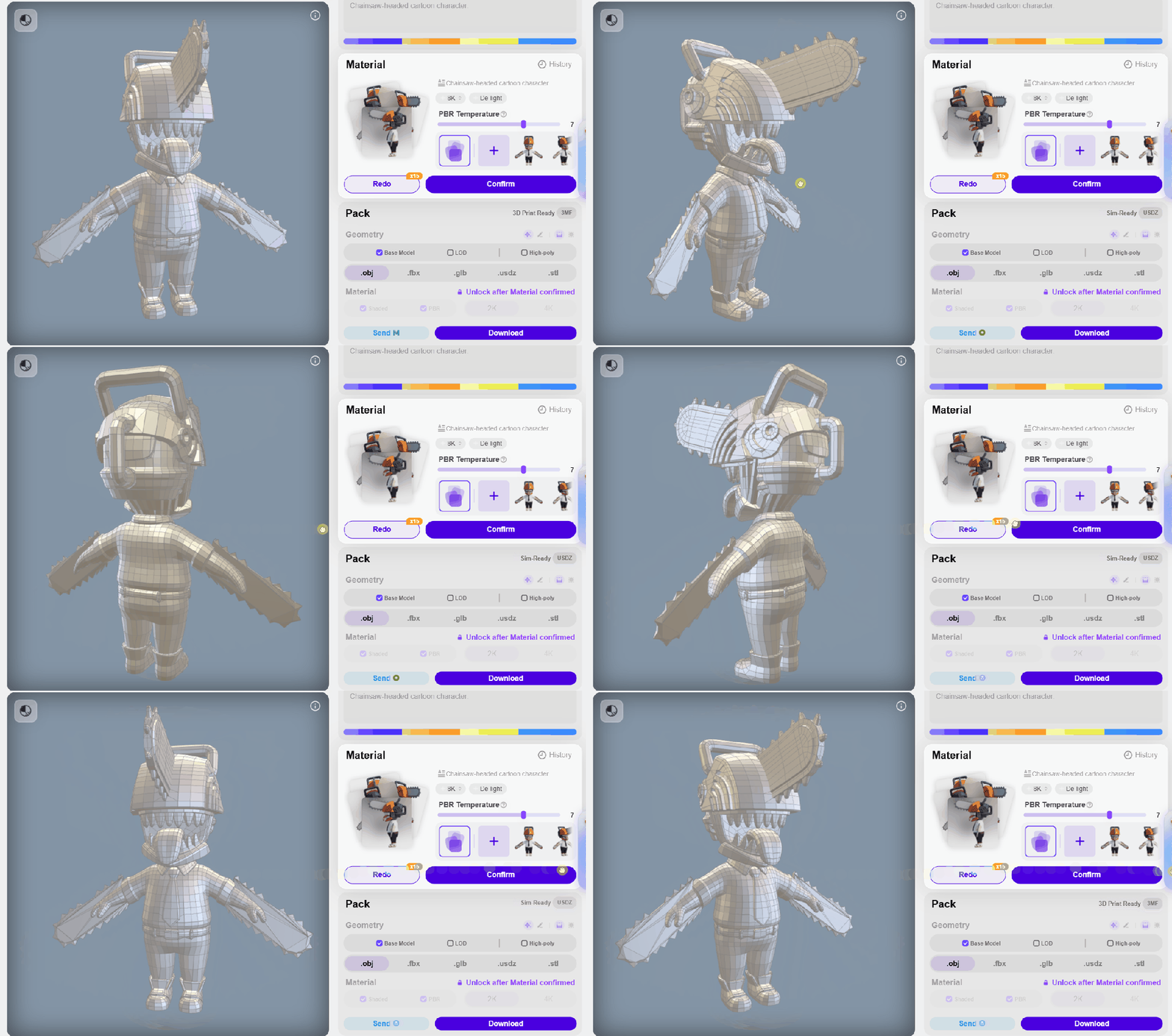
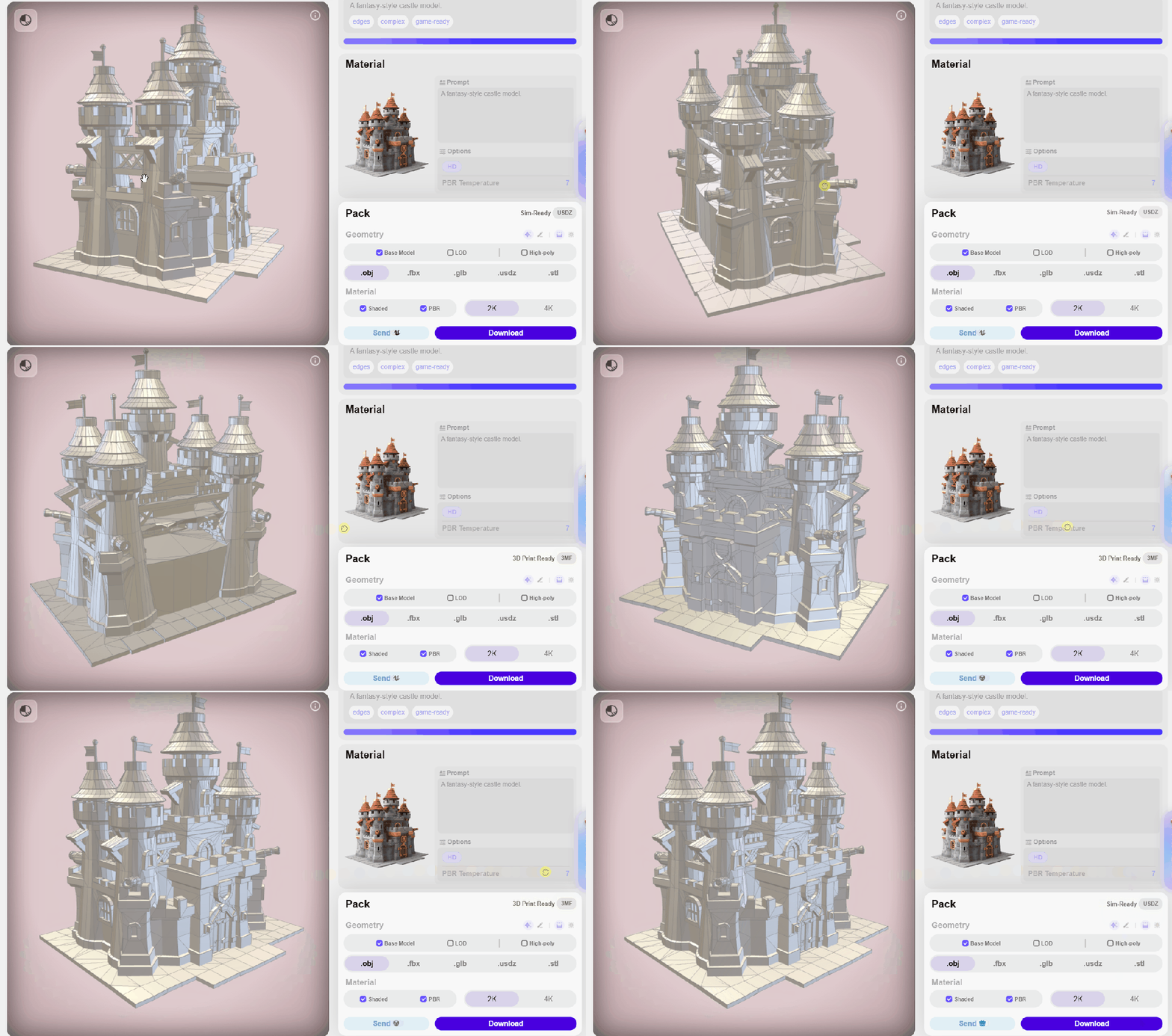
Topology quality is where this tool really shines. Many AI models output chaotic triangle webs, but Rodin Gen‑2.5 produces clean, well‑structured loops that rival manual modeling. That means slicer calculations run smoother, supports are easier to place, layer heights can be adjusted per region, and later modifications become far less painful—no more models that fall apart or warp at the slightest edit.
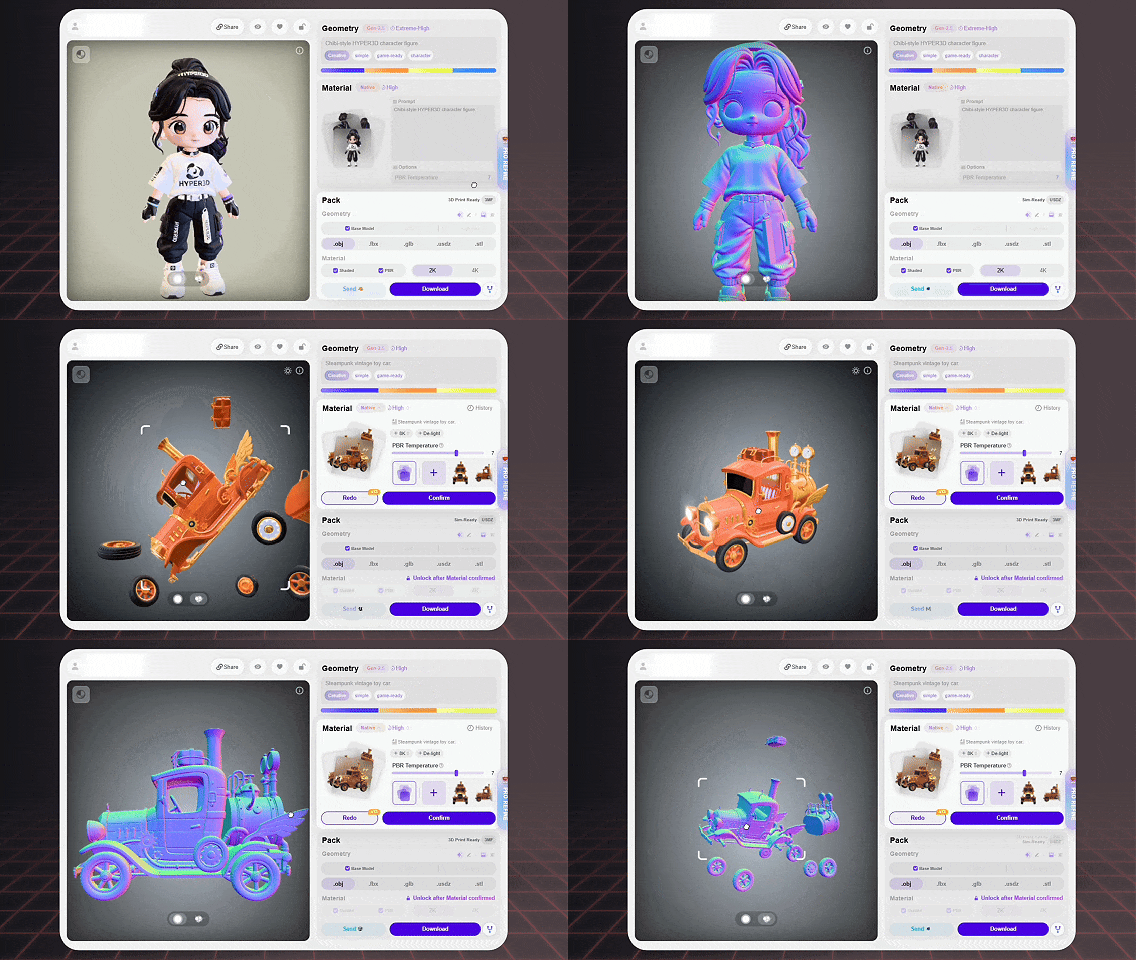
For splitting models into parts, its built‑in BANG recursive splitting feature is impressively smart. With one click, you can “explode” a complex model into independent, watertight components. Each part can then be oriented individually for printing, drastically reducing the need for supports—saving both material and time—and ensuring that all pieces fit together perfectly after printing.
And for the dreaded multi‑color printing, it supports exporting 3MF files with clean, pre‑separated color information. The color boundaries are crisp, so you barely need to paint by hand inside the slicer. This avoids color bleeding, cuts down on wasteful filament purges, and truly delivers a “what you see is what you get” experience.
In short, Hyper3D Rodin Gen‑2.5 bridges the critical gap from AI generation to a physical, printed object. Whether you’re a beginner or a seasoned maker, it’s well worth trying out on MakerWorld or on its official website.