Home  >  News

March 15, 2026      News      9001

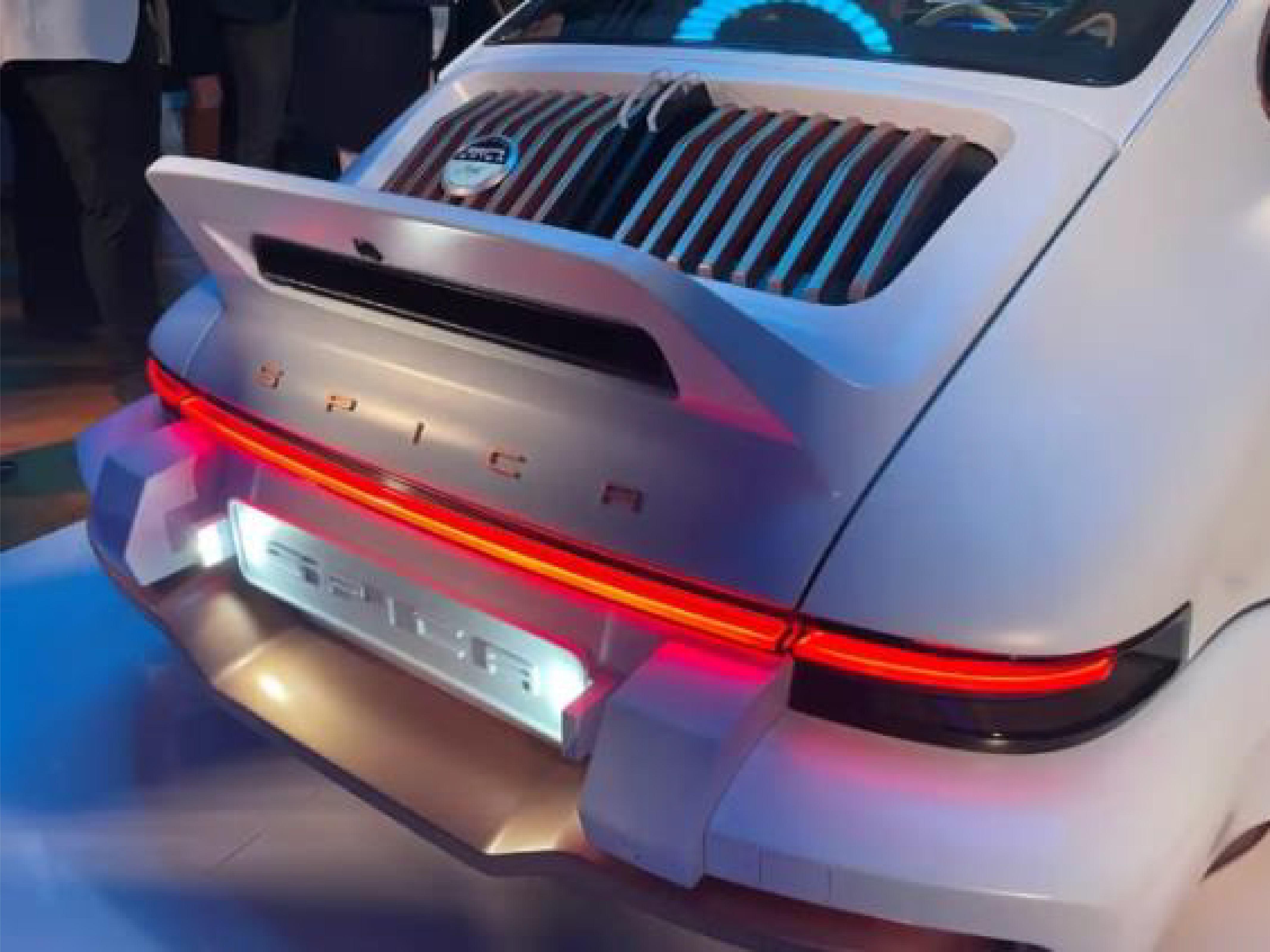
In 2022, a Polish car collector approached CadXpert with a plan to restore a Porsche 911 and convert it to electric drive.

What started as minor modifications gradually evolved into something far more ambitious: creating a one-of-a-kind custom vehicle.
The client was initially uncertain. It wasn't until the first test wheel arch was printed and he saw the finished piece that all his doubts vanished. That turning point earned the team his complete trust.
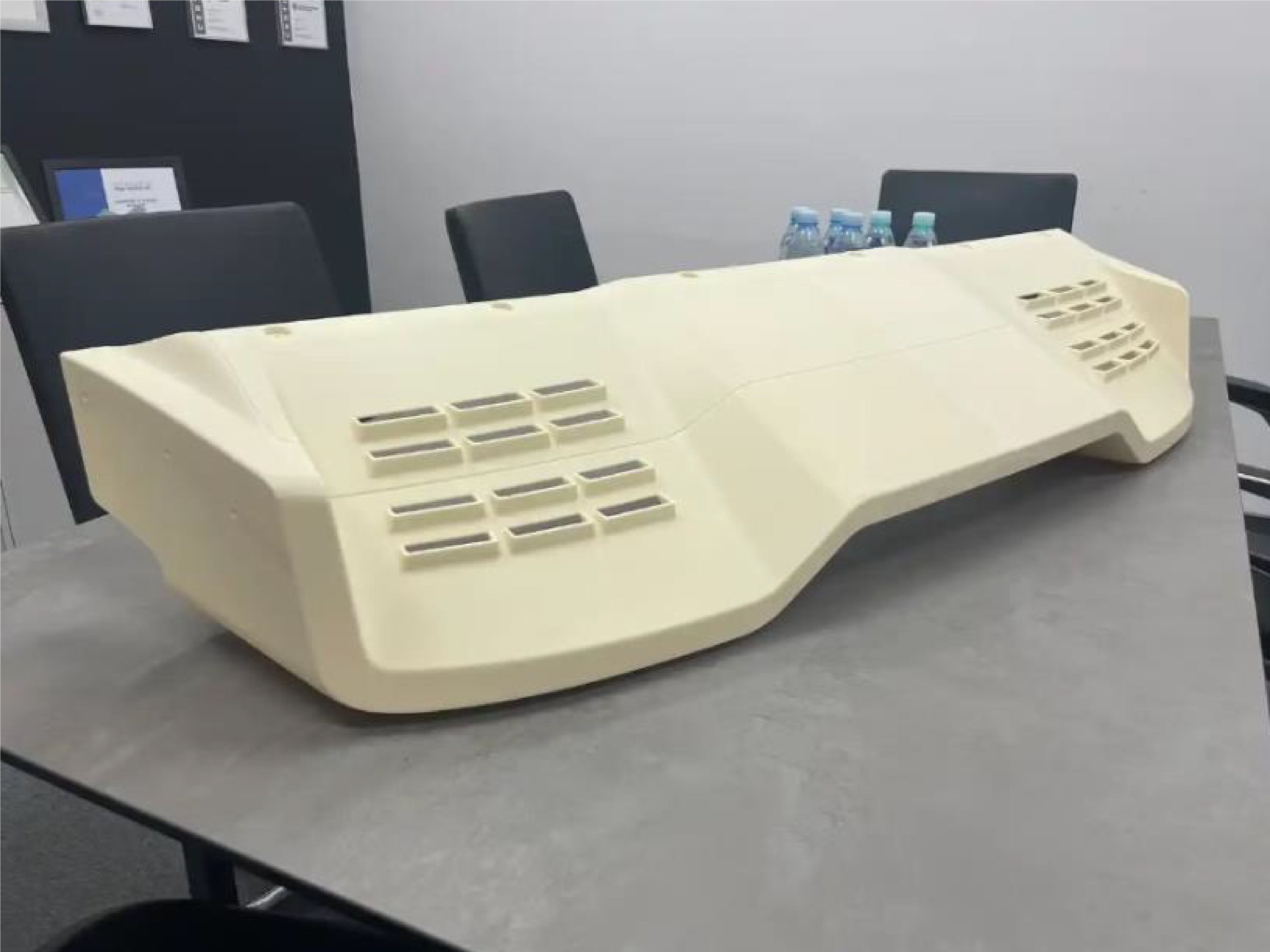
The project's scale was remarkable: design alone took 750 hours, while production consumed another 4,500. The team deployed five 3D printing technologies across seven devices—FDM handled the bodykit, dashboard, and seat housings; SLA printed vent grilles and emblems; SAF produced rearview mirrors and structural components; PolyJet crafted the gear shifter and key fob; DMLS took care of precision mechanisms.
Large components were printed in one piece using a large-format printer, minimizing the need for bonding. Load-bearing structures were cut and welded from aluminum—every millimeter had to be exact, which is where 3D printing's precision truly mattered.
All work was completed in a single facility by one team, ensuring seamless information flow and consistency from start to finish. Every detail—from mirror housings and clips to wheel hub covers—was carefully considered.
Today's SPICA is impossible to ignore. It stands as proof that when 3D printing meets bold ideas, even the most ambitious dreams can become reality—through original design and precision craftsmanship.


©2025 3dptimes.com All Rights Reserved