November 4, 2026      Applications      By 3DPTimes Editors | PharmaTher, HHS and International Journal of Pharmaceutics      4

The October 29 development plan starts with oral KPV and BPC-157. Craft Health’s printed core-and-shell design draws on laboratory research with budesonide.

Pharmaceutical 3D printing demonstration. Image courtesy of PharmaTher and Craft Health.
A printed shell controls where the dose is released

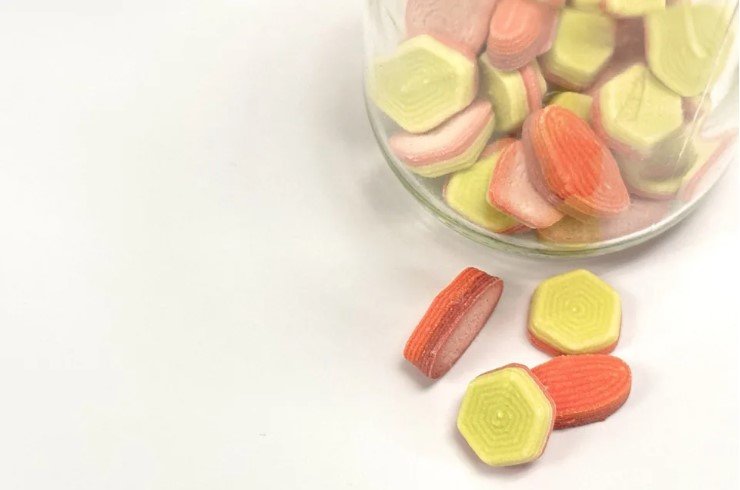
PharmaTher said on October 29, 2026, that it is developing oral KPV and BPC-157 tablets intended to release their contents in the colon. The company plans to use Craft Health’s CORR3CT technology, which encloses a drug core in a printed shell designed to respond to changes in pH along the digestive tract.

A 2023 laboratory study tested this approach with budesonide. The researchers reported that one formulation released up to 75% of its dose in conditions simulating the colon. Clinical performance of the proposed peptide tablets remains to be established.

Image: Examples of layered printed tablets supplied with the reference report. Credit: PharmaTher.

Printing and the U.S. compounding pathway

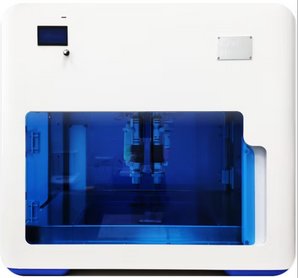
PharmaTher plans to develop the formulations with PD Labs and use Craft Health’s CraftMake printer. According to the company, the system deposits material at room temperature without ultraviolet curing. The development work must establish whether each peptide remains stable during printing and whether the finished tablet delivers the intended release profile.

On October 30, 2026, the Federal Register published an HHS notice announcing a conditional enforcement discretion policy for certain peptide ingredients used in Section 503A compounding. The policy includes conditions for oral KPV and BPC-157, including documentation of adequate human oral bioavailability. Both peptides remain unapproved by the FDA.

Image: Craft Health’s CraftMake pharmaceutical 3D printer. Credit: PharmaTher and Craft Health.


©2026 3dptimes.com All Rights Reserved