BMF Precision recently launched the upgraded microArch® S230A 3D printing system.
While maintaining the original 2‑micron ultra‑high optical accuracy, it now features an auto‑leveling system that greatly reduces human error, providing research institutions with highly stable micro‑ and nano‑structure manufacturing capabilities. This system is becoming a fundamental common‑technology platform for high‑end biomedical device R&D.
What can 2‑micron accuracy do? Multiple research teams have already used it to publish in top journals such as Advanced Materials and Science:
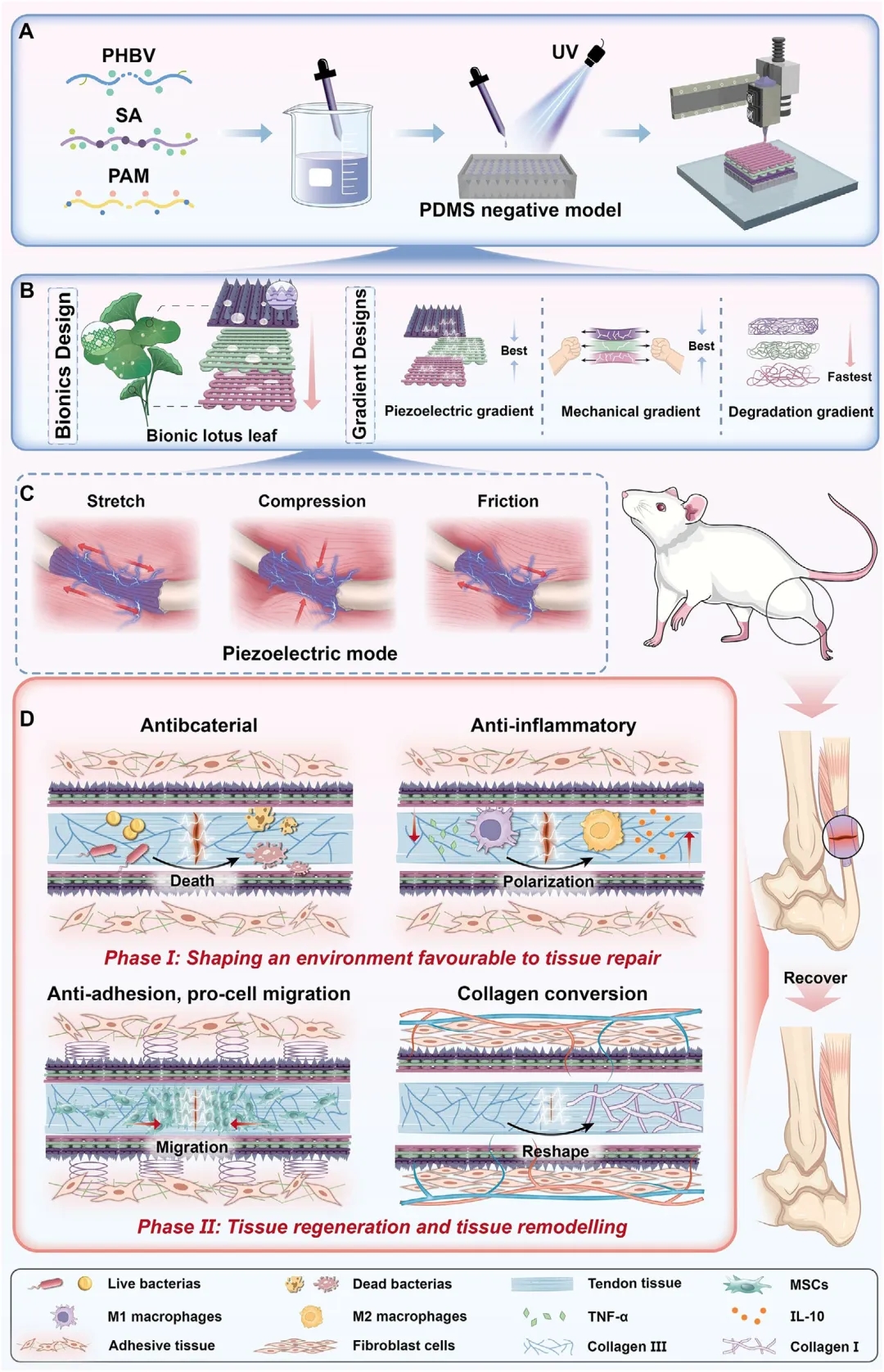
Tendon repair scaffold: A team at Lanzhou University printed a biomimetic gradient scaffold with self‑powered piezoelectric stimulation, solving a core challenge in tendon repair.
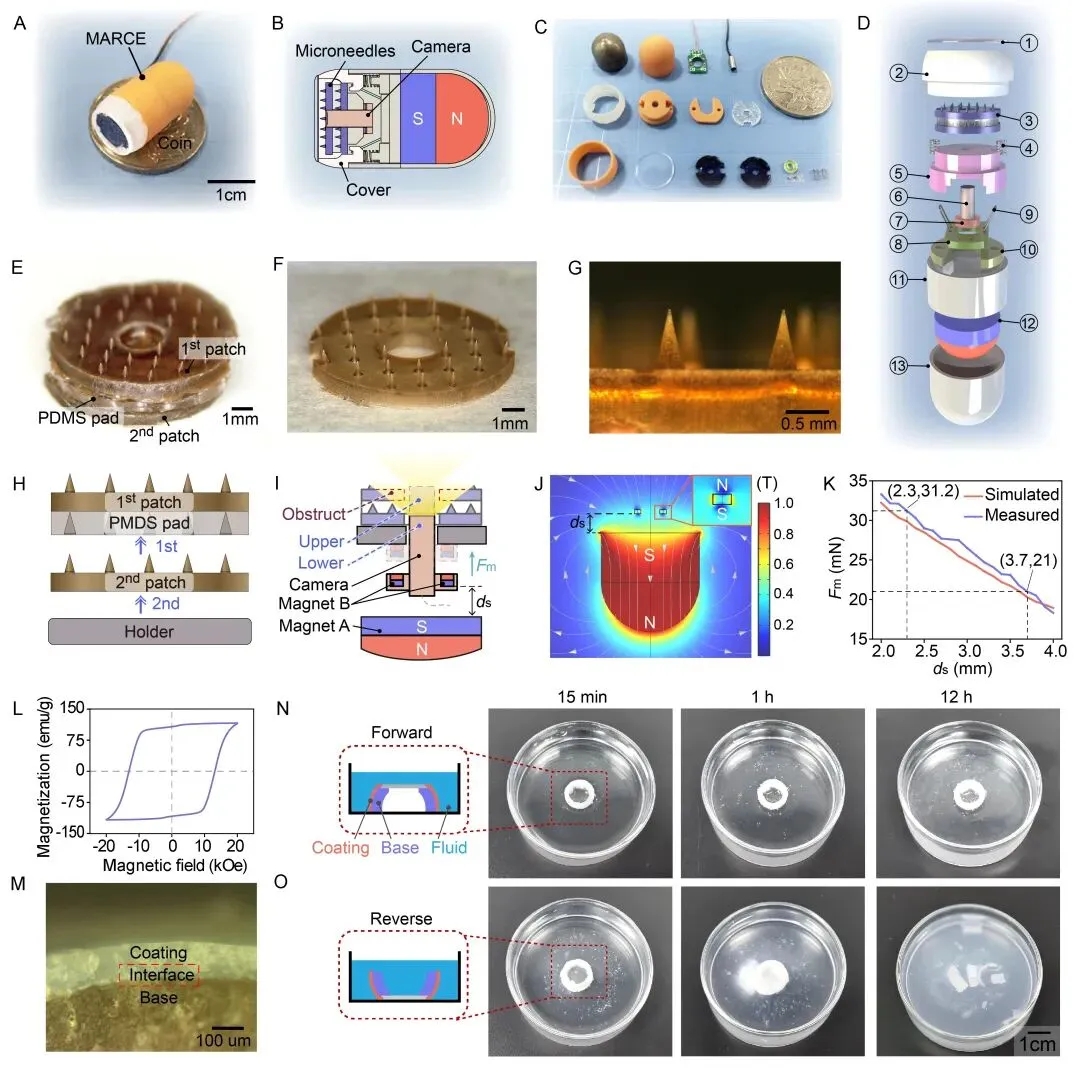
Magnetically controlled capsule robot: Researchers at Guangdong University of Technology and Sun Yat‑sen University used the S230 to fabricate microneedle patch molds, enabling integrated gastrointestinal diagnosis and targeted drug delivery.
Biomimetic liver‑on‑a‑chip: Teams from the Chinese Academy of Sciences and Nanjing University constructed a multi‑layer capillary network that accurately simulates liver lobule function, greatly improving the accuracy of drug‑induced liver injury screening.
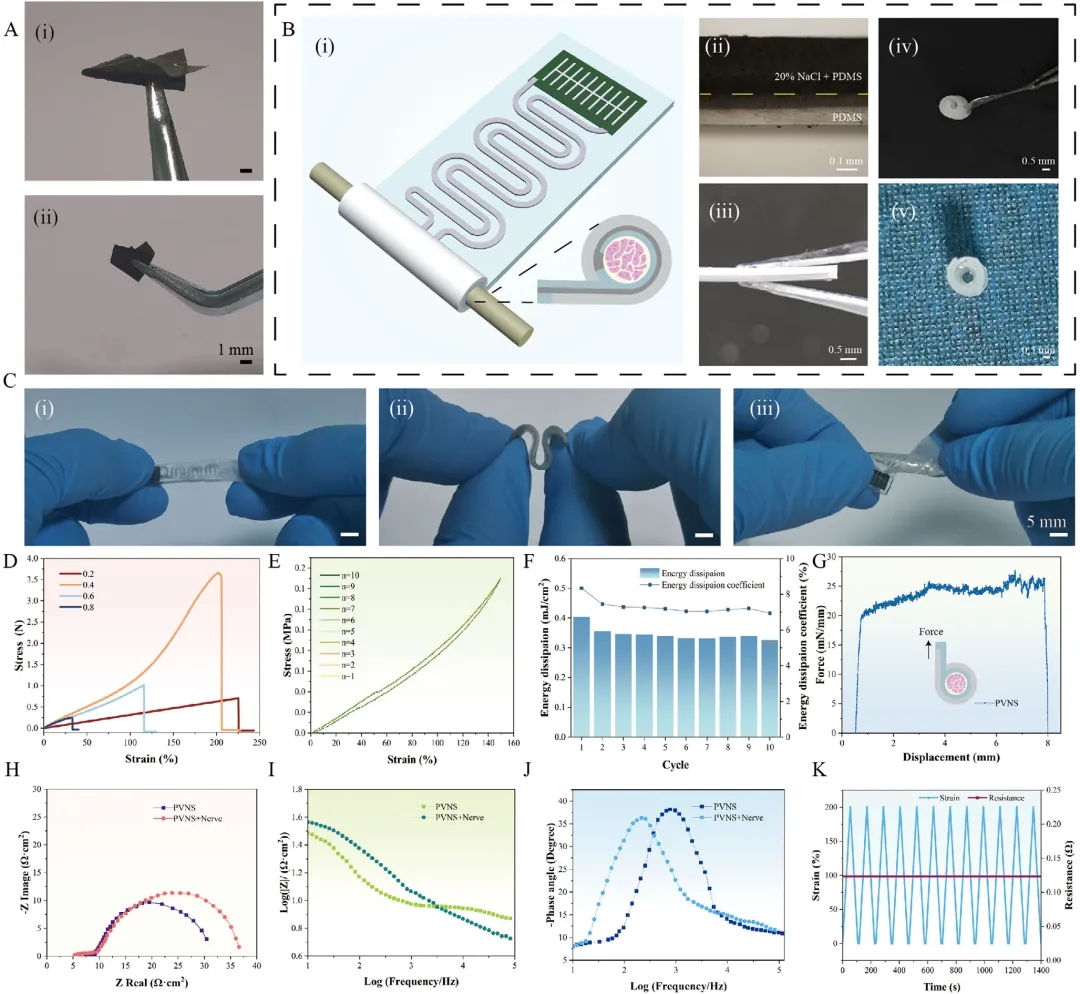
Implantable nerve stimulator: A collaboration between Lanzhou University and the Shenzhen Institute of Advanced Technology (CAS) printed circuit patterns to create flexible self‑wrapping electrodes, enabling minimally invasive wireless pain treatment.
The BMF microArch® S230A not only delivers ultra‑high precision but also rapidly turns “scientific concepts” into “precise devices.” In an era where biomedical research is pushing deeper into the micro‑scale, every step forward at the 2‑micron level could mean a leap in quality of life for millions of patients.
The BMF microArch® S230A not only delivers ultra‑high precision but also rapidly turns “scientific concepts” into “precise devices.” In an era where biomedical research is pushing deeper into the micro‑scale, every step forward at the 2‑micron level could mean a leap in quality of life for millions of patients.