Israeli Startup CASTOR Officially Ceases Operations
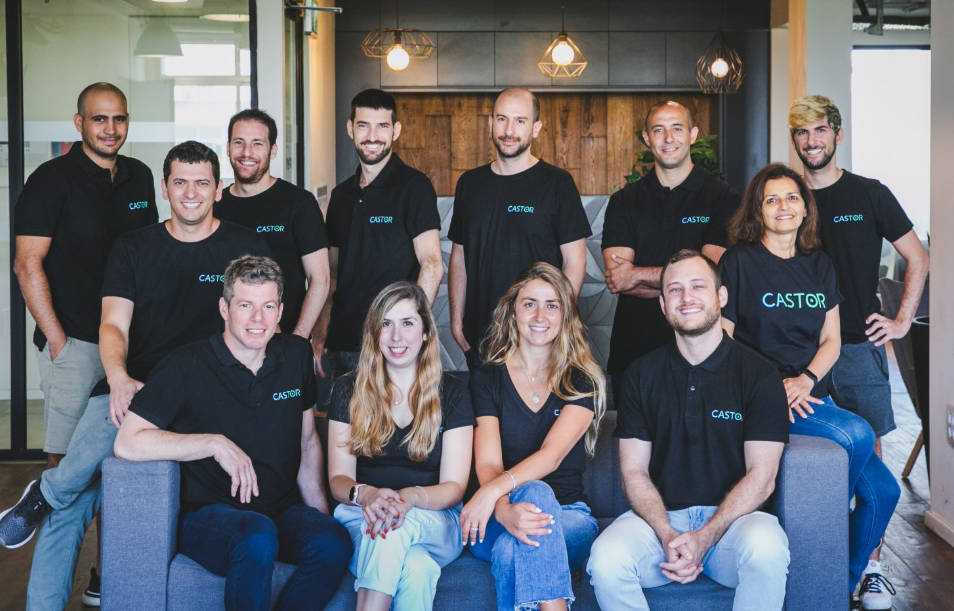
Israeli startup CASTOR has officially announced it is shutting down. Founded in 2017 and headquartered in Tel Aviv, the company specialized in providing automated 3D printing analysis software for the manufacturing industry. Its Co-founder and CEO, Omer Blaier, announced the news in a LinkedIn statement, calling it "the end of an era."
End of a 'Roller Coaster' Journey
Reflecting on the company's journey, Blaier described it as an "emotional roller coaster" full of achievements and challenges. He admitted: "Even with a great idea, a dedicated team, a well-loved product, and many paying customers, it wasn't enough to survive in the current turbulent environment." He specifically thanked fellow Co-founder Elad Schiller, all employees, and customers for their support. He added that he would spend some time with his family before embarking on a new professional journey. He also invited entrepreneurs to contact him directly to discuss the lessons learned from CASTOR's experience.
Technology Once Gained Industry Recognition
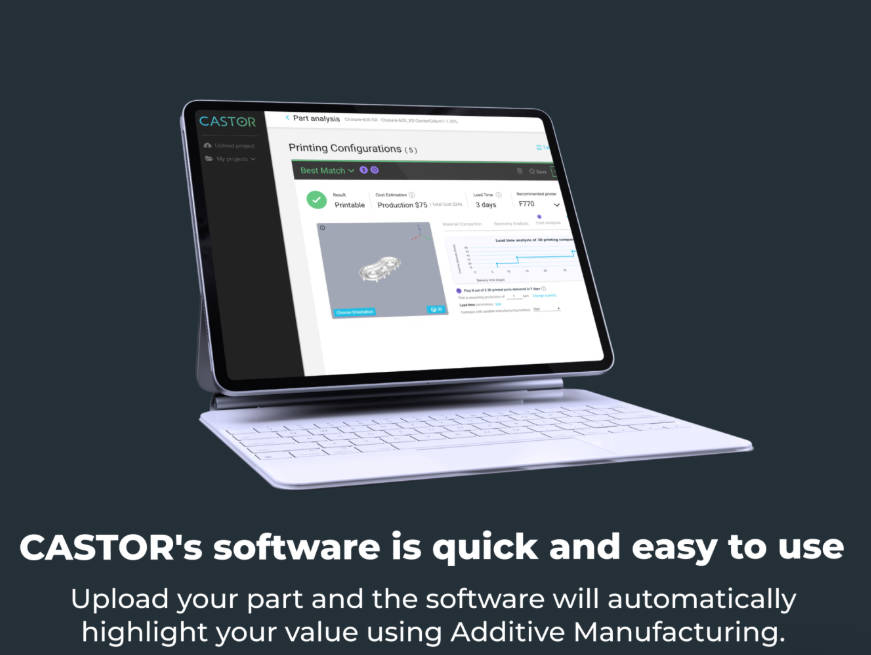
CASTOR's software helped industrial users determine whether a specific component was more suitable for 3D printing or traditional manufacturing. The system could automatically analyze thousands of CAD files, identify geometries suitable for additive manufacturing, and estimate differences in cost and lead time. The platform could also suggest design adjustments to improve printability and connect users with external service providers for actual production.
Several well-known companies had adopted CASTOR's technology, including Siemens Energy, Stanley Black & Decker, and Evonik. In 2023, the major Japanese chemical company Asahi Kasei also partnered with CASTOR to integrate its algorithms into computer-aided engineering workflows.
Broken Funding Chain Forces Liquidation
In June 2025, Israeli financial media Calcalist first reported that CASTOR had applied for compulsory liquidation with the Tel Aviv District Court. Documents showed the company had debts of approximately 8.6 million Israeli New Shekels (equivalent to approx. 19.0278 million RMB), primarily stemming from a continuous downturn in industry investment. Prior to this, CASTOR had completed four funding rounds, raising a total of $5.9 million from investors including Xerox, Evonik Venture Capital, TAU Ventures, Spring Ventures, and individual investor Jeremy Coller.
Industry Downturn Impacts Startups
Industry analysis points out that CASTOR's closure is closely related to the overall slowdown in the industrial-grade 3D printing software market since 2023. At that time, major US manufacturers began cutting R&D budgets and postponing investments related to additive manufacturing. This market contraction dealt a heavy blow to small software companies reliant on venture capital and corporate procurement cycles. Currently, CASTOR's official website is inaccessible. Whether its technical assets and intellectual property will be acquired by other companies depends on the outcome of the court liquidation process.
Startup Lesson: A Good Product Isn't Enough for Success
CASTOR was once a significant player in Israel's additive manufacturing software field, winning favor from several major international clients with its innovative algorithms. However, under the dual pressures of receding industry investment and a deteriorating market environment, even with a mature product and stable customers, it could not escape the fate of a broken funding chain. Its closure highlights the severe challenges currently facing the industrial 3D printing software sector and serves as a wake-up call for tech startups: having a great product is far from sufficient; resilience and timing in the market are equally crucial.
For Chinese additive manufacturing software companies, the case of CASTOR serves as a profound warning: having leading technology and renowned clients alone is far from sufficient. Enterprises must look beyond a "technology-first" mindset and focus their core efforts on building a sustainable business model and resilient financial health. In the current global economic climate filled with uncertainty, companies need to deeply integrate with customers to create indispensable value, rigorously control costs to prepare reserves for lean times, and consistently maintain sharp sensitivity to market shifts to adapt strategies flexibly. Ultimately, the key to survival and success lies in tightly integrating technological innovation with robust commercial risk resilience. Having a good product is no longer enough to prevail in intense competition.