October 15, 2025      Applications      185

High-precision metal 3D printing is becoming indispensable in healthcare, enabling rapid production of complex, customized medical components with micron-level accuracy that surpasses traditional manufacturing capabilities.

The medical industry's demand for metal 3D printing is not new. What is truly new is the increasingly strong, and now almost essential, need for high-precision printing.

Over the past few years, terms like minimally invasive surgery, personalized implants, surgical guides, and stents have moved beyond research papers to genuinely drive the iteration of medical devices. But this has also pushed manufacturing capabilities to their limits.

I. Why are Traditional Manufacturing Methods Truly Failing?

Here are some practical examples of demands:

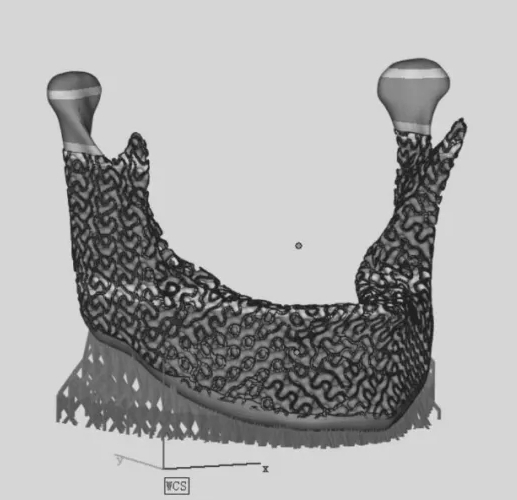
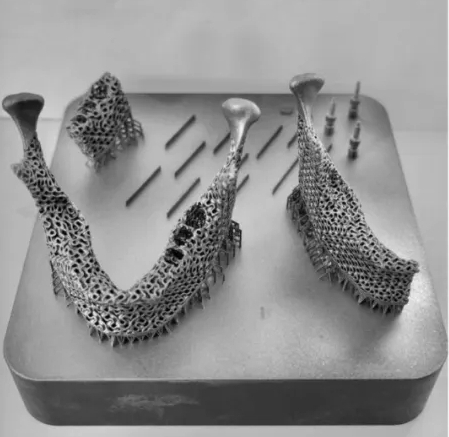
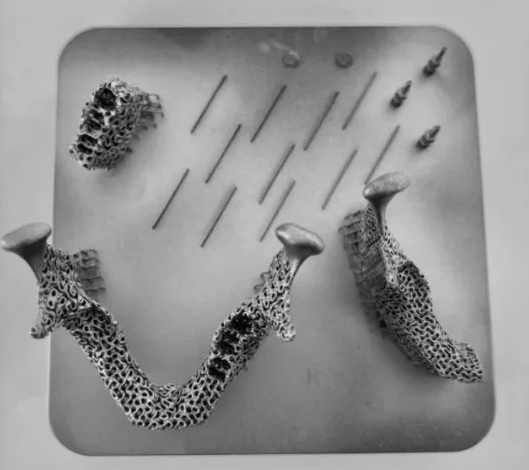
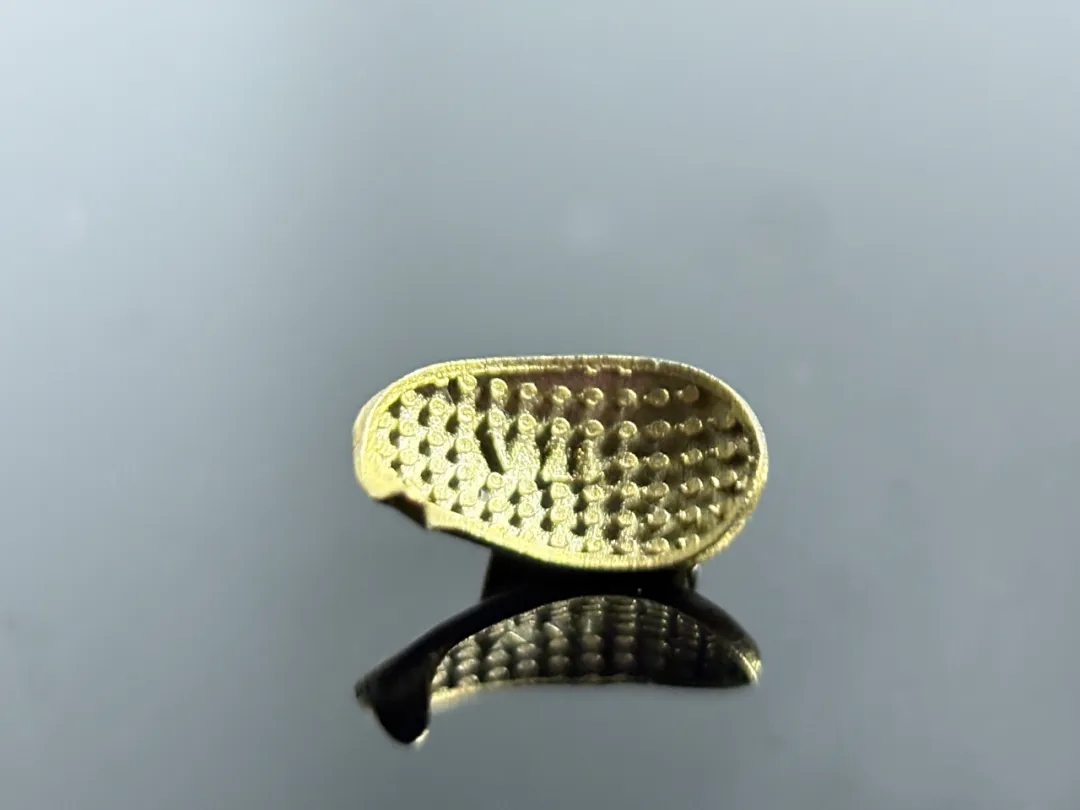
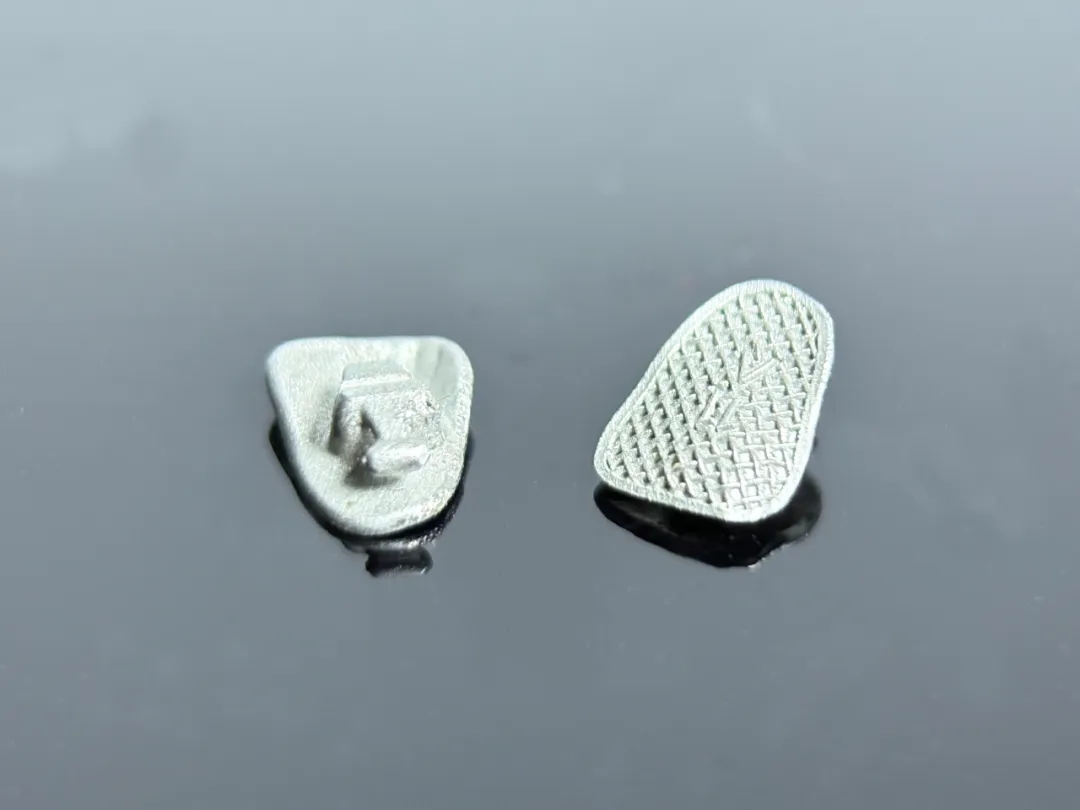
A jawbone repair stent with complex internal walls and a shape that conforms to the bone structure requires precision control within ±10μm. Traditional CNC machining simply cannot handle such complex geometries.

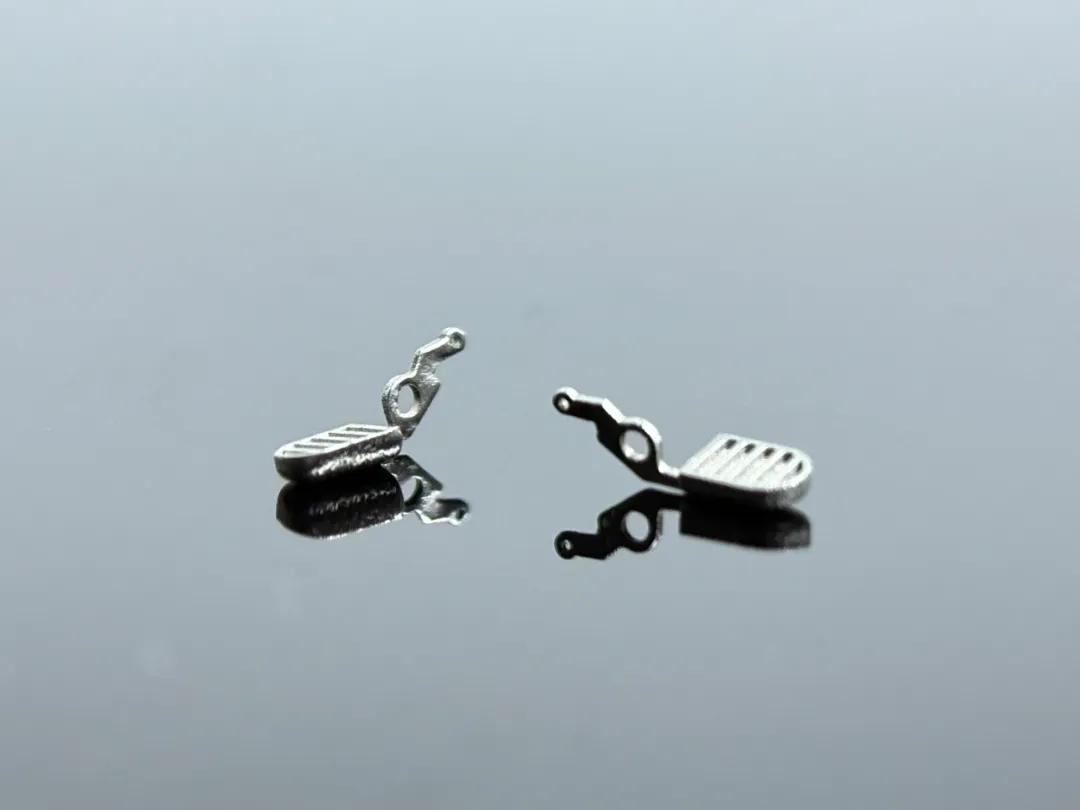
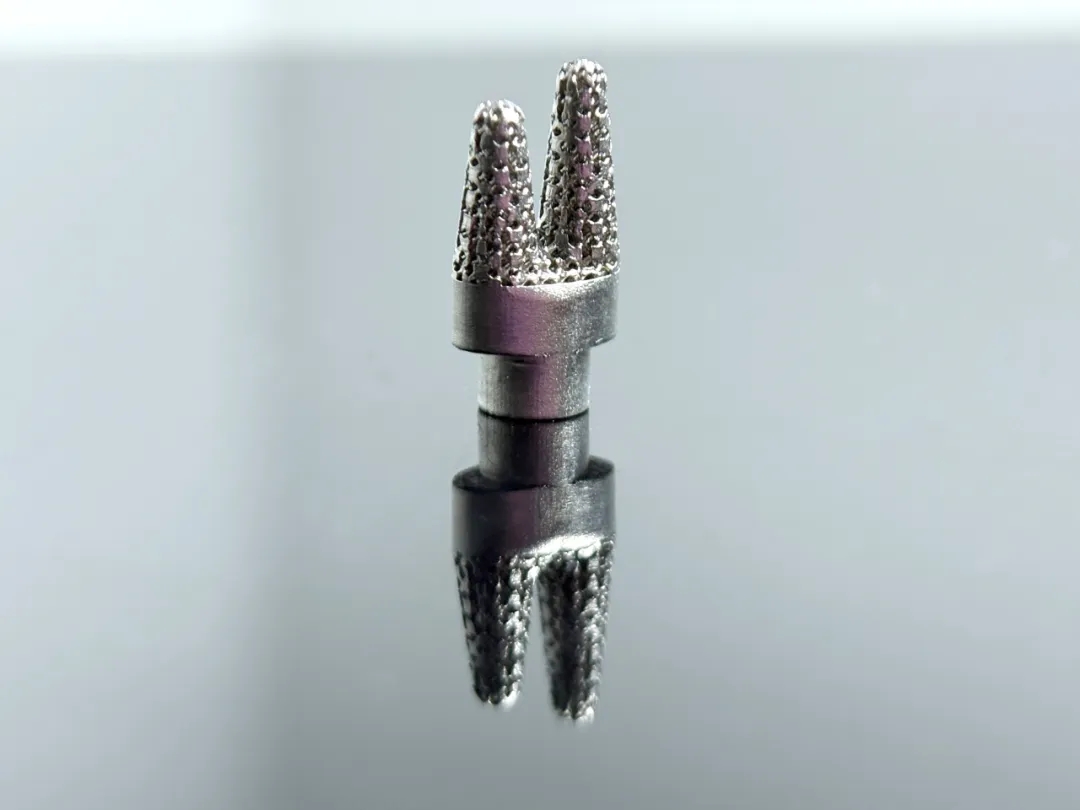
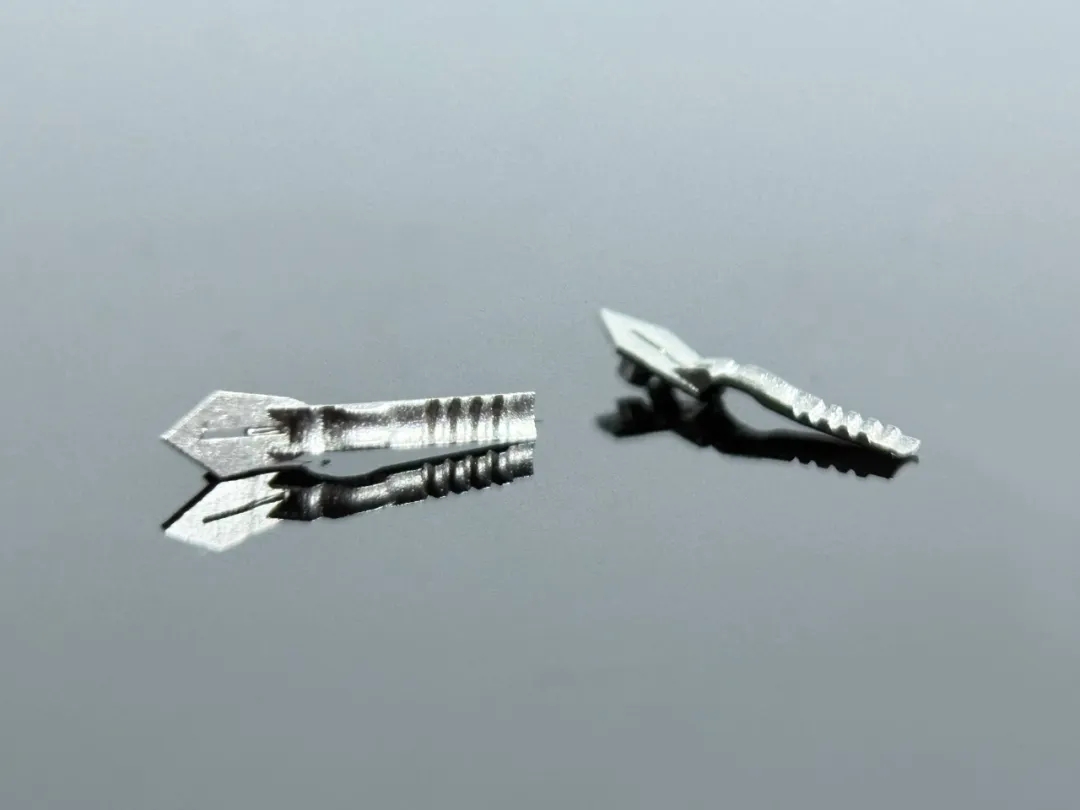
A titanium alloy micro-stent for brain aneurysms, with structural wall thickness <100μm and irregular pore shapes, requires extensive supports in conventional printing. Removing these supports often damages the structure itself.

Doctors want to import patient imaging data directly and receive a prototype of a personalized device, ready for implantation, within days. In contrast, traditional manual methods or injection molding with tooling take one to two months.

The common manufacturing requirements for these products are: small, complex, monolithic forming, and fast.

This strangles traditional equipment and also exceeds the limits of ordinary metal 3D printing.

II. Is Standard Printing Precision Already Outdated?

The precision of most current metal 3D printing equipment remains around ±350μm, with surface roughness (Ra) mostly around 20μm. The problem is, medical products aren't just printed models for visual inspection—they are used inside the human body. Errors and burrs aren't just aesthetic issues; they directly impact surgical success rates and patient safety.

What doctors and medical designers truly need is:

Dimensional control within ±5μm

Surface roughness (Ra) within 1μm

Layer thickness control below 20μm

Complex structures that can form stably without relying heavily on supports

Only at this level can implants avoid requiring secondary machining to achieve accuracy and be truly suitable for the operating room.

This is precisely what companies like Yunyao Shenwei are working on: micron-level printing precision, support-free printing at angles over 10°, ultra-high-temperature preheating at 500°C, and multi-material support. These sound technical, but they essentially solve the most critical pain points for hospitals and manufacturers: freedom of formation, strength of formation, and efficiency of formation.

III. Customization + Accelerated Delivery: The Next Main Battleground?

The medical device design process has already changed.

It used to be "standardized, high-volume." Now it's "patient modeling -> matched design -> print prototype -> surgical assembly." The entire process is no longer measured in months, but needs to be completed within one to two weeks. This places more flexible demands on printing equipment:

Adjustable printing parameters (independent optimization for different structures and different alloys is needed)

Real-time controllable forming process (enabling immediate correction if issues arise)

Strong material adaptability (must support not only titanium alloys but also medical-grade materials like shape memory alloys and 316L stainless steel)

In these scenarios, high-precision printing equipment is not just a tool; it's part of the workflow. It must respond quickly, be compatible with data, and match the process, otherwise it delays not just manufacturing, but the treatment cycle itself.

IV. In the Next Three Years, Who Needs "It" the Most?

Looking at the growth of the medical 3D printing market domestically and internationally, several key growth areas are emerging:

3A Hospital Medical-Engineering Integration Labs: Developing customized implants, with a significant demand for micro-printing capabilities.

Third-Party Medical Device Printing Service Providers: Handling rapid custom printing tasks for medical institutions nationwide, requiring extremely high standards for precision, material diversity, and equipment stability.

High-End Device Manufacturers in Dental/Orthopedic/Neurosurgery: Transitioning from "modeling + manual work" to "direct data-to-print," with concrete plans for applying precision printing capabilities.

Universities/Interdisciplinary Medical-Engineering R&D Units: Involved in biological structure research and minimally invasive device development, needing printing platforms with both experimental and pilot-production transition capabilities.

In these scenarios, what truly meets the demand is no longer equipment that "can print," but equipment that "can print rapidly, precisely, and flexibly."

The introduction of high-precision metal 3D printing technology has not only significantly improved product manufacturing accuracy but also made rapid customization possible, helping the medical industry achieve more precise and efficient treatment solutions. It can be said that high-precision metal 3D printing has become an indispensable technology in the medical field, driving medical devices towards greater personalization and intelligent development.

Yunyao Shenwei (Jiangsu) Technology Co., Ltd. was founded by a senior expert team from the Fraunhofer Institute for Laser Technology ILT in Germany—the originating institution of the mainstream LPBF/SLM metal additive manufacturing technology. The founders studied under the inventors of metal printing. The Chinese headquarters is located in Taicang, Jiangsu, and the European headquarters is at the Aachen Light Production Center in Germany. The company possesses exclusive micron-level metal 3D printing technology, achieving typical printing accuracy of 2-10µm, typical ultra-smooth surfaces of 0.8-2.8µm (Ra), and support-free printing for various structures at angles over 10 degrees. This enables the monolithic 3D printing of complex, precise metal structures, filling the gap in the domestic micro-nano metal 3D printing technology market.

Leveraging its strong expert team, Yunyao Shenwei has established close cooperative relationships with major research institutes, universities, and companies in the global advanced manufacturing sector. Its clients include Lufthansa Technik and the China Academy of Machinery Science & Technology.


©2025 3dptimes.com All Rights Reserved