Mizzou team 3D prints brain models that mimic real tissue, aiming to shift medical R&D to physical testing.
A team at the University of Missouri's College of Engineering has successfully developed 3D printed human brain models capable of simulating the mechanical, thermal, and dielectric properties of real brain tissue. This breakthrough could shift medical research from computer-based simulations toward physical testing platforms.
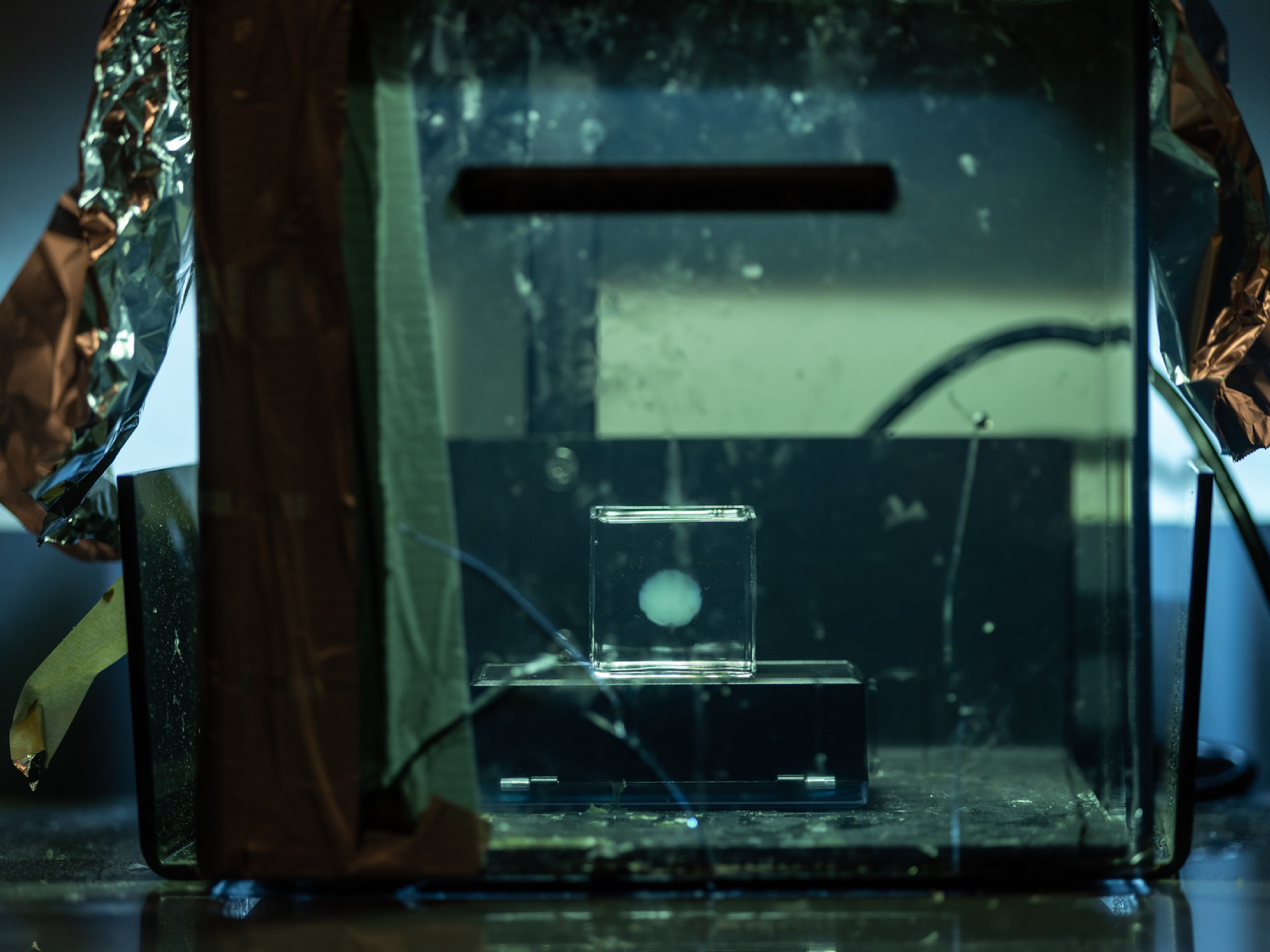
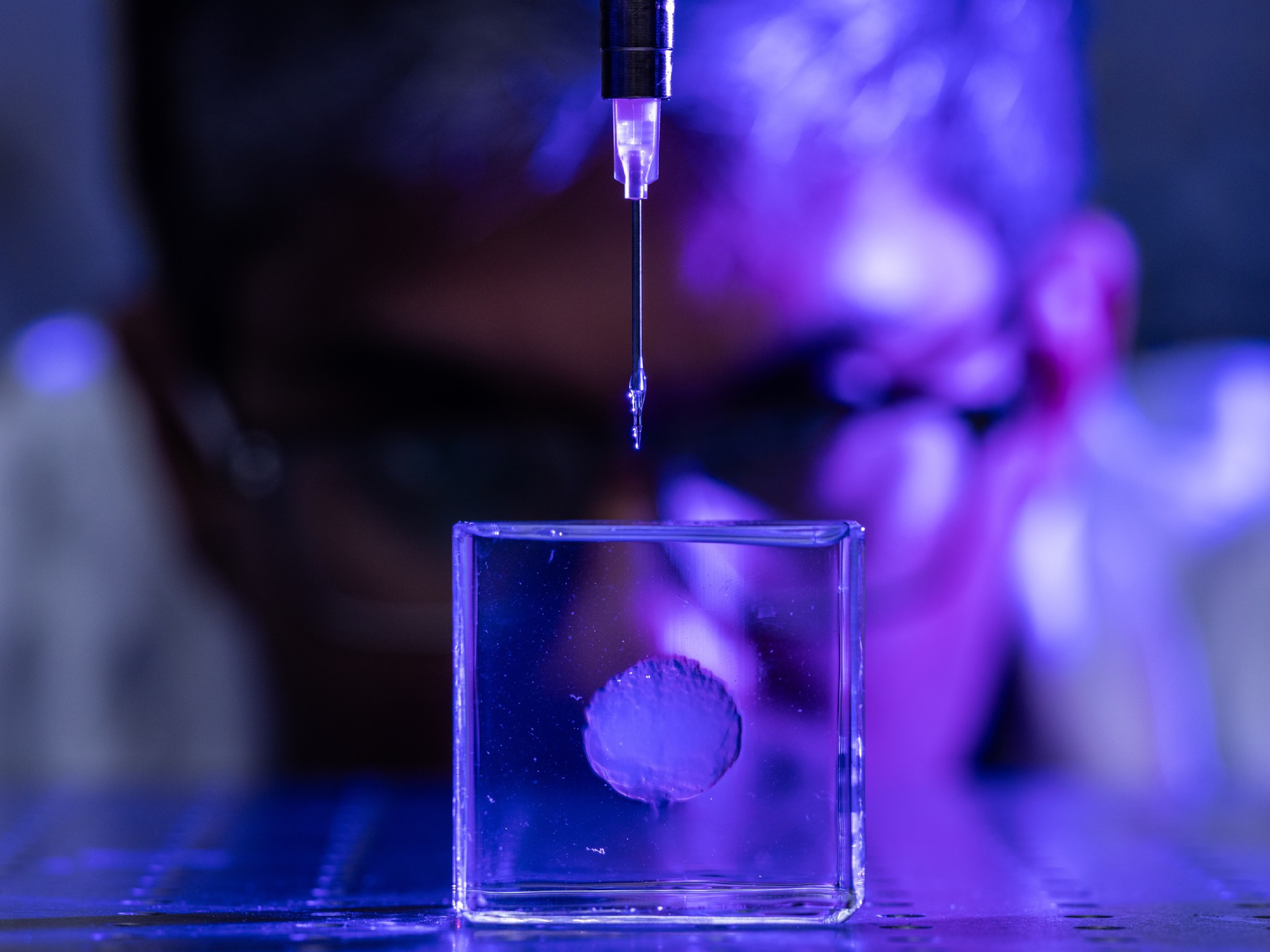
The research team employed embedded 3D printing technology—a technique that suspends soft material in a jelly-like support bath during fabrication, rather than traditional layer-by-layer deposition in open air. This method both replicates the brain's folds and grooves while achieving varying stiffness levels across different brain regions. The team also developed a custom liquid ink, precisely calibrated to match the characteristics of gray and white matter.
"Human tissues are incredibly heterogeneous, made of different materials with different properties," stated Christopher O'Bryan, Assistant Professor of Mechanical and Aerospace Engineering. "Our 3D printing approach lets us capture that complexity in a way that wasn't possible before."
The team has currently printed a small-scale model at approximately 15% of actual brain size, with a full-scale version expected within a year. Traditional soft tissue modeling techniques can only produce uniform structures, failing to reflect the variations in hardness and texture found in human organs.
This research has broad application prospects: surgeons could practice procedures on anatomically accurate models; personalized treatment plans could be developed using patient-specific MRI data; and research into neurodegenerative diseases such as Alzheimer's and traumatic brain injuries could advance. Engineers could also test how medical implants interact with brain tissue.
"This is about giving the medical and scientific communities a tool that's both realistic and personalized," stated Mujtaba Rafique Ghoto, Doctoral Student and lead researcher. "The possibilities for improving health and safety are enormous." The research was published in the journal Materialia.